
Upgrading to a carbon fiber muffler is one of the most popular modifications for motorcycle riders looking to shed weight and achieve a deeper, more refined exhaust note. However, selecting the right aftermarket exhaust system requires careful planning and precise verification rather than simply choosing an appealing design. Because motorcycles rely on balanced backpressure and precise thermal management, installing an incompatible muffler can lead to poor engine performance, exhaust leaks, or even structural damage to your bike.
To make an informed decision, you must systematically evaluate physical fitment, performance characteristics, material quality, and local road regulations. This guide outlines the essential steps to verify compatibility, protect your investment from tropical heat and humidity, and ensure your new exhaust system delivers the performance and sound you expect.
Assess Your Motorcycle's Fitment Requirements
The foundation of a successful exhaust upgrade is verifying the exact physical dimensions of your motorcycle’s current exhaust system. You must measure the outer diameter of your header pipe or mid-pipe at the connection point using a caliper to ensure a precise match with the new muffler’s inlet. Slip-on mufflers require a snug, leak-free sleeve fit, which is typically secured by a heavy-duty clamp or tension springs, whereas full exhaust systems replace the entire piping from the engine’s exhaust ports to the tailpipe. Never rely on broad category terms like “universal sportbike muffler” or “scooter exhaust,” as even minor variations in pipe diameter can prevent a secure seal.
Products mentioned in this guide
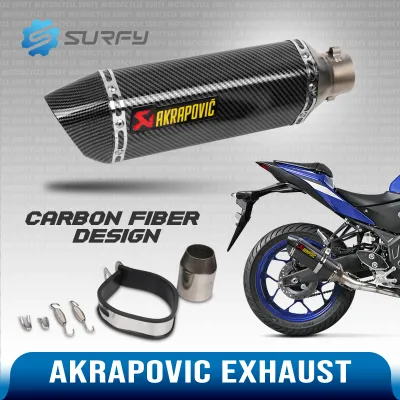
Prices are valid at publication and may change. Please refer to the product page for the latest price.
Beyond the inlet diameter, you must carefully inspect the mounting points and frame clearance on your specific motorcycle model. The muffler must align perfectly with your bike’s existing frame mounts or passenger footpeg brackets without forcing the exhaust pipe into an unnatural angle. Check the condition of your hanger brackets and rubber isolators, which are critical for absorbing engine vibrations and preventing stress cracks in the mounting hardware. Ensure there is adequate clearance between the muffler body and moving parts, such as the swingarm, rear tire, and rear brake caliper, throughout the full range of your suspension travel.
Because modifying an exhaust system alters the vehicle’s structural and thermal dynamics, always consult your motorcycle’s original service manual before beginning any disassembly. If you are unsure about alignment, pipe expansion, or torque specifications, seek assistance from a qualified technician to ensure the installation is secure and road-safe.
Define Your Performance and Sound Goals
A carbon fiber muffler changes both the weight distribution and the acoustic profile of your motorcycle. Carbon fiber naturally dampens high-frequency vibrations, resulting in a deeper, more resonant exhaust note compared to the metallic ring of steel or aluminum. The overall volume and tone depend heavily on the internal baffle design, the density of the packing material, and the length of the muffler body. Longer mufflers generally provide a quieter, more subdued tone, while shorter mufflers produce a louder, more aggressive sound.

Weight reduction is another primary motivator for this upgrade. Replacing a heavy factory steel muffler with a lightweight carbon fiber alternative shifts the motorcycle’s center of gravity and can improve handling agility. However, this physical change must be balanced with engine performance.
Altering the exhaust flow changes the backpressure within the engine. While some slip-on mufflers are designed to work within the factory fuel map parameters, high-flow designs or full systems often lean out the air-fuel mixture. To prevent engine overheating or hesitation, you may need to adjust the fuel mapping or install an aftermarket ECU tuning module as specified by the manufacturer.
Verify Material Quality and Heat Management
True carbon fiber is a composite material made of woven carbon filaments bound by a high-temperature resin. You must distinguish genuine carbon fiber sleeves from cosmetic carbon-look vinyl wraps or plastic covers, which will melt rapidly under normal operating temperatures. Genuine carbon fiber provides excellent thermal insulation, meaning the outer surface remains cooler to the touch than metal, but it still requires robust internal protection.
High-quality mufflers feature integrated thermal barriers, such as ceramic packing or stainless steel mesh sleeves, to shield the carbon weave from direct contact with hot exhaust gases. Over time, degraded internal packing can cause hot spots that scorch or crack the carbon fiber sleeve. Regularly inspecting the condition of the internal packing is essential for preserving the structural integrity of the muffler.
Environmental exposure also demands careful maintenance. Tropical humidity and intense sunlight can degrade the outer resin if it lacks proper protection. Always refer to the manufacturer’s care label for approved cleaning agents and UV-resistant polishes, as harsh chemical solvents or abrasive cleaners can strip the protective clear coat and ruin the finish.
Check Legal and Safety Compliance
Before purchasing any aftermarket exhaust, you must ensure it complies with local road regulations and noise limits in the Philippines. Local traffic laws enforce strict decibel limits for motorcycles operating on public roads. Selecting a muffler with a removable dB killer or baffle allows you to adjust the sound output to remain within legal limits during daily commutes.
Emissions compliance is another critical factor. If your motorcycle features an integrated catalytic converter in the stock muffler, replacing it with a non-compliant aftermarket unit may violate local environmental standards. Verify whether the replacement muffler is certified for street use or if it is restricted to closed-course racing.
Finally, check the physical clearance of the installed muffler in relation to other motorcycle components. The exhaust path must not blow hot gases directly onto turn signals, license plates, or soft saddlebags. Ensure the mounting position does not obstruct the passenger footpegs or interfere with the comfortable operation of the rear brake pedal.
Build Your Pre-Purchase Compatibility Checklist
To avoid purchasing an incompatible part, compile a comprehensive checklist before finalizing your order. Start by cross-referencing the seller’s fitment table with your motorcycle’s official registration papers to confirm the exact model year and engine displacement. Even minor mid-generation updates by manufacturers can alter exhaust mounting points or pipe diameters.
Next, verify exactly what is included in the product package. A complete installation kit should contain the muffler, mounting brackets, hanger straps, tension springs, and any necessary gaskets or reducers. If these components are sold separately, you must factor their cost into your overall budget.
Finally, account for the total cost of ownership. In addition to the purchase price of the muffler, budget in ₱ for potential professional installation, replacement exhaust gaskets, and ECU tuning if required. Confirm the seller’s return and exchange policy so you have a recourse if the physical product does not match the advertised specifications.
Frequently Asked Questions (FAQ)
Can I install a slip-on carbon fiber muffler without tuning my motorcycle?
Many slip-on carbon fiber mufflers are designed to retain sufficient backpressure so that the factory ECU can automatically adjust within its pre-programmed limits. However, if you notice engine popping on deceleration, flat spots in acceleration, or increased running temperatures, you must perform a fuel mapping adjustment. Always consult the manufacturer’s installation instructions to determine if tuning is mandatory for your specific motorcycle model.
How do I clean and maintain a carbon fiber exhaust sleeve?
To clean a carbon fiber sleeve safely, wait until the exhaust system is completely cool to the touch. Use only mild soap, water, and a soft microfiber cloth as recommended by the manufacturer’s care instructions. Avoid using abrasive pads, degreasers, or harsh chemical solvents, which can degrade the protective clear coat and expose the raw composite fibers to moisture and heat.
Will a carbon fiber muffler fade or yellow under the sun?
Prolonged exposure to intense tropical sunlight can cause the epoxy resin in lower-quality carbon fiber to yellow or fade over time. High-quality mufflers are finished with a UV-resistant clear coat to prevent this discoloration. To maintain the finish, you can apply manufacturer-approved UV-protective polishes during your regular maintenance routine.

Community discussion
Share your experience or ask a question. Comments are reviewed before publication.