
Choosing the right clutch housing for your Honda TMX 155 requires a precise understanding of your motorcycle’s transmission specifications, your typical riding conditions, and the mechanical demands placed on your drivetrain. As a legendary workhorse in the Philippines, the TMX 155 is frequently subjected to demanding operating environments, ranging from daily family commuting to heavy-duty tricycle operations carrying substantial passenger and cargo loads. The clutch housing, also known as the clutch outer basket, plays a critical role in transferring rotational power from the engine’s crankshaft to the transmission input shaft. Selecting a replacement component is not merely a matter of finding a part that physically fits inside the crankcase; it requires verifying exact gear teeth counts, material tolerances, and structural integrity to ensure long-term reliability and road safety.
A mismatched or low-quality clutch housing can lead to severe mechanical consequences, including accelerated wear on the primary drive gear, clutch slippage, gear whine, and even catastrophic transmission lockup while riding. Because the transmission system operates under high rotational speeds and intense thermal stress, making an informed decision before purchasing a replacement is essential. By focusing on verified manufacturer specifications, understanding the physical demands of your specific riding style, and adhering to strict safety protocols during installation, you can maintain the legendary durability of your TMX 155. This comprehensive guide outlines the essential steps to identify, inspect, and select the ideal clutch housing for your motorcycle, ensuring your drivetrain remains robust and dependable.
Verifying Transmission Compatibility and OEM Specifications
To guarantee a successful replacement, you must first verify that the new clutch housing matches the original equipment manufacturer (OEM) specifications of your Honda TMX 155. The transmission of this specific motorcycle model relies on precise gear meshing and shaft alignments that leave no room for error. The most reliable starting point is to cross-reference the OEM part number of your existing clutch housing with the replacement part’s documentation. Even within the Honda TMX family, variations exist across different production years and sub-models, such as the classic TMX 155 with its overhead valve (OHV) engine versus newer overhead cam (OHC) variants like the TMX 125 Alpha or TMX 155 Supremo. Assuming that a part labeled generically for “Honda TMX” will fit your specific machine is a common mistake that often results in compatibility failures.
Products mentioned in this guide
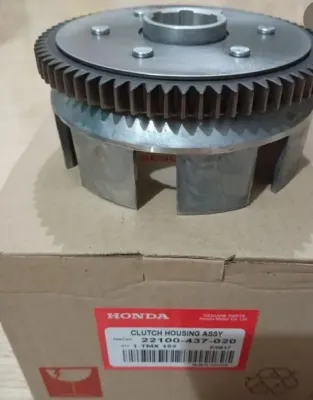
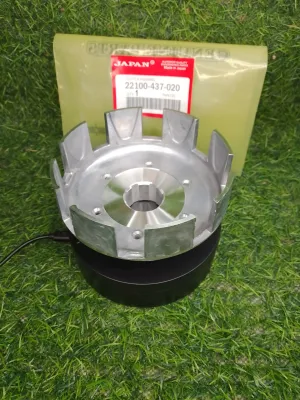
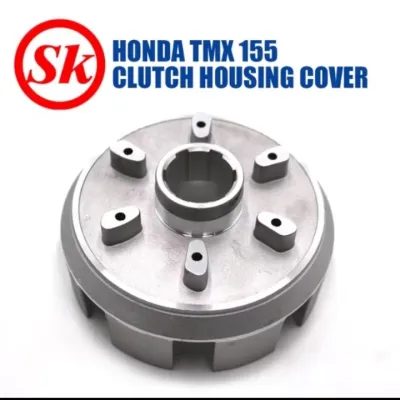
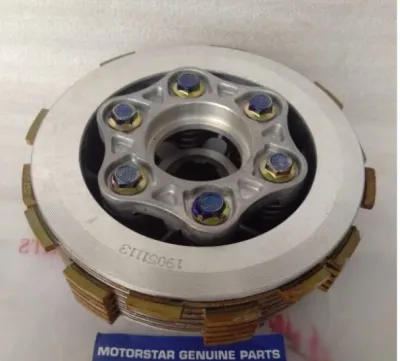
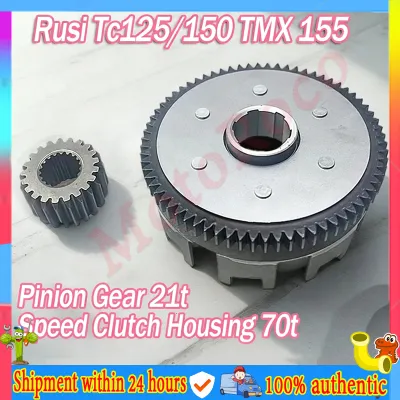
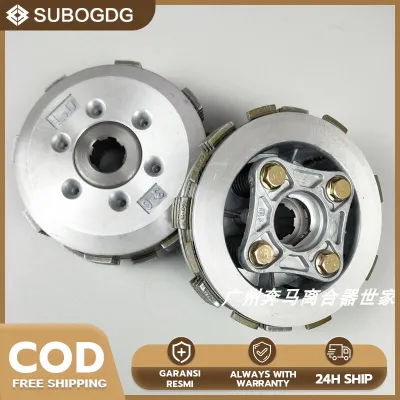
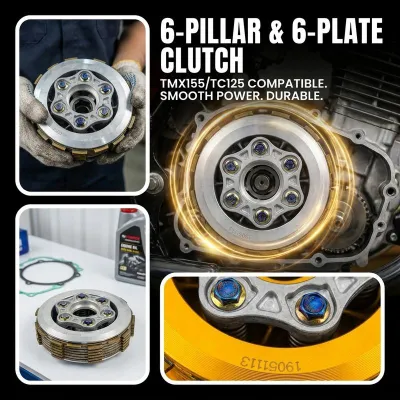
Prices are valid at publication and may change. Please refer to the product page for the latest price.
One of the most critical physical specifications to verify is the exact gear teeth count on the primary driven gear, which is permanently riveted to the back of the clutch housing. This gear meshes directly with the primary drive gear on the engine’s crankshaft. For the classic TMX 155, the gear ratio is carefully engineered to balance torque and speed; installing a housing with an incorrect tooth count or a different gear pitch will prevent the crankcase cover from closing, or worse, cause immediate gear binding and tooth breakage upon starting the engine. Before finalizing any purchase, physically count the teeth on your original gear and compare it directly with the specifications provided by the replacement part manufacturer.
In addition to the gear teeth, you must verify the mounting points, inner bushing dimensions, and the main shaft spline interface. The clutch housing rotates on a collar and needle bearing assembly mounted on the transmission’s input shaft. The inner diameter of the housing’s center sleeve must match the outer diameter of this collar with microscopic clearance to allow smooth rotation when the clutch is disengaged. Any excess play or wobble in this interface will introduce severe vibrations, uneven clutch plate wear, and potential damage to the transmission shaft itself. Furthermore, ensure that the splines on the inner clutch hub (if purchased as a complete assembly) align perfectly with the input shaft splines without requiring forced insertion.
Finally, confirm that the material grades and manufacturing tolerances of the replacement clutch housing meet or exceed factory standards. High-quality housings are typically constructed from high-tensile aluminum alloys that offer an optimal balance of lightweight rotation and structural strength. The primary driven gear on the back must be made of hardened steel, securely attached to the aluminum basket with heavy-duty rivets and integrated dampening rubbers. Avoiding assumptions based solely on generic category terms or visual similarities is paramount; always demand explicit technical specifications from the manufacturer or distributor to confirm that the component is engineered specifically for the mechanical tolerances of the TMX 155.
Installation Safety, Tools, and Professional Service Limits
Replacing a motorcycle’s clutch housing is a complex mechanical task that directly impacts the vehicle’s drivetrain and overall operating safety. Because the clutch assembly is responsible for engaging and disengaging engine power to the rear wheel, any installation error can lead to sudden mechanical failure, rear-wheel lockup, or loss of control on the road. Before attempting this procedure, it is vital to establish a safe working environment and understand the physical boundaries of the task. If you do not possess the necessary mechanical experience, specialized tools, or a clean, well-lit workspace, the safest course of action is to have the component installed by a qualified professional motorcycle mechanic.

For those who choose to undertake the installation, utilizing the correct specialized tools is non-negotiable. A standard socket set and basic hand tools are insufficient for this level of disassembly. You will require a dedicated clutch holding tool (often referred to as a clutch outer holder or flywheel holder) to securely lock the clutch basket in place while loosening or tightening the center lock nut. Attempting to lock the basket using improvised methods, such as jamming a screwdriver between the gear teeth or wedging a cloth into the primary gears, is highly dangerous and frequently results in chipped gear teeth, cracked aluminum baskets, or bent transmission shafts. Additionally, a calibrated torque wrench is mandatory to ensure that all fasteners, particularly the main clutch lock nut and the clutch spring bolts, are tightened to the exact torque specifications specified in the official Honda TMX 155 service manual.
Consulting the official service manual before beginning the disassembly process is essential for identifying the correct torque values and sequence of operations. The manual provides step-by-step instructions on removing the right crankcase cover, releasing the clutch cable tension, removing the clutch lifter piece, and extracting the lock nut. It also outlines the correct orientation of washers, such as the conical “OUTSIDE” washer, which must be installed with the correct side facing outward to maintain proper tension on the assembly. Neglecting these precise instructions can cause the clutch assembly to back off during operation, leading to sudden transmission failure.
During the disassembly or installation process, you must establish clear stop conditions that indicate when to halt the DIY process and seek professional assistance. If you encounter stripped threads on the transmission input shaft, a seized primary gear bolt, or deep scoring on the crankcase mating surfaces, do not attempt to force the installation. Similarly, if the new clutch housing does not slide smoothly onto the shaft collar, or if there is noticeable binding when rotating the housing by hand, stop immediately. Forcing a mismatched or improperly aligned component into the engine case will cause permanent, expensive damage to the crankcase and transmission gears. A qualified mechanic possesses the specialized diagnostic tools and machining experience required to resolve these critical issues safely.
Matching the Clutch Housing to Your Riding and Load Requirements
Selecting the right clutch housing also requires a realistic assessment of your daily riding habits, typical cargo loads, and the environmental conditions in which your Honda TMX 155 operates. The Philippines’ tropical climate, characterized by high ambient temperatures and intense humidity, accelerates thermal stress on engine and transmission components. Furthermore, the TMX 155 is a highly versatile platform; a motorcycle used for personal commuting on open highways faces vastly different mechanical demands than one converted into a commercial passenger tricycle navigating congested, stop-and-go urban streets.
For riders who use their TMX 155 primarily for daily commuting, light personal transport, or occasional long-distance rides on paved roads, an OEM-equivalent clutch housing is typically the most suitable choice. These standard housings are engineered to provide smooth, progressive clutch engagement, minimal lever effort, and reliable durability under normal operating temperatures. They maintain the original balance of the engine and do not introduce unnecessary stiffness or vibration to the drivetrain. When paired with high-quality friction plates and regular engine oil changes, an OEM-equivalent housing can deliver tens of thousands of kilometers of trouble-free service.
Conversely, if your motorcycle is utilized for heavy-duty applications, such as pulling a sidecar, carrying heavy agricultural goods, or operating in hilly terrain with frequent stop-and-go traffic, you must prioritize wear resistance and heat dissipation. Under heavy loads, the clutch is slipped more frequently to launch the vehicle from a standstill, generating extreme frictional heat. This heat can cause standard aluminum baskets to expand unevenly, leading to clutch fade and accelerated wear on the basket fingers. For these demanding scenarios, look for clutch housings that feature reinforced steel backing plates, upgraded dampening rubbers designed to absorb high-torque shocks, and advanced alloy compositions that resist grooving. These heavy-duty options help maintain consistent clutch feel and prevent the friction plate tabs from wearing deep notches into the housing fingers.
Recognizing the observable signals of existing clutch housing wear is crucial for determining when a replacement is necessary. If you experience a clutch that slips under acceleration despite having new friction plates and correct cable adjustment, the housing may be worn. Another common symptom is a distinct “clutch shudder” or jerky engagement when releasing the clutch lever, which often indicates that the housing fingers have become grooved, preventing the plates from sliding smoothly. Additionally, a loud, metallic rattling noise coming from the right side of the engine cover that subsides when you pull the clutch lever in is a classic sign of worn dampening rubbers or excessive play between the primary gear and the aluminum basket. Inspecting these physical symptoms allows you to address drivetrain wear before it leads to a complete breakdown.
Pre-Purchase Inspection and Specification Checklist
Before finalizing your purchase of a replacement clutch housing, conducting a thorough pre-purchase inspection and utilizing a structured verification checklist is essential. This proactive approach ensures that the product you receive meets all safety, material, and dimensional standards required for the Honda TMX 155, saving you from the frustration of mid-installation delays or premature component failure. Whether purchasing from a physical retail store or an online marketplace, verifying the product’s credentials is your first line of defense against low-quality parts.
Begin your checklist by verifying the product labels, packaging claims, and the manufacturer’s explicit fitment documentation. The packaging should clearly state that the clutch housing is designed specifically for the “Honda TMX 155” and specify the engine type (such as the classic pushrod/OHV engine). Avoid products with vague, universal compatibility claims like “fits most 150cc motorcycles” or “universal Honda clutch.” Reliable manufacturers provide detailed fitment lists, often including the specific model years and OEM part numbers that the product is designed to replace. If this information is missing or ambiguous, contact the seller or manufacturer directly to request confirmation before proceeding with the transaction.
Upon receiving the clutch housing, perform an immediate and detailed physical inspection before attempting installation. First, examine the gear teeth on the primary driven gear. The teeth should be perfectly formed, free of burrs, chips, or sharp edges, and show consistent machining across the entire gear face. Next, inspect the aluminum basket fingers where the clutch plates sit. The inner walls of these fingers must be perfectly smooth and flat; any casting defects, rough surfaces, or uneven finishes will cause the clutch plates to stick, leading to poor shifting performance. Finally, check the structural integrity of the assembly by inspecting the rivets that secure the steel gear to the aluminum basket. There should be absolutely no play, movement, or gaps between the gear, the dampening rubbers, and the basket when you attempt to twist them in opposite directions by hand.
It is highly advisable to avoid generic, unbranded, or ultra-cheap modification parts that lack clear engineering specifications or a traceable country of origin. While these parts may look appealing due to their low initial cost, they are frequently manufactured using inferior aluminum alloys and substandard heat-treatment processes. Under the high-stress conditions of motorcycle operation, these low-grade materials can fail catastrophically, causing the basket fingers to snap off inside the engine, which can destroy the entire transmission and crankcase. Investing in a reputable, branded component with traceable manufacturing standards is a fundamental safety practice for any motorcycle rider.
Sourcing Reliable Parts and Avoiding Compatibility Traps
Navigating the marketplace for motorcycle parts requires a strategic approach to filter out counterfeit, low-quality, or incompatible components. To ensure you receive a genuine, high-performance clutch housing for your Honda TMX 155, you should always prioritize established and reliable sourcing channels. Authorized Honda motorcycle dealerships, official brand stores, and highly reputable online motorcycle parts marketplaces with verified seller badges are the safest places to purchase drivetrain components. These channels source their inventory directly from established manufacturers, ensuring that the parts meet strict quality control standards and match original engineering specifications.
When browsing online marketplaces or visiting local spare parts shops, you must remain vigilant against common purchasing pitfalls and red flags. One of the most prominent red flags is an unusually low price that sits far below the average market rate in ₱ for genuine or reputable aftermarket parts. If a deal seems too good to be true, it almost certainly involves a counterfeit product or a component made from low-grade materials that do not meet safety standards. Other warning signs include listings that lack detailed physical dimensions, missing gear teeth counts, or user reviews that frequently mention fitment difficulties, premature wear, or the need to modify the part to make it fit. Reading customer feedback carefully, especially reviews that detail long-term durability, provides valuable real-world insight into the product’s quality.
Another critical factor to consider before purchasing is the seller’s return policy and warranty terms. Because transmission components require absolute precision, having a clear after-sales protection policy is vital in case you encounter an unexpected fitment issue during installation. Reputable sellers and authorized distributors will offer a straightforward return or exchange window, provided the part has not been damaged or modified. Before checking out, confirm that the seller accepts returns for compatibility reasons and check if they offer any warranty against manufacturing defects. Securing this basic level of consumer protection ensures that your investment is safeguarded and that you can exchange the part if any specification conflicts arise.
Frequently Asked Questions (FAQ)
Can I use a clutch housing from a different motorcycle model on my TMX 155?
No, you should not attempt to install a clutch housing from a different motorcycle model on your Honda TMX 155 unless it is explicitly cross-referenced and verified by the manufacturer. Even if a clutch housing from another 150cc or 155cc motorcycle looks visually identical, minor differences in the primary gear tooth count, gear pitch, spline dimensions, or overall basket depth can prevent proper installation. Attempting to force a mismatched housing into your transmission will cause immediate gear binding, severe gear whine, rapid wear on the crankshaft gear, or catastrophic engine lockup while riding. Always verify compatibility using the OEM part number and exact physical measurements.
How do I know if my current clutch housing needs replacement?
Your Honda TMX 155 will display several observable physical and operational symptoms when its clutch housing is worn or failing. Physically, you will notice deep grooves or notches worn into the aluminum fingers of the basket where the clutch plate tabs make contact, which prevents the plates from sliding smoothly. You may also detect excessive play or rotational movement between the primary driven gear and the aluminum basket, indicating that the internal dampening rubbers have degraded or the rivets have loosened. Operationally, a worn housing causes the clutch to slip under load, makes shifting gears difficult or clunky, causes a shuddering sensation when launching from a stop, or produces a loud rattling noise from the right side of the engine that disappears when you pull the clutch lever.
Is it safe to install an aftermarket clutch housing without professional help?
Installing an aftermarket clutch housing without professional help is safe only if you possess advanced mechanical skills, a clean and organized workspace, and the specific specialized tools required for the job. The procedure requires a dedicated clutch holding tool to prevent damage to the basket and a calibrated torque wrench to tighten the main lock nut to the manufacturer’s exact specifications. Attempting this installation with improvised tools or without consulting the official service manual carries a high risk of damaging the transmission shaft, cracking the new housing, or causing a loose assembly that can fail catastrophically on the road. If you have any doubts about your technical ability or lack the proper tools, it is highly recommended to have the replacement performed by a qualified professional motorcycle mechanic.

Community discussion
Share your experience or ask a question. Comments are reviewed before publication.