
Operating a Ford EcoSport in the Philippines presents unique challenges for the vehicle’s cooling system. The combination of dense urban traffic in metropolitan areas, high ambient humidity, and tropical temperatures that regularly climb above 30°C places a continuous thermal load on the engine. Whether your EcoSport is powered by the compact 1.0-liter EcoBoost engine or the 1.5-liter Ti-VCT variant, maintaining the integrity of the engine cooling system is essential to prevent premature wear, localized overheating, and engine damage.
To keep this compact crossover running efficiently, you must use an engine coolant that aligns precisely with the manufacturer’s engineering standards. Using an incorrect fluid can lead to internal corrosion, degraded water pump seals, and blockages within the radiator or heater core. Selecting the right coolant requires moving past marketing claims and focusing strictly on the technical specifications designated for your specific model year.
Identifying the Correct Coolant Specification
The first step in maintaining your vehicle’s cooling system is identifying the exact factory-recommended fluid specification. Ford designs its engines to work with specific chemical formulations that protect the unique metallurgy of their engine blocks, cylinder heads, and radiator cores. This information is typically documented in the vehicle’s owner’s manual under the capacities and specifications section, or printed on a placard located under the hood near the radiator support.
Products mentioned in this guide
![[1L ORANGE] Coolant for Ford Ranger Ford Everest Ford Ecosport Ford Fiesta - Pro99 Brand](https://img.lazcdn.com/g/p/d1384cc25d3defd8c36b28642daa8eef.jpg_400x400q80.jpg_.webp)
![[4L ORANGE] Coolant for Ford Ranger Ford Everest Ford Ecosport Ford Fiesta - Pro99 Brand](https://img.lazcdn.com/g/p/429661799b6728390eb4bd8f48fc921b.jpg_400x400q80.jpg_.webp)
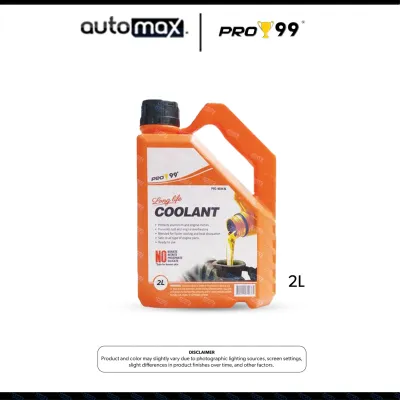
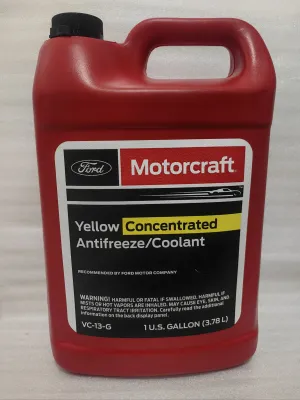
![[Yellow] Ford 4L Anti-Freeze Coolant - Genuine Motorcraft Auto Parts](https://img.lazcdn.com/g/p/5e000eea0d6f55e1cdece9a2b7c41c5e.jpg_400x400q80.jpg_.webp)
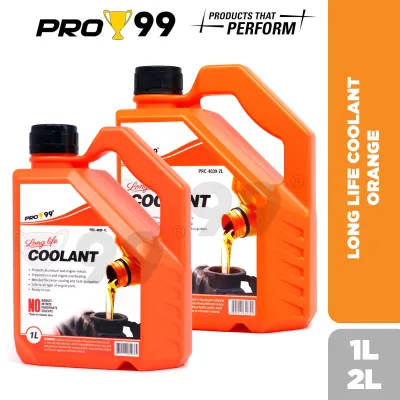
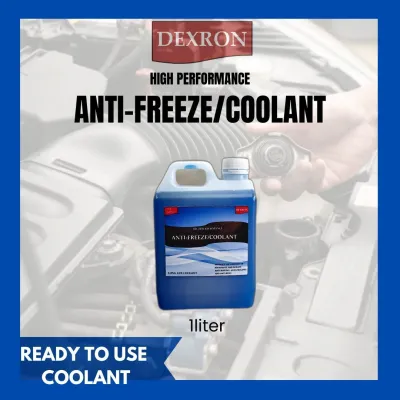
Prices are valid at publication and may change. Please refer to the product page for the latest price.
It is a common misconception that engine coolants can be selected based solely on their color. While color-coding was once a reliable indicator of chemical composition, modern manufacturers use various dyes that do not conform to a single universal standard. A green, orange, or yellow fluid from one brand may have a completely different chemical makeup than a similarly colored fluid from another manufacturer. Relying on color alone can lead to accidental mixing of incompatible fluids, which can compromise your engine’s cooling efficiency.
To ensure compatibility, you must look for the specific Ford engineering material specification code. For many Ford EcoSport models, particularly those manufactured during the mid-2010s, the required specification is Ford WSS-M97B44-D, which corresponds to an Organic Acid Technology (OAT) formulation. Newer model years may specify a different standard, such as Ford WSS-M97B57-A1, which is a phosphated Organic Acid Technology (P-OAT) formulation. These codes represent precise chemical recipes designed to prevent cavitation, foaming, and scale buildup in Ford engines.
Understanding the underlying chemistry helps clarify why these specifications are so rigid. Older vehicles often used Inorganic Additive Technology (IAT) coolants, which rely on silicates and phosphates to form a protective layer over metal surfaces. Modern EcoSport engines utilize aluminum components that require Organic Acid Technology (OAT) or Hybrid Organic Acid Technology (HOAT). OAT coolants use organic acids to provide long-lasting corrosion protection without the abrasive silicates that can wear down modern water pump seals over time.
Evaluating Coolant Labels and Product Claims
When shopping for coolant in the Philippine market, you will encounter a wide variety of products on retail shelves. To verify that a specific product is safe for your Ford EcoSport, you must carefully read the technical label on the back of the bottle. Look for a section that explicitly states the product meets or exceeds the required Ford specification code, such as WSS-M97B44-D or WSS-M97B57-A1. If the label only lists broad compatibility with “all Ford models” without citing the exact engineering code, it is safer to look for a product that provides explicit verification.

Coolants are generally sold in two formats: concentrated formulas and pre-mixed (50/50) solutions. Concentrated coolant must be diluted with water before being added to the cooling system, whereas pre-mixed solutions are ready to pour directly into the reservoir. For most drivers in the Philippines, pre-mixed coolant is the more practical and safer choice because it eliminates the risk of using improper water sources and ensures the correct chemical balance is maintained.
If you choose to purchase concentrated coolant, you must dilute it using only distilled or demineralized water. Never use tap water, well water, or purified drinking water to dilute engine coolant. Tap water in the Philippines often contains high concentrations of minerals, such as calcium and magnesium, which precipitate out of the solution when exposed to the extreme heat of the engine. These minerals form scale deposits along the internal walls of the radiator and engine block, drastically reducing heat transfer and eventually clogging the narrow passages of the cooling system.
Be highly cautious of products that feature vague “universal” compatibility claims on their packaging. Labels that promise compatibility with “all makes, all models, and all colors” often use generic formulations that may not contain the specific corrosion inhibitors required to protect the aluminum alloys in your EcoSport’s engine. Using a non-compliant coolant can lead to the gradual degradation of internal gaskets and hoses, potentially leading to costly repairs that may not be covered under vehicle warranties.
Sourcing Authentic Coolant in the Philippines
Sourcing genuine, high-quality coolant is critical to protecting your engine from the risks of counterfeit or substandard automotive fluids. The most reliable source for purchasing the correct coolant for your EcoSport is an authorized Ford dealership service center. Dealerships stock OEM-approved fluids, such as Motorcraft specialty coolants, which are formulated specifically to meet Ford’s engineering standards. While purchasing from a dealership may carry a premium, it provides absolute certainty regarding product authenticity and specification compliance.
If you prefer to purchase from independent retailers, focus on established automotive supply stores with physical locations and a proven track record of sourcing products from authorized distributors. Many reputable auto parts dealers in major urban centers specialize in replacement parts and fluids for American and European vehicle brands. When visiting these shops, ask the staff to confirm that the coolant they are recommending matches the exact Ford specification code required for your EcoSport’s model year.
For those who prefer the convenience of online shopping, reputable e-commerce platforms can be used, provided you exercise strict caution. Limit your purchases to official flagship stores, verified brand malls, or highly rated automotive specialty sellers. Avoid purchasing from unverified third-party sellers who offer popular coolant brands at prices that are significantly lower than the market average. Suspiciously low prices are often a primary indicator of counterfeit products, which may consist of nothing more than colored water lacking any protective additives.
Before opening or using any coolant purchased online or from an independent retailer, inspect the packaging thoroughly for signs of tampering. Genuine automotive fluids feature secure, tamper-evident seals beneath the cap, clean and legible batch numbers printed on the bottle, and high-quality label printing without spelling errors or blurry graphics. If the safety seal is broken, loose, or missing entirely, do not use the product, as contaminated or diluted fluid can cause severe damage to your engine’s cooling system.
Safe Topping Up and Maintenance Boundaries
Performing basic coolant maintenance, such as checking the fluid level and topping up the reservoir, is a straightforward task that can help prevent overheating. However, working with an engine’s cooling system carries significant safety risks that require strict adherence to proper procedures. The most critical safety rule is to never open the coolant expansion tank cap while the engine is hot or even warm. The cooling system operates under high pressure, and opening the cap on a hot engine can cause boiling liquid and pressurized steam to erupt, resulting in severe skin burns.
Always allow the vehicle to sit idle with the engine turned off for several hours until the hood, radiator, and expansion tank are completely cool to the touch. Once the system is cold, locate the translucent coolant reservoir tank in the engine bay. The side of the tank features molded markings indicating the minimum (“MIN”) and maximum (“MAX”) fill levels. The coolant level should ideally sit between these two marks when the engine is cold; if the level is at or below the minimum mark, a top-up is required.
When topping up, use only the pre-mixed coolant that matches the exact specification already present in the system. Slowly unscrew the expansion tank cap to release any residual pressure, then carefully pour the fluid into the tank until it reaches the proper level. Avoid overfilling the reservoir, as the fluid needs space to expand when the engine reaches operating temperature. Mixing different coolant chemistries during a top-up must be avoided, as it can trigger a chemical reaction that causes the additives to precipitate out of the liquid, forming a thick gel or sludge that blocks coolant flow.
While occasional minor top-ups can be normal due to natural evaporation over long periods, a rapidly dropping coolant level is a clear warning sign of an underlying issue. Inspect the engine bay visually for signs of leaks, such as crusty residue around hose connections, damp spots on the radiator, or pooling fluid beneath the vehicle. Additionally, pay close attention to the appearance of the coolant inside the reservoir. If the fluid appears dark, muddy, or has a milky consistency, it indicates contamination—potentially from engine oil entering the cooling system due to a failing head gasket. In such cases, or if you suspect a persistent leak, avoid driving the vehicle extensively and seek a professional diagnostic inspection and system flush from a qualified automotive technician.
Frequently Asked Questions (FAQ)
Can I use distilled water to top up my EcoSport coolant in an emergency?
Using distilled water to top up your coolant reservoir is acceptable only as a temporary emergency measure to reach the nearest service station or repair shop. While distilled water is free of harmful minerals, adding it to your cooling system dilutes the concentration of the coolant’s active ingredients. This dilution lowers the boiling point and raises the freezing point of the mixture, reducing its ability to protect your engine from overheating in the intense heat of the Philippines. If you must use distilled water in an emergency, have the cooling system inspected, drained, and refilled with the correct 50/50 coolant mixture as soon as possible. Never use tap water, as it will introduce minerals that cause permanent scale buildup.
Does the color of the coolant guarantee it is safe for my Ford EcoSport?
No, the color of the coolant does not guarantee compatibility or safety for your Ford EcoSport. Coolant dyes are purely cosmetic additives used by manufacturers to help identify leaks and distinguish their products, but there is no industry-wide standardization linking specific colors to chemical formulations. For example, one manufacturer’s orange coolant might be an Organic Acid Technology (OAT) formula, while another brand’s orange coolant could be a Hybrid Organic Acid Technology (HOAT) formula with different chemical properties. Mixing these incompatible chemistries can lead to chemical reactions that form a thick gel, clogging your radiator and causing severe engine damage. The only reliable way to verify compatibility is to match the Ford engineering specification code printed on the product label with the requirements listed in your owner’s manual.

Community discussion
Share your experience or ask a question. Comments are reviewed before publication.