
Choosing the right engine coolant for your car in the Philippines requires balancing the vehicle manufacturer’s strict chemical specifications with the demanding realities of tropical driving. High ambient temperatures, prolonged idling in heavy urban traffic, and steep mountain ascents place immense thermal stress on your engine. To keep your cooling system operating efficiently, you must select a fluid that matches your engine’s metallurgy and prevents boiling, corrosion, and cavitation. This guide outlines how to identify the correct formulation, evaluate specifications for local conditions, and safely maintain your vehicle’s cooling system.
Selecting the wrong fluid can lead to severe mechanical issues, including radiator corrosion, water pump failure, and clogged cooling passages. Because modern vehicles utilize a wide variety of metals and synthetic seals in their cooling systems, there is no single universal coolant that works safely in every car. Instead, vehicle owners must learn to decode coolant labels, verify compatibility against original equipment manufacturer (OEM) standards, and establish a regular inspection routine to ensure long-term engine health.
Identify the Correct Coolant Formulation for Your Engine
To choose the correct coolant, you must first understand the chemical technologies used to protect your engine. Coolants are categorized into three primary formulations based on their corrosion inhibitor packages: Inorganic Additive Technology (IAT), Organic Acid Technology (OAT), and Hybrid Organic Acid Technology (HOAT). Each technology is designed for specific metallurgical environments, and using the incorrect type can lead to rapid component degradation. When selecting a fluid, you must verify your vehicle’s model, year, and specific cooling system requirements directly from the vehicle’s official documentation; never infer compatibility simply from a broad category term or product title. Furthermore, engine coolants and care fluids must only be used for their label-authorized applications. A specific chemical or material name does not guarantee safety for your vehicle’s unique hoses, gaskets, plastics, or sensors, so you must always cross-reference the product’s technical data sheet with your manufacturer’s guidelines before application.
Products mentioned in this guide
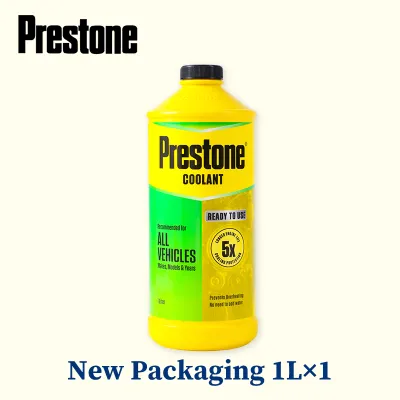
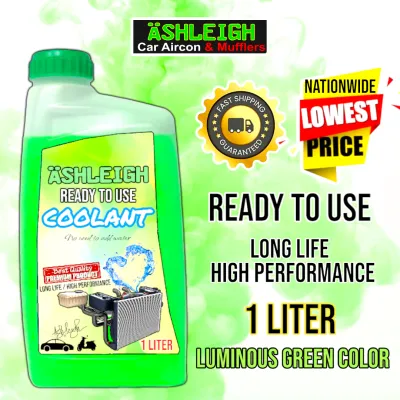
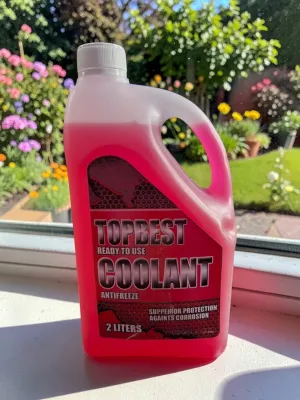
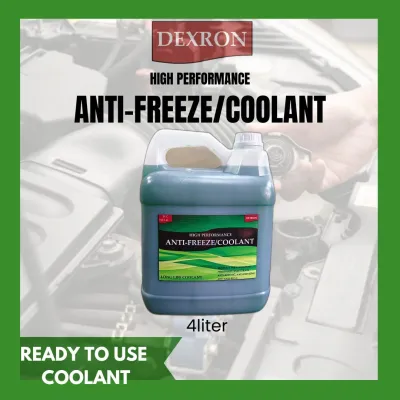
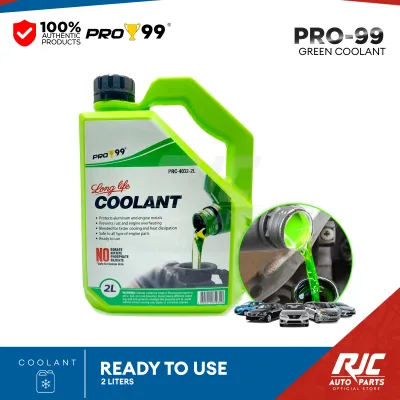
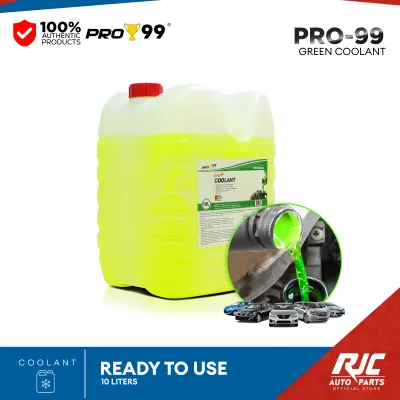
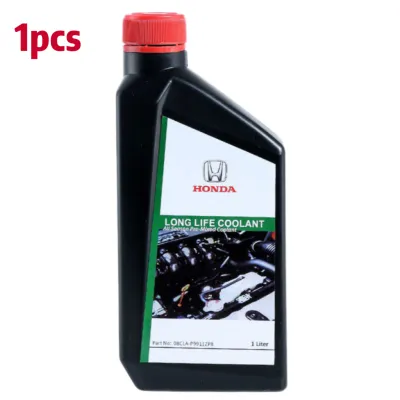
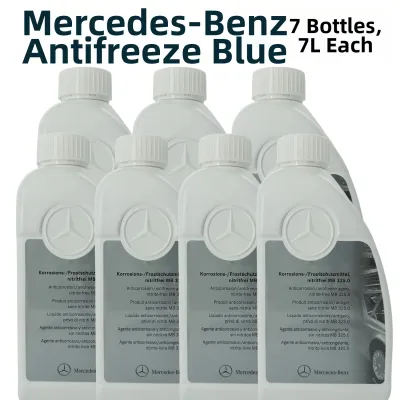
Prices are valid at publication and may change. Please refer to the product page for the latest price.
Inorganic Additive Technology (IAT) is the traditional formulation found in older vehicles, typically those manufactured before the late 1990s. These fluids rely on fast-acting inorganic inhibitors, such as silicates and phosphates, to form a protective layer over iron, steel, copper, and brass surfaces. While highly effective at preventing immediate corrosion, these inhibitors deplete rapidly, requiring a complete system flush and replacement every two years or approximately 40,000 kilometers. IAT is generally not recommended for modern aluminum engines, as the abrasive silicates can wear down water pump seals over time.
Organic Acid Technology (OAT) represents a significant shift toward long-term protection, utilizing organic acids like sebacate or 2-ethylhexanoic acid (2-EHA) to prevent corrosion. OAT coolants do not contain silicates or phosphates, making them highly compatible with modern aluminum cylinder heads and radiators. These formulations offer a much longer service life, often lasting up to five years or 240,000 kilometers. However, OAT coolants take longer to establish their protective layer on metal surfaces and may not be compatible with the lead solder, copper, or brass components found in vintage cooling systems.
Hybrid Organic Acid Technology (HOAT) combines the rapid protection of inorganic inhibitors with the long-lasting durability of organic acids. Vehicle manufacturers often customize HOAT formulations to meet specific regional engineering standards. For example, Asian vehicle manufacturers typically specify silicate-free HOAT coolants that use phosphates to protect aluminum components, as silicates can cause water pump seal wear. Conversely, European manufacturers often require phosphate-free HOAT formulations to prevent scale buildup caused by the hard water commonly found in European municipal supplies.
Because of these highly specific chemical requirements, you must locate the exact OEM fluid standard or specification code in your vehicle’s owner’s manual before purchasing any product. This code is a precise alphanumeric sequence—such as Toyota SLLC, Honda Type 2, or VW G12—that guarantees the fluid is chemically compatible with your engine’s internal components. Never rely on the color of the fluid to determine compatibility, as coolant dyes are not standardized across the automotive industry.
Mixing incompatible coolant chemistries can have catastrophic consequences for your engine. When different additive packages are mixed—such as adding an IAT coolant to an OAT system—the chemical inhibitors can react negatively and drop out of the liquid solution. This reaction forms a thick, gelatinous sludge or gel that settles in the narrowest passages of your cooling system, such as the radiator tubes and the heater core. This blockage restricts coolant flow, leading to localized hot spots, warped cylinder heads, blown head gaskets, and eventual engine failure.
Evaluate Coolant Specifications for Tropical Traffic and Heat
Operating a vehicle in the Philippines presents unique thermal challenges that demand high-quality coolant performance. Stop-and-go traffic in dense urban areas like Metro Manila, combined with high ambient humidity and temperatures, means that engines often idle for extended periods without the cooling benefit of frontal airflow. Under these conditions, your cooling system relies entirely on the heat transfer efficiency of the fluid and the operation of the radiator fans.

To manage these extreme thermal loads, you must prioritize coolants with high boiling points and excellent heat transfer capabilities. The boiling point of a coolant is determined by both the chemical formulation and the pressure maintained within the cooling system. A high-quality ethylene glycol-based coolant, when mixed at the proper ratio and pressurized by a functioning radiator cap, resists boiling even under extreme operating conditions. Preventing boiling is critical because steam pockets cannot transfer heat away from metal surfaces, leading to rapid, localized overheating and thermal cracking.
In addition to heat management, the coolant must contain robust corrosion inhibitors designed to protect modern multi-metal engines. Aluminum cylinder blocks and radiator cores are highly susceptible to galvanic corrosion, which occurs when different metals are joined in the presence of an electrolyte. Furthermore, the rapid movement of the water pump impeller can cause cavitation—a phenomenon where vapor bubbles collapse violently against metal surfaces, eroding the material over time. High-quality coolants contain specialized additives that form a microscopic barrier to prevent both galvanic corrosion and cavitation damage.
When selecting a coolant, you will choose between pre-mixed (ready-to-use) formulations and concentrated coolants. Pre-mixed formulations are diluted to a 50/50 ratio using demineralized or distilled water at the factory, offering convenience and eliminating the risk of mixing errors. If you choose a concentrated coolant, you must dilute it yourself, which requires the absolute use of distilled or deionized water. Never use tap water, well water, or mineralized bottled water to dilute concentrated coolant. Tap water contains minerals like calcium and magnesium that react with the coolant’s additive package, forming hard scale deposits inside the radiator tubes that insulate the metal and drastically reduce heat transfer efficiency.
Build a Conditional Coolant Shortlist Based on Vehicle Age
Selecting the right coolant requires a structured decision framework based on your vehicle’s age, warranty status, and current mechanical condition. By categorizing your vehicle, you can narrow down your choices to options that balance cost, convenience, and mechanical safety.
For newer vehicles still covered by a manufacturer’s warranty, your primary objective is to maintain warranty compliance and ensure precise additive matching. You should prioritize exact OEM-branded fluids or third-party coolants that carry certified approvals for your vehicle’s specific specification code. Before purchasing, verify the product label to ensure the manufacturer’s specification is explicitly listed. Using a non-compliant fluid can void your warranty and risk compatibility issues with the specialized synthetic seals and gaskets used in modern engines.
For older, out-of-warranty vehicles, you have more flexibility, but you must still exercise caution. You can evaluate high-quality universal OAT or HOAT options available on local ecommerce platforms. When choosing a universal product, carefully read the product label to verify that it is compatible with your vehicle’s make, model, and year. Avoid relying solely on broad “all makes, all models” marketing claims; instead, look for explicit compatibility statements that match your vehicle’s original requirements to ensure the fluid will not degrade older gasket materials like silicone or nylon.
In emergency situations, such as discovering a low coolant level while traveling, your immediate priority is to maintain sufficient fluid volume to prevent overheating. If you do not have a compatible coolant on hand, topping up the reservoir with pure distilled water is the safest temporary solution. Distilled water is widely available at local convenience stores and supermarkets. While adding water dilutes the coolant concentration—lowering the boiling point and reducing corrosion protection—it is far safer than mixing incompatible coolant chemistries. Treat a water-only top-up as a temporary measure, and have the system inspected, repaired, and refilled with the correct coolant ratio as soon as possible.
Perform Safe Inspections and Maintenance Checks
Maintaining your vehicle’s cooling system requires regular visual inspections and a strict adherence to safety protocols. Because the cooling system operates under high pressure and temperature, improper maintenance procedures can result in severe personal injury or component damage.
The most critical safety rule when working on any cooling system is to check the coolant reservoir and radiator cap only when the engine is completely cold. When the engine is running or has recently been turned off, the coolant is highly pressurized and can reach temperatures well above the boiling point of water. Opening the radiator cap or the pressurized expansion tank under these conditions releases the pressure instantly, causing the superheated fluid to boil violently and spray out as steam and scalding liquid. This can cause severe, life-altering burns. Always allow the vehicle to sit undisturbed for several hours until the engine block and radiator are cool to the touch before opening any caps.
During your routine maintenance checks, perform a visual inspection of the fluid inside the translucent expansion reservoir. Healthy coolant should be clear and vibrant, retaining its original dyed color (such as pink, blue, or green). If the fluid appears milky or cloudy, it indicates engine oil contamination, which is often a sign of a failed head gasket or an internal oil cooler leak. A brown, muddy, or rusty appearance suggests that the corrosion inhibitors have depleted, allowing rust to form inside the engine block or radiator. Additionally, a distinct burnt smell indicates that the fluid has been subjected to extreme heat and has degraded chemically, requiring a complete system flush.
While basic fluid top-ups are straightforward, you must recognize the stopping conditions for do-it-yourself (DIY) maintenance. If your cooling system shows signs of severe contamination, persistent leaks, or if your vehicle requires specialized vacuum-filling equipment to purge air pockets, you should consult a qualified mechanic. Modern cooling systems often feature complex routing that can trap air during a standard gravity refill, leading to localized hot spots and engine damage. Professional technicians use specialized tools to evacuate the system completely, ensuring a bubble-free fill and verifying the integrity of all hoses, seals, and clamps.
Frequently Asked Questions (FAQ)
Can I mix different coolant colors or brands?
No, you should never mix different coolant colors or brands based solely on visual appearance. Coolant color is not a standardized indicator of chemical technology; manufacturers use various dyes for branding and leak detection. Mixing different formulations, such as an organic acid coolant with an inorganic silicate coolant, can cause a chemical reaction that makes the additives drop out of solution. This forms a thick sludge that can clog your radiator, heater core, and water pump, leading to severe engine overheating and mechanical failure. Always match the chemical specification code listed in your owner’s manual rather than relying on color.
Is it safe to use tap water to dilute concentrated coolant?
No, it is not safe to use tap water, well water, or mineralized bottled water to dilute concentrated coolant. Tap water contains dissolved minerals such as calcium, magnesium, and chlorides. When subjected to the high temperatures inside your engine, these minerals precipitate out of the water and form hard scale deposits on the internal surfaces of your radiator and engine block. This scale acts as an insulator, drastically reducing the system’s heat transfer efficiency and leading to localized overheating. Always use distilled or deionized water for dilution to ensure the cooling system remains free of mineral buildup and corrosion.
How often should I replace the engine coolant?
You should replace your engine coolant according to the specific mileage or time intervals defined by your vehicle’s manufacturer in the owner’s manual. Traditional IAT coolants typically require replacement every two years or 40,000 kilometers, while modern long-life OAT and HOAT formulations can last up to five years or 240,000 kilometers. However, severe driving conditions—such as frequent idling in heavy tropical traffic, towing, or driving in dusty environments—can accelerate fluid degradation. Regularly inspecting the fluid’s color, clarity, and pH level will help you determine if an early flush and replacement are necessary to protect your engine.

Community discussion
Share your experience or ask a question. Comments are reviewed before publication.