
Choosing a motorcycle helmet in the Philippines requires a careful balance between safety, comfort, and cost. With the diverse road conditions, intense tropical heat, and sudden downpours characteristic of local riding, finding a helmet that fits both your head and your wallet is essential for daily survival on the road. FDK offers a range of options designed to cater to different budget levels, but selecting the right model requires understanding what features are available at each price point and how to verify their protective capabilities.
To make an informed purchase, you must look beyond aesthetics and focus on structural specifications, certified safety standards, and ergonomic features. Whether you are a daily commuter navigating congested city streets or a touring enthusiast exploring provincial highways, matching your specific riding habits to the appropriate helmet tier ensures you do not overpay for unnecessary features or compromise on essential protection. This guide breaks down the selection process to help you identify the most suitable option for your budget.
Understanding FDK Helmet Styles and Safety Verification
Before looking at price tags, you must understand the primary helmet configurations available and how they perform under different riding conditions. Full-face helmets provide the highest level of protection because they cover the entire head, including the chin and jaw, which are statistically highly vulnerable during impacts. Open-face or three-quarter helmets offer superior ventilation and a wider field of view, making them popular for low-speed city riding, though they lack chin protection. Modular helmets feature a flip-up chin bar, offering a compromise between the convenience of an open-face design and the protection of a full-face model when locked in place.
Products mentioned in this guide
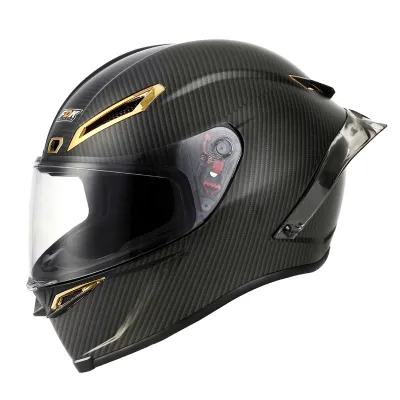
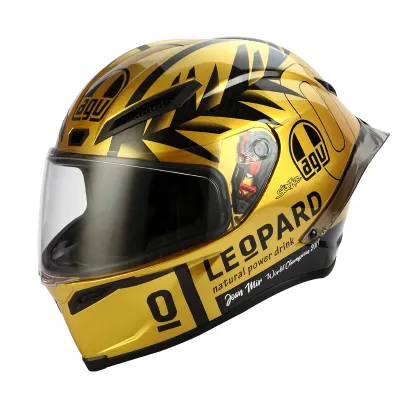
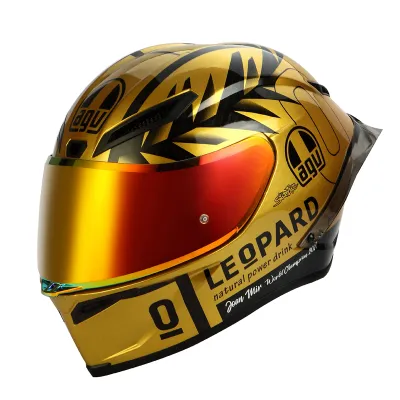
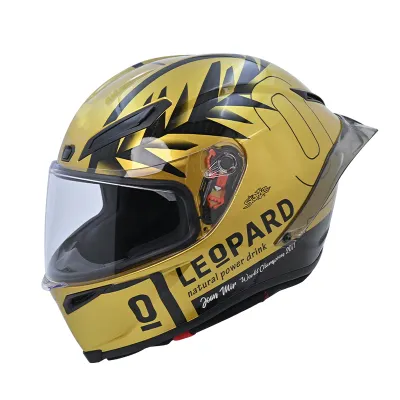
Prices are valid at publication and may change. Please refer to the product page for the latest price.
Safety verification is the most critical step when purchasing any helmet. In the Philippines, all protective headgear must carry official certification marks to prove they meet rigorous safety standards. Look for the Import Commodity Clearance (ICC) sticker or the Philippine Standard (PS) mark, which are typically affixed to the rear of the helmet shell. Additionally, reputable helmets often carry international certifications such as the European ECE 22.05 or 22.06 standard, or the American DOT standard, which are printed directly on the outer shell or sewn into the retention strap.
Beyond external stickers, you should inspect the physical construction of the helmet by reviewing the manufacturer’s specification sheet. Pay close attention to the shell material, which is usually made of ABS plastic, polycarbonate, or advanced composite fibers. The inner liner must consist of high-density expanded polystyrene (EPS) designed to absorb and disperse impact energy. Checking these specifications ensures that the helmet is built to withstand real-world forces rather than just meeting the bare minimum aesthetic requirements.
Entry-Level FDK Helmets: Navigating Tight Budgets for Daily Commutes
Entry-level helmets typically occupy the price bracket ranging from approximately ₱1,000 to ₱2,000. This tier is primarily designed for budget-conscious riders, daily city commuters traveling at moderate speeds, and those seeking a reliable secondary helmet for pillion passengers. While these models are highly affordable, they must still carry the necessary safety certifications to ensure they provide adequate protection during low-speed incidents.

When evaluating entry-level options, focus on essential comfort and usability features that make daily commuting manageable. Look for models that offer basic ventilation ports on the chin and forehead to help manage heat and humidity. A standard clear, scratch-resistant visor is crucial for maintaining clear visibility during night rides or sudden rain showers. Additionally, prioritize models with removable and washable inner liners, as tropical sweat and oil buildup can quickly lead to hygiene issues if the padding cannot be cleaned regularly.
To keep manufacturing costs low, entry-level helmets involve certain trade-offs that you must consider. These models typically utilize heavier thermoplastic or basic ABS plastic shells, which can result in a heavier overall weight and potential neck fatigue during extended rides. The visor mechanisms are often simpler, lacking quick-release functionality, and the aerodynamic profiling is minimal, which can lead to increased wind noise and buffeting at speeds above 60 kilometers per hour. If your daily route consists entirely of short, low-speed city trips, these trade-offs are generally acceptable.
Mid-Range FDK Helmets: Balancing Comfort and Price for Mixed Riding
For riders with a moderate budget, the mid-range tier generally spans from ₱2,000 to ₱4,000. This category is highly popular among mixed-use riders who split their time between congested city streets and faster provincial roads. At this price point, manufacturers introduce significant upgrades in materials, aerodynamics, and rider convenience features without reaching premium price levels.
One of the most notable upgrades in mid-tier helmets is the inclusion of a dual-visor system. This configuration features an outer clear visor for wind and rain protection, alongside an integrated, drop-down inner sun shield that can be deployed with a external lever to combat intense daytime glare. Ventilation systems are also more sophisticated, utilizing multiple intake and exhaust vents that create a venturi effect to actively pull hot air out of the helmet, keeping your head cooler in heavy traffic.
When browsing mid-range specifications, check for compatibility with modern riding accessories. Many mid-tier models feature dedicated speaker pockets molded into the EPS liner, making it much easier to install Bluetooth communication systems without causing painful pressure points against your ears. Additionally, look for specialized eyewear channels in the cheek pads, which allow riders who wear prescription glasses or sunglasses to slide them on easily without distorting the fit of the helmet.
Premium FDK Helmets: Investing in Advanced Features for Touring
Premium helmets generally start above ₱4,000 and are engineered for long-distance touring, high-speed highway riding, and riders who demand the highest levels of comfort and noise reduction. This tier focuses on advanced material science and precision engineering to minimize physical fatigue during hours of continuous riding.
At this level, the outer shells are often constructed from lightweight polycarbonate blends or composite fiberglass, which significantly reduces the overall weight of the helmet while maintaining high structural integrity. The inner EPS liner is typically multi-density, meaning different areas of the liner are optimized to absorb different levels of impact force. Furthermore, premium models feature highly refined aerodynamic shapes developed to slice through the air, reducing neck strain and minimizing wind turbulence and whistling inside the helmet.
When investing in a premium helmet, you should also verify the quality of the peripheral components and after-sales support. Look for toolless, quick-release visor mechanisms that allow you to swap visors in seconds, as well as high-quality optical class 1 visors that prevent visual distortion. Ensure that the manufacturer or authorized distributor offers a comprehensive warranty and maintains a steady stock of replacement parts, such as spare visors, breath guards, and replacement cheek pads, to protect your long-term investment.
How to Verify Authenticity, Fit, and Purchase Channels
To ensure your safety and get the full value of your budget, you must purchase your helmet through authorized channels. Counterfeit helmets are a significant hazard on the road, as they often use cheap, brittle plastics and low-grade foam that fail completely during an impact. Always buy from official brand flagship stores, authorized physical dealerships, or highly rated sellers on reputable online marketplaces who can provide official receipts and warranty cards.
Finding the correct fit is just as important as choosing the right model, as an ill-fitting helmet cannot protect you properly. To determine your size, wrap a flexible measuring tape around the widest part of your head, approximately 2.5 centimeters above your eyebrows and ears. Compare this measurement to the manufacturer’s official sizing chart. When you try the helmet on, it should feel snug against your cheeks and forehead without causing sharp pain or pressure points. Perform the “roll-off” test: fasten the chin strap securely and try to pull the helmet off from the back; if it slides off your head, the fit is too loose.
Upon receiving your helmet, perform a thorough physical inspection before taking it out on the road. Check the outer shell for any hairline cracks, deep scratches, or manufacturing defects. Press firmly on the inner EPS liner to ensure it is rigid and does not feel soft or spongy. Test the visor mechanism by opening and closing it multiple times; it should lock securely into place and form a tight seal against the rubber eyeport gasket to prevent rainwater from leaking inside. Finally, operate the retention system—whether a micrometric quick-release buckle or a double D-ring—to ensure it locks smoothly and holds firmly under tension.
Frequently Asked Questions (FAQ)
Is an FDK helmet suitable for highway riding?
Yes, provided you select a model that is specifically designed for high-speed use. For highway riding, you should choose a full-face helmet that carries recognized safety certifications such as ECE or the local ICC mark. Full-face models offer the necessary structural integrity and chin protection required at higher speeds. Additionally, verify that the specific model features aerodynamic stability to prevent buffeting and a tightly sealing visor to block out high-speed wind, dust, and debris.
When should I replace my FDK helmet?
As a general industry standard, you should replace your motorcycle helmet every five years from the date of purchase, or sooner if the manufacturer specifies. Over time, exposure to sweat, hair oils, UV rays, and temperature fluctuations will naturally degrade the protective EPS liner and outer shell. Crucially, you must replace your helmet immediately after any significant impact or drop, even if there is no visible damage on the outside, as the internal safety liner is designed to compress only once to absorb impact energy.

Community discussion
Share your experience or ask a question. Comments are reviewed before publication.