
Finding the correct ignition coil for your Toyota Avanza requires matching the component to your vehicle’s exact engine model, production year, and generation. Because the Avanza has utilized several different engines across its production history—ranging from the early K3-VE and 3SZ-VE powerplants to the modern Dual VVT-i 1NR-VE and 2NR-VE units—there is no single “universal” coil that fits every model. Selecting the wrong part can lead to immediate engine misfires, poor fuel economy, or even severe damage to your vehicle’s engine control unit (ECU). To make an informed decision, you must prioritize verifying the original equipment manufacturer (OEM) part number, understanding the trade-offs between genuine Toyota parts and aftermarket alternatives, and recognizing how the tropical climate of the Philippines affects electrical component longevity.
How to Find the Exact Ignition Coil Part Number for Your Avanza
To ensure a perfect fit, the most reliable method is to locate the unique 10-digit OEM part number stamped directly onto your existing ignition coils. You can access these coils by removing the plastic engine cover (if equipped) and looking at the top of the cylinder head where the coils insert into the spark plug wells. Each coil is secured by a small bolt and connected to the engine wiring harness. Wipe away any accumulated dust or engine oil from the top of the coil casing to reveal the printed or engraved part number, which typically follows a standard Toyota format such as 90919-T2005 or similar sequences. Always verify this number against your specific vehicle documentation before purchasing.
If the number on the physical coil is illegible due to age or heat degradation, you can find the correct specification by consulting your owner’s manual or contacting an authorized Toyota dealership with your Vehicle Identification Number (VIN). The VIN provides a direct link to your vehicle’s build sheet, ensuring you receive the exact part specification designed for your engine’s electrical resistance and voltage requirements.
Products mentioned in this guide
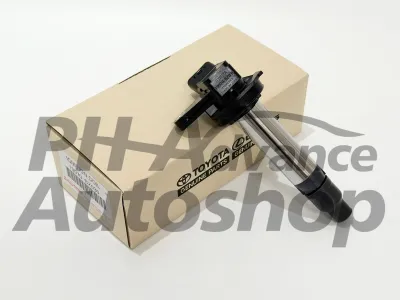
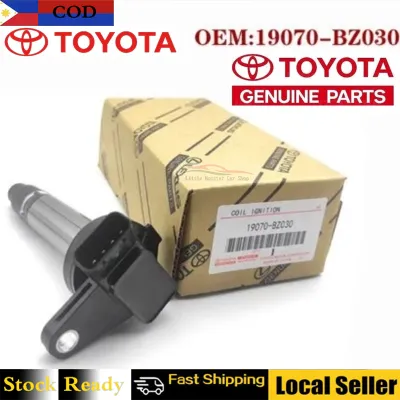
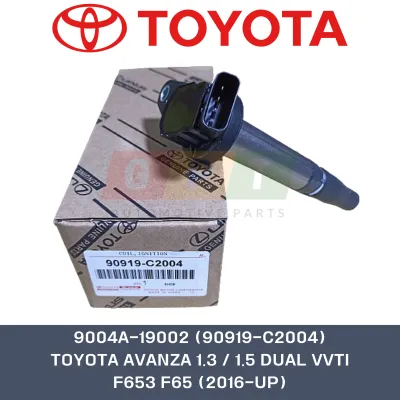
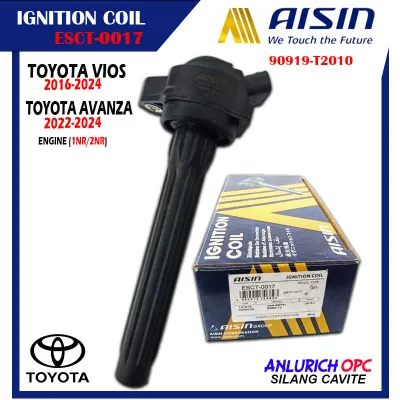
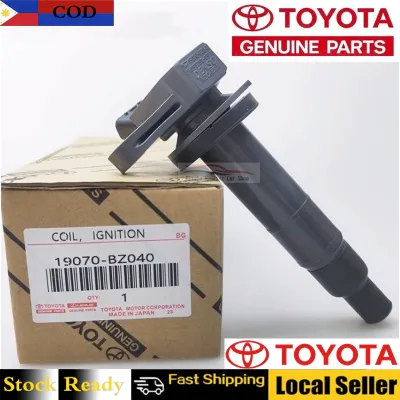
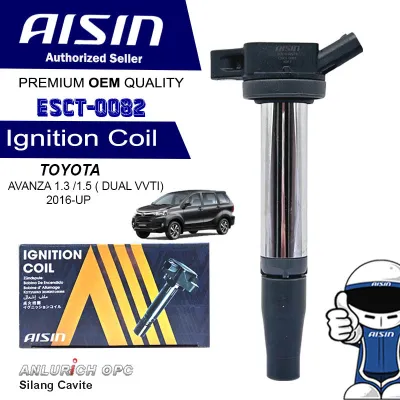
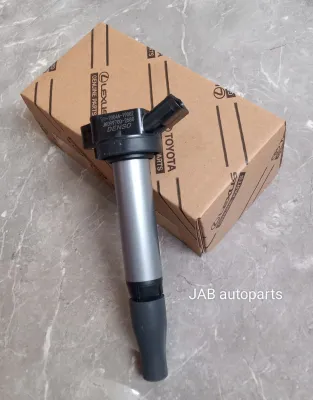
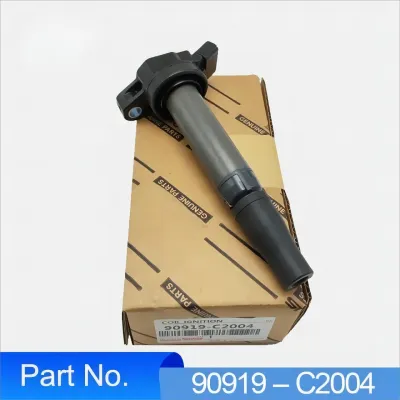
Prices are valid at publication and may change. Please refer to the product page for the latest price.
Understanding the differences between Avanza generations is crucial because the ignition systems evolved significantly over time. First-generation models (2003–2011) equipped with the 1.3-liter K3-VE or 1.5-liter 3SZ-VE engines use different coil shapes and connector configurations compared to second-generation models (2011–2021) featuring the 1NR-VE or 2NR-VE Dual VVT-i engines. The third-generation Avanza (2021–present) introduced further refinements to the engine management system, meaning coils from older models are physically and electrically incompatible.
Relying solely on general model names or visual similarities when browsing online marketplaces is highly risky. Even if two ignition coils look identical in product photos, they may have different internal resistance values, pin counts in the electrical connector (such as three-pin versus four-pin configurations), or mounting bolt offsets. Installing a coil with incorrect electrical properties can overload the wiring harness or fail to deliver a strong enough spark to ignite the fuel mixture properly.
OEM vs. Aftermarket Ignition Coils: Which Option Fits Your Needs?
Choosing between genuine Toyota OEM ignition coils and aftermarket alternatives is a balance of upfront cost, expected service life, and warranty protection. Genuine Toyota coils, often manufactured by original suppliers like Denso, are engineered specifically to withstand the high under-hood temperatures common in stop-and-go traffic. These parts offer the highest level of compatibility and reliability, ensuring that the internal copper windings and insulation materials meet strict factory standards. While they generally carry a higher price tag—often ranging from ₱3,000 to ₱5,000 per coil depending on the dealer—they provide peace of mind and are typically backed by a manufacturer warranty when installed by an authorized service center.

If you are looking for a more budget-friendly option, reputable aftermarket brands offer a viable alternative. When evaluating aftermarket manufacturers, look for established brands that specialize in automotive electrical systems and comply with international quality standards such as ISO/TS 16949. Reputable aftermarket options often provide comparable performance to OEM parts at a lower price point, but you must carefully verify their warranty terms and read verified customer feedback to ensure long-term durability.
Conversely, purchasing unbranded, counterfeit, or excessively cheap ignition coils from unverified online sellers poses significant mechanical and financial risks. Low-quality coils often use inferior copper wire with fewer winds, weak magnets, or substandard plastic housings that crack under thermal stress. These defects can cause electrical shorts, sending voltage spikes back through the wiring harness directly into the engine control unit (ECU). Replacing a damaged ECU is far more expensive than investing in quality ignition components from the start. Furthermore, weak spark delivery from cheap coils leads to incomplete combustion, which can quickly ruin your catalytic converter.
Signs Your Toyota Avanza Needs an Ignition Coil Replacement
Recognizing the early warning signs of a failing ignition coil can prevent minor driveability issues from turning into costly engine repairs. One of the most common symptoms is a distinct engine misfire, which feels like a sudden hesitation, jerking, or loss of power during acceleration. This occurs because the failing coil cannot deliver the high-voltage spark required to ignite the compressed air-fuel mixture in its designated cylinder.
You may also notice a rough, unstable idle when the vehicle is stationary. In the Philippines, this symptom is often amplified when the air conditioning system is running, as the extra load on the engine makes it harder to maintain a smooth idle on three functioning cylinders. Other common indicators include a sudden drop in fuel efficiency, difficulty starting the engine, and the illumination of the check engine light on your dashboard. If you have access to an OBD-II diagnostic scanner, you can retrieve specific trouble codes such as P0300 (random/multiple cylinder misfire) or codes ranging from P0301 to P0304, which pinpoint the exact cylinder experiencing the misfire.
It is important to differentiate ignition coil failure from other common ignition or fuel system issues. Worn-out spark plugs, clogged fuel injectors, or vacuum leaks can produce very similar symptoms. A simple way to diagnose a suspected coil is to swap it with a functioning coil from an adjacent cylinder; if the misfire code moves to the new cylinder, the coil is definitely at fault.
For your safety, it is critical to understand when it is no longer safe to drive your Avanza. If your check engine light begins flashing rapidly, this indicates a severe, active misfire that is sending raw, unburned fuel directly into the exhaust system. Operating the vehicle under these conditions can cause the catalytic converter to overheat rapidly, creating a potential fire hazard and destroying expensive emissions components. If the light flashes, pull over safely and seek professional assistance immediately.
What to Verify Before Buying and Installing a Replacement Coil
Before finalizing your purchase, go through a strict verification checklist to ensure the replacement ignition coil is correct for your Avanza. Double-check that the seller’s listed part number matches your verified OEM number exactly. Pay close attention to the electrical connector port; count the pins inside the socket and compare their layout to your old coil. Even a minor difference in the plastic locking tab position will prevent the wiring harness from clicking securely into place.
Additionally, review the retailer’s return and warranty policies in detail. Because electrical components can be easily damaged by improper installation or existing vehicle wiring faults, many auto parts stores and online sellers enforce a strict “no returns on electrical items” policy once the package has been opened or the part has been mounted. Ensure you are buying from a seller that offers a clear warranty against manufacturing defects.
When you are ready to install the new coil, prioritize safety by following proper automotive electrical procedures. Always disconnect the negative battery terminal before touching any ignition components to eliminate the risk of electrical shock or short circuits. Allow the engine to cool completely to avoid burns from hot cylinder head components.
As you remove the old coil, inspect the electrical connector and wiring harness carefully. The intense heat and humidity in tropical climates can cause the plastic connectors to become extremely brittle over time, making them prone to cracking when you release the locking tabs. If the connector is damaged, it must be replaced to ensure a tight, weather-resistant seal. Finally, when installing the new coil, use a torque wrench to tighten the mounting bolt to the manufacturer’s exact specifications found in your service manual. Over-tightening can strip the threads in the aluminum cylinder head, while under-tightening can cause the coil to vibrate loose, leading to intermittent electrical contact. If you are uncomfortable working with high-voltage electrical systems or lack the necessary tools, always have the replacement performed by a qualified automotive technician.
Frequently Asked Questions (FAQ)
Should I replace all ignition coils at once or just the faulty one?
Whether you should replace all ignition coils simultaneously depends largely on your Avanza’s mileage and maintenance history. If your vehicle has high mileage and the coils are the original factory units, they have all been subjected to the same amount of thermal stress and operating hours. In this scenario, replacing the entire set of four is highly recommended, as the remaining older coils are likely to fail in rapid succession, leading to repeated diagnostic fees and inconvenience. However, if your vehicle has relatively low mileage or a single coil failed prematurely due to localized moisture or physical damage, replacing only the faulty unit is a practical and cost-effective solution.
Can a bad ignition coil damage my Avanza's catalytic converter?
Yes, a failing ignition coil can cause severe and expensive damage to your Avanza’s catalytic converter. When an ignition coil fails to fire, the air-fuel mixture in that cylinder remains unburned. This raw fuel is pushed out of the cylinder during the exhaust stroke and travels directly into the hot exhaust system. Once inside the catalytic converter, the raw fuel ignites on the superheated internal catalyst elements, causing temperatures to spike far beyond normal operating limits. This extreme heat can melt the ceramic honeycomb structure inside the converter, completely blocking exhaust flow and requiring a costly replacement of the entire catalytic assembly.

Community discussion
Share your experience or ask a question. Comments are reviewed before publication.