
Finding the right JPX half-face helmet for your daily commute in the Philippines requires balancing your personal budget with non-negotiable safety standards. While a half-face helmet offers excellent ventilation and convenience for navigating congested city streets in tropical heat, not all models are created equal. To make an informed purchase, you must evaluate certified safety labels, understand what features are available at different price points, and verify the authenticity of the product before finalizing your transaction. This guide provides a practical decision framework to help you select a helmet that protects your head without overstretching your wallet.
Establishing Your Budget and Safety Baseline
Before browsing online marketplaces or visiting physical motorcycle accessory shops, you must establish a clear financial boundary that does not compromise your physical safety. A helmet is your primary line of defense on the road, meaning that the lowest price tag should never be the sole deciding factor. In the Philippines, any helmet used on public roads must comply with national safety standards, which are verified by the presence of an official Import Commodity Clearance (ICC) sticker or a Philippine Standard (PS) mark. These certifications indicate that the helmet has undergone rigorous impact, penetration, and retention system testing to ensure it can withstand real-world crash forces.
When setting your budget in ₱, categorize your limits into realistic ranges. A basic, certified helmet will protect your head just as effectively in a standard impact as a premium model, but it may lack the convenience features that make daily riding more comfortable. You must also account for hidden costs that often arise after the initial purchase. For instance, buying from an online marketplace may incur significant shipping fees depending on your location. Additionally, you might need to purchase a replacement clear visor if the helmet only comes with a dark smoke option, or invest in an anti-fog insert to maintain visibility during sudden afternoon downpours in high-humidity environments. Factoring these extra expenses into your initial budget prevents unexpected financial strain.
Products mentioned in this guide
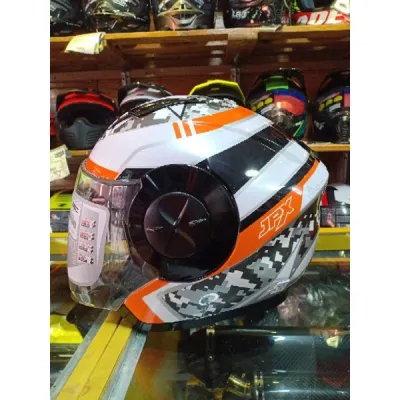
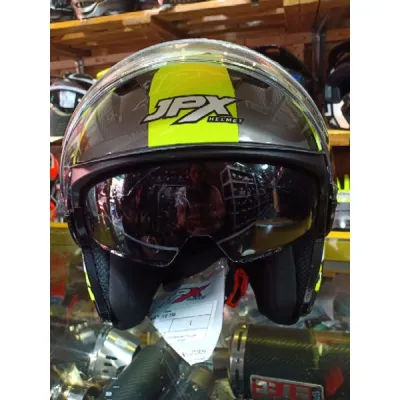
Prices are valid at publication and may change. Please refer to the product page for the latest price.
What to Expect at Different Price Tiers
Understanding what features are standard at various price points allows you to manage your expectations and identify the best value for your money. At the entry-level tier, helmets typically feature a shell constructed from basic ABS thermoplastic. While this material is highly impact-resistant and durable, it tends to be heavier than advanced composites. Entry-level models generally come with a single, standard clear visor and basic, non-removable comfort padding. While these helmets meet all mandatory safety certifications, you must inspect the safety labels closely, as budget-friendly price points are highly targeted by counterfeit manufacturers producing substandard replicas.

Moving up to the mid-range tier introduces significant upgrades in comfort and usability. In this bracket, you can expect shells made from refined polycarbonate blends, which offer a better strength-to-weight ratio. One of the most critical upgrades in this tier is the inclusion of fully removable, washable, and moisture-wicking inner liners. For riders facing the intense heat and humidity of the Philippines, the ability to wash sweat and road grime out of the helmet padding is essential for maintaining hygiene and preventing odors. Mid-range helmets also feature more sophisticated multi-port ventilation systems, allowing better airflow over the scalp, and smoother visor ratchet mechanisms that hold the shield securely in multiple positions.
At the premium tier, the focus shifts to advanced aerodynamics, lightweight materials, and integrated convenience features. Premium half-face helmets often utilize lightweight composite shells that significantly reduce neck fatigue during long rides. These models frequently feature integrated dual-visor systems, which include a drop-down inner sun shield that can be deployed with an external lever—a lifesaver when riding directly into the glare of the afternoon sun. The interior padding is crafted from premium, antimicrobial fabrics that dry quickly and resist bacteria. Even when purchasing at this high-end tier, you must remain vigilant and verify that the premium features are backed by authentic international certifications, such as ECE or DOT labels, rather than superficial aesthetic enhancements.
Key Features to Evaluate Before Checkout
To ensure your chosen JPX half-face helmet matches your specific daily commuting needs, you must evaluate several practical features before completing your purchase. The visor is your primary window to the road, making its quality paramount. Look for shields that offer built-in scratch resistance and UV protection to shield your eyes from harmful solar radiation. If you frequently ride in changing light conditions, such as transitioning from bright daylight to unlit provincial roads at night, consider how easy the visor is to replace. A tool-less, quick-release visor mechanism allows you to swap shields in seconds without needing specialized tools.
Fit and comfort are equally critical, as an ill-fitting helmet can cause severe headaches, distraction, and reduced protection during an impact. Always consult the manufacturer’s official sizing chart and measure your head circumference accurately using a flexible tape measure. Keep in mind that different helmet models may cater to different head shapes, such as intermediate oval or round oval. When you try on the helmet, the cheek pads should feel snug against your face without pinching your jaw, and there should be no painful pressure points on your forehead or the back of your head. Over time, the inner foam will compress slightly to conform to your unique facial structure.
Weight and balance play a massive role in rider fatigue, especially when navigating heavy traffic gridlocks in major urban centers. A poorly balanced helmet can feel much heavier than its actual weight, putting unnecessary strain on your neck and shoulder muscles. When evaluating a half-face helmet, look for a design that distributes weight evenly across your head. While half-face helmets are naturally lighter than full-face models due to the absence of a chin bar, ensuring that the remaining structure is aerodynamically balanced will prevent the wind from pulling or lifting the helmet at higher speeds.
Avoiding Counterfeits and Quality Traps
The popularity of reputable helmet brands has unfortunately led to a rise in counterfeit products on various online marketplaces. To protect yourself from purchasing a dangerous imitation, you must adopt a strict verification process. Start by inspecting the seller’s credentials on your chosen e-commerce platform. Prioritize official brand stores, authorized dealer outlets, or sellers with high positive feedback ratings and established histories. Avoid listings with suspiciously low prices that seem too good to be true, as these are almost always counterfeit products that lack real protective capabilities.
When examining product listings, dive deep into the customer reviews section. Look specifically for reviews that include detailed photos and videos of the actual product received by other buyers. Inspect the physical details shown in these images: look for clean, even stitching on the chin strap, a well-aligned EPS foam liner inside the shell, and high-quality paint and decal finishes. Counterfeit helmets often exhibit sloppy glue lines, loose padding, and cheap plastic components that feel brittle to the touch.
Furthermore, pay close attention to the safety certification stickers. Authentic ICC and PS stickers in the Philippines feature unique serial numbers, holographic patterns, or specific security cuts that make them difficult to peel off and transfer to other helmets. If a seller cannot provide clear photos of these safety marks, or if the stickers appear to be simple printed decals, do not proceed with the purchase. Finally, always verify the seller’s return and warranty policies. A reputable dealer will offer a clear, hassle-free return window, allowing you to inspect the helmet in person and return it if you detect any quality issues or fit discrepancies.
Finalizing Your Purchase Decision
Making your final decision requires a careful synthesis of your budget, desired features, and safety verifications. Weigh the trade-offs of each option carefully. If your budget limits you to an entry-level model, accept that you may miss out on premium conveniences like integrated sun visors or ultra-lightweight materials, but take comfort in knowing that a certified, authentic helmet will still provide excellent impact protection. Never compromise on safety certifications just to acquire a helmet with more aesthetic features or a lower price tag.
If the specific model you want is slightly beyond your current budget, consider the benefits of waiting. E-commerce platforms and physical retail stores frequently host verified promotional events, seasonal sales, or holiday discounts that can bring mid-range or premium models into your price range. While waiting requires patience, it ensures you get the exact features you need without overspending. Once you are ready to buy, calculate the complete checkout cost, including shipping fees, taxes, and any immediate accessories. Confirming this total ensures your purchase remains entirely within your planned financial boundaries.
Frequently Asked Questions (FAQ)
Are JPX half-face helmets legal for highway riding in the Philippines?
Yes, JPX half-face helmets are legal for road use in the Philippines, provided they carry the official Import Commodity Clearance (ICC) sticker or Philippine Standard (PS) mark required by Republic Act No. 10054. However, for high-speed expressways, local traffic regulations and tollway authorities may enforce specific rules regarding helmet types and engine displacements. Always check the latest guidelines from the Land Transportation Office (LTO) to ensure your gear complies with the specific requirements of the routes you plan to travel.
How do I know if a JPX helmet is the right size for my head shape?
To find the correct size, wrap a flexible measuring tape around the widest part of your head, approximately 2.5 centimeters above your eyebrows and ears. Compare this measurement to the official JPX sizing chart to identify your size. When you put the helmet on, it should fit snugly without causing painful pressure points on your forehead or temples. Shake your head gently from side to side; if the helmet rotates or slides independently of your skin, it is too large and will not protect you properly in an accident.
Can I replace the visor on an entry-level JPX half-face helmet?
Most entry-level JPX half-face helmets support visor replacement, allowing you to swap out damaged shields or change to a different tint. However, you must verify the specific mounting mechanism used on your exact model, as visor attachment systems can vary. Always purchase authentic, model-specific replacement visors from authorized dealers to ensure a secure fit and maintain the structural integrity and optical clarity of your helmet’s eye protection.

Community discussion
Share your experience or ask a question. Comments are reviewed before publication.