
Protecting your motorcycle from the elements is one of the most effective ways to preserve its appearance, mechanical integrity, and resale value. In the Philippines, where motorcycles serve as essential daily commuters, finding the right motor cover requires a careful balance of material selection, precise sizing, and an understanding of your local environment. Whether you park your bike in an open driveway or inside a shared garage, a high-quality cover acts as a vital shield against damage.
Choosing the right cover involves evaluating your specific parking conditions, understanding the differences between fabrics like polyester and Oxford cloth, and deciding between a convenient ready-made option or a custom-sewn alternative. By taking accurate measurements of your motorcycle—including any aftermarket modifications like top boxes—you can ensure a secure fit that will not blow away during sudden tropical storms. This guide will walk you through the essential factors to consider so you can select a motor cover that offers lasting protection.
Assessing Your Parking and Protection Needs
The first step in choosing a motor cover is evaluating where your motorcycle spends most of its time. Parking conditions dictate the level of protection your bike requires, as indoor and outdoor environments present entirely different hazards.
Products mentioned in this guide
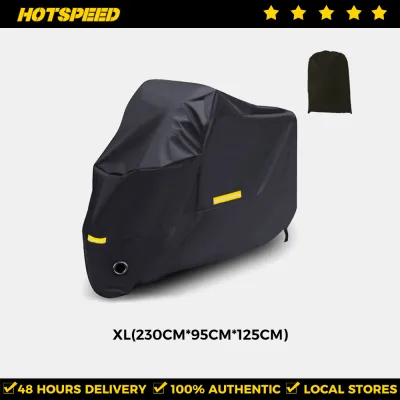
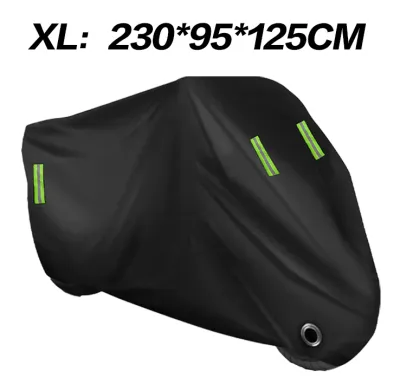
Prices are valid at publication and may change. Please refer to the product page for the latest price.
For riders who must park outdoors, the tropical climate of the Philippines presents severe challenges. Throughout the year, outdoor parking exposes your motorcycle to intense ultraviolet (UV) radiation, which can rapidly fade paint, crack plastic fairings, and degrade rubber seats. During the monsoon season, heavy rains and high humidity create a breeding ground for rust and corrosion on exposed metal components. If you live in coastal areas, the salt-laden air accelerates this corrosive process, making a robust, weather-resistant cover an absolute necessity.
Beyond weather, outdoor parking exposes your motorcycle to environmental hazards like tree sap, bird droppings, and falling debris, which can chemically bond with your bike’s clear coat. In urban areas, airborne dust, industrial soot, and acid rain can accumulate on the surface, gradually dulling the finish. A heavy-duty, weather-resistant outdoor cover acts as a physical barrier against these contaminants, keeping your motorcycle clean and dry.
Conversely, indoor parking in a garage or carport requires a different protection strategy. While indoor spaces shield your bike from rain and direct sunlight, they are still prone to dust accumulation, ambient moisture, and accidental scratches from foot traffic. An outdoor cover made of heavy, non-breathable material might trap humidity in an indoor setting, leading to condensation on metal parts. For indoor storage, a lightweight, highly breathable cover designed primarily for dust protection is often the most suitable choice.
Comparing Motor Cover Materials and Key Features
Understanding the characteristics of different cover fabrics is crucial for matching a product to your specific protection needs. The most common materials used for motor covers are polyester, Oxford cloth, and heavy-duty tarpaulin, each offering distinct advantages and trade-offs.

Polyester is a lightweight and highly affordable option, making it popular for budget-conscious riders. It is easy to fold, store, and carry in a backpack or under-seat compartment. However, standard polyester covers tend to be thin and may degrade quickly under continuous exposure to intense tropical sunlight unless they are treated with specific UV-resistant coatings. They are best suited for indoor use or temporary outdoor protection.
Oxford cloth is a more durable woven fabric that offers an excellent balance of strength, water resistance, and breathability. Often rated by denier (such as 190T, 210D, or 300D), a higher number indicates a thicker, more tear-resistant weave. Oxford cloth covers are highly resilient against wind, rain, and UV rays, making them the preferred choice for long-term outdoor parking. Many high-quality Oxford covers feature a polyurethane (PU) or polyvinyl chloride (PVC) inner coating to enhance waterproofing.
Tarpaulin, commonly known locally as “trapal,” is an extremely heavy-duty, completely waterproof material. While it provides absolute protection against heavy downpours, tarpaulin is stiff, bulky, and lacks breathability. If applied to a damp motorcycle or used in highly humid conditions, a tarpaulin cover can trap moisture underneath, creating a greenhouse effect that accelerates rust on the frame, chain, and fasteners.
When comparing covers, always check manufacturer labels and product specifications for essential protective treatments. Look for verified UV-resistant coatings to protect your bike’s paint from sun damage. Heat-resistant panels are another critical feature; these are specialized fabric sections sewn into the lower rear portion of the cover to prevent the material from melting if it accidentally touches a warm exhaust pipe. Additionally, a soft inner lining, such as fleece or brushed cotton, is highly recommended to prevent the cover from scratching delicate fairings and windshields.
Structural design features also play a major role in performance. Look for elasticized front and rear hems that hug the tires, ensuring a snug fit. Wind straps or adjustable buckles that clip underneath the chassis are essential for keeping the cover secure during strong winds or typhoons. Built-in mirror pockets help the cover sit naturally over the handlebars, while reinforced lock holes near the front wheel allow you to secure your motorcycle with a disc lock or chain lock directly through the cover, deterring theft.
Getting the Right Size and Fit for Your Motorcycle
A motor cover can only protect your motorcycle if it fits correctly. A cover that is too small will leave vital components exposed to the elements, while an oversized cover will flap excessively in the wind, potentially scratching your paint or acting like a sail that could tip your bike over.
To find the perfect fit, avoid relying solely on generic size categories like Medium or Extra Large. Instead, take physical measurements of your motorcycle using a flexible measuring tape. Measure the total length from the front edge of the front tire to the rearmost point of the rear fender. Measure the width across the handlebars or side mirrors, and measure the height from the ground to the highest point of the bike, usually the top of the mirrors or windshield.
It is essential to account for any aftermarket accessories installed on your motorcycle. If you have a top box, side panniers, crash guards, a tall touring windshield, or extended side mirrors, these modifications will significantly alter your bike’s dimensions. A standard cover designed for a stock scooter will not fit properly if a 45-liter utility box is mounted on the rear rack. Many manufacturers offer specialized covers with extended rear sections specifically designed to accommodate top boxes, so be sure to select a model that matches your bike’s configuration.
When evaluating the fit, pay close attention to ground clearance and ventilation. The cover should drape low enough to protect the wheels and brake discs, but it should not rest completely flat on the ground. Leaving a gap of a few inches at the bottom allows air to circulate freely under the cover. This ventilation is crucial in the humid Philippine climate, as it prevents moisture from rising from the damp ground and becoming trapped inside, which can lead to mold, mildew, and corrosion.
Ready-Made vs. Custom Sewn Motor Covers
When shopping for a motor cover, you will generally choose between ready-made universal covers and custom-sewn options tailored to your specific motorcycle.
Ready-made universal covers are widely available on e-commerce platforms and in local motorcycle accessory shops. These covers are mass-produced to fit general categories of motorcycles, such as underbones, scooters, or sportbikes. The primary advantages of ready-made covers are convenience and affordability. Prices typically range from ₱200 to ₱800, making them an accessible option for riders seeking immediate, budget-friendly protection. However, because they are designed to fit a wide range of models, they often fit loosely on some bikes and tightly on others, which can compromise wind resistance and overall durability.
For riders seeking a perfect fit, exploring a custom-sewn approach—often referred to as a “just sew it” motor cover—is an excellent alternative. Custom covers are individually tailored to the exact make, model, and specific modifications of your motorcycle. This approach is highly beneficial for heavily customized bikes, classic motorcycles, adventure bikes with bulky luggage setups, or unique configurations like sidecars. A custom-sewn cover fits snugly around every contour of your bike, eliminating loose fabric that can flap in the wind and reducing the risk of paint abrasion.
Custom-tailored motor covers generally require a higher investment, with prices typically ranging from ₱1,200 to ₱3,500 or more, depending on the fabric quality, size of the motorcycle, and complexity of the design. While more expensive than mass-produced options, the superior fit and durability of a custom cover often provide better long-term value and protection.
If you decide to order a custom-sewn cover, verify several important factors before finalizing your purchase. Request material samples from the maker to assess the thickness, water resistance, and softness of the inner lining. Clarify the expected lead times, as custom fabrication can take anywhere from a few days to several weeks. Confirm who is responsible for taking the measurements; some local shops require you to bring the motorcycle to their workshop, while others provide a detailed measurement template for you to complete. Finally, ask about the shop’s return or alteration policy to ensure they will make adjustments if the cover does not fit perfectly upon delivery.
Pre-Purchase Checklist and Safe Usage Practices
Before making your final decision, performing a few quick checks can save you from purchasing an inadequate product. When shopping on online marketplaces, read customer reviews carefully, paying close attention to feedback regarding fabric weight, actual water resistance, and long-term durability under the sun. Look for photos uploaded by other buyers to see how the cover fits real-world motorcycles similar to yours, and verify that the seller’s sizing chart matches your physical measurements.
Once you have purchased your cover, practicing safe usage is essential to prevent accidental damage to both the cover and your motorcycle. The most critical safety rule is to never apply a cover to a hot motorcycle. The engine block, exhaust pipes, and silencer reach extreme temperatures during operation. Placing a cover—even one with heat-resistant panels—over a hot exhaust can melt the fabric, fuse it to the metal, damage your bike’s finish, or even create a fire hazard. Always allow your motorcycle’s engine and exhaust to cool completely to the touch before putting the cover on.
Proper maintenance of the cover is also vital for protecting your bike’s paint. Over time, dust and road grime accumulate on both the outside and inside of the cover. If you slide a dirty cover onto your bike, those trapped particles act like fine sandpaper, causing micro-scratches on your fairings. Periodically clean your cover by hand-washing it with cool water and a mild, diluted soap. Avoid using harsh detergents or washing machines, which can strip away the waterproof coatings.
After a heavy rain, or after washing the cover, always allow it to air-dry completely before folding and storing it. Packing a wet or damp cover into its carrying bag traps moisture, which quickly leads to the growth of mold, mildew, and unpleasant odors. Store the dry cover in a cool, dry place away from direct sunlight when not in use to prolong its lifespan.
Frequently Asked Questions (FAQ)
Can I use an outdoor motor cover for indoor parking?
While you can use an outdoor cover indoors, it is generally not recommended for long-term storage. Outdoor covers are designed to repel heavy rain, which often makes them less breathable than indoor-specific covers. In an enclosed garage or basement, this lack of airflow can trap ambient humidity underneath the cover, leading to condensation on your motorcycle’s metal parts and accelerating rust. For indoor parking, a lightweight, highly breathable dust cover is a more suitable choice.
How do I clean and dry a wet motor cover?
To clean a wet or dirty motor cover, drape it over a clothesline or your motorcycle and rinse it thoroughly with clean water. For stubborn dirt, use a soft sponge and a mild, diluted soap to gently wipe the surface. Avoid scrubbing aggressively, using stiff brushes, or applying harsh chemical cleaners, as these can damage the waterproof coatings. Once clean, allow the cover to air-dry completely in a shaded, well-ventilated area before folding or storing it.
Will a motor cover scratch my motorcycle's paint?
A clean, properly fitted motor cover will not scratch your motorcycle’s paint. However, if dust, dirt, or road grit accumulates on either the bike or the inner lining of the cover, the friction caused by wind flapping can rub these abrasive particles against the paint, resulting in micro-scratches. To prevent this, ensure your motorcycle is clean before covering it, choose a cover with a soft inner lining, and secure the wind straps tightly to minimize movement.

Community discussion
Share your experience or ask a question. Comments are reviewed before publication.