
Choosing the right motor cover size requires measuring your motorcycle’s overall length, width, and height, accounting for any aftermarket accessories like top boxes or tall windshields, and matching these dimensions against the manufacturer’s specific size chart rather than relying on generic “universal” labels. In the Philippines, where motorcycles are exposed to intense tropical sun, high humidity, sudden torrential downpours, and severe typhoons, a well-fitting cover serves as the primary shield for your investment. A cover that is too loose will flap violently in the wind, while one that is too tight risks tearing and putting damaging pressure on fragile components.
To find the perfect fit, you must understand how your bike’s physical dimensions interact with different cover designs. This guide outlines the risks of poor fitment, details the exact steps to measure your motorcycle, breaks down sizing nuances by motorcycle type, and highlights the essential features that ensure maximum protection in local weather conditions.
Why Proper Motor Cover Fitment Protects Your Bike
Using an improperly sized motor cover exposes your motorcycle to several physical risks that can lead to costly cosmetic and mechanical damage. When a cover is too loose, it acts like a sail during strong winds or typhoons. The loose fabric flaps continuously against the bodywork, turning trapped dust and road grime into an abrasive sandpaper that dulls the paint and scratches the clear coat. Furthermore, excess fabric allows water to pool on flat surfaces like the seat or the top box mount, creating localized high-humidity zones that accelerate rust on metal fasteners and rot the stitching on leather seats.
Products mentioned in this guide
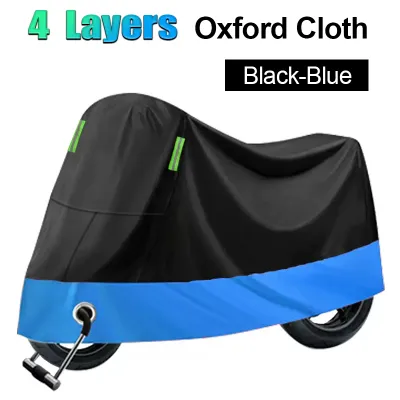
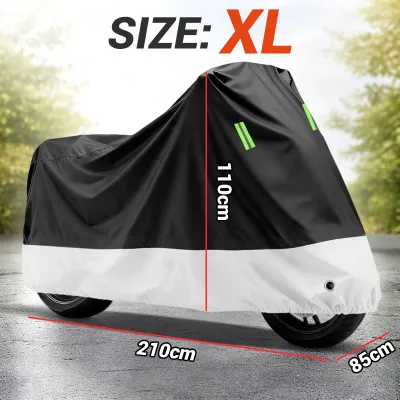
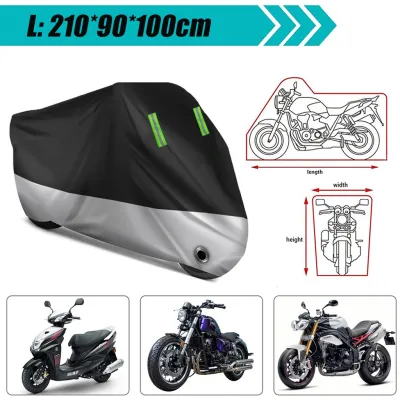
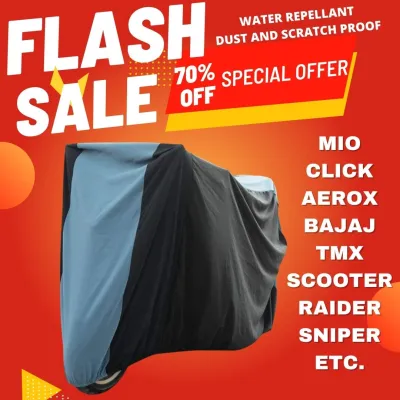
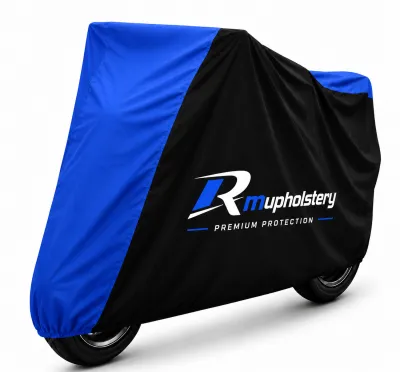
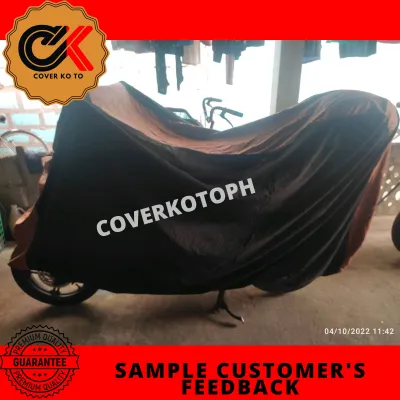
Prices are valid at publication and may change. Please refer to the product page for the latest price.
Conversely, a cover that is too tight presents its own set of structural issues. Forcing a small cover over a large bike stretches the fabric to its absolute limit, placing immense tension on the seams and eventually causing them to split. This tight fitment makes the daily process of putting on and removing the cover a frustrating chore, increasing the likelihood of snagging and tearing the material on sharp edges. More importantly, an overstretched cover exerts constant, mechanical pressure on fragile, protruding components such as side mirrors, brake levers, plastic fairings, and aftermarket windshields, which can warp or snap under the strain.
Proper fitment is also essential for preserving the specialized protective coatings of the cover itself. High-quality covers rely on polyurethane (PU) inner backings for waterproofing and silver coatings for UV reflection. When a cover is stretched tightly over a motorcycle’s sharp corners, these protective layers thin out and degrade rapidly. A snug, natural drape ensures that water sheds off the surface efficiently and UV rays are reflected without compromising the material’s structural integrity.
How to Measure Your Motorcycle for a Custom Fit
To select a cover that fits like a glove, you must obtain accurate physical measurements of your motorcycle rather than relying on standard marketing categories. Use a flexible measuring tape and record three essential dimensions: overall length, overall width, and overall height.

Overall Length Measure from the outermost edge of the front tire to the furthest point at the rear of the motorcycle. This rear point might be the edge of the rear tire, the rear mudguard, the license plate bracket, or an installed top box. Ensure the tape measure is kept parallel to the ground to get a true horizontal reading.
Overall Width Identify the widest part of your motorcycle, which is typically the handlebars from end to end or the outer edges of the side mirrors. Measure horizontally between these two widest points. If you have wide crash guards, engine highway bars, or side panniers installed, measure across those areas as well to ensure the cover can drape over them without restriction.
Overall Height Measure vertically from the flat ground up to the highest point of the motorcycle. Depending on your bike’s design, this highest point could be the top of the side mirrors, the instrument cluster, or the tip of an aftermarket windshield. Do not measure from the footpegs or the seat; the measurement must start from the ground to ensure the cover extends down to protect the wheels and brake discs.
Accounting for Aftermarket Accessories Standard manufacturer size charts are almost always based on stock, factory-spec motorcycles. If you have customized your ride with common upgrades, you must take these into account. A rear top box adds significant length and height to the rear profile, while side panniers or saddlebags increase the width of the tail section. A tall touring windshield will raise the front height significantly. Always measure your motorcycle with all these accessories fully installed to avoid buying a cover that stops halfway down the chassis.
Measuring Posture Always measure your motorcycle in the exact posture you plan to park it. If you park your bike on the center stand, it will stand taller and have a slightly shorter footprint compared to when it rests on the side stand. If you park on the side stand, the bike leans to one side, which increases its effective width and alters how the cover will drape over the handlebars. Consistency in your parking posture ensures that your measurements match the real-world application of the cover.
Checking Brand-Specific Size Charts Once you have your measurements, do not assume a “Medium” or “Large” is consistent across different brands. Sizing standards vary wildly among manufacturers on online marketplaces and official stores. Always compare your physical measurements against the specific brand’s size table. When your bike’s measurements fall near the upper limit of a size bracket, it is generally wise to size up to allow a comfortable buffer for installation and air circulation.
Sizing Guidelines for Different Motorcycle Types
Different categories of motorcycles have distinct chassis shapes that require specific sizing considerations. Understanding these shapes helps you identify where a cover might fit too tightly or sag excessively.
Scooters and Underbones Scooters and underbones, such as the Honda Click, Yamaha Mio, or Yamaha Sniper, are highly popular in the Philippines due to their agility in traffic. These bikes have relatively short wheelbases and compact profiles, but they often feature wide handlebars and bulky rear body panels. When choosing a cover for this category, look for designs that prioritize handlebar width and rear cowl height. If your scooter is equipped with a rear utility box, standard scooter covers will not fit; you must search for covers explicitly labeled as “top box compatible” or scale up by one to two sizes.
Street and Naked Bikes Street and naked motorcycles, like the Yamaha MT-15 or Kawasaki Rouser, feature a longer wheelbase, a raised fuel tank, and a tapering tail section. The front of these bikes is physically taller due to the handlebar assembly and instrument cluster, while the rear is slim and elevated. A suitable cover for a street bike should have a contoured cut—tall and wide at the front, sloping downward toward the rear. This prevents excess fabric from sagging and pooling around the rear swingarm, chain, and sprocket, where it can collect grease and dirt.
Cruisers and Touring Motorcycles Cruisers and touring bikes are long, heavy, and wide. They feature low seats but very high front ends, swept-back handlebars, large crash guards, and integrated luggage systems. Covers designed for these motorcycles must be exceptionally long and wide. They require heavy-duty fabrics, reinforced tie-down points, and wide bottom hems to handle the physical weight of the cover without drooping onto the ground or tearing under their own weight.
Universal vs. Custom-Fit Covers When shopping, you will generally choose between universal adjustable covers and custom-fit covers. Universal covers are highly affordable and widely available on ecommerce platforms. They use elastic hems and adjustable straps to accommodate various bike shapes, making them excellent for indoor garages or temporary outdoor use. Custom-fit or model-specific covers are tailored to the exact lines of a specific motorcycle model. While more expensive, they offer the neatest fit, minimal wind resistance, and targeted reinforcement, making them the superior choice for long-term outdoor parking in areas prone to high winds.
Key Features That Improve Fit and Protection
While matching physical dimensions is the first step, several secondary design features help compensate for minor sizing discrepancies and enhance overall protection in the local tropical climate.
Elastic Hems and Belly Straps High-quality motor covers feature heavy-duty elastic hems sewn into the front and rear bottom edges. These elastic sections pull the cover snug under the tires, preventing dust and pests from entering. Additionally, adjustable belly straps made of heavy-duty nylon webbing with quick-release buckles run underneath the motorcycle frame. These straps lock the cover to the bike, ensuring that even during strong monsoon winds, the cover remains securely anchored and cannot blow away.
Breathability and Ventilation Panels The high humidity of the Philippines poses a constant threat of corrosion and mold. If a cover is completely airtight, moisture from morning dew or wet roads becomes trapped underneath, creating a humid greenhouse effect that accelerates rust on metal parts and damages electrical connectors. Look for covers equipped with built-in air vents, which are typically shielded by downward-facing fabric flaps. These vents allow heat and moisture to escape while preventing rain from entering, keeping the air circulating around your bike.
Heat-Resistant Lower Panels Many premium covers feature specialized heat-resistant panels along the lower inner sections where the hot exhaust pipe and engine reside. These panels are typically made of aluminized cotton or heavy-duty treated polyester designed to withstand high temperatures.
Safety Boundary: Regardless of any heat-resistant claims on the product packaging, always let your engine and exhaust pipe cool down completely before putting the cover on. Placing even a heat-resistant cover on a sizzling hot exhaust can lead to melted fabric, permanent damage to your exhaust chrome or matte finish, or even a severe fire hazard. Allow the bike to cool for at least 15 to 30 minutes until it is cool to the touch.
Reflective Strips and Lock Holes If you park your motorcycle on the street, in a shared driveway, or in a dimly lit garage, high-visibility reflective strips along the front, sides, or rear of the cover are vital. These strips reflect headlight beams, alerting passing vehicles or tricycles and preventing accidental collisions at night. Furthermore, look for covers with integrated lock holes near the front and rear wheels. These holes, reinforced with metal grommets or heavy-duty fabric loops, allow you to pass a disc lock, U-lock, or cable lock through both the cover and the wheel, securing your motorcycle and preventing the cover itself from being stolen.
Common Sizing Mistakes and How to Avoid Them
Avoiding common purchasing and usage mistakes will extend the lifespan of both your motor cover and your motorcycle.
Forgetting the Top Box The most frequent error riders make is purchasing a standard-sized cover without accounting for their rear cargo box. A standard cover will stretch over the top box but will pull the rear of the cover upward, leaving the rear wheel, suspension, chain, and exhaust completely exposed to rain and dust. Always look for covers explicitly designed with an expanded rear compartment for top boxes, or size up significantly to ensure full vertical coverage.
Covering a Hot Motorcycle Beyond the physical risk of melting the cover’s fabric, trapping intense engine heat under a waterproof barrier creates a rapid steam-bath effect. This concentrated humidity can cloud digital instrument clusters, degrade rubber seals, and cause sensitive electronic sensors to malfunction over time. Establish a strict habit of letting your bike cool down completely before covering it.
Ignoring the Inner Lining Cheap, single-layer plastic covers often have a rough, abrasive inner surface. When the wind blows, this rough plastic rubs against your motorcycle’s painted fairings and plastic decals, leaving fine micro-scratches that ruin the paint’s gloss over time. Always check product descriptions to ensure the cover features a soft, non-abrasive inner lining, such as brushed cotton, fleece, or soft polyester, which cushions the paintwork against friction.
Improper Storage Stuffing a wet, dirty cover into a tight storage bag is a recipe for mold, mildew, and material degradation. Moisture trapped inside a folded cover will break down the waterproof PU backing, causing it to peel and flake off. After a rainstorm, shake off excess water and wipe down any dirt. Let the cover dry completely in a shaded area before folding it loosely for storage. Avoid tight, sharp creases, which can weaken the waterproofing membrane over time.
Frequently Asked Questions (FAQ)
Can I use a generic tarp instead of a dedicated motor cover?
Using a generic blue-and-orange utility tarp is not recommended for protecting a motorcycle. Tarps lack the contoured shape of a dedicated cover, making them highly susceptible to catching the wind and blowing away. Their stiff, rough texture can easily scratch your bike’s paintwork, and they lack the soft inner lining found in purpose-built covers. Furthermore, tarps do not have ventilation panels, meaning they will trap moisture underneath, accelerating rust and corrosion on your motorcycle’s metal parts.
How do I clean my motor cover without ruining its waterproof coating?
To clean your motor cover safely, hand wash it using mild soap, cold water, and a soft sponge or microfiber cloth. Gently wipe down the outer and inner surfaces to remove dirt, bird droppings, and road grime. Always check the manufacturer’s care label before cleaning. Never use harsh chemical detergents, bleach, or stiff scrub brushes, and do not machine wash or machine dry the cover, as these actions will strip away the waterproof polyurethane coating and UV-protective layers. Always air dry the cover completely in a shaded area before use or storage.
Will a properly fitted motor cover scratch my motorcycle's paint?
A clean, properly fitted cover with a soft inner lining will not scratch your motorcycle’s paint. However, if you place the cover over a bike that is covered in road dust, sand, or grit, the cover will press these abrasive particles against the paintwork. When the wind blows and moves the cover, these trapped particles act like sandpaper, causing micro-scratches. To prevent this, always wipe down your motorcycle with a quick detailer or a soft cloth to remove loose dust before putting the cover on, and ensure the cover’s inner lining remains clean.

Community discussion
Share your experience or ask a question. Comments are reviewed before publication.