
Upgrading your motorcycle’s exhaust system is one of the most popular ways to customize your ride, but you do not always need a full system overhaul to make an impact. Installing a new pipe tip for motorcycle exhausts offers a practical path to refining your bike’s rear-end aesthetics, altering its acoustic direction, and managing weight. However, selecting the ideal tip involves more than choosing an attractive shape; you must evaluate how different materials and designs perform under local riding conditions.
In the Philippines, environmental factors play a massive role in how aftermarket motorcycle components age. High humidity, coastal salt air, and intense tropical downpours put materials to the ultimate test. A tip that looks pristine in a showroom can quickly succumb to corrosion or thermal degradation if it is not matched to your specific riding environment and exhaust setup. Understanding the technical differences between stainless steel, titanium, and carbon fiber—along with the functional impacts of various cut styles—ensures your upgrade remains durable and safe over thousands of kilometers.
Assess Your Motorcycle's Exhaust System and Riding Style
Before browsing online marketplaces or local specialty shops, you must thoroughly evaluate your motorcycle’s current exhaust configuration. Exhaust systems are engineered with precise tolerances, and adding an incompatible tip can disrupt exhaust gas flow, create clearance issues, or even damage surrounding bodywork. Start by identifying whether your existing muffler features a removable tip or if the entire system is a sealed, single-piece unit.
Products mentioned in this guide
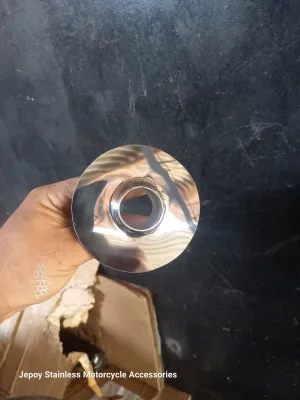

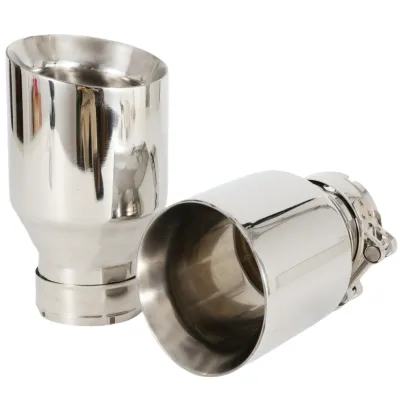
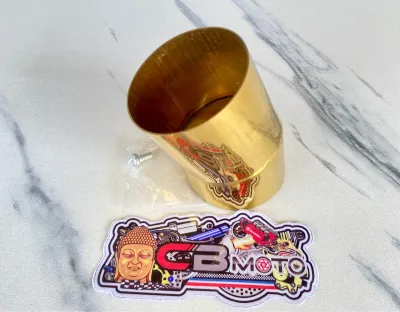
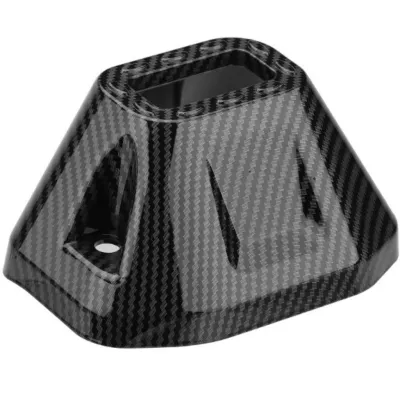
Prices are valid at publication and may change. Please refer to the product page for the latest price.
You must also determine the mounting mechanism required for your specific machine. Common options include clamp-on tips, which slip over the existing tailpipe and secure with a heavy-duty band; bolt-on tips, which secure via pre-drilled threads; and weld-on tips, which require professional fabrication to fuse the metals permanently. If your bike utilizes a complex slip-on muffler or a full aftermarket system, check the manufacturer’s documentation to see if they offer dedicated replacement tips designed specifically for that model.
Defining your primary objective will help narrow down your choices significantly. If your goal is purely aesthetic, a budget-friendly stainless steel tip might suffice. However, if you are looking to shave off every possible gram for track days or spirited riding, lightweight titanium or carbon fiber becomes highly appealing. Always consult your motorcycle’s owner’s manual or the exhaust manufacturer’s technical specifications to verify baseline fitment limits, clearance requirements, and any potential impacts on your engine’s backpressure or warranty.
Compare Exhaust Tip Materials for Your Riding Needs
The material of your exhaust tip dictates its weight, long-term durability, maintenance requirements, and how it handles extreme thermal stress. Because the exhaust gas exiting the engine carries immense heat, the tip must withstand rapid temperature cycles without warping, cracking, or losing its finish.

Stainless Steel: The Standard for Durability
Stainless steel remains the most popular choice for everyday riders due to its exceptional structural strength and balance of cost and performance. Under normal riding conditions, high-quality stainless steel provides excellent resistance to impact damage from road debris and maintains its structural integrity even after years of use. It is a highly robust option for daily commuters who need a reliable, low-maintenance component.
The primary trade-off with stainless steel is its weight. It is significantly heavier than titanium or carbon fiber, making it less suitable for riders who prioritize extreme weight reduction. Additionally, not all stainless steel is created equal. When shopping, always check the product label or manufacturer specifications to verify the specific steel grade. Grade 304 stainless steel contains higher levels of chromium and nickel, offering superior corrosion resistance that is crucial for surviving the humid, rainy climate of the Philippines. Grade 409, while still durable, is more prone to surface discoloration and light rust over time.
Titanium: Lightweight and High-Temperature Tolerance
For riders seeking a premium blend of weight savings and high thermal tolerance, titanium is an outstanding choice. Titanium tips are remarkably light—often weighing up to 40% less than their stainless steel counterparts—while offering comparable tensile strength. This material handles extreme exhaust temperatures effortlessly, making it a favorite for high-performance sportbikes and adventure motorcycles.
One of the most distinct visual characteristics of titanium is its natural heat-discoloration property. As the metal experiences heat cycles, it develops a vibrant blue, purple, and gold oxide layer, which many riders actively seek for a custom, race-inspired look. However, you should verify the manufacturer’s claimed alloy composition, as pure titanium and specialized titanium alloys behave differently under continuous thermal stress. Keep in mind that titanium tips sit at a higher price point, often exceeding several thousand pesos (₱), and require careful handling during installation; applying an anti-seize compound to the mounting threads is essential to prevent galling, a form of material wear caused by friction.
Carbon Fiber: Aggressive Aesthetics and Weight Reduction
Carbon fiber tips offer an aggressive, modern aesthetic characterized by a distinct woven pattern that immediately elevates the visual appeal of sportbikes, naked bikes, and modern scooters. Beyond its striking appearance, carbon fiber is incredibly lightweight, making it the ultimate material for riders focused on minimizing unsprung weight and improving handling dynamics.
Despite these benefits, carbon fiber has specific physical limitations regarding heat. Unlike metals, carbon fiber relies on a polymer resin matrix to hold the carbon weaves in shape. You must check the manufacturer’s maximum temperature limits and resin specifications before purchasing. If a carbon fiber tip is exposed to direct, unshielded exhaust heat beyond its rated threshold, the resin can degrade, turn yellow, delaminate, or lose its structural integrity entirely. To prevent this, verify whether the tip includes an integrated stainless steel or titanium internal heat shield, or if it requires a specific clearance from the hot exhaust core to prevent direct contact with escaping gases.
Evaluate Tip Designs and Cut Styles
The physical shape and cut of your exhaust tip do more than define your motorcycle’s rear profile; they also influence how exhaust sound waves project into the environment and how the tip interacts with daily road hazards.
Slash-Cut vs. Straight-Cut Profiles
The slash-cut profile features an angled end that slices diagonally across the pipe’s exit. This design provides an aggressive, asymmetrical look that aligns beautifully with the angled lines of modern sport and street motorcycles. Beyond aesthetics, a slash-cut tip can subtly alter the perceived exhaust note by directing sound waves outward and downward toward the pavement, which can make the exhaust sound slightly deeper to the rider.
Conversely, straight-cut profiles feature a clean, 90-degree vertical cut at the end of the pipe. This symmetrical design offers a classic, balanced appearance that perfectly complements retro standard motorcycles, cruisers, and vintage builds. It is important to clarify that while these cuts influence the direction of the sound, actual exhaust volume and tone depend heavily on the internal muffler baffling, catalytic converter, and header pipe design, rather than the external tip profile alone.
Rolled, Turned-Out, and Flared Edges
Edge treatments add structural rigidity and visual weight to the end of your exhaust. Rolled edges curve inward or outward to create a thicker, more substantial profile, which can make a smaller-diameter tailpipe appear larger and more aggressive. Turned-out or turned-down tips direct the exhaust gases away from the motorcycle’s bodywork, which is highly beneficial for preventing soot accumulation on your rear fender or turn signals.
Flared edges widen outward at the very tip, offering a classic hot-rod or custom cruiser vibe. From a practical standpoint, rolled and flared edges provide a rounded surface that helps protect the tip’s outer rim from minor impacts, scraping, or boot scuffs when mounting or leaning the motorcycle. These treatments are primarily aesthetic and do not significantly alter exhaust gas flow or engine performance.
Drilled and Perforated Tips
Drilled or perforated tips feature a series of holes or slots machined around the outer circumference of the tip. This design mimics the look of high-performance racing machines and can provide a minor reduction in overall tip weight. The textured, mechanical look is highly popular among custom cafe racers and streetfighters.
However, these perforated designs carry notable practical trade-offs. In the wet tropical climate of the Philippines, open holes can allow rainwater, road grime, and soapy water from bike washes to enter the internal muffler packing. If water pools inside, it can accelerate the deterioration of the internal fiberglass packing and lead to premature rusting of the inner muffler core. If you choose a drilled design, you must commit to more attentive maintenance, regular interior cleaning, and using an exhaust plug during washes to protect your system.
Step-by-Step Selection and Fitment Verification
To ensure a successful upgrade, you must follow a methodical verification process before finalizing your purchase. Never rely solely on generic compatibility labels, as minor variations in model years or aftermarket exhaust brands can prevent a proper fit.
- Step 1: Measure the Outer Diameter
Using a set of digital calipers, precisely measure the outer diameter (OD) of your existing exhaust pipe at the exact point where the new tip will attach. Take multiple measurements around the pipe to account for any slight oval warping that may have occurred from heat cycles.
- Step 2: Match the Inner Diameter
Select an exhaust tip with an inner diameter (ID) that matches your pipe’s OD. Ensure you account for the thickness of any mounting hardware, such as metal shims, exhaust sleeves, or heavy-duty T-bolt clamps, which are necessary to create a gas-tight seal.
- Step 3: Verify Physical Clearance
Hold a ruler or template near your exhaust exit to verify physical clearance between the proposed tip length and surrounding components. Ensure there is adequate space separating the hot tip from the rear tire, swingarm, plastic body panels, saddlebags, license plate holder, and passenger footpegs. Remember to account for suspension travel; the swingarm and tire will move upward when carrying a passenger or hitting bumps, which can cause contact if clearance is too tight.
- Step 4: Cross-Reference Manufacturer Guidelines
Before purchasing, cross-reference your measurements with the motorcycle manufacturer’s guidelines or the aftermarket exhaust brand’s official fitment chart. If you are planning to modify a stock exhaust system or perform custom fabrication, consult a professional mechanic or a qualified welder to ensure the modification is structurally sound and road-legal.
Installation Safety and Maintenance Boundaries
Proper installation and routine maintenance are critical to keeping your new exhaust tip secure and looking its best. Because exhaust systems are subjected to severe vibrations and extreme heat, a poorly installed tip can quickly become a road hazard.
Always ensure that the motorcycle’s engine and exhaust system are completely cold before attempting any removal or installation work. Exhaust components retain intense heat long after the engine is turned off, posing a severe risk of painful burns. Working on hot metal can also cause threads to gall or warp under pressure.
When securing your new tip, use a calibrated torque wrench to tighten all clamps, bolts, or mounting brackets to the manufacturer’s exact torque specifications. Over-tightening can crush the exhaust pipe or strip the threads, while under-tightening can allow engine vibrations to loosen the hardware, causing the tip to fall off while riding. If your installation involves electrical work, sensor relocation, or structural modifications, seek professional assistance.
Additionally, review your motorcycle’s warranty terms. Modifying your exhaust system or installing unapproved aftermarket parts can void aspects of your manufacturer’s warranty. Once installed, perform routine visual inspections every few hundred kilometers. Check for loose hardware, abnormal heat discoloration, or carbon buildup around the mounting joints, especially on carbon fiber or perforated designs, to catch potential issues before they lead to component failure.
Frequently Asked Questions (FAQ)
Will changing just the exhaust tip make my motorcycle louder?
No, replacing only the external exhaust tip rarely causes a noticeable increase in overall volume. The primary sound-dampening work is performed by the internal muffler baffling, the catalytic converter, and the header pipe configuration. While a slash-cut or turned-out tip can slightly redirect the sound waves or alter high-frequency tones, it cannot replicate the deep rumble or volume increase of a full slip-on muffler or a complete exhaust system modification.
Can I install a carbon fiber tip on any motorcycle exhaust?
No, carbon fiber tips cannot be installed universally without verifying operating temperatures. Carbon fiber is highly sensitive to extreme heat and can degrade, warp, or delaminate if exposed to temperatures exceeding its resin’s maximum rating. If your motorcycle’s exhaust runs exceptionally hot—which is common on high-displacement engines or bikes with lean air-fuel mixtures—you must ensure the carbon fiber tip features an integrated metal heat shield or maintains sufficient clearance from the direct path of the hot exhaust gases.

Community discussion
Share your experience or ask a question. Comments are reviewed before publication.