
Choosing the right seatcover for motorcycle use depends entirely on how you spend your time on two wheels. A rider navigating the daily gridlock of urban streets requires vastly different seat characteristics than a long-distance traveler exploring provincial highways or a rider who frequently carries a passenger. The ideal choice balances comfort, weather resistance, and control, ensuring that your physical connection to the motorcycle remains secure and comfortable in all riding conditions.
To make an informed purchase, you must evaluate your typical riding duration, the local climate, and how a change in seat height or texture affects your control over the machine. In tropical environments where intense sun exposure is immediately followed by sudden, heavy downpours, material durability and water management become just as critical as physical cushioning. By matching your specific riding pattern to the correct cover material and construction, you can prevent premature wear, avoid discomfort, and maintain a safe riding posture.
Identify Your Primary Riding Pattern and Needs
Before browsing online marketplaces or local accessory shops, take a close look at your weekly mileage and typical riding environment. Daily commuting in dense urban areas involves constant stop-and-go traffic, frequent mounting and dismounting, and prolonged exposure to the elements. Commuters often leave their motorcycles parked in open, uncovered lots where the seat absorbs intense tropical heat throughout the day. For these riders, a seat cover must prioritize rapid heat dissipation, wear resistance from frequent sliding, and quick-drying properties after a sudden afternoon rain shower.
Products mentioned in this guide
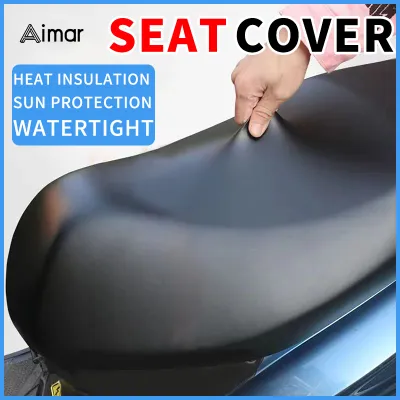
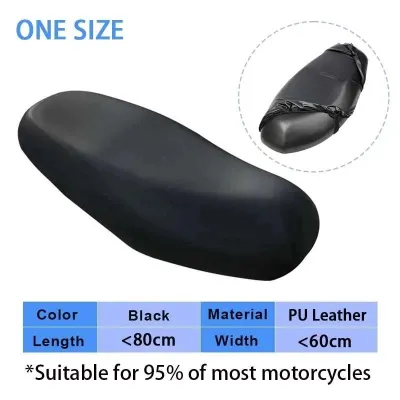
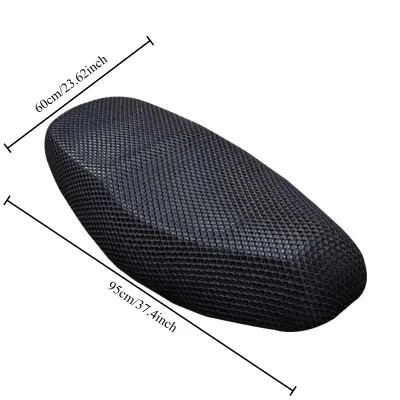
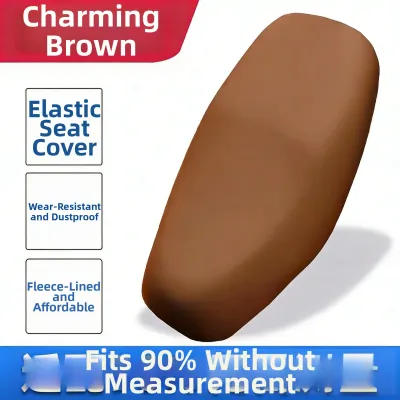
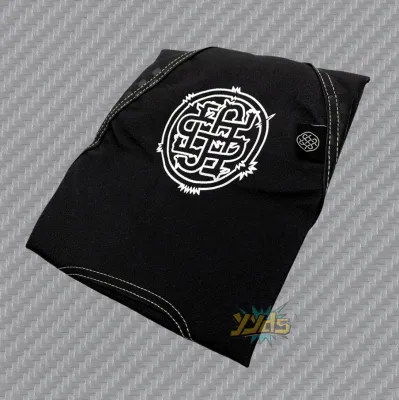
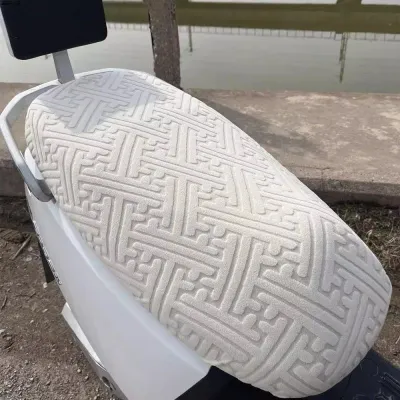
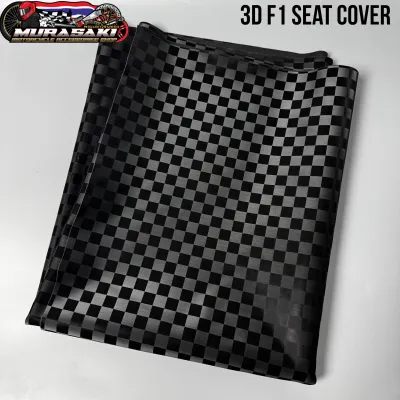
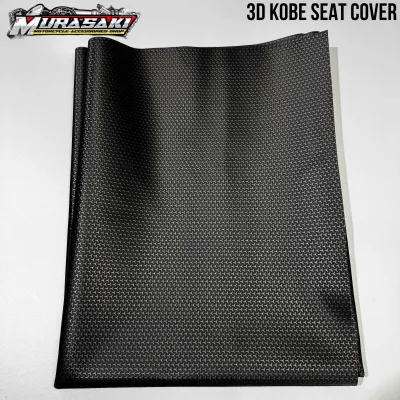
Prices are valid at publication and may change. Please refer to the product page for the latest price.
Long-distance touring demands a completely different set of physical properties from a seat cover. When you spend consecutive hours in the saddle traversing provincial highways, minor engine vibrations and road imperfections accumulate into significant physical fatigue. Touring riders require sustained support that distributes body weight evenly, dampens continuous vibrations, and prevents pressure points from forming over long stretches. Weather exposure is also a major factor, as touring routes often take you through varying elevations and sudden microclimates where rain and wind are common.
If you regularly travel with a passenger, your seat cover selection must accommodate the needs of two people. Frequent pillion riding changes the weight distribution of the motorcycle, shifting the center of gravity rearward and altering how the bike handles during braking and acceleration. A pillion-focused setup must provide adequate space, reliable rear grip to prevent the passenger from sliding forward into the rider, and proper support to handle the combined weight without bottoming out against the hard seat pan.
Matching Seat Cover Types to Your Riding Style
For daily commuters, a breathable mesh seat cover is often the most practical choice for managing tropical heat and humidity. These double-layered mesh covers create an open air gap between your body and the vinyl seat, allowing air to circulate freely while you ride. This airflow prevents sweat buildup and keeps the seat surface significantly cooler even after hours of sun exposure. Additionally, water passes straight through the mesh, allowing you to wipe off the surface quickly after a downpour without sitting in a pool of trapped water.

Touring riders generally benefit from advanced padding options such as gel inserts, memory foam, or adjustable air cushions. Gel inserts excel at distributing pressure across a wider surface area, reducing the hot spots that cause numbness during long hours on the road. Memory foam contours closely to your body shape, providing customized support, though it can retain heat more than other materials. Air cushions allow you to adjust the firmness by adding or releasing air, offering a highly customizable barrier against engine vibrations and harsh road impacts.
When configuring a motorcycle for frequent pillion riding, look for seat covers that feature non-slip textures and extended rear coverage. A high-traction surface on the passenger section prevents the pillion from sliding forward during sudden braking, which reduces strain on the rider’s wrists and shoulders. Some specialized pillion covers integrate textured grab areas or work in tandem with aftermarket grab rails to give the passenger a secure point of contact, stabilizing the entire motorcycle during low-speed maneuvers and tight turns.
While adding thick padding or a plush gel cover improves comfort, you must carefully consider the ergonomic trade-offs before making a purchase. Increasing the thickness of your seat cover inevitably raises your overall ride height, which can make it more difficult to plant your feet firmly on the ground at intersections. A wider seat profile can also force your legs further apart, effectively reducing your ground reach even if the physical height change seems minor. Furthermore, bulky slip-on covers can sometimes interfere with the latching mechanism of your under-seat storage compartment, making it difficult to secure your helmet or rain gear.
Evaluating Materials and Construction Features
To ensure your new seat cover survives the harsh tropical climate, you must learn to evaluate material specifications rather than relying on vague marketing claims. When reviewing product descriptions, look for verified UV resistance ratings to ensure the material will not crack, fade, or become brittle under constant sun exposure. Water repellency is another critical specification; high-quality synthetic leathers and heavy-duty vinyls should actively shed water rather than absorbing it into the underlying foam.
The internal padding material determines how well the seat cover maintains its shape and support over time. Standard polyurethane foam is highly affordable but tends to compress permanently under continuous use, leading to a hard ride after a few months. High-density foam offers better longevity and support, while medical-grade gel inserts provide superior pressure distribution but can absorb and retain heat if left parked in direct sunlight. Air cell systems offer excellent vibration isolation, but you must verify the valve quality and bladder material to prevent slow air leaks.
The way a seat cover is put together is just as important as the material itself, especially when it comes to keeping water out. Inspect product images and technical specifications for double-stitched seams, which offer superior tensile strength along the edges where the cover stretches over the seat pan. For maximum water resistance, look for welded or taped seams that physically seal the needle holes, preventing rainwater from seeping into the inner foam where it can cause mold, unpleasant odors, and structural rot.
You must also determine whether a product is a simple slip-on cover or a complete seat replacement unit. Slip-on covers are designed to stretch over your existing upholstery and are typically secured with elastic bands, drawstrings, or hook-and-loop straps. Complete replacement units, on the other hand, include a pre-molded foam pad and cover pre-attached to a new aftermarket plastic base pan. While complete replacements offer a more seamless look and integrated design, you must verify that the aftermarket pan matches your motorcycle’s specific frame mounting points and locking latch perfectly.
Fitment, Installation, and Safety Checks
Before purchasing any seatcover for motorcycle use, accurate physical measurements are essential to guarantee a proper fit. Do not rely solely on generic compatibility lists; instead, use a flexible measuring tape to record the maximum length, width, and curve profile of your original seat. Compare these measurements directly against the manufacturer’s detailed sizing chart, paying close attention to how the cover wraps around the front nose and the rear taper of the seat pan.
The mounting mechanism of the seat cover must be secure and completely free from interference with other critical motorcycle components. If the cover uses under-seat straps, hooks, or bolt-on brackets, verify that these fasteners do not pinch your electrical wiring harness, rub against the battery terminals, or block access to the fuse box. A loose or improperly secured seat cover can slide during cornering, shifting your weight unexpectedly and compromising your control over the motorcycle.
Modifying your motorcycle’s seating structure carries inherent safety implications that require careful boundary setting. If installing a custom seat cover or comfort insert requires you to cut, shave, or drill into the original plastic seat pan or metal frame, stop the DIY process immediately. Structural modifications can weaken the seat pan, leading to sudden failure under load, and should only be performed by a qualified professional upholstery technician or motorcycle mechanic.
Finally, always assess how the new seat cover alters your riding ergonomics and control dynamics before taking your motorcycle onto busy public roads. Sit on the bike with your riding gear on to verify that you can still reach the ground comfortably and operate the foot controls without straining. Because ergonomic compatibility is highly personal, check the seller’s return and exchange policies to see if they accept returns for opened but unused items, keeping in mind that return shipping fees in ₱ may apply if the fit is incorrect.
Frequently Asked Questions (FAQ)
Can I install a gel seat cover over my existing motorcycle seat?
Yes, you can install a gel seat cover over your existing seat, but the installation method depends on the product design. Slip-on gel pads feature elastic straps or non-slip backings that allow you to secure them directly over your current seat cover without any tools. However, if you prefer a clean, factory look, you will need to remove the original vinyl cover, carve out a matching recess in the seat foam to insert the gel pad, and then staple a new cover over the entire assembly. For integrated installations, consulting a professional upholstery shop is highly recommended to ensure a smooth, water-resistant finish.
How do I clean and maintain a motorcycle seat cover?
To clean your motorcycle seat cover, always refer to the manufacturer’s specific care label or instruction sheet first. For general maintenance, use a soft microfiber cloth, lukewarm water, and a mild, pH-neutral soap to gently wipe away road grime, dust, and sweat. Avoid using harsh household detergents, bleach, or abrasive scrubbing pads, as these can strip away UV-protective coatings and damage synthetic leather or vinyl. Allow the seat to air dry completely in a shaded area before parking the bike in direct sunlight or applying any manufacturer-approved protective conditioners.
Will a thicker seat cover affect my motorcycle's handling?
A thicker seat cover can noticeably affect your motorcycle’s handling by raising your center of gravity and altering your physical relationship with the handlebars and footpegs. Even a slight increase in seat height changes the angle of your hips and knees, which can affect how quickly you can transition your weight during cornering or plant your feet during sudden stops. If you install a significantly thicker comfort cover, practice riding in a controlled, low-speed environment first to adapt to the new riding posture and ensure you maintain full control over the vehicle.

Community discussion
Share your experience or ask a question. Comments are reviewed before publication.