
Selecting the right oil extractor for your motorcycle or scooter requires a careful balance of reservoir capacity, suction tube diameter, and power mechanism. Unlike passenger cars, two-wheeled vehicles feature compact crankcases, narrow dipstick channels, and highly sensitive internal components. Choosing an incompatible extractor can lead to stuck tubes, incomplete oil removal, or messy spills on your garage floor. By evaluating your engine’s physical dimensions and oil characteristics, you can transition to a clean, efficient, and completely top-side oil change routine.
Understanding Your Motorcycle's Oil System Requirements
To choose a compatible oil extractor, you must first understand the unique physical and operational characteristics of your motorcycle or scooter’s engine. Standard underbone and automatic scooters, which are highly popular for daily commuting in tropical climates, typically have small engine oil capacities ranging from 0.7 to 1.0 liters. In contrast, larger multi-cylinder motorcycles, adventure bikes, and cruisers can hold anywhere from 1.2 to over 4.0 liters of oil. Your extractor’s reservoir must comfortably accommodate these volumes without requiring mid-process emptying, which introduces air locks and potential spills.
Oil viscosity and operating temperatures also play a critical role in how effectively an extractor performs. In warm, humid regions like the Philippines, motorcycles often run on heavier multi-grade oils such as 10W-40, 15W-50, or even 20W-50 to withstand high ambient heat and intense traffic conditions. Cold oil is highly viscous and resists flowing through narrow extraction tubes, while boiling hot oil can melt plastic suction lines. You must understand how your specific oil grade behaves when warm to time your extraction effectively, ensuring the fluid is thin enough to flow but cool enough to remain safe for the equipment.
Products mentioned in this guide
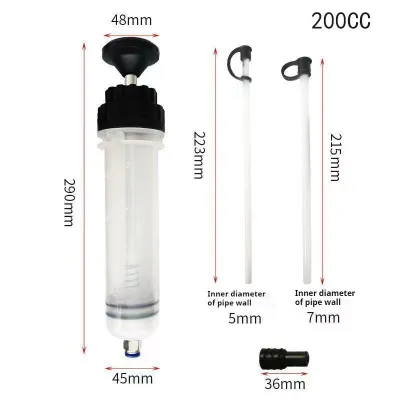
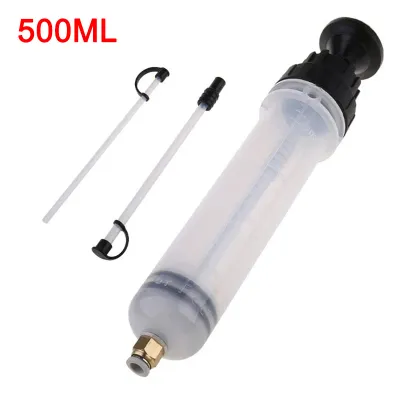
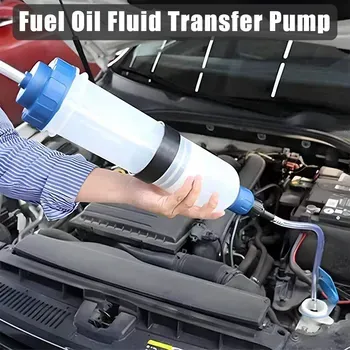
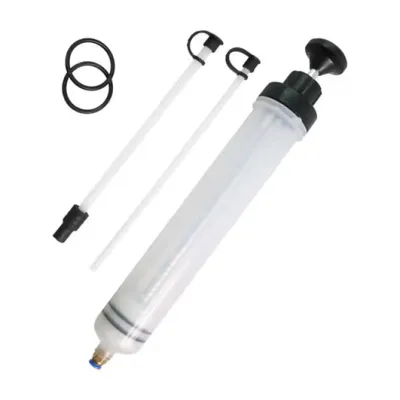
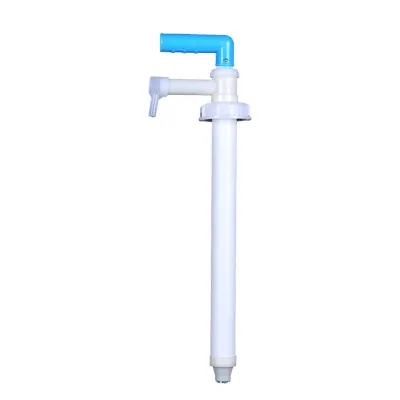
Prices are valid at publication and may change. Please refer to the product page for the latest price.
Physical access to the oil reservoir is another major constraint. The entry point for the extraction tube is almost always the dipstick or oil fill port. On compact scooter engines, this channel is often narrow, curved, or partially obstructed by internal gears and clutch baskets. You must measure or verify the clearance of this channel before attempting to insert any rigid or semi-rigid extraction line to prevent the tube from getting jammed or sheared off inside the crankcase.
Comparing Manual, Pneumatic, and Electric Oil Extractors
Manual pump extractors rely on a hand-operated vacuum pump built into the top of the reservoir. They are highly portable, requiring no external electricity or air lines, making them excellent for quick garage work or roadside maintenance. The physical effort is moderate, requiring several strokes to build a vacuum, which then pulls the oil out. They are generally a highly cost-effective option for casual DIYers who want to save on professional labor fees, which typically range from ₱200 to ₱600 per service at local shops.

Pneumatic extractors utilize compressed air via a Venturi mechanism to generate continuous, powerful suction. They require an external air compressor capable of delivering a specific cubic feet per minute (CFM) rating and pressure, often around 70 to 110 PSI. While highly efficient and effortless, they are less portable and most suitable for dedicated home workshops or professional garages where a compressor is already active. If you already own a reliable air compressor, a pneumatic model offers the fastest extraction times, especially for heavier oil grades.
Electric extractors are typically powered by 12V DC clips connected directly to your motorcycle’s battery, or via a standard AC wall plug. These units use small positive displacement pumps, such as gear or diaphragm pumps, to actively pull oil through the tube. They offer highly consistent flow rates and require no manual pumping, but you must ensure the electrical connections are secure and dry to prevent sparks near engine fluids. They are highly compact but require careful monitoring to prevent dry running, which can damage the internal pump seals.
Matching Extractor Capacity and Tube Size to Your Engine
Selecting a reservoir tank capacity that safely exceeds your motorcycle’s total engine oil volume is essential for a clean workflow. For a standard underbone scooter holding 800ml, a small 1.5-liter or 2-liter extractor is highly portable and easy to store. For larger cruiser or adventure bikes holding 3.5 liters, a 4-liter to 6-liter reservoir ensures you can complete the extraction in a single, uninterrupted cycle. Choosing a tank that is too small forces you to pause, release the vacuum, empty the container, and restart, increasing the risk of drips and environmental contamination.
The outer diameter (OD) of the extraction tube is the most critical compatibility factor. Standard automotive extraction tubes often have an OD of 6mm to 8mm, which is frequently too thick for the narrow dipstick guides of small-displacement motorcycles. For two-wheelers, look for extractors that include ultra-thin, semi-rigid nylon or PTFE tubes with an OD of 4mm or 5mm. Attempting to force a thick tube into a narrow guide can cause it to bind, leaving you with a stuck hose that requires partial engine disassembly to remove safely.
Scooter engines often feature baffled oil fill necks or sharp bends in the dipstick channel to prevent oil from splashing out during operation. A tube that is too rigid will kink or jam against these internal baffles, while a tube that is too soft will collapse under vacuum pressure. You need a semi-rigid material that can flex around moderate curves while maintaining its internal diameter under strong suction. Always test the tube’s flexibility by hand before inserting it into the engine block.
Essential Features for Effective DIY Oil Extraction
The reservoir and hoses of your extractor must be constructed from high-density polyethylene (HDPE), polyurethane, or specialized fluoropolymers. These materials resist degradation from hot, synthetic, or high-detergent motorcycle oils. Cheap plastics can soften, cloud, or crack when exposed to chemical additives and thermal stress, leading to vacuum leaks or structural failure. Verifying material compatibility with your preferred oil type is a crucial step before purchasing.
Look for extractors equipped with an automatic shut-off float valve. This mechanism blocks the vacuum inlet once the fluid reaches maximum capacity, preventing oil from overflowing into the pump assembly or onto your floor. A reliable pressure relief valve is also essential for manual and pneumatic models, allowing you to safely depressurize the tank before disconnecting hoses. These safety features prevent sudden pressure releases that can spray hot oil onto your skin or clothes.
Convenience features greatly improve the usability of an extractor during routine maintenance. Integrated hose storage wraps keep oily tubes contained and prevent them from dripping on your workspace when not in use. A wide, stable base prevents the extractor from tipping over when filled with heavy oil, which is especially important on uneven garage floors. A built-in pouring spout or a dedicated decanting channel makes transferring the used oil into disposal containers clean and straightforward.
Safety Boundaries and Pre-Use Checks
Always verify the maximum temperature rating of your extractor’s tubes and reservoir. Most manufacturers specify a safe operating range between 35°C and 60°C. Running your engine for 3 to 5 minutes is usually sufficient to warm the oil and lower its viscosity without exceeding these thermal limits. Never extract oil immediately after a long, hot ride, as boiling oil can warp the plastic components, cause the suction tube to collapse, or lead to severe burns.
If your motorcycle has been sitting idle for months, or if the engine is experiencing severe wear, the oil may contain thick sludge or large metallic particles. These can easily clog narrow 4mm extraction tubes, rendering the extractor ineffective. If you suspect heavy contamination or see large debris on the dipstick, traditional bottom-drain methods are safer to ensure large debris is fully flushed out. Always inspect the extracted oil for unusual metallic sheen, which can indicate internal engine wear.
Some motorcycles utilize dry-sump lubrication systems with external oil tanks, while others use traditional wet-sump designs. The extraction procedure differs significantly between these layouts. Always consult your vehicle’s official documentation to locate the correct extraction points and verify if a scavenge pump or specific oil-level check procedure is required. For complex electrical or mechanical modifications, or if you are unsure of your vehicle’s internal layout, consult a qualified professional before proceeding.
Your Pre-Purchase Evaluation Checklist
Before purchasing an oil extractor from an online marketplace or local automotive store, cross-reference the following criteria against your specific motorcycle or scooter model:
- Tank Capacity: Ensure the reservoir volume exceeds your engine's oil capacity by at least 30% to prevent mid-extraction stops.
- Tube Diameter: Verify the kit includes a semi-rigid tube with an outer diameter of 4mm or 5mm to fit narrow dipstick channels.
- Power Source: Match the extractor type (manual, pneumatic, or 12V electric) to your garage setup and available tools.
- Temperature Rating: Confirm the manufacturer's maximum fluid temperature limit matches your planned warming routine.
- Material Quality: Check for HDPE construction and chemical resistance ratings for synthetic oils.
- Replacement Parts: Verify the availability of replacement seals, O-rings, and extra tubing from the manufacturer or retailer.
Frequently Asked Questions (FAQ)
Can I use a car oil extractor for my motorcycle or scooter?
Yes, you can use a car oil extractor, provided the kit includes a suction tube thin enough to fit your motorcycle’s dipstick channel. Most automotive extractors come with 6mm or 8mm tubes, which are often too thick for smaller motorcycle engines. If you plan to use a larger car extractor, you must source a compatible 4mm or 5mm adapter tube. Additionally, ensure the larger reservoir can still maintain a strong vacuum when extracting the smaller volume of oil typical of a scooter.
Is it safe to extract oil from a hot motorcycle engine?
Extracting oil from a warm engine is highly recommended, but extracting from a boiling hot engine is dangerous. Warm oil flows much faster and carries suspended contaminants out of the engine more effectively. However, if the engine is at full operating temperature after a long ride, the oil can easily exceed 100°C. This extreme heat can melt or warp plastic extraction tubes, damage the pump’s internal seals, and create a severe burn hazard. Always let the engine cool down to a warm, touch-safe temperature before starting the extraction process.

Community discussion
Share your experience or ask a question. Comments are reviewed before publication.