
Selecting the right SHAD top box requires balancing your daily storage requirements with your motorcycle’s physical limits and mounting specifications. To make the correct choice, you must evaluate what you plan to carry, how the extra weight affects your bike’s handling, and whether your specific motorcycle model can safely support the physical dimensions of the box. Choosing an incorrect size can compromise your stability, especially when navigating dense traffic or riding in adverse weather conditions.
By systematically assessing your riding profile, understanding the practical limits of different capacity ranges, and verifying the structural compatibility of your mounting hardware, you can find a top box that enhances your motorcycle’s utility without compromising safety.
Assess Your Motorcycle Limits and Daily Riding Needs
Your daily riding environment is the primary factor that should dictate the size and style of your top box. For riders who primarily navigate congested urban streets, a compact and streamlined setup is essential. Narrower top boxes allow you to filter through tight traffic lanes safely without worrying about clipping side mirrors or upsetting your balance during low-speed maneuvers. Conversely, if your riding consists of long-distance weekend touring or highway cruising, a larger capacity box becomes practical for storing bulky gear, extra layers, and supplies.
Products mentioned in this guide
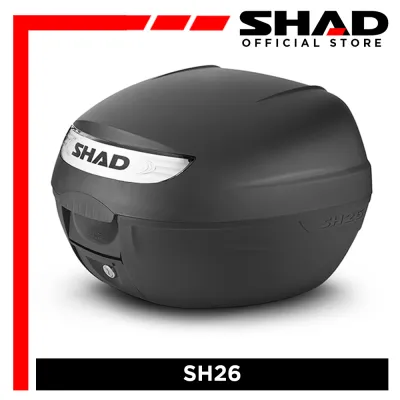
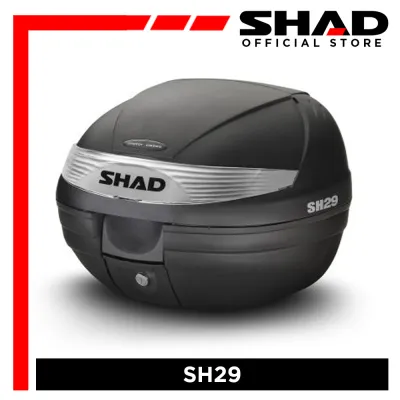
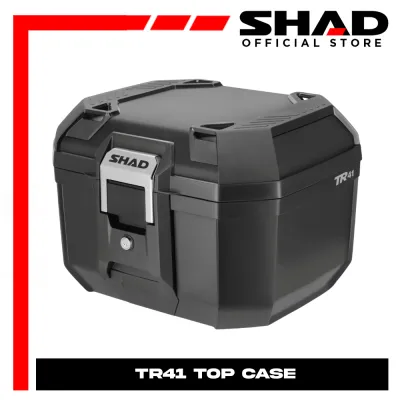
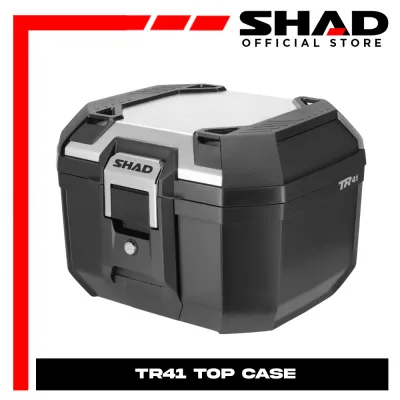
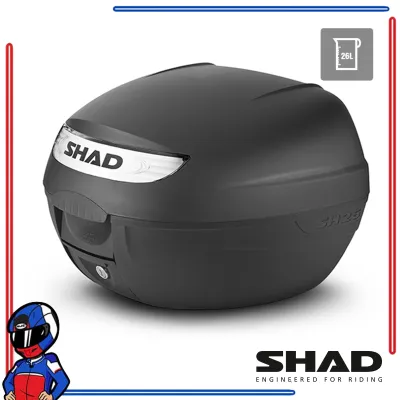
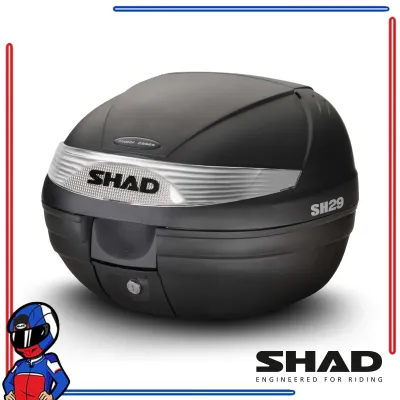
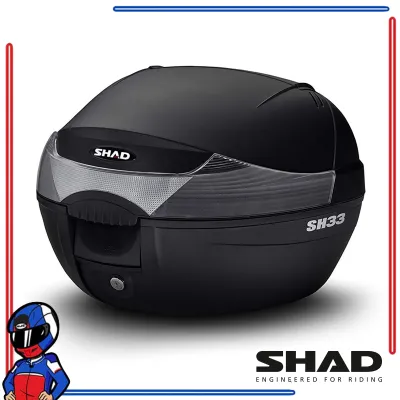
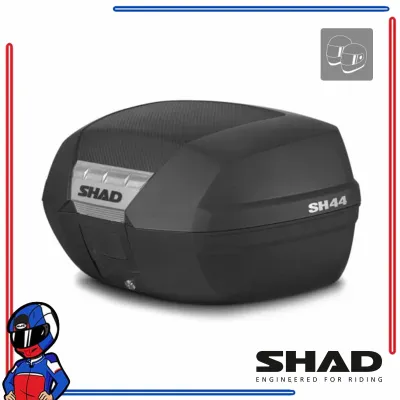
Prices are valid at publication and may change. Please refer to the product page for the latest price.
If you frequently travel with a passenger, you must consider how the top box affects their comfort and safety. A top box positioned too far forward can restrict the passenger’s seating space, forcing them into an uncomfortable riding position. Adding an optional backrest pad can improve comfort, but you must ensure there is still adequate clearance between the passenger’s back and the box. Always measure the available space on your pillion seat with the mounting rack installed before finalizing your top box selection.
Every motorcycle has strict structural limits regarding how much weight can be carried behind the rear axle. The rear subframe of a motorcycle is engineered to support a specific load, and exceeding this limit can lead to metal fatigue, cracked welds, or structural failure over time. When calculating your carrying capacity, you must account for the combined weight of the mounting rack, the top box base plate, the empty top box itself, and the cargo you plan to place inside it.
Beyond structural limits, placing a heavy load far back on the motorcycle significantly alters its center of gravity. Excess weight at the very rear lightens the front wheel, which can degrade steering response, reduce front-tire traction during cornering, and cause the front end to feel vague or unstable at highway speeds. If you already use side panniers or a tank bag, you must distribute your cargo weight evenly to maintain balanced handling and predictable braking performance.
Match Top Box Capacities to Your Commuting or Touring Profile
Top box capacities generally fall into three distinct volume ranges, each tailored to specific riding profiles and cargo needs. Understanding what fits inside each size range prevents you from buying a box that is either too small for your daily essentials or unnecessarily bulky for your motorcycle’s frame.

Compact Range (Approx. 29L to 35L)
Compact top boxes are highly popular for small-displacement scooters, underbones, and light commuter motorcycles. These boxes are designed to hold a single open-face or compact full-face helmet, along with a set of lightweight rain gear and small personal items like a lunchbox or a tablet. Because they have a small footprint, they do not create significant aerodynamic drag or noticeably affect the handling of lightweight bikes. They are the ideal choice for solo commuters who only need to secure their daily essentials while parked.
Mid-Size Range (Approx. 39L to 46L)
Mid-size top boxes offer a versatile middle ground for standard street bikes, medium-sized scooters, and adventure motorcycles. This capacity range can comfortably accommodate a large full-face helmet with extra room to spare for riding jackets, gloves, or a small backpack. Some models in this range can even fit two open-face helmets side by side. For riders who need a balance between daily commuting utility and weekend road-trip capability, a mid-size box provides ample storage without looking overly large on medium-displacement motorcycles.
Large Capacity Range (Approx. 50L to 58L+)
Large top boxes are engineered specifically for adventure touring, heavy packing, and riders who regularly travel with a passenger. These expansive boxes can easily hold two full-face or modular helmets simultaneously, making them highly practical for securing gear when you and your passenger walk away from the bike. Some premium models in this category feature innovative expandable designs, allowing you to adjust the physical height and volume of the box depending on your immediate cargo needs. However, these large boxes require robust mounting systems and are best suited for larger-displacement motorcycles with sturdy rear subframes.
Compare Key Features Across SHAD Model Lines
Once you have determined the appropriate capacity range for your motorcycle, you should compare the functional features of different model lines to find the one that best matches your security and environmental needs.
Security is a primary consideration when leaving valuables on your motorcycle. Standard locking systems allow you to open and close the lid without using the key every time, which is highly convenient for quick stops where you remain near the bike. For higher security, premium locking mechanisms feature reinforced lock cylinders and robust latching systems that prevent unauthorized access. Always verify how the locking mechanism operates and choose a system that provides peace of mind for your typical parking environments.
In tropical climates characterized by intense heat, high humidity, and sudden monsoon downpours, weather resistance is critical. Look for top boxes equipped with high-quality rubber gaskets, double-walled lid designs, and integrated drainage channels that direct rainwater away from the main seal. While these features are highly effective at keeping out road spray and heavy rain, it is always wise to use waterproof inner bags for sensitive electronics or dry clothing to ensure absolute protection during severe weather.
Material choices and aesthetics also vary across model lines, allowing you to match the box to your motorcycle’s styling. Standard models typically utilize high-impact, UV-resistant plastics with textured finishes that resist scratches and fading from sun exposure. Premium and adventure-oriented lines often incorporate aluminum-style panels, carbon-fiber-look covers, or fully aluminum construction. These materials not only enhance durability against trail debris but also complement the rugged look of modern dual-sport and adventure motorcycles.
Finally, consider the availability of optional accessories that can enhance the utility of your top box. Many models support integrated passenger backrests, which must be purchased separately and installed according to the manufacturer’s instructions. Other useful accessories include inner organizational bags, which allow you to easily lift your gear out of the box without detaching the entire unit, and integrated LED brake light kits that mount underneath the base plate to improve your visibility to vehicles behind you.
Verify Rack Compatibility and Mounting Safety
Before purchasing any top box, you must verify that it can be mounted safely and legally to your specific motorcycle model. Installing a top box is a structural modification that directly affects your vehicle’s dynamics, making proper hardware selection non-negotiable.
Always consult your motorcycle’s owner’s manual to identify the maximum allowable load limit for the rear section of the bike. This limit is often lower than you might expect, sometimes ranging between 5 kg and 10 kg. Remember that this weight limit must accommodate the combined weight of the mounting rack, the top box base plate, the empty top box, and all the cargo placed inside. Exceeding these limits can cause the mounting bolts to shear or the subframe to crack, especially when riding over rough roads or speed bumps.
To ensure structural integrity, always use a model-specific fitting kit designed precisely for your motorcycle’s make, model, and production year. Avoid using generic, universal brackets or attempting to modify a rack designed for a different motorcycle. Model-specific fitting kits are engineered to attach to the strongest structural points of your bike’s subframe, ensuring even weight distribution and preventing unwanted movement or vibration while riding.
During the installation process, you must observe strict safety boundaries. If you notice that the mounting bolts do not align naturally with the subframe threads, do not force them, as cross-threading can permanently damage your motorcycle’s frame. If the mounting rack or top box interferes with the operation of your turn signals, blocks the tail light, or comes into contact with the exhaust pipe, stop the installation immediately. Under any of these conditions, or if you lack the proper torque tools, consult a qualified professional motorcycle mechanic to complete the installation safely.
Frequently Asked Questions (FAQ)
Can I transfer my SHAD top box to a new motorcycle?
Yes, the top box itself is generally transferable between different motorcycles because the box connects to a standardized base plate. However, the metal fitting kit that attaches the base plate to the motorcycle’s frame is highly bike-specific. When changing motorcycles, you will almost always need to purchase a new, model-specific fitting kit designed for your new bike’s exact make, model, and year. Before purchasing the new fitting kit, always verify that your new motorcycle’s subframe is rated to handle the weight and physical dimensions of your existing top box.
How do I maintain the waterproof seals on my SHAD top box?
To preserve the weather resistance of your top box, perform regular visual inspections of the rubber gaskets located along the lid’s sealing edge. Check for any signs of cracking, dry rot, flattening, or accumulated dirt and debris that could prevent a tight seal. Clean the seals regularly using only mild soap and warm water; avoid using harsh chemical cleaners, petroleum-based solvents, or high-pressure washers, as these can degrade the rubber compound and cause premature failure. If the manufacturer’s manual recommends a specific silicone-based seal conditioner, apply it sparingly according to their instructions to keep the rubber pliable.

Community discussion
Share your experience or ask a question. Comments are reviewed before publication.