
Selecting a shift knob cover in the Philippines requires balancing comfort, control, and material durability under demanding tropical conditions. The intense heat and high humidity characteristic of the local climate can make standard factory shift knobs uncomfortable to touch or slippery during daily drives. A well-chosen cover addresses these issues by providing a reliable tactile interface, protecting the original shift assembly from premature wear, and enhancing the overall cabin aesthetic.
To find the right cover, you must look beyond generic marketing claims and focus on verifiable physical characteristics. The ideal accessory matches your specific vehicle configuration, transmission type, and personal driving habits. By evaluating material properties, fastening methods, and dimensional compatibility, you can select a cover that improves your daily driving experience while maintaining safe and precise gear control.
Key Selection Criteria for Shift Knob Covers
Material selection is the foundation of a functional shift knob cover. In tropical climates, cabin temperatures can rise significantly when a vehicle is parked in direct sunlight. Materials like high-grade silicone, perforated synthetic leather, and breathable mesh fabrics offer different levels of heat resistance and tactile feedback. Silicone covers are highly durable and easy to clean, while perforated leatherette provides a classic look with improved airflow to minimize hand sweat.
Products mentioned in this guide
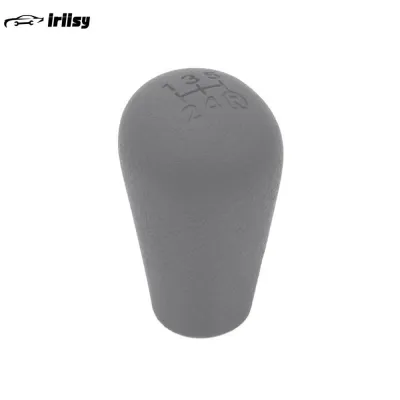


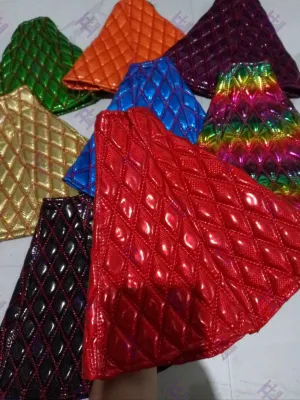
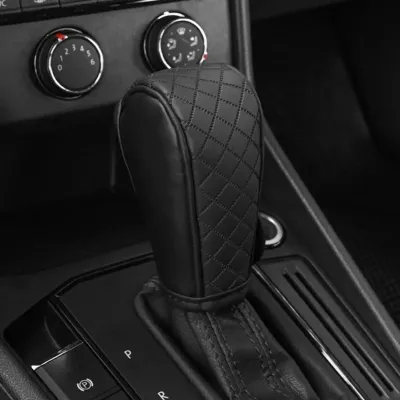


Prices are valid at publication and may change. Please refer to the product page for the latest price.
Thickness and padding levels directly influence how the shift knob feels in your hand. A thicker, padded cover can help absorb road vibrations transmitted through the gear linkage, which is particularly beneficial during long drives on uneven road surfaces. However, excessive thickness can alter the ergonomics of the shifter, making it difficult for drivers with smaller hands to maintain a secure grip. It is essential to check the manufacturer’s thickness specifications to ensure the cover does not compromise your control.
The fastening mechanism determines how securely the cover stays in place during gear changes. Common options include slip-on designs, lace-up or stitch-on wraps, and covers with zipper or drawstring closures. Slip-on covers offer the quickest installation but may slide or rotate if they do not fit snugly. Lace-up covers require more time and effort to install but provide a highly secure, custom-like fit that minimizes the risk of slippage during critical driving maneuvers.
Breathability and moisture management are critical factors for driving comfort in humid environments. When hands become sweaty, a smooth, non-porous cover can become slick, reducing your grip on the shifter. Opting for materials with textured surfaces, embossed patterns, or moisture-wicking properties helps maintain a reliable grip. Checking product specifications for breathability ratings or choosing perforated designs can prevent moisture from becoming trapped between your hand and the cover.
Matching Shift Knob Cover Types to Specific Driving Needs
Every driver faces unique challenges depending on their daily routes, vehicle type, and driving style. A driver navigating congested city streets with a manual transmission has different requirements than someone cruising on expressways in an automatic vehicle. Identifying your primary driving pain point—whether it is hand fatigue, a slippery shifter, or an outdated interior—is the first step in narrowing down your options.

By cross-referencing cover categories with your daily driving demands, you can select a product designed for your specific scenario. Active drivers who shift gears frequently require maximum tactile feedback and a slim profile. Conversely, long-distance commuters benefit more from cushioned, vibration-dampening materials that prioritize hand comfort over absolute tactile precision.
Enhancing Grip and Control for Active Driving
For drivers who engage in active driving or operate manual transmissions, maintaining precise control over gear selection is paramount. A slippery shift knob can lead to missed gears or delayed shifts, which can affect vehicle performance and safety. To enhance grip, look for covers featuring highly textured surfaces, such as embossed silicone patterns, deep rubberized grooves, or textured micro-dots. These physical features increase friction between your hand and the shifter, ensuring a secure hold even during rapid gear changes.
Maintaining the original geometry of the shift knob is also crucial for active driving. Thick, heavily padded covers can make the shifter feel bulky and imprecise. Choosing a slim-profile cover preserves the factory shape and feel of the knob while adding the necessary surface friction. This allows you to retain the precise mechanical feedback of the transmission linkage, which is essential for smooth and accurate shifting.
Moisture-wicking and sweat-resistant materials are highly beneficial in humid tropical climates. When selecting a cover, verify if the product description highlights sweat-resistant properties or utilizes materials like perforated synthetic suede or specialized grip fabrics. These materials help disperse moisture away from the contact surface, preventing your hand from sliding during gear transitions.
Maximizing Comfort for Long-Distance Commutes
Long hours spent in heavy traffic or on extended highway journeys can lead to hand strain and discomfort. The constant vibration transmitted from the engine and road surface through the gear lever can cause fatigue over time. To mitigate this, look for shift knob covers that feature padded or cushioned interiors. Checking the product specifications for high-density foam, gel inserts, or neoprene backing can help you identify covers designed to absorb these micro-vibrations.
The outer material of the cover should offer a soft-touch feel to prevent friction burns or blisters during repetitive use. Materials like soft microfiber, padded leatherette, or plush fabrics provide a comfortable resting surface for your hand. This is especially important for drivers who tend to rest their hand on the gear shifter, although keeping both hands on the steering wheel is always recommended for safety.
To verify the vibration-dampening capabilities of a cover, look for detailed user reviews that mention long-distance comfort. While manufacturers may claim their products reduce fatigue, real-world feedback from other drivers can provide valuable insights into how the padding holds up over hours of continuous use. Ensure the padding is evenly distributed so it does not create awkward pressure points on your palm.
Upgrading Interior Aesthetics and Customization
For many vehicle owners, the primary motivation for installing a shift knob cover is to enhance or restore the cabin’s visual appeal. Over time, factory shift knobs can become worn, faded, or scratched from rings and daily contact. A stylish cover can instantly refresh the look of your center console, matching other interior upgrades like steering wheel wraps, custom seat covers, or floor mats.
When selecting a cover for aesthetic purposes, consider the color coordination and material finishes that best complement your vehicle’s interior. Options range from classic black leatherette with contrast stitching (such as red or blue) to modern carbon-fiber patterns or Alcantara-style synthetic suede. Choosing a design that aligns with your existing cabin theme creates a cohesive and premium look.
Sun exposure is a major factor in material degradation inside a vehicle, particularly in tropical regions. Intense UV rays can cause colors to fade and synthetic materials to crack or peel over time. When browsing options, check product labels for UV-resistance claims or fade-resistant coatings. High-quality synthetic fibers and treated leathers are more likely to retain their color and structural integrity when exposed to sunlight through the windshield.
Compatibility and Installation Checks Before You Buy
Before purchasing any shift knob cover, verifying compatibility with your specific vehicle is essential to ensure safe operation. “Universal” fit claims should always be treated with caution, as shift knobs come in a wide variety of shapes, sizes, and configurations. Start by measuring the physical dimensions of your existing shift knob, including its height, maximum width, and the circumference at both the widest and narrowest points. Compare these measurements directly against the cover’s stated size range.
A critical safety check involves verifying clearance for mechanical features on the shift lever, such as a reverse gear lockout ring or a boot collar. Many manual transmissions require the driver to pull up a ring below the knob to engage reverse. If a cover is too long or has a bulky base, it can physically obstruct this mechanism, preventing you from shifting into reverse or causing incomplete gear engagement. Ensure the cover’s design allows for the full, unobstructed movement of all moving parts on the shifter.
The fastening method must be evaluated to ensure the cover cannot slip, slide, or rotate during use. A cover that twists while you are attempting to change gears can lead to a dangerous loss of control. For slip-on covers, ensure the inner lining features a high-friction, non-slip material like textured rubber or silicone. For lace-up or zippered covers, verify that the fastening system can be tightened sufficiently to lock the cover securely in place.
Another often-overlooked aspect of compatibility is the connection between the shift knob and the shift boot. In many vehicles, the shift boot is clipped directly to the underside of the knob. Installing a cover that is too thick at the base can prevent the boot from clipping back into place properly, leaving an unsightly gap or causing the boot to pull tight during gear shifts. Ensure the cover’s lower edge is thin enough to tuck neatly or clear the boot collar entirely.
Always consult your vehicle’s owner manual before installing aftermarket accessories on the shift lever. This is particularly important for modern vehicles equipped with electronic shifters (shift-by-wire systems) or shifters that feature integrated buttons, digital displays, or touch sensors. A cover must never block access to these controls or interfere with the electronic signals required to operate the transmission safely. If you are unsure about the installation process or compatibility, consult a qualified automotive professional.
Purchasing Channels and Verification Steps
Sourcing a high-quality shift knob cover requires careful navigation of online marketplaces and local automotive accessory shops. When shopping on ecommerce platforms, filter your search results to show verified sellers with high ratings and positive customer feedback. Avoid listings that rely solely on generic stock photos; instead, look for sellers who provide detailed product specifications, clear material descriptions, and accurate sizing charts.
Customer photo reviews are an invaluable resource for verifying product claims. Look for photos uploaded by other buyers to see how the cover actually looks when installed on a vehicle similar to yours. Pay close attention to comments regarding the snugness of the fit, the quality of the stitching, and how the material feels to the touch. This real-world feedback can help you avoid products that look appealing in promotional images but perform poorly in practice.
Before finalizing your purchase, review the seller’s return and exchange policies. Because shift knob shapes can be highly irregular, there is always a possibility that a cover may not fit perfectly despite careful measurements. A flexible return policy ensures you can exchange the item or receive a refund if the fit is unsatisfactory.
When comparing prices in ₱, be cautious of extremely low-priced, unbranded items. While they may seem like a cost-effective solution, very cheap covers often use low-grade plastics or thin synthetics that degrade rapidly under tropical heat, lose their elasticity, or emit unpleasant chemical odors. Investing in a moderately priced cover with clear material specifications and positive reviews generally results in better durability, comfort, and safety over the long term.
Frequently Asked Questions (FAQ)
Will a shift knob cover interfere with automatic or manual transmission shifting?
A shift knob cover can interfere with shifting if it is improperly sized, excessively thick, or poorly secured. For manual transmissions, a cover that is too long or bulky at the base can block the travel of the reverse lockout collar, preventing the gear from engaging fully. On automatic transmissions, a thick cover might obstruct the shift release button or interfere with the gate path. To prevent these issues, always measure your shifter’s clearance, ensure the cover does not block any buttons or moving rings, and verify that the cover is tightly secured so it cannot slip or rotate during gear changes.
How do I clean and maintain a shift knob cover?
Proper maintenance depends on the cover’s material, and you should always follow the manufacturer’s specific care labels. For silicone or synthetic rubber covers, a simple wipe-down with a damp cloth and mild soap is usually sufficient. For synthetic leather or fabric covers, use a gentle interior cleaner authorized for those materials. It is highly recommended to periodically remove the cover to clean both the cover’s interior and the underlying shift knob. This prevents sweat, dirt, and moisture from becoming trapped, which can otherwise degrade the original shift knob surface or lead to unpleasant odors over time.

Community discussion
Share your experience or ask a question. Comments are reviewed before publication.