
Upgrading the shift knob in your manual transmission vehicle is one of the most immediate ways to personalize your cabin and enhance your daily driving experience. Every gear change relies on the tactile connection between your hand and the gear lever, making the shift knob a critical touchpoint for control, comfort, and feedback. In the Philippines, where daily commutes often involve navigating dense urban traffic, selecting the right shift knob for manual cars requires balancing aesthetic preferences with practical considerations like heat resistance, ergonomic comfort, and mechanical compatibility.
A successful upgrade depends on understanding your vehicle’s specific mechanical requirements and how different materials perform under local environmental conditions. Choosing an incompatible part can lead to loose fitment, damaged threads, or even safety hazards if the knob detaches while driving. By evaluating thread specifications, material properties, and installation procedures beforehand, you can ensure a secure fit that elevates your driving dynamics without compromising your transmission’s longevity.
Verifying Thread Pitch and Fitment Compatibility
Before purchasing any aftermarket shift knob, you must verify the exact thread pitch of your vehicle’s shifter shaft. Unlike universal accessories that rely on generic mounting systems, manual gear levers feature specific threaded shafts designed to match factory specifications. Common thread pitches include M10x1.5, M10x1.25, and M12x1.25, but these dimensions vary widely across different vehicle manufacturers and model years. To find your vehicle’s exact specifications, consult your original owner’s manual, check official manufacturer documentation, or use a thread pitch gauge on the exposed shifter shaft.
Products mentioned in this guide
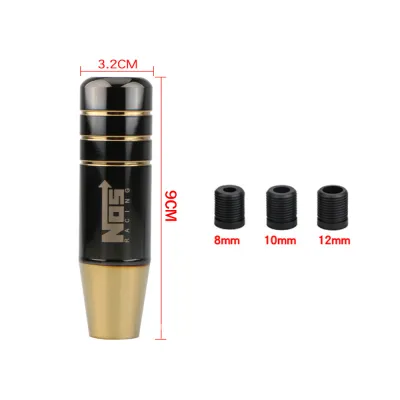
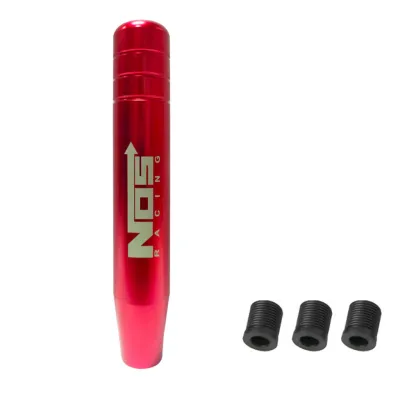
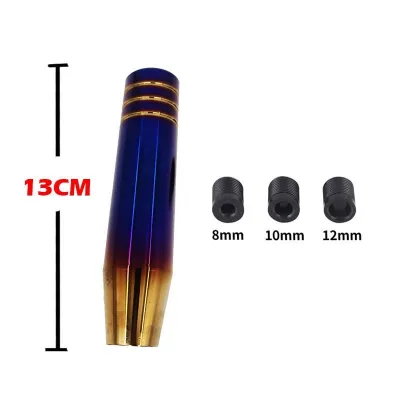
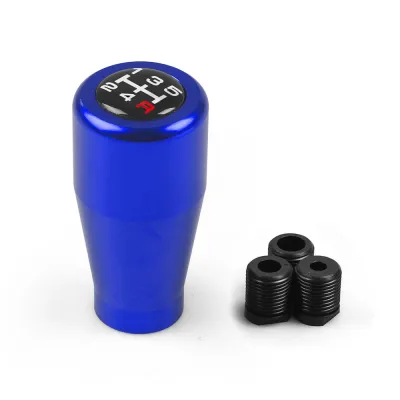
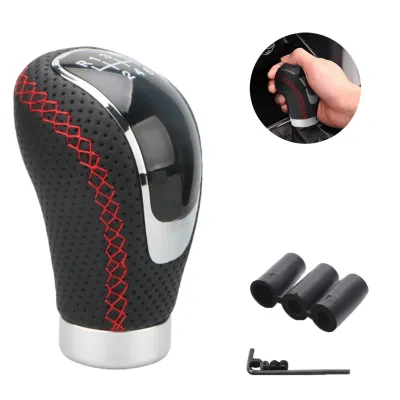
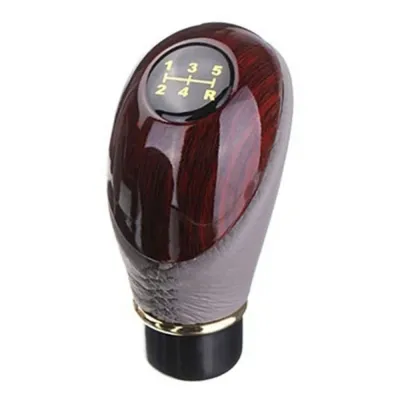
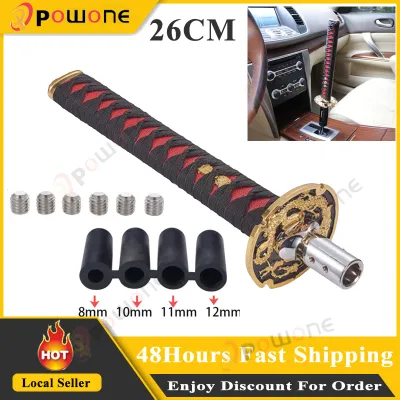

Prices are valid at publication and may change. Please refer to the product page for the latest price.
Aftermarket shift knobs generally fall into two categories: direct-fit vehicle-specific models and universal models. Direct-fit options are machined with internal threads that match your vehicle’s factory shaft perfectly, ensuring a highly secure, wobble-free connection. Universal shift knobs, on the other hand, utilize a larger unthreaded opening paired with a set of plastic or metal threaded adapters to accommodate various shaft diameters. While universal options offer greater flexibility, they require precise installation to prevent the knob from rotating or loosening over time.
Using poorly manufactured or incorrect adapters carries significant mechanical and safety risks. If an adapter does not match the thread pitch of your shifter shaft, attempting to force it on can easily cross-thread and permanently damage the metal threads of the gear lever. Furthermore, low-quality plastic adapters can degrade under constant shifting pressure, leading to a loose, wobbling knob that might detach unexpectedly during a critical gear change. For maximum safety, prioritize direct-fit options or high-quality metal adapters that screw securely onto the shaft.
Additionally, you must evaluate how the new shift knob interacts with your vehicle’s reverse lockout mechanism and shift boot collar. Many modern manual transmissions require you to pull up on a ring or collar beneath the shift knob to engage reverse gear. If your replacement knob has a wide base or lacks the necessary clearance underneath, it can physically block the lockout mechanism, preventing you from shifting into reverse. Always check the physical dimensions of the knob’s base and verify whether you need a specialized reverse lockout adapter or a shift boot retainer to maintain full functionality.
Choosing the Right Material and Weight for Your Climate
The tropical climate of the Philippines introduces unique challenges when selecting materials for your vehicle’s interior accessories. High daily temperatures and intense sunlight can turn certain materials into safety hazards or cause them to degrade rapidly. Common shift knob materials include aluminum, stainless steel, Delrin (acetal homopolymer), acrylic resin, natural wood, genuine leather, and carbon fiber. Each material offers a distinct balance of durability, tactile feedback, and thermal conductivity that you must weigh against your typical driving environment.

Bare metal shift knobs, such as those made from solid aluminum or stainless steel, are highly conductive and absorb ambient heat rapidly. If your vehicle is frequently parked outdoors under direct sunlight, a metal knob can become painfully hot to the touch, making it nearly impossible to shift gears comfortably. To avoid this issue, consider insulated materials like Delrin or high-quality acrylic resins, which do not retain heat as intensely and remain comfortable even in hot weather. Alternatively, look for leather-wrapped or wood-finished knobs, which provide excellent thermal insulation alongside a classic, premium feel.
Beyond thermal properties, the weight of the shift knob plays a fundamental role in shaping your vehicle’s shifting dynamics. Shift knobs are generally classified as either weighted or lightweight, with weights ranging from under 100 grams to over 500 grams. A heavier, weighted shift knob utilizes kinetic momentum to assist your hand during gear changes, smoothing out the mechanical resistance of the linkage and making throws feel more effortless. Conversely, a lightweight knob provides a more direct, mechanical connection to the transmission, allowing you to feel the exact engagement of the gears, though it requires slightly more physical effort to shift.
While a heavier knob can make gear changes feel smoother, you must stay within safe weight boundaries to protect your transmission’s internal components. Using an excessively heavy shift knob can place constant, unintended downward pressure on the shift linkage and selector forks. Over time, this continuous resting force can accelerate wear on the transmission’s synchronizers, leading to premature gear grinding. For daily driving, selecting a moderately weighted knob—typically between 200 and 400 grams—offers an ideal balance of improved shifting feel without risking long-term mechanical damage.
Selecting an Ergonomic Shape for Your Shifting Style
The physical shape of your shift knob directly influences your hand positioning, grip security, and overall comfort during long drives. Ergonomic preferences are highly subjective and depend largely on how you naturally hold the gear lever. The most common profiles include spherical, teardrop, cylindrical, and contoured shapes, each catering to distinct shifting styles and hand sizes.
Spherical or ball-shaped knobs are highly versatile and support a “palm grip,” where your hand rests directly on top of the knob. This shape allows for consistent leverage from almost any angle, making it a popular choice for daily commuting and spirited driving alike. Teardrop and cylindrical shapes are better suited for a “pistol” or “side grip,” where you grasp the sides of the knob with your fingers wrapped around it. Cylindrical knobs, often favored in performance driving, raise the height of the contact point slightly, bringing the shifter closer to the steering wheel for quicker transitions. Contoured knobs feature molded finger grooves designed to fit the natural shape of your hand, providing a highly secure grip but limiting your hand placement to a single, specific orientation.
Surface texture is another critical factor, particularly in humid tropical conditions where hands can easily become sweaty. Smooth, polished surfaces like bare metal or glossy carbon fiber can become slippery, reducing your control during quick gear changes. To maintain a secure grip, look for knobs with textured finishes, such as perforated leather, knurled metal patterns, or matte-finished composites. These textures increase friction and help prevent your hand from slipping off the lever, ensuring precise gear engagement under all driving conditions.
Finally, consider the physical diameter of the shift knob in relation to your hand size. A knob that is too large can prevent you from wrapping your fingers securely, leading to hand fatigue during extended periods of stop-and-go traffic. Conversely, a knob that is too small may feel awkward and require excessive grip force to control. Testing different diameters or measuring your factory knob can help you identify the size range that keeps your hand relaxed and comfortable during long commutes.
Sourcing Authentic Parts and Avoiding Counterfeits
As you search for the ideal shift knob for manual vehicles, navigating the market carefully is essential to avoid low-quality counterfeit products. The automotive accessory market contains numerous replica items that mimic the appearance of premium brands but fail to meet basic safety and manufacturing standards. Purchasing authentic components ensures that the internal threading, material composition, and overall structural integrity of the knob are reliable.
To guarantee authenticity, purchase your shift knob from official brand websites, authorized local automotive accessory stores, or highly rated sellers on reputable online marketplaces. Avoid buying from unverified third-party listings that offer premium brand names at prices significantly below standard market rates. If a deal seems too good to be true, it is highly likely a counterfeit product made from inferior materials that may crack, strip, or fail under normal shifting loads.
When inspecting a shift knob in person or upon delivery, perform several physical checks to verify its quality. Authentic products typically arrive in high-quality packaging featuring clear branding, precise printing, and often a holographic authenticity seal or a unique serial number. Examine the internal threads of the knob; genuine manufacturers use clean, precisely cut metal threads or high-grade inserts, whereas counterfeits often feature rough, uneven plastic threads or poorly cast metal that can easily strip during installation.
Additionally, review the seller’s return policies and the manufacturer’s warranty terms before completing your purchase. Reputable brands and authorized dealers stand behind their products with clear warranties against manufacturing defects. A flexible return policy provides peace of mind, allowing you to return the product if you discover any fitment issues or if the physical item does not match your vehicle’s specifications upon closer inspection.
Safe Installation and Post-Fitment Checks
Installing a new shift knob is generally a straightforward process, but it requires patience and attention to detail to prevent damage to your vehicle’s shifter assembly. Before beginning, consult your vehicle’s service manual or original manufacturer instructions for specific removal guidelines, as some factory knobs are screwed on, while others are held in place by clips, set screws, or retaining pins.
To remove a screw-on factory knob, turn it counterclockwise by hand. If the knob is tight, avoid using heavy pliers or wrenches directly on the leather or plastic, as this can damage the factory finish; instead, use a strap wrench or wrap the knob in a thick cloth before applying gentle pressure. Once the old knob is removed, clean the exposed threads of the shifter shaft with a dry cloth to remove any debris or old thread-locking compound. When installing the new knob, align it carefully with the shaft and turn it clockwise by hand. Never force the knob if you encounter resistance, as this indicates cross-threading; instead, back it off, realign, and try again. Tighten the knob until it is snug, but avoid applying excessive torque that could snap the shifter shaft or strip the internal threads.
Once the installation is complete, perform a thorough stationary gear-engagement test before driving the vehicle. With the engine off and the clutch pedal fully depressed, cycle through every gear—including reverse—multiple times. Verify that the new knob does not physically interfere with the center console, the parking brake lever, or any dashboard controls. If your vehicle features a reverse lockout mechanism, test it repeatedly to ensure the collar slides smoothly and engages the lockout function correctly without sticking or binding.
Establish a strict stop-condition during the installation process: if the threads do not align smoothly by hand, or if you feel any unusual resistance while screwing the knob on, stop immediately. Forcing an ill-fitting knob can ruin the threads on your gear lever, requiring an expensive replacement of the entire shifter assembly. If you encounter fitment difficulties, double-check your thread measurements, verify that you are using the correct adapter, or consult a qualified professional mechanic to complete the installation safely.
Frequently Asked Questions (FAQ)
Will a heavier shift knob damage my manual transmission?
A moderately weighted shift knob (between 200 and 400 grams) is generally safe and will not cause damage to a healthy manual transmission. However, using an excessively heavy knob (well over 500 grams) can place continuous downward pressure on the shift linkage and internal selector forks. This constant force can cause the selector forks to rub against the rotating synchronizer sleeves inside the transmission, leading to premature wear and potential gear engagement issues over time. To enjoy the benefits of a smoother shift feel safely, choose a knob within recommended weight limits and avoid resting your hand on the gear lever while driving.
Can I use a shift knob from a different car brand?
You can use a shift knob from a different car brand, provided the thread pitch matches your vehicle’s shifter shaft or you use a high-quality, compatible adapter. However, cross-brand installations often present challenges with shift boot integration and reverse lockout mechanisms. For example, a knob designed for a vehicle without a reverse lockout may block the collar on a vehicle that requires one. Always verify the physical dimensions, thread specifications, and lockout compatibility of the donor knob before attempting to install it on your vehicle.

Community discussion
Share your experience or ask a question. Comments are reviewed before publication.