
Choosing the right shift knob is more than a cosmetic upgrade; it directly impacts how you interact with your vehicle on every drive. To find the perfect match, you must first identify your vehicle’s exact thread size and pitch to ensure a secure fit, and then select a knob weight, shape, and material that complements your driving habits. A mismatched knob can lead to damaged threads, a loose shifter, or an uncomfortable driving experience, especially during long commutes in heavy traffic.
Quick Answer: Finding Your Correct Shift Knob Thread Size
To find the exact shift knob thread size for your vehicle, start by consulting your vehicle’s owner’s manual or contacting the manufacturer’s local dealership. Because thread sizes vary significantly by make, model, and year, relying on general online forum advice can lead to purchasing the wrong part. If the official documentation does not list the thread specifications, you can verify them yourself using a thread pitch gauge, which is a small, inexpensive tool available at local hardware stores.
If you are uncomfortable measuring the threads yourself, visit a qualified automotive technician or a specialized shift knob retailer to have the shaft measured. Never attempt to guess the thread size or force a knob onto the shift lever. Forcing an incorrect thread size will strip the threads on either the shift lever or the knob itself, resulting in costly repairs that may require replacing the entire shifter assembly.
Products mentioned in this guide
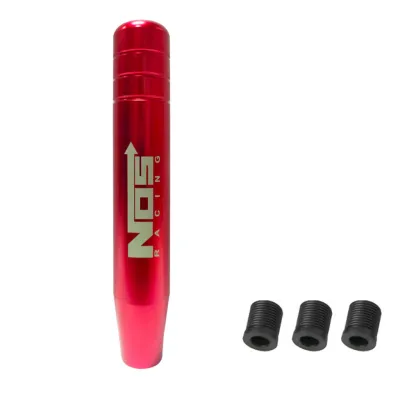
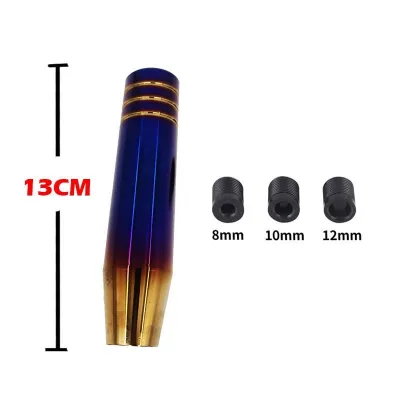
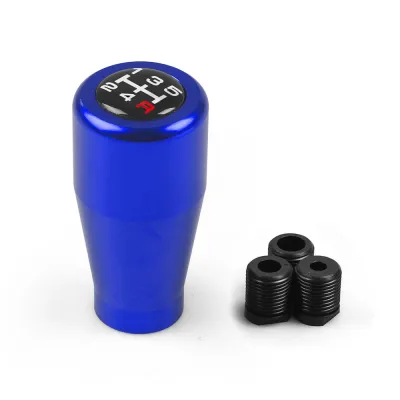
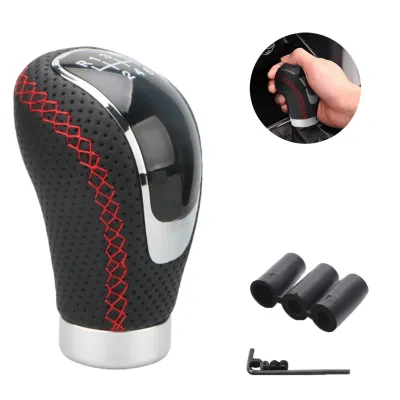
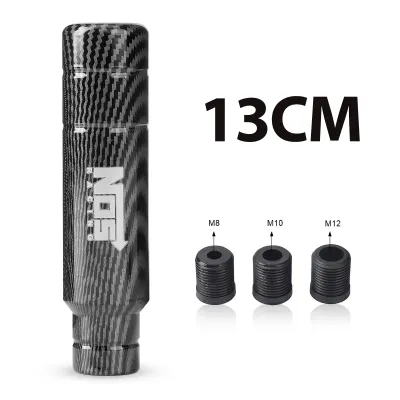
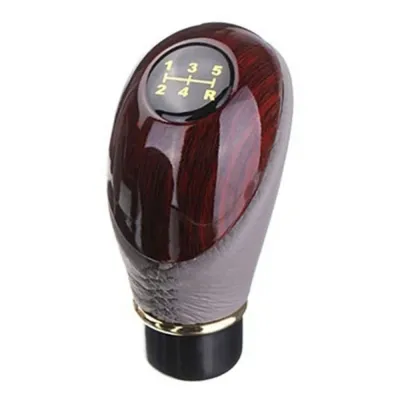
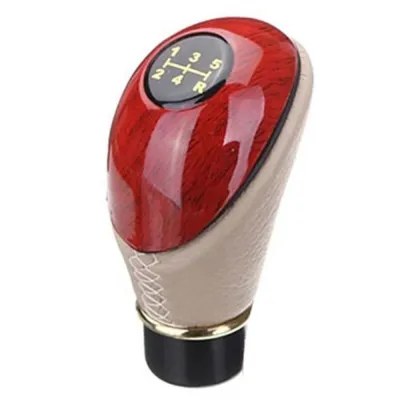
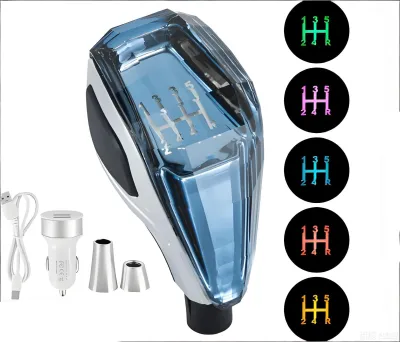
Prices are valid at publication and may change. Please refer to the product page for the latest price.
Decoding Shift Knob Thread Sizes and Pitch
When shopping for a new shift knob, you will encounter technical specifications such as “M10 x 1.25” or “M12 x 1.5.” The first number represents the thread diameter, which is the outer width of the threaded shaft on your shift lever. Most modern vehicles, especially Japanese and European models popular in the Philippines, use metric measurements, while older or American models may use imperial sizes like 3/8-16. Matching this diameter is the first step to ensuring the knob will physically slide onto the shaft.

The second number in the specification represents the thread pitch, which is the distance between each individual thread. For metric threads, this is measured in millimeters (such as 1.25 mm or 1.5 mm), while imperial threads measure the number of threads per inch. Even if the diameter matches perfectly, a mismatch in thread pitch will prevent the knob from screwing down completely, leaving it loose, rattling, or prone to spinning while you are changing gears.
While universal shift knobs with plastic or rubber adapters are widely available, they present distinct trade-offs. These adapters rely on set screws or soft threads to grip the metal shaft, which can easily strip or loosen over time due to the constant physical force of shifting. This loosening can cause the knob to slip off mid-shift, creating a serious safety hazard. For a secure, rattle-free connection that maintains the mechanical integrity of your gear shifts, a direct-threaded knob designed specifically for your vehicle’s thread pitch is always the preferred choice.
Matching Shift Knob Weight and Material to Your Driving Style
The weight of your shift knob plays a significant role in how gear changes feel. A heavier, weighted shift knob (often weighing 300 grams or more) acts as a counterweight, using momentum to help smooth out the shift throw. This can make gear transitions feel more effortless and fluid, which is highly beneficial for daily driving through congested urban areas. Conversely, a lighter shift knob provides more direct, tactile feedback from the transmission, allowing drivers who prefer a spirited, mechanical feel to sense exactly when the gear engages.
Material selection is equally critical, particularly when dealing with tropical climates. In the Philippines, where vehicles parked outdoors are exposed to intense sunlight and high humidity, solid metal knobs (such as aluminum or steel) can become extremely hot to the touch, making them uncomfortable or even painful to use without a cover. Materials like Delrin (a high-grade thermoplastic), polished wood, or genuine leather wrapped over a weighted core offer excellent temperature resistance, remaining comfortable to hold even after hours in the sun while resisting wear from sweat and humidity.
Ergonomics should guide your final choice of shape and size. Shift knobs generally come in three primary shapes: spherical (ball), teardrop, and cylindrical (pistol grip).
- Spherical knobs are highly versatile, accommodating drivers who prefer to grip the shifter from the top (palm-on-top style).
- Cylindrical or teardrop knobs are ideal for drivers who grip the shifter from the side (pistol-grip style), providing a larger surface area for leverage.
- Hand size should dictate the overall diameter of the knob; a knob that is too large can cause hand fatigue, while one that is too small may slip during quick shifts.
Installation Safety and Compatibility Checks
Before attempting to remove your old shift knob or install a new one, park your vehicle on a flat, level surface, fully engage the parking brake, and turn off the engine. This prevents the vehicle from rolling if you accidentally move the shift lever into neutral during the installation process. If your vehicle has a manual transmission, placing it in a specific gear can sometimes provide better leverage, but the parking brake must remain firmly locked.
You must also identify whether your vehicle features a reverse lock-out mechanism, a push-button release, or electronic shift components. Many modern manual transmissions require you to pull up on a collar below the shift knob to engage reverse; if your new knob does not have a recessed base to accommodate this collar, you will not be able to shift into reverse. For automatic vehicles, ensure the replacement knob is fully compatible with the push-button actuator required to move the lever out of park.
During installation, always thread the new shift knob onto the shaft by hand. It should turn smoothly without resistance. If you encounter binding or stiffness after only one or two turns, stop immediately and unscrew the knob. Forcing it will cross-thread the connection, permanently damaging the shift lever. If the knob does not thread on easily, double-check your measurements or consult a qualified professional mechanic to verify compatibility.
Frequently Asked Questions (FAQ)
Can I use a universal shift knob with an adapter on any car?
While universal shift knobs are designed to fit a wide range of vehicles using plastic, rubber, or threaded metal adapters, they are not universally compatible or advisable for every car. These adapters often alter the effective height of the shift lever, which changes the leverage and can make shifting feel vague or sloppy. Over time, the constant vibration and physical force of shifting can cause the adapter’s threads or set screws to back out, leading to a loose knob that could detach unexpectedly during a critical driving maneuver. For maximum safety and a precise mechanical feel, a direct-fit, threaded knob is highly recommended.
Does a weighted shift knob damage the transmission?
A moderately weighted shift knob used with proper shifting technique will not damage your transmission. The weight of the knob helps smooth out the physical throw but does not exert enough constant downward force to harm the internal synchronizers. However, damage can occur if you habitually rest your hand on the shift knob while driving, as this continuous lateral pressure forces the shift forks against the rotating gear collar, accelerating wear. Always follow your vehicle manufacturer’s guidelines regarding interior accessories, and ensure you use clean, deliberate shifting motions without forcing the gears.

Community discussion
Share your experience or ask a question. Comments are reviewed before publication.