
Finding the right mounting plate is the single most critical step in securing your motorcycle’s luggage. A high-quality plate serves as the structural bridge between your bike’s subframe and your cargo, ensuring your belongings remain secure through daily commutes and long weekend rides. When shopping for options like a sec top box plate, you will quickly realize that compatibility is not a simple one-size-fits-all equation. Selecting the wrong component can lead to severe consequences, including structural frame damage, sudden box detachment at highway speeds, or uncomfortable passenger seat interference.
To make an informed purchase, you must evaluate three non-negotiable pillars: your motorcycle’s specific frame design, the top box brand’s proprietary locking system, and the overall structural load capacity of the setup. Understanding how these factors interact will prevent costly purchasing mistakes and keep your rides safe. Let us break down exactly how to navigate these technical requirements so you can choose the ideal mounting plate for your motorcycle.
Identifying Your Top Box Mounting System
Before you look at how a plate attaches to your motorcycle, you must understand how it connects to your top box. Top box manufacturers design their products around specific mounting ecosystems, which fall into two primary categories: proprietary locking systems and universal mounting solutions. The physical design of the plate’s upper surface must match the locking mechanism on the bottom of your top box, or the two components will not lock together.
Products mentioned in this guide
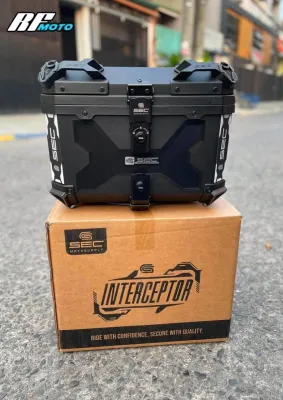
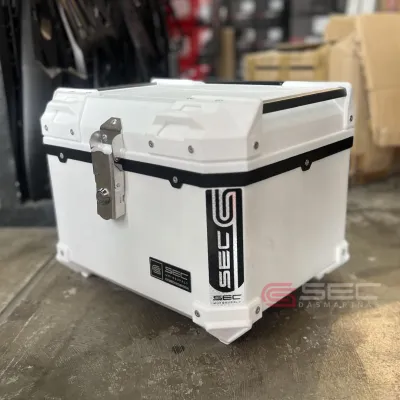
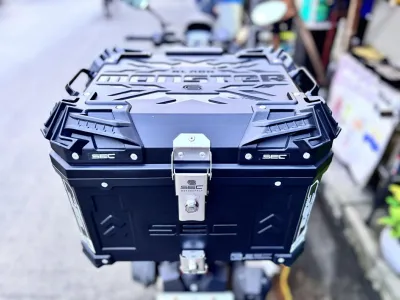
Prices are valid at publication and may change. Please refer to the product page for the latest price.
Checking your top box’s base or the manufacturer’s label is the first step in this process. Look for specific model numbers, molded branding, or distinct locking tab configurations on the underside of the box. Assuming that a plate from one brand will naturally fit a box from another is a common mistake that often results in unsafe, improvised setups.
Proprietary Locking Systems (GIVI, SHAD, Kappa)
Proprietary systems are engineered to provide a secure, integrated fit with specific top box models. GIVI and Kappa, for example, divide their lineups into Monokey and Monolock systems. The Monokey system is designed for heavier loads and larger touring bikes, utilizing a robust three-point locking mechanism that requires a thick, highly durable plate. Monolock, on the other hand, is tailored for lighter, commuter-focused loads and typically uses a lighter plate with a simpler latch design.
SHAD utilizes its own distinct mounting systems, such as their standard fitting kits or the specialized 3P and 4P systems designed for side cases and top boxes. Because these systems rely on precise physical tolerances to lock the box in place, you must match the exact plate series to your box model. Even within the same brand, different product generations or capacity tiers may require entirely different plates, meaning you must verify model numbers before finalizing your purchase.
Universal and Custom Mounting Solutions
If you are using an unbranded top box, a budget-friendly alternative, or a custom-fabricated setup, a universal mounting plate is often the most practical choice. These plates are typically flat steel, aluminum, or heavy-duty plastic grids featuring multiple pre-drilled slots and holes. They are designed to attach to an existing rear rack using U-bolts, metal brackets, and standard nuts.
While universal plates offer excellent versatility and a lower entry price, they come with significant trade-offs. They generally lack the quick-release convenience of proprietary systems, meaning you cannot easily remove the top box when parking in unsecured areas. Additionally, because they rely on friction and manual clamping, they are more susceptible to vibration-induced loosening and require regular hardware checks to prevent structural failure.
Matching the Plate to Your Motorcycle Frame
Once you have identified the locking system your top box requires, you must ensure the plate can physically mount to your specific motorcycle. This is where many riders run into compatibility issues, as motorcycle frames vary wildly across brands, models, and production years. You must verify your vehicle’s model, production year, and exact sub-model from official documentation before purchasing any mounting hardware.

Never assume a plate will fit your motorcycle based solely on a general category or brand name. For instance, a mounting plate designed for a standard version of a motorcycle may not align with an ABS-equipped variant or a special edition that features different rear fender brackets or grab rail configurations. The plate must integrate seamlessly with your bike’s existing grab rails, rear racks, or passenger footpeg brackets without forcing or bending any components.
Scooters and Underbone Motorcycles
Scooters and underbone motorcycles are the backbones of daily commuting in the Philippines, but they present unique mounting challenges. These smaller bikes often lack a substantial rear subframe, meaning the mounting plate must bolt directly onto the existing rear grab rail or completely replace the factory-installed plastic rear rack.
When installing a plate on a scooter or underbone, you must carefully check for clearance issues. The mounted plate and top box must not block your taillight, rear turn signals, or license plate, as this violates road safety regulations and reduces visibility. Furthermore, you must ensure the plate’s position does not crowd the passenger’s seating space or prevent the seat from opening fully, which is crucial for accessing under-seat storage and fuel caps.
Big Bikes and Touring Motorcycles
Larger displacement motorcycles and dedicated touring bikes require a much more robust mounting approach due to the higher speeds and heavier cargo they carry. For these motorcycles, you will typically need a heavy-duty, model-specific tubular steel rack that integrates directly with the mounting plate. These racks distribute the weight of the cargo across multiple points on the motorcycle’s main subframe.
When setting up a big bike, it is vital to check the motorcycle manufacturer’s stated maximum rear load limit in the owner’s manual. This structural limit is often lower than the top box plate’s individual rating. Overloading the rear of a high-performance motorcycle can dramatically alter its center of gravity, leading to dangerous high-speed instability, front-wheel lift, or catastrophic subframe cracking.
Assessing Material, Build Quality, and Load Capacity
Evaluating the material and construction of a mounting plate is essential for long-term safety, especially when navigating rough roads, potholes, and highly humid tropical conditions. Stamped steel plates are highly durable and budget-friendly, but they are heavy and prone to rust if the protective coating is scratched. Aluminum plates offer a lightweight, highly corrosion-resistant alternative, though they can sometimes exhibit lower shear strength under extreme, repetitive impacts compared to high-grade steel.
Many modern proprietary systems utilize reinforced polymers or composite plastics for their quick-release bases. These engineered plastics are excellent at dampening road vibrations and resisting weather damage, but they must be sourced from reputable brands to ensure they do not degrade under constant exposure to intense sunlight and heavy rain.
To determine how much weight your setup can safely carry, you must locate the ‘Max Load’ specification on the plate’s packaging or the manufacturer’s official spec sheet. Remember that the safe weight limit is always the lowest rating among three distinct components: the top box itself, the mounting plate, and your motorcycle’s rear subframe. For example, if your top box is rated for 10 kilograms, your plate for 6 kilograms, and your bike’s subframe for 5 kilograms, your actual safe carrying capacity is strictly 5 kilograms.
Additionally, you should look for high-quality hardware details when inspecting a plate. Features like integrated anti-vibration rubber grommets help cushion the top box and reduce rattling, while nylon-insert lock nuts (nyloc nuts) are critical for preventing the mounting bolts from backing out due to engine and road vibrations.
Top Box Plate Recommendations by Mounting System
To help you narrow down your search, we have categorized the leading mounting plate solutions based on their primary locking ecosystems. Each category serves a distinct rider profile and comes with specific benefits and limitations that you must weigh before purchasing. These systems represent the most reliable and widely used standards in the motorcycle community.
Best for GIVI Top Boxes (Monokey / Monolock Systems)
Riders who own or plan to purchase a GIVI or Kappa top box should look for model-specific fitting kits, such as the GIVI SR (Specific Rack) or M series plates. These systems are engineered to match the exact geometry of your motorcycle, providing a factory-like fit and finish.
- Pros: Offers exceptionally secure mechanical locking, convenient quick-release functionality, and high weight capacities when using the Monokey system.
- Limitations: Comes with a higher purchase cost and requires you to buy the exact model-specific mounting arms alongside the specific plate head, limiting your ability to transfer the system to a different motorcycle model.
Best for SHAD Top Boxes
If you are committed to the SHAD ecosystem, utilizing their model-specific tubular rack systems that integrate directly with their standard or expandable plates is the most reliable path. SHAD plates are designed to match the clean, modern aesthetics of their boxes.
- Pros: Features sleek, aerodynamic integration that sits close to the bike's body, and many models offer easy compatibility with integrated passenger backrests.
- Limitations: Strict proprietary lock-in means you cannot mount non-SHAD boxes without complex modifications, and you must verify the exact SHAD fitting kit code corresponding to your motorcycle's production year.
Best Universal Options for Custom or Unbranded Boxes
For riders utilizing generic aluminum or plastic boxes, or those with custom-built rear racks, a heavy-duty universal flat plate—such as a high-grade alloy sec top box plate—is the most versatile solution. These plates feature a grid of adjustable mounting points to accommodate various bracket configurations.
- Pros: Highly versatile, budget-friendly, and capable of fitting onto almost any flat rear rack or custom bracket setup.
- Limitations: Lacks a quick-release mechanism, requiring hand tools to remove the box from the bike, and carries a higher risk of hardware loosening over time if not installed with thread-locking compounds.
Installation Guidelines and Safety Boundaries
Before you begin installing your new top box plate, you must establish clear safety boundaries to protect both your motorcycle and your personal safety. Always consult your motorcycle’s owner’s manual for specific rear load limits and approved mounting points, and thoroughly read the plate manufacturer’s installation guide. If you are uncomfortable with basic mechanical tasks or lack the proper tools, seek professional installation from a qualified motorcycle mechanic.
Never drill new holes into your motorcycle’s frame, subframe, or plastic fenders unless explicitly instructed to do so by a verified, model-specific fitting kit manual. Altering the structural metal of your frame can lead to stress concentration, metal fatigue, and catastrophic subframe failure while riding.
During installation, we highly recommend applying a medium-strength thread-locking fluid (such as blue Loctite) to all mounting bolts to prevent them from backing out due to constant road vibrations. Use a torque wrench to tighten all hardware to the manufacturer’s specified torque values. After completing the installation, perform a torque check on all bolts after your first 50 to 100 kilometers of riding, and inspect the hardware periodically during your regular bike maintenance.
If you find that the mounting points of the plate or rack do not align perfectly with your motorcycle’s frame, do not force the brackets or bend the metal to make them fit. Misaligned components place constant, unintended stress on the mounting bolts and the motorcycle’s subframe, which can lead to sudden failure. Stop immediately and consult a professional mechanic or the product manufacturer to verify that you have the correct part number for your specific motorcycle model and year.
Frequently Asked Questions (FAQ)
Can I use a GIVI plate with a SHAD top box?
No, proprietary locking mechanisms from different brands are generally not cross-compatible out of the box. GIVI and SHAD use entirely different mounting tab shapes, latch positions, and locking mechanisms. While some aftermarket universal adapter plates exist, the safest and most secure method is to match the plate system to your top box brand, or use a universal flat plate if your top box supports direct bolt-through mounting.
Do I need to drill holes in my motorcycle to install a top box plate?
In almost all cases, high-quality, model-specific fitting kits are designed to bolt directly onto your motorcycle’s existing factory mounting points, such as grab rail mounts or passenger footpeg brackets, without any drilling. Drilling into your bike’s frame or subframe should only be considered as a last resort for custom fabrications and must be performed by a qualified professional, as improper drilling can compromise structural integrity and void your vehicle’s warranty.
How much weight can a standard top box plate hold?
There is no single ‘standard’ weight limit for top box plates, as capacity varies widely based on materials and designs. To determine your safe carrying capacity, you must check the manufacturer’s label on the mounting plate, the top box manual, and your motorcycle’s owner’s manual, and strictly adhere to the lowest weight limit among the three. Exceeding this limit can cause structural failure or severely compromise your motorcycle’s handling.

Community discussion
Share your experience or ask a question. Comments are reviewed before publication.