
Choosing the right Vespa cover requires matching the protective material to your specific parking environment, whether your scooter sits under the intense tropical sun, rests in a semi-sheltered carport, or stays tucked away in a garage. A proper cover acts as a shield against paint-fading ultraviolet rays, torrential downpours, and abrasive dust, preserving the classic metal bodywork of your scooter. By evaluating your daily parking conditions, checking material specifications, and verifying the physical dimensions of your scooter with its accessories, you can select a cover that offers optimal protection without trapping destructive moisture.
Assess Your Daily Parking Environment
Your daily parking spot dictates the level of protection your scooter requires. If you park your Vespa fully outdoors in the Philippines, it faces extreme tropical elements. Intense midday heat can degrade plastic trim, while sudden torrential rains can seep into exposed electrical components. Additionally, outdoor parking exposes your scooter to falling leaves, acidic tree sap, bird droppings, and windblown dust, all of which can slowly damage the paintwork if left uncovered.
Semi-covered areas, such as carports, overhangs, or open-sided balconies, offer partial shelter but present their own unique challenges. While these structures block direct overhead sunlight, they do not protect against wind-driven rain that blows in horizontally during a storm. These areas also experience fluctuating humidity levels and partial UV exposure during sunrise or sunset, meaning a basic indoor dust cover will not suffice.
Products mentioned in this guide
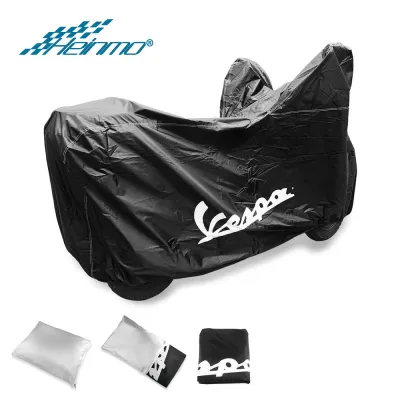
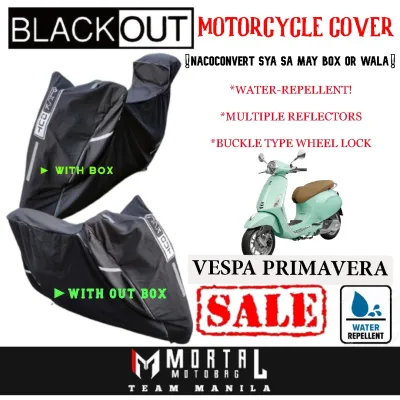
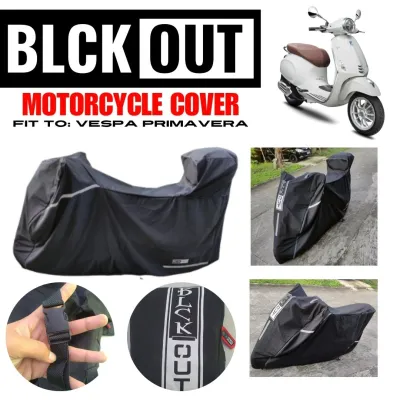
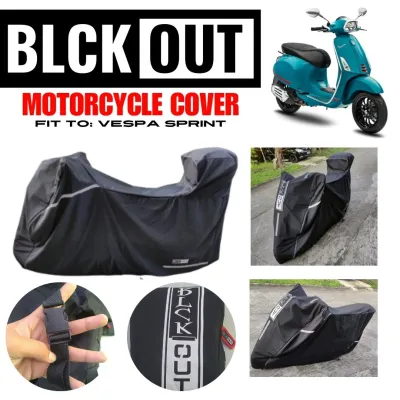
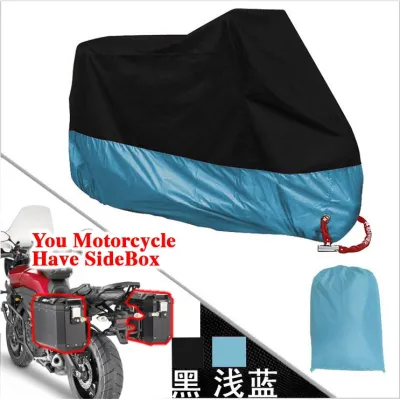
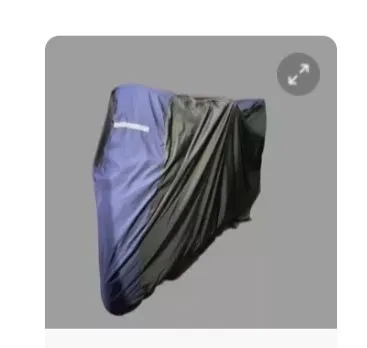
Prices are valid at publication and may change. Please refer to the product page for the latest price.
Indoor garages or basement parking spaces protect your scooter from the weather but introduce different risks. In these environments, the primary threats are fine dust accumulation, accidental scratches from passersby or stored tools, and ambient moisture. A heavy, fully waterproof outdoor cover is often unnecessary here and can actually trap humidity against the metal body, making a soft, breathable fabric a much better choice.
Consider how often you ride your Vespa when evaluating your parking setup. If you use your scooter daily for commuting, a heavy, multi-layered cover with complex buckles can become a chore to remove and pack away every morning. For frequent riders, a lightweight yet durable cover that folds quickly into a compact storage bag is highly practical. Conversely, if you store your scooter for weeks at a time, a heavier, more secure cover is ideal to ensure long-term protection.
Match Cover Features to Your Exposure Level
Once you identify your parking risks, you can match them to specific cover materials and fabric treatments. For outdoor parking, waterproofing is a primary requirement. Look for product labels that specify waterproof ratings and verify if the cover features heat-sealed or taped seams. Standard stitched seams without sealing can allow water to slowly drip through the needle holes during heavy downpours, pooling directly on your Vespa’s floorboard.

Prolonged exposure to tropical sunlight can cause vibrant Vespa paint colors to fade and make rubber grips brittle. To combat this, verify that the cover fabric has built-in UV-resistant coatings or treatments. Silver-coated or highly reflective outer layers are particularly effective at bouncing solar radiation away from the scooter, keeping the temperature underneath the cover lower.
In highly humid environments, breathability is just as important as water resistance. A completely sealed, non-breathable cover can trap rising ground moisture and warm air, creating a greenhouse effect underneath the fabric. This trapped condensation can lead to corrosion on chrome parts and mold growth on the leather seat. Look for covers equipped with dedicated ventilation panels or made from breathable micro-porous fabrics that allow moisture to escape while keeping rain out.
Avoid heavy, non-breathable plastic or vinyl covers if you park your scooter in warm, humid climates. These materials trap heat and moisture against the metal bodywork, which can accelerate rust and damage delicate electrical connections. Instead, opt for high-quality polyester or polyurethane-coated fabrics that offer a balance of water resistance, UV protection, and air circulation. If you park indoors, a soft, non-abrasive cotton or microfiber cover is excellent for preventing dust buildup without trapping moisture.
Verify Fit and Security for Your Vespa
A cover can only protect your Vespa if it fits properly and stays securely in place. Vespa scooters have a distinct, rounded silhouette that differs significantly from standard step-through underbones or sportbikes. Before purchasing, measure your scooter’s overall length, width, and height. You must factor in any installed accessories, such as a high windshield, a rear top case, or wide aftermarket mirrors, as these additions will require a larger cover size to prevent the fabric from stretching too tightly.
To prevent the cover from turning into a sail during high winds, check for robust fastening systems. Look for covers with strong elastic hems at the front and rear to hug the tires tightly. Adjustable belly straps that buckle underneath the frame are essential for keeping the cover anchored during sudden gusts. Additionally, reinforced grommets or pass-through holes near the front wheel allow you to slide a heavy-duty cable lock or U-lock through both the cover and the wheel, securing your scooter and cover simultaneously.
Avoid relying solely on generic “one-size-fits-all” or “medium motorcycle” labels on online marketplaces. Instead, consult the manufacturer’s specific sizing charts and look for covers designed explicitly for scooters or Vespa models. A cover that is too loose will flap violently in the wind, which can rub against the paintwork and create fine scratches, while a cover that is too tight can strain the seams and tear easily over time.
Consider how much of the wheels you want the cover to shield based on your security setup. Some riders prefer a cover that drapes all the way to the ground to completely hide the scooter from view and protect the tires from UV damage. Others prefer a slightly shorter cut that leaves the bottom of the front wheel exposed, allowing easy access to disc locks or ground anchors without dragging the fabric through wet puddles or dirt.
Inspect and Maintain Your Cover Over Time
Maintaining your Vespa cover is essential to ensure it continues to protect your scooter without causing unintended damage. Periodically inspect the cover for signs of wear, such as fraying seams, stretched-out elastic bands, or a peeling inner lining. A degraded inner lining can become abrasive, scratching the clear coat of your paintwork as you slide the cover on and off.
Keep the cover clean by following the manufacturer’s specific care instructions. Dust, grit, and bird droppings can accumulate on the cover over time, and if these particles migrate to the inside of the fabric, they can act like sandpaper against your scooter’s body. Gently hand wash the cover using mild soap and cool water, and avoid harsh detergents or machine washing unless the label explicitly permits it, as these can strip away waterproof coatings.
Always allow your Vespa’s engine and exhaust pipe to cool down completely before putting the cover on. The high temperatures of a recently ridden engine can easily melt synthetic fabrics like polyester or nylon, ruining the cover and leaving a difficult-to-remove plastic residue baked onto your exhaust shield. Check your scooter’s manual for any specific heat warnings regarding accessories and covers.
Never leave a wet cover on your Vespa for extended periods. After heavy tropical rainstorms, remove the cover and let both the scooter and the fabric dry completely in a well-ventilated area. Periodically uncovering your scooter during long-term storage allows fresh air to circulate, preventing moisture buildup in hidden crevices and keeping your Vespa in pristine, road-ready condition. Investing in a high-quality cover may cost a bit more upfront, but it prevents thousands of ₱ in paint restoration and rust repairs down the line.
Frequently Asked Questions (FAQ)
Can I use a generic motorcycle cover for my Vespa?
While a generic motorcycle cover can physically drape over a Vespa, it rarely provides an ideal fit due to the scooter’s unique retro shape. Generic covers are often cut for taller, narrower motorcycles, leaving excess fabric that can flap violently in the wind and cause micro-scratches on your Vespa’s smooth metal panels. A loose fit also leaves the lower wheels and engine bay exposed to splashing rain and dirt. For the best protection, look for covers specifically tailored for scooters, which feature dedicated pockets for mirrors and accommodate the wider rear bodywork and optional top cases.
Will a waterproof cover cause rust if left on for weeks?
A completely waterproof cover can contribute to rust if it lacks proper ventilation and is left on a damp scooter for weeks. When ground moisture rises or humidity levels fluctuate, condensation can become trapped beneath a non-breathable fabric, creating a damp environment that accelerates corrosion on metal parts and chrome trim. To prevent this, choose a cover with built-in ventilation flaps or breathable fabric membranes. Additionally, make it a habit to remove the cover every few days to let the scooter air out, and never cover your Vespa while it is still wet from a ride or a wash.

Community discussion
Share your experience or ask a question. Comments are reviewed before publication.