
Choosing the right Yema helmet for your budget requires balancing your daily riding needs with certified safety standards. While price tiers dictate the level of comfort, ventilation, and mechanical convenience you receive, every helmet you wear on public roads must meet baseline safety certifications. By identifying your primary riding environment—whether it is a short daily commute in heavy city traffic or long-distance weekend touring—you can allocate your budget to the features that matter most, such as dual-visor systems, removable liners, or modular chin bars.
In tropical environments like the Philippines, where high humidity, intense solar heat, and sudden torrential downpours are daily realities, helmet selection involves more than just finding the lowest price. Sweat, moisture buildup, and visor fogging can directly impact your riding safety and comfort. Understanding how different price points address these environmental challenges will help you make an informed decision that protects both your head and your wallet.
Defining Your Budget and Safety Non-Negotiables
Before looking at specific models or aesthetic designs, you must establish a realistic budget framework that prioritizes safety certifications above all else. A helmet is, first and foremost, a critical piece of safety restraint gear. In the local market, any helmet used on public roads must carry valid safety markings, such as the Import Commodity Clearance (ICC) sticker or the Philippine Standard (PS) mark. These local certifications indicate that the helmet model has undergone testing to verify its structural integrity and impact absorption capabilities.
Products mentioned in this guide
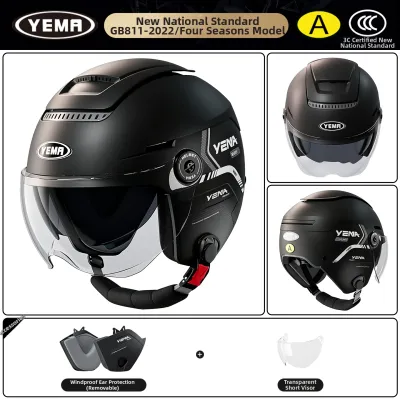
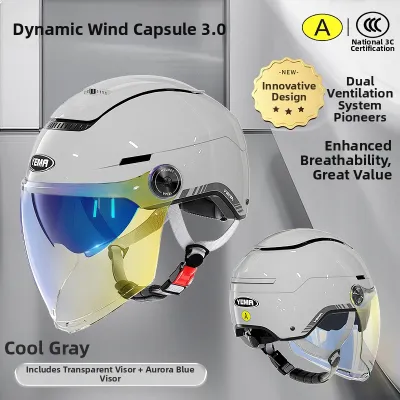
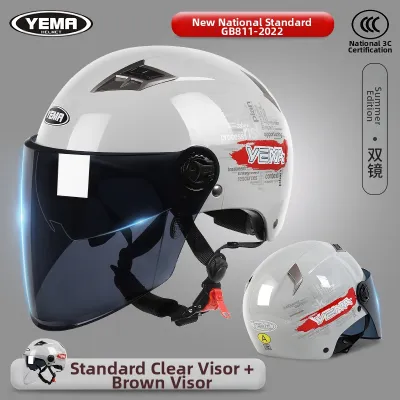
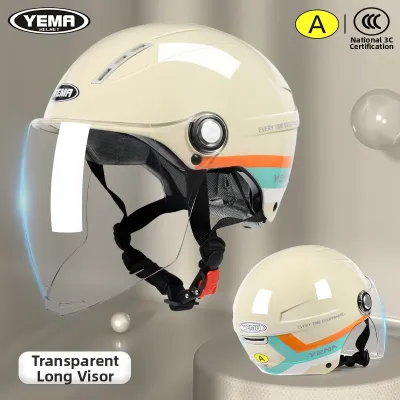
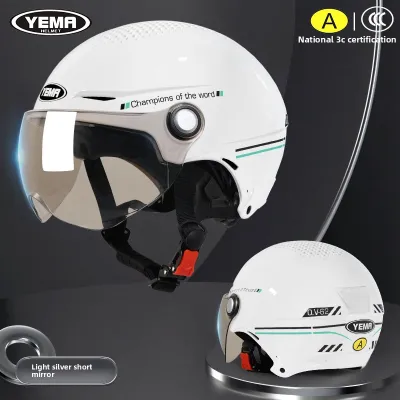
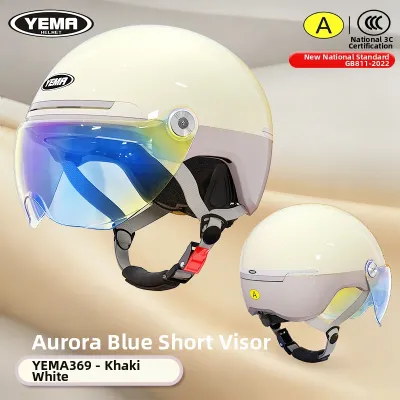
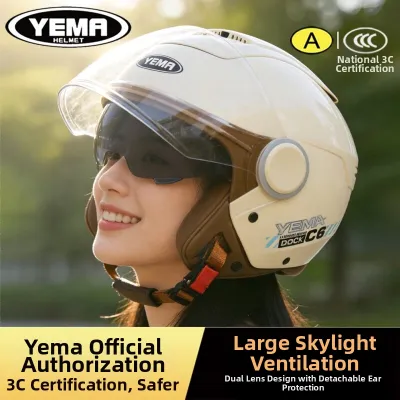
Prices are valid at publication and may change. Please refer to the product page for the latest price.
In addition to local markings, reputable manufacturers like Yema design their helmets to meet international safety standards. The most common standards you will encounter are the United States Department of Transportation (DOT) FMVSS 218 standard and the Economic Commission for Europe (ECE) 22.05 or 22.06 standards. These certifications ensure the helmet has passed rigorous tests involving shock absorption, penetration resistance, and retention system strength. Never compromise on these standards; an uncertified novelty helmet or a counterfeit unit offers virtually no protection in an accident, making it a dangerous budget trap.
When planning your budget, expect certified entry-level helmets to start around ₱1,500 to ₱2,500. Mid-range options with enhanced comfort features typically range from ₱2,500 to ₱4,500, while premium modular or highly specialized models can go upward of ₱5,000. By establishing these baselines, you can avoid extremely cheap, unbranded products that bypass safety testing.
To get the most value from your budget, create a clear decision matrix. Prioritize a correct, snug fit and verified safety certifications as your absolute non-negotiables. A perfectly fitting, certified entry-level helmet is safer than an expensive, loose-fitting premium helmet. Secondary features like elaborate graphic designs, aerodynamic rear spoilers, and integrated Bluetooth speaker pockets are areas where you can compromise to save money if your budget is limited.
Navigating Yema Helmet Categories by Price Tier
Yema offers a diverse lineup of helmets categorized by shell design, mechanical features, and intended riding scenarios. Understanding how these categories align with different price points allows you to match your budget to your specific daily riding habits.

At the entry-level tier, the focus is on simplicity and essential protection. These models are typically open-face (half-face) designs or basic full-face helmets. They utilize straightforward thermoplastic shells and standard single-visor configurations. While they provide the necessary impact protection, they generally offer fewer ventilation adjustments and basic, non-removable interior padding.
Stepping up to the mid-range tier introduces significant upgrades in daily usability and comfort. Here, you will find dual-visor systems featuring a drop-down inner sun shield, which is incredibly useful for navigating changing light conditions without swapping visors. Ventilation systems become more sophisticated, with adjustable intake and exhaust ports designed to channel air over the scalp. Additionally, mid-range models often feature fully removable and washable comfort liners, which are essential for maintaining hygiene in hot, humid climates.
The premium tier represents the pinnacle of convenience and advanced engineering within the brand’s lineup. This category is dominated by modular (flip-up) helmets that combine the structural protection of a full-face helmet with the convenience of an open-face design. These models feature advanced aerodynamic shaping to reduce wind drag and neck strain at highway speeds, multi-density EPS liners for progressive impact absorption, and superior noise-dampening materials to create a quieter riding experience.
Entry-Level and Daily Commuter Options
Entry-level Yema helmets are engineered primarily for short city commutes, low-speed urban riding, or as secondary helmets for pillion passengers. These models offer a cost-effective entry point into certified head protection without unnecessary complications.
When evaluating an entry-level option, perform several essential checks. Verify that the quick-release retention buckle operates smoothly and locks securely. Inspect the primary visor for optical clarity, ensuring there is no distortion that could impair your vision, especially during night rides under uneven street lighting. The padding should feel firm against your cheeks and forehead without causing sharp pressure points.
However, budget-conscious riders must accept certain trade-offs. Entry-level helmets often use slightly heavier thermoplastic shell materials, which can lead to mild neck fatigue during long, uninterrupted rides. The ventilation systems are usually basic, meaning air circulation may feel limited when idling in heavy traffic under the midday sun. Furthermore, non-removable liners require more effort to clean, often necessitating specialized helmet cleaning sprays rather than a simple machine wash.
Mid-Range and Touring Upgrades
If your daily ride involves longer distances, highway stretches, or extended touring, investing in a mid-range Yema helmet provides a substantial return in comfort and convenience. The upgrades in this tier directly address the physical fatigue associated with long-duration riding.
One of the most notable improvements in mid-range models is shell construction and weight distribution. By optimizing the shell shape and using refined materials, manufacturers can reduce overall weight and improve aerodynamics, significantly lowering wind resistance and neck strain. Noise dampening is also improved through thicker neck rolls and tighter visor seals, which help block out tiring wind roar at higher speeds.
For riders in tropical regions, the inclusion of a drop-down inner sun visor is a major benefit, allowing you to shield your eyes from intense glare instantly. Look for models that are pinlock-ready or feature anti-fog coatings to keep your vision clear during sudden downpours. Removable, moisture-wicking comfort liners are another critical upgrade, allowing you to wash away sweat and road grime regularly to prevent odors and skin irritation. Before purchasing, always verify the availability of replacement visors and cheek pads from authorized sellers to ensure you can maintain the helmet over its useful life.
Premium and Modular Features
Premium Yema helmets, particularly modular or flip-up designs, cater to riders who demand maximum versatility, advanced engineering, and long-distance touring comfort. These helmets allow you to raise the entire chin bar and visor assembly, making it easy to speak, drink water, or pay toll fees without removing the helmet entirely.
This mechanical convenience, however, introduces additional complexity. Modular helmets rely on pivot hinges, locking pins, and release buttons to function safely. It is critical to inspect these mechanisms regularly to ensure they lock securely into the full-face position. Look for models that utilize metal-on-metal locking mechanisms rather than plastic latches, as metal provides superior durability and impact resistance.
Premium models also feature advanced aerodynamic profiling developed to minimize buffeting at highway speeds. The internal safety liner typically consists of multi-density EPS, which is engineered to absorb impacts of varying intensities more effectively. Because of the moving parts and seals, modular helmets require careful maintenance. Ensure you check the manufacturer’s warranty terms and buy from authorized dealers who can provide support or replacement parts if the locking mechanism or visor seals require servicing.
Hidden Costs and Pre-Purchase Verification
When budgeting for a new helmet, the price tag on the box is rarely the final cost. To avoid unexpected expenses, you must factor in several additional variables before making your purchase.
First, consider shipping fees and local taxes if you are purchasing from an online marketplace or ecommerce platform. These costs can add up, especially for bulky items like helmets. Second, budget for essential accessories that may not be included in the box. If you ride in rainy or highly humid conditions, an anti-fog lens insert is a highly recommended accessory that prevents your visor from misting up. If you plan to use a Bluetooth communication system, verify that the helmet has dedicated speaker cutouts in the EPS liner; otherwise, you may face discomfort from speakers pressing against your ears, or you may need to purchase a more expensive, compatible headset.
Pre-purchase verification is critical to ensuring you receive a genuine, safe product. When shopping on online marketplaces, always verify the seller’s authenticity. Look for official brand flags, high positive rating percentages, and detailed customer reviews with photos of the actual product and safety stickers. Avoid listings with suspiciously low prices, as counterfeit helmets that mimic popular designs but lack real protective capabilities are common online.
Finally, never purchase a used motorcycle helmet, regardless of how attractive the price is or how pristine it looks. Helmets are designed to absorb the energy of an impact through the partial destruction or compression of the internal EPS liner. This damage is often invisible to the naked eye. A helmet that has been dropped onto a hard surface or involved in a minor crash may look perfect on the outside but offer zero protection in a subsequent impact. Always buy new from reputable sources to guarantee the structural integrity of your safety gear.
Frequently Asked Questions (FAQ)
Are cheaper Yema helmets safe for highway riding?
Yes, provided they carry valid safety certifications such as DOT, ECE, or local ICC markings. Safety is determined by these rigorous testing standards rather than the price tag alone. However, while a certified budget helmet will protect your head in an impact, highway riding exposes you to sustained high speeds, intense wind resistance, and elevated noise levels. Higher-priced helmets are specifically engineered to handle these conditions better, offering superior aerodynamic stability to prevent head buffeting, advanced noise-dampening materials to protect your hearing, and more efficient ventilation to keep you cool during long highway stretches.
How often should I replace my budget Yema helmet?
As a general industry standard, helmet manufacturers and safety organizations recommend replacing your helmet every three to five years of regular use, or five years from the date of manufacture. Over time, exposure to sweat, hair oils, cosmetics, UV rays, and temperature fluctuations gradually degrades the protective EPS liner and outer shell materials, reducing their ability to absorb impacts. Additionally, you must replace your helmet immediately if it is involved in any crash, dropped from a significant height onto a hard surface, or if you observe visible signs of wear, such as cracking in the outer shell or flaking of the internal foam.
Can I upgrade the visor on an entry-level Yema helmet?
Visor upgrade compatibility depends entirely on the specific model design. Some entry-level Yema helmets feature proprietary visor mechanisms that only support the standard clear shield included with the purchase. Other models share attachment systems with mid-range lines, allowing you to install tinted, mirrored, or iridium visors. Before buying, consult the manufacturer’s product specifications or contact an authorized dealer to verify which aftermarket visors are compatible with your exact model. Remember to factor the cost of any upgraded visors or anti-fog inserts into your total initial budget.

Community discussion
Share your experience or ask a question. Comments are reviewed before publication.