
Riding a motorcycle in the Philippines during the rainy season presents a unique set of challenges. Sudden afternoon downpours, flooded streets, and high humidity can turn a standard commute into a soaking, uncomfortable ordeal. While a waterproof jacket is a common purchase, protecting your lower half is equally critical to staying safe, dry, and focused on the road. Wet legs not only cause discomfort but can also lead to shivering, muscle stiffness, and reduced reaction times when navigating slippery roads.
Selecting the right gear requires understanding how different materials perform under tropical conditions. This guide will help you evaluate waterproof motorcycle pants using verifiable technical specifications, safety standards, and practical design features, ensuring you stay dry without overheating during the wettest months of the year. By focusing on construction quality and fit, you can make an informed investment that protects you from both the elements and the road.
Key Specifications to Evaluate Before Buying
When shopping for waterproof motorcycle pants, it is easy to be misled by vague marketing terms. Understanding the technical differences between various waterproofing methods is essential for selecting gear that will actually keep you dry during a heavy tropical deluge. The first distinction to make is between basic water-resistant coatings and true waterproof membranes.
Products mentioned in this guide
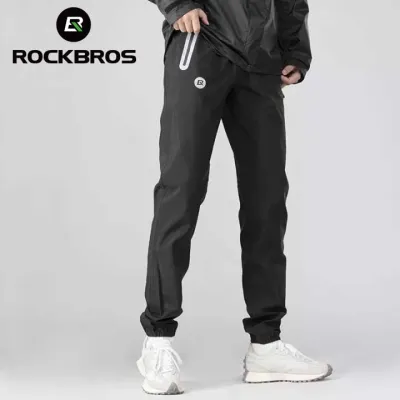
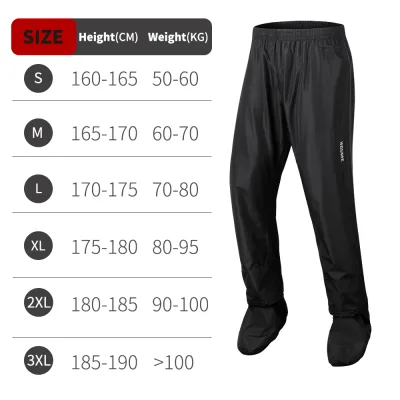
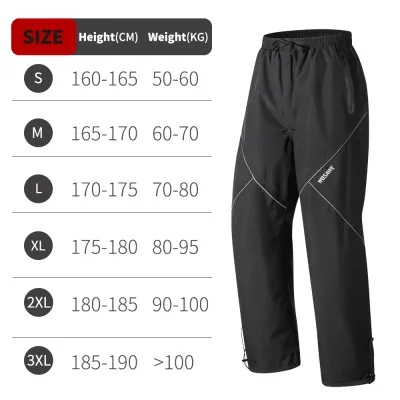
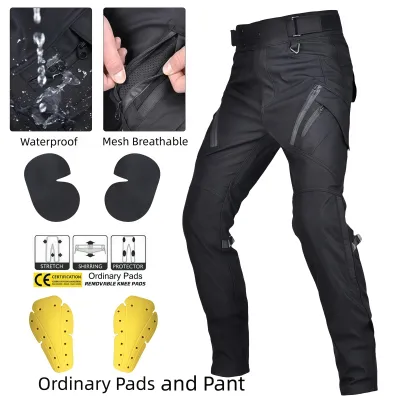
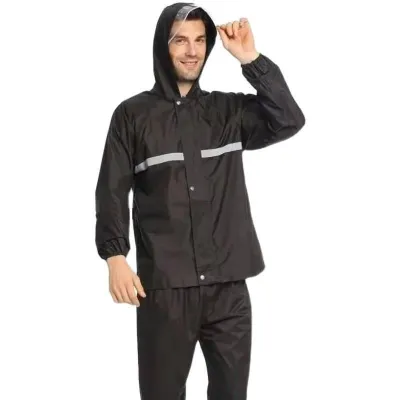
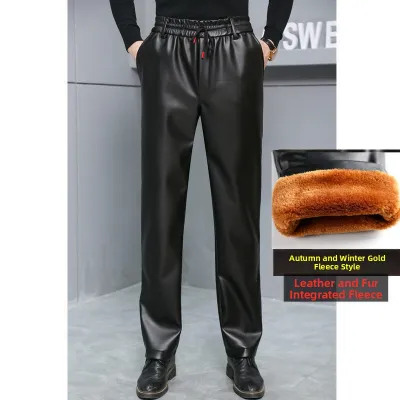
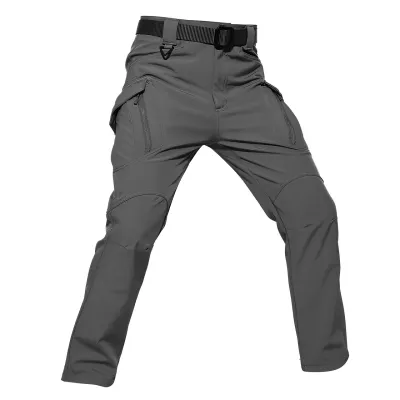
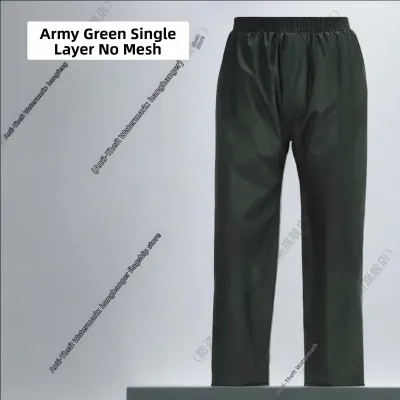
Prices are valid at publication and may change. Please refer to the product page for the latest price.
Water-resistant pants typically rely on a surface-level Durable Water Repellent (DWR) chemical treatment. While this treatment causes light rain to bead up and roll off the fabric, it quickly becomes saturated during prolonged exposure or heavy downpours. Once the coating is overwhelmed, water penetrates the fabric, leaving you soaked. For reliable protection during the monsoon season, look for pants featuring a dedicated waterproof membrane. These membranes are either laminated directly to the outer shell or suspended as a separate drop-liner inside the pants. Laminated construction is highly recommended for daily riders because it prevents the outer fabric from absorbing water, keeping the pants lightweight and quick to dry.
Even the most advanced waterproof fabric will fail if the construction details are overlooked. Water is highly opportunistic and will easily find its way through the tiny needle holes created during the stitching process. To prevent this, high-quality riding pants feature fully taped or heat-sealed seams on the interior. When inspecting gear at a local motorcycle shop or reviewing specifications on an online marketplace, verify that the seams are reinforced with waterproof tape. Additionally, pay close attention to the zippers. Standard zippers allow water to seep through the teeth almost instantly. Look for pants equipped with polyurethane-coated waterproof zippers or heavy-duty storm flaps that fold over the zipper track and secure with hook-and-loop fasteners.
Safety should never be compromised for weather protection. Waterproof motorcycle pants must still function as protective riding gear, which means they should include impact protectors at key areas. Look for pants that come with CE-certified armor (conforming to EN 1621-1 standards) at the knees and hips. It is crucial to verify how these armor pieces are secured inside the pants. When fabrics become wet, they can stretch, sag, or shift. If the internal armor pockets are too loose or poorly positioned, the protective pads can slide away from your joints during a fall, leaving you vulnerable to impact injuries. Opt for pants that feature adjustable armor pockets, allowing you to secure the protectors firmly in the correct position regardless of the weather.
Matching Pant Styles to Your Riding Routine
The best waterproof pants for your daily rides depend heavily on your routine, your destination, and how you plan to use the gear. Different riding scenarios require different pant constructions to balance protection, convenience, and comfort. Matching the style of the pants to your specific lifestyle will ensure you actually wear them every time you ride.

For daily commuters who need to transition quickly from the road to an office environment, over-pants are an exceptionally practical choice. These pants are designed with a generous cut to fit comfortably over your regular work trousers or jeans. The defining feature of high-quality over-pants is the inclusion of full-length or three-quarter-length side zippers. These zippers allow you to step into and out of the pants in seconds without needing to remove your riding boots. This convenience is invaluable when a sudden downpour catches you by surprise on the highway, allowing you to pull over and gear up quickly at the roadside.
If you prefer a more streamlined look and want to avoid carrying extra layers, integrated waterproof riding jeans are an excellent alternative. These pants are engineered to look like casual denim while incorporating advanced protective fibers, such as aramid or Cordura, woven directly into the fabric or added as an inner lining. Waterproofing is achieved through an integrated breathable membrane situated behind the denim layer. This design allows you to ride through the rain and walk straight into a meeting or casual gathering without needing to change clothes. However, keep in mind that because the outer denim layer is not laminated, it can absorb water and become heavy, taking longer to dry once you reach your destination.
For long-distance touring, adventure riding, or highway cruising, heavy-duty touring trousers offer the highest level of protection and utility. These pants are constructed from high-denier synthetic fabrics, such as 500D or 1000D nylon, which provide superior abrasion resistance. They often feature a multi-layer design with a removable waterproof liner and a separate thermal liner. This modularity is highly beneficial for riders who travel across different elevations and microclimates, where temperatures can drop significantly. Touring trousers also include reinforced panels in high-wear areas, such as the knees and seat, along with multiple cargo pockets for convenient storage of essential items.
Essential Safety and Comfort Features for Tropical Rain
Riding in wet conditions introduces unique safety hazards and physical discomforts that standard dry-weather gear does not have to address. When selecting waterproof pants, look for specific design elements engineered to manage the challenges of hot, humid, and wet tropical environments.
One often-overlooked feature is the inclusion of anti-slip seat panels. When your motorcycle saddle becomes wet, standard textile fabrics lose traction, causing you to slide forward or backward during acceleration and braking. This lack of stability can compromise your control of the motorcycle, especially during emergency maneuvers on slippery roads. High-quality waterproof pants feature textured, high-grip panels made of silicone or reinforced leather on the seat area. These panels ensure you remain firmly planted in the saddle, allowing you to maintain proper riding posture and control even in a heavy downpour.
Managing heat and humidity is another critical factor for riders in the Philippines. Wearing fully sealed waterproof gear in tropical weather can quickly create a greenhouse effect inside your pants, leading to excessive sweating and discomfort. To combat this, look for pants equipped with strategic ventilation zippers. These vents are typically located on the thighs, where airflow is highest. When the rain stops but the air remains muggy, you can unzip these vents to allow fresh air to circulate and carry away trapped body heat. To maintain waterproof integrity when closed, these vents must feature highly reliable waterproof zippers and storm flaps.
Visibility drops dramatically during heavy tropical rainstorms, making it difficult for other motorists to see you. To reduce the risk of collisions, your riding gear must feature high-visibility reflective accents. Look for pants with retroreflective piping, panels, or logos strategically placed along the outer calves, thighs, and ankles. These reflective elements catch the headlights of surrounding vehicles, ensuring your silhouette remains visible from multiple angles in low-light, misty, or torrential rain conditions.
How to Verify Sizing and Fit for Layering
Choosing the correct size for waterproof motorcycle pants is more complex than selecting casual wear. Because these pants are often worn over other clothing and must accommodate protective armor, a precise fit is essential for both comfort and safety.
To find your correct size, start by taking accurate physical measurements. Do not rely on your standard jeans size, as motorcycle gear sizing varies significantly between manufacturers. Use a flexible measuring tape to measure your waist at the navel level and your inseam from the crotch to the ankle bone. Crucially, take these measurements while wearing the clothes you plan to ride in, such as your office slacks or thermal base layers. If you are purchasing over-pants, you may need to size up slightly to ensure there is enough room to accommodate your under-layers without restricting your range of motion.
Adjustability is key to achieving a secure, comfortable fit that prevents wind flapping and water intrusion. Look for pants that feature adjustable waist straps, which allow you to tighten or loosen the waistband depending on the thickness of your under-layers. Stretch panels located above the knees and on the lower back are also highly beneficial, as they allow the pants to flex naturally with your body when mounting or dismounting the motorcycle. Additionally, ensure the pants have adjustable calf closures, such as velcro straps or zippers, which allow you to create a tight seal around your riding boots to prevent water from splashing up into your pant legs.
Finally, pay attention to the cut of the pants. Dedicated motorcycle pants are designed with a pre-curved riding cut, meaning the legs are ergonomically shaped to match the natural bend of your knees when seated on a motorcycle. This design prevents the fabric from bunching up behind your knees and, more importantly, stops the pant cuffs from riding up your shins. If the pants ride up too high while you are in the saddle, they will expose your ankles and the tops of your boots to rain, leading to wet feet despite the waterproof fabric.
Caring for Your Gear to Maintain Waterproof Performance
Investing in high-quality waterproof motorcycle pants is only half the battle; proper maintenance is required to ensure the waterproof membrane remains effective through multiple rainy seasons. Neglecting care instructions can permanently damage the technical fabrics and lead to premature leaks.
When it comes to cleaning your gear, always consult the manufacturer’s care label first. Standard household laundry detergents should be strictly avoided. These detergents contain harsh surfactants, fragrances, and optical brighteners that leave a chemical residue on the fabric. This residue can clog the microscopic pores of breathable membranes, destroying their ability to let sweat escape, or strip away the outer water-repellent coating. Instead, use a specialized technical wash designed specifically for waterproof outdoor apparel. Wash the pants on a gentle cycle with cold water, and never use fabric softeners, bleach, or heavy spin cycles, which can delaminate the waterproof membrane.
Over time, the outer Durable Water Repellent (DWR) coating will naturally wear off due to friction, dirt accumulation, and washing. You will know the DWR has failed when rainwater no longer beads up on the surface of the pants and instead begins to soak into the outer fabric, a condition known as “wetting out.” While the inner membrane may still keep you dry, a wetted-out outer fabric blocks breathability and makes the pants feel heavy and cold. To restore this performance, periodically reapply a spray-on or wash-in DWR treatment after washing the pants. This simple step restores the hydrophobic properties of the outer shell, ensuring water continues to bead and roll off.
Proper drying and storage are critical in the humid tropical climate of the Philippines. Never store damp riding gear in a closed closet, gear bag, or under your motorcycle seat. The combination of moisture, heat, and lack of airflow creates an ideal environment for mold, mildew, and bacteria to thrive, which can rot the fabric and ruin the waterproof membrane. After riding in the rain or washing your pants, hang them on a heavy-duty hanger in a well-ventilated, shaded indoor area. Allow them to air dry completely before storing them in a cool, dry place away from direct sunlight, which can degrade synthetic fibers over time.
Frequently Asked Questions (FAQ)
Can I use regular rain pants instead of dedicated motorcycle pants?
While regular rain pants designed for hiking or general outdoor use are highly waterproof, they are not suitable for motorcycle riding. Generic rain pants lack the essential abrasion resistance required to protect your skin during a slide on asphalt. They are typically made of thin nylon or PVC, which can tear instantly upon impact or melt if they accidentally touch a hot motorcycle exhaust pipe. Furthermore, regular rain pants do not include impact-absorbing armor at the knees and hips, leaving your joints completely unprotected in the event of an accident.
How do I know if the waterproof membrane is still working?
You can assess the condition of your pants by performing a simple water test. Spray clean water onto the outer shell of the pants. If the water beads up and rolls off easily, both the outer DWR coating and the inner membrane are functioning correctly. If the outer fabric absorbs the water and darkens, the DWR has worn off, but you may still remain dry inside if the inner membrane is intact. However, if you feel moisture seeping through to your skin or under-layers during a ride, the waterproof membrane or the seam tape has failed, indicating that the gear needs to be repaired or replaced.
Are waterproof motorcycle pants too hot for tropical weather?
Waterproof motorcycle pants can feel warmer than standard mesh riding pants, but modern technical designs are engineered to manage heat effectively in humid climates. High-quality pants utilize breathable membranes that allow microscopic moisture vapor (your sweat) to escape while preventing larger water droplets (rain) from entering. To stay comfortable, choose pants with large, zippered ventilation panels that can be opened when it is dry and muggy. Additionally, wearing a moisture-wicking base layer underneath your riding pants can help pull sweat away from your skin, keeping you cool and preventing the waterproof lining from sticking to your legs.

Community discussion
Share your experience or ask a question. Comments are reviewed before publication.