
To know if a seat cover will properly fit your Honda Click 125i, you must verify your scooter’s specific generation, check for model-specific tailoring rather than universal sizing, and inspect your seat’s current physical state. Because this popular scooter has undergone several design updates over the years, a cover designed for an older model will not align correctly with the contours of a newer version. Taking the time to cross-reference dimensions, inspect your seat foam, and understand the installation requirements will save you from the frustration of loose material, water pooling, or a cover that simply refuses to stretch over the seat pan.
Quick Checks for Honda Click 125i Seat Cover Compatibility
The first step in ensuring a proper fit is identifying the exact model year and generation of your Honda Click 125i. In the Philippines, this scooter has seen multiple iterations, commonly referred to by riders and shops as the V1, V2 (often called the “Game Changer”), and the newer V3 or V4 versions. Each of these generations features subtle but significant changes in the bodywork, which directly affect the shape, width, and tail taper of the seat pan. A cover tailored for a V1 will be too loose or too tight on a V3, leading to unsightly wrinkles or torn seams.
When browsing for options, look specifically for “model-specific” or “custom-fit” labels in the product title and description. Avoid generic “universal” stretch covers, which are designed to fit a wide range of scooters but rarely conform to the sharp, aggressive angles of the Click 125i. Always verify that the product description explicitly lists the Honda Click 125i alongside your specific production year. If a listing only mentions “Honda Click” without specifying the engine displacement or the year, treat it with caution and contact the seller to verify the exact dimensions before making a purchase.
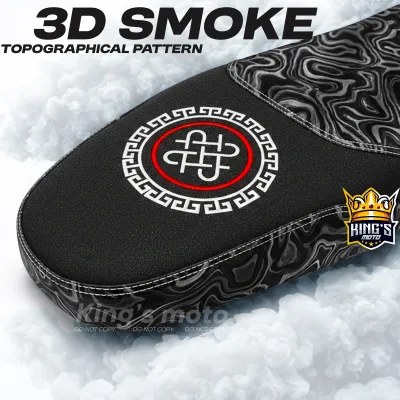
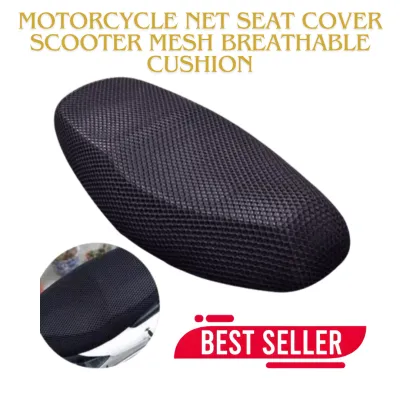
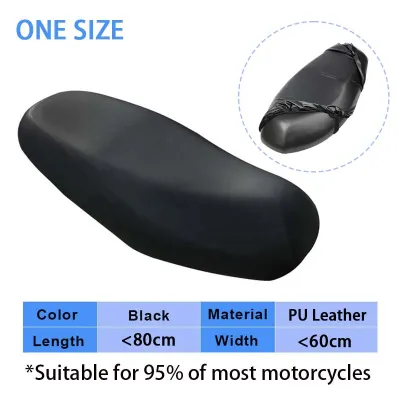
Products mentioned in this guide
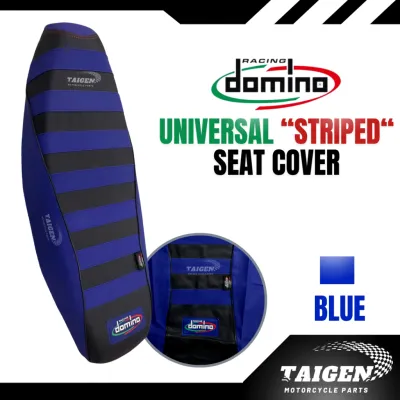
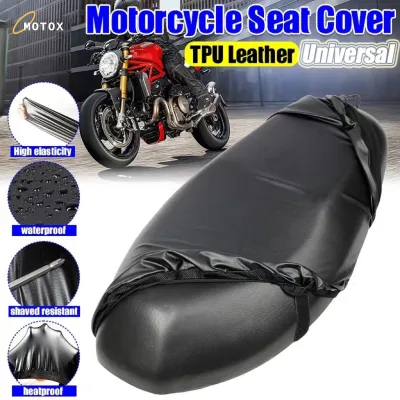
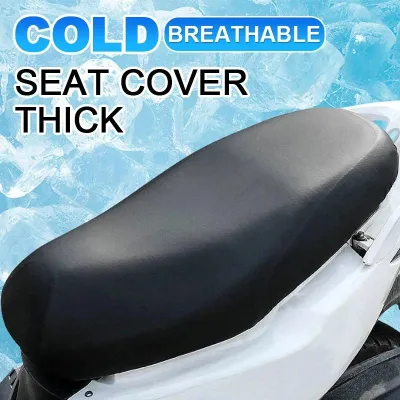
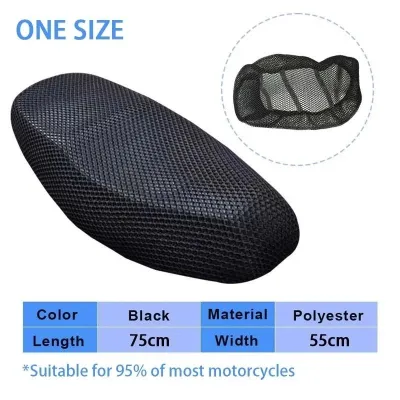
Prices are valid at publication and may change. Please refer to the product page for the latest price.
Why Generic Seat Covers Often Fit Poorly on the Click 125i
Generic seat covers are designed as a one-size-fits-all solution, which inherently conflicts with the highly contoured design of the Honda Click 125i. The Click’s seat features a distinct stepped profile that separates the rider’s section from the pillion passenger’s area. Universal covers lack the tailored stitching, pre-shaped curves, and specific elastic tension required to hug these transitions. Consequently, when you install a generic cover, it tends to bridge over the stepped dip, leaving an empty pocket of air underneath that sags and slides whenever you sit down.

Furthermore, the tropical climate of the Philippines introduces environmental factors that accelerate fitment issues in low-quality, generic materials. High humidity, heavy monsoon rains, and intense sun exposure cause cheap fabrics to stretch out permanently or degrade rapidly. When a cover loses its elasticity, it begins to wrinkle and trap rainwater in the folds. This trapped moisture can seep through the seams, leading to damp rides and accelerated foam degradation underneath.
Another common issue is installing a new cover over compressed or water-damaged original foam. Over years of daily commuting, the original seat foam naturally compresses, loses its rebound, or develops deep grooves from rider weight. If you stretch a new, tightly tailored cover over collapsed foam, you will find that the cover does not sit flush. This mismatch creates gaps, slipping, and an uneven riding surface that compromises your comfort and stability on the road.
How to Verify Fitment Before You Buy
Before purchasing from an online marketplace or a local accessory shop, you should systematically cross-reference the seller’s compatibility list with your motorcycle’s exact year model. Do not assume that a cover listed for a “Honda Click 2020” will automatically fit a 2024 model. Manufacturers frequently update the seat pan molds during mid-generation refreshes to improve under-seat storage capacity or adjust rider ergonomics, which alters the outer dimensions of the seat.
To gain real-world insights, spend time reading user reviews and the Q&A sections specifically from other Honda Click 125i owners. Look for reviews that mention the tightness of the fit, how well the seams align with the edges of the seat, and whether the material requires excessive stretching during installation. Other riders often share photos of their completed installations, which can give you a clear visual representation of how the cover actually looks on your specific scooter generation.
Additionally, always confirm the seller’s return and exchange policy before finalizing your purchase. Even with careful research, minor manufacturing variances can occur. You want to ensure that if the cover does not stretch correctly, fails to align with the seat hinges, or interferes with the grab rails, you can return it without hassle. A reputable seller should offer clear guidelines on returns for uninstalled, undamaged items.
Measuring and Inspecting Your Current Seat
Before you order a replacement cover, it is essential to perform a physical inspection and take precise measurements of your current seat. Start by removing the seat assembly from your scooter according to your original vehicle manufacturer’s instructions. Inspect the original foam thoroughly for deep grooves, tears, or structural damage. If the foam is severely gouged or holds water like a sponge, stretching a new cover over it will not solve the underlying comfort or aesthetic issues; you may need to repair or dry the foam first.
Next, use a flexible measuring tape to record the key dimensions of your seat pan. Measure the total length from the front nose to the rear tip, the width at the widest section of the pillion seat, and the width at the narrowest section where the rider sits. Compare these measurements against the manufacturer’s stated dimensions for the cover. Keep in mind that a proper custom-fit cover should be slightly smaller than the seat itself to ensure a tight, wrinkle-free stretch, but it must have enough excess material around the edges to wrap under the seat pan for securing.
Finally, check the condition of the original staples, hinges, and grab rails underneath the seat. Over time, road grime and moisture can cause the staples to rust and the plastic seat pan to degrade. Ensure that the plastic edge of the seat pan is sturdy enough to hold new staples or tension cords.
Please note that removing and reattaching components like the grab rail, seat hinges, or latch mechanisms can affect the structural integrity and safety of your motorcycle. Always refer to your original vehicle documentation for proper torque specifications and assembly steps. If you are uncomfortable performing these mechanical steps or lack the proper tools, seek assistance from a qualified professional mechanic or a specialized motorcycle upholstery shop.
Handling Modified or Reupholstered Seats
If your Honda Click 125i currently has a modified seat—such as added gel inserts, shaved foam for a lower ride height, or a custom-sculpted profile—standard, pre-cut seat covers will not fit. Custom foam shaping completely alters the original dimensions and contours of the seat pan. Attempting to force a standard cover over a modified seat will result in extreme tension on the seams, leading to premature tearing, or leave loose, flapping fabric in areas where foam was removed.
Stretching a pre-cut cover over altered foam also presents safety risks. If the cover is too tight, it can compress the foam further, making the ride incredibly harsh. If it is too loose, the material can slide across the seat pan during sudden braking or cornering, shifting your body weight unexpectedly and compromising your control of the scooter.
When dealing with any non-stock seat configuration, the most reliable course of action is to stop and consult a professional motorcycle upholstery shop. A skilled upholsterer can take custom measurements of your modified seat, select the appropriate marine-grade materials suitable for the tropical climate, and stitch a bespoke cover that matches your unique seat profile securely. This ensures both a clean look and a safe, secure ride.
Frequently Asked Questions (FAQ)
Can I use a Honda Click 150i or 160i seat cover on my 125i?
While the Honda Click 125i and 150i share many body panels and frame components across corresponding generations, you must verify the exact model year before assuming their seat covers are interchangeable. In many model years, the 125i and 150i use the exact same seat pan, making the covers compatible. However, the Honda Click 160i features a completely redesigned chassis, body shape, and wider seat pan. A seat cover designed for the Click 160i will be significantly too large and loose for a Click 125i, while a 125i cover will not stretch far enough to fit a 160i. Always check the manufacturer’s compatibility list for your specific engine displacement and model year.
Do I need to remove the grab rail to install the seat cover?
Yes, in almost all cases, you must remove the rear grab rail to properly install a custom-fit seat cover on your Honda Click 125i. The grab rail sits flush against the rear section of the seat, blocking access to the underside of the seat pan where the cover must be wrapped and secured. Attempting to slide a cover on without removing the grab rail will prevent you from achieving the necessary tension, resulting in a loose, wrinkled fit at the back of the seat. Always follow your vehicle’s service manual instructions to safely remove the grab rail bolts, and ensure they are reinstalled and torqued correctly afterward.
What tools are required to replace the seat cover myself?
To successfully replace your Honda Click 125i seat cover at home, you will need a few basic tools. First, a socket wrench set is required to remove the seat hinges and the rear grab rail bolts. Next, you will need a flathead screwdriver or a dedicated staple remover to carefully pry out the old, rusted staples from the underside of the seat pan. For the installation of the new cover, a heavy-duty manual or pneumatic stapler with short, rust-resistant staples is essential to secure the material tightly to the plastic seat pan. A pair of pliers is also helpful for pulling the material taut as you work your way around the seat.

Community discussion
Share your experience or ask a question. Comments are reviewed before publication.