
Finding a safe, legally compliant, and stylish green motorcycle helmet in the Philippines requires balancing your personal budget with strict national safety standards. Whether you are looking for a high-visibility neon green for daily commuting in heavy city traffic or a matte olive green for a classic retro look, your helmet must carry the proper certification to protect your life and keep you compliant with local laws. Navigating the market involves understanding how price points dictate material quality, comfort, and paint durability, while ensuring that the physical helmet features a genuine safety mark. By evaluating your riding habits and verifying certification details, you can secure a reliable green helmet that fits your financial plan without compromising on road safety.
Understanding PSB and ICC Certification Standards
In the Philippines, motorcycle helmets must meet rigorous safety benchmarks established by the government to ensure adequate head protection during an impact. The Land Transportation Office (LTO) and the Department of Trade and Industry (DTI) enforce these rules through two distinct certification marks: the Philippine Standard (PS) mark—often referred to as the PSB certification for locally manufactured or specific regional standards—and the Import Commodity Clearance (ICC) sticker. The PS or PSB mark is typically applied to helmets manufactured within the country or those passing specific domestic quality audits, while the ICC sticker is mandatory for all imported helmets entering the local market. Both marks serve as official proof that the helmet has undergone impact attenuation, penetration, and retention system tests.
A genuine certification sticker possesses distinct physical characteristics designed to prevent tampering and counterfeiting. Authentic ICC and PSB stickers feature holographic elements that shimmer or shift colors when tilted under direct light, making flat, color-printed photocopies easy to spot. These stickers are also printed with a unique, highly legible serial number and a specific batch code that corresponds directly to the manufacturer’s import documents. They are typically affixed to the rear lower section of the helmet shell, protected by a clear over-coat or designed with tamper-evident adhesive that shreds if anyone attempts to peel and transfer the sticker to an uncertified helmet.
Products mentioned in this guide
![[KGC] KGC MINT GREEN Motorcycle / Bike Helmet Open Face None Visor Nutshell Bike Bicycle Capac Lens Visors With Wind Protection](https://img.lazcdn.com/g/p/0e5f4ee296927cb3e52d8b60d29f39a5.png_400x400q80.png_.webp)
Prices are valid at publication and may change. Please refer to the product page for the latest price.
Riding with an uncertified, counterfeit, or non-compliant helmet on public roads carries severe safety risks and legal consequences under the Motorcycle Helmet Act of 2009 (Republic Act No. 10054). In the event of a collision, uncertified helmets often fail structurally, cracking easily or flying off the rider’s head due to substandard chin straps and weak outer shells. Legally, traffic enforcers can issue hefty fines for failing to wear a certified helmet, with penalties escalating for repeat offenses, alongside the potential confiscation of your driver’s license. Investing in a verified green helmet is not merely an aesthetic choice, but a critical legal and life-saving requirement for every journey.
What to Expect from Green Helmets at Different Budget Tiers
When shopping for a green motorcycle helmet, your budget directly influences the quality of the materials, the sophistication of the ventilation, and the longevity of the exterior finish. Lower-priced options focus primarily on meeting basic safety baselines, using heavier materials and simpler manufacturing processes to keep costs down. As you move up the pricing ladder, manufacturers introduce advanced composite materials that reduce overall weight, along with more refined interior liners that manage sweat and humidity more effectively.

The availability and quality of green finishes also shift dramatically across different price brackets. Entry-level helmets generally offer basic gloss or matte green paint options, which may be more susceptible to UV fading and minor scratches over time. Mid-range and premium tiers introduce highly durable paint formulations, including metallic forest green, high-visibility fluorescent green, and intricate multi-color graphics that resist chipping. Furthermore, higher-end helmets often come with extended manufacturer warranties and better access to replacement parts, such as matching green peak visors, replacement cheek pads, and specialized visor mechanisms.
Entry-Level Options (Under ₱2,000)
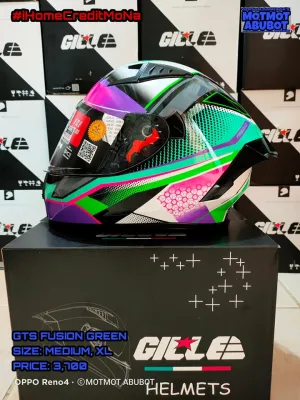
Helmets priced under ₱2,000 represent the entry point for budget-conscious riders, daily short-distance commuters, and those seeking a secondary passenger helmet. At this price tier, the outer shell is almost universally constructed from standard Acrylonitrile Butadiene Styrene (ABS) plastic. While ABS plastic is highly impact-resistant and capable of passing basic ICC certification tests, it is inherently heavier than advanced composites, which can lead to neck fatigue during prolonged riding sessions.
These budget-friendly green helmets typically feature standard clear visors with basic single-stage pivot mechanisms and simple, non-adjustable ventilation ports. The interior comfort liners are often made from basic synthetic fabrics that offer limited moisture-wicking capabilities, and in many cases, the cheek pads are non-removable, making deep cleaning a challenge in the hot, humid local climate. While these helmets provide the necessary legal compliance and basic impact protection, riders should expect a shorter overall lifespan and faster wear on the interior padding.
Mid-Range Choices (₱2,000 to ₱5,000)
The ₱2,000 to ₱5,000 price range is widely considered the sweet spot for daily commuters seeking a balance of comfort, durability, and style. Helmets in this category often utilize upgraded polycarbonate shells or advanced ABS blends, which offer superior structural integrity while shedding noticeable weight. The aerodynamic profiles are also more refined, reducing wind drag and buffeting when riding at highway speeds.
Ventilation systems in mid-range helmets are significantly improved, featuring multiple adjustable intake and exhaust vents that channel air through channels molded into the inner EPS liner. This active airflow is paired with fully removable, washable, and hypoallergenic interior liners, which are essential for maintaining hygiene and comfort during hot afternoon rides. Riders shopping in this tier will find a much wider selection of premium green finishes, including deep matte military green, vibrant neon green accents, and high-quality clear coats that protect the paint from minor road debris.
Premium Selections (Above ₱5,000)
For touring enthusiasts, high-speed riders, and gear collectors, premium helmets priced above ₱5,000 offer top-tier safety technologies and exceptional refinement. These helmets are constructed using lightweight composite fiber shells, such as fiberglass, aramid, or carbon fiber blends, which provide maximum energy absorption while keeping the helmet incredibly light. The interior EPS liners often feature multi-density zones designed to manage both high- and low-speed impacts more effectively.
Premium green helmets boast advanced visor systems, including optical class 1 visors that eliminate distortion, integrated drop-down sun shields, and pre-installed Pinlock anti-fog insert lenses. The paintwork on these models is highly sophisticated, featuring UV-resistant clear coats over intricate green graphics, metallic flakes, or specialized matte finishes that resist fingerprint oils and environmental staining. Additionally, these high-end models offer superior sound insulation to reduce wind noise, emergency quick-release cheek pads for medical personnel, and dedicated pockets for Bluetooth communication systems.
Evaluating Helmet Styles: Full-Face vs. Open-Face
Choosing between a full-face and an open-face green helmet involves weighing maximum safety against daily convenience and ventilation. Full-face helmets provide the highest level of protection by fully enclosing the head, face, and jaw, which statistical accident data shows is a common point of impact during motorcycle crashes. They also offer superior protection against the elements, shielding your face from heavy tropical downpours, flying road debris, and exhaust fumes during stop-and-go city riding.
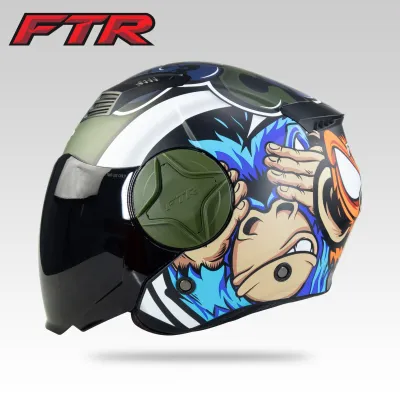
Open-face or three-quarter helmets, on the other hand, offer unmatched ventilation and a wider field of peripheral vision, making them highly popular for low-speed city commuting and retro-style scooters. However, they leave the chin and face exposed to direct impacts and harsh weather conditions. When it comes to aesthetics, green colorways translate differently across these shapes; a full-face helmet provides a large canvas for aggressive, high-visibility green racing graphics, while an open-face helmet excels at showcasing classic, solid matte olive or vintage British racing green finishes.
Visor functionality and replacement part availability also differ significantly between these two styles. Full-face helmets generally feature complex, tool-less visor removal systems that make swapping from a clear daytime visor to a tinted one quick and easy. Open-face helmets often utilize classic three-snap visor attachments or integrated peak visors that help block the intense tropical sun. Before purchasing either style, verify that replacement visors, peak shields, and mounting plates are readily available from local distributors, as these components naturally wear out over time.
How to Verify Certification and Avoid Counterfeits
With the rise of counterfeit safety gear in online marketplaces, verifying the authenticity of your green helmet’s PSB or ICC certification is crucial before hitting the road. Start by performing a close physical inspection of the certification sticker on the back of the helmet. A genuine sticker will have sharp, clear printing, a metallic or holographic sheen that reflects light, and a unique serial number that does not match other helmets on the shelf. If the sticker looks like a flat paper printout, peels off easily without tearing, or lacks a serial number, it is highly likely a counterfeit.
Next, look inside the helmet and peel back the comfort liner to inspect the permanent manufacturer’s label affixed directly to the EPS foam or the chin strap. This label must display the manufacturer’s name, the specific model designation, the manufacturing date, and the country of origin. All of this information must match the details printed on the helmet’s original packaging, the user manual, and the official import documents. Any discrepancies in the model name or production batch are immediate red flags.
To complete your verification, cross-reference the helmet’s brand and model with the official list of certified products maintained by the Department of Trade and Industry (DTI) Bureau of Philippine Standards (BPS). You can access these registries online or consult authorized local distributors who can provide official certificates of conformity. Purchasing your green helmet exclusively from established, physical retail stores or official brand flagship outlets remains the most reliable way to guarantee that your safety gear is genuine and legally compliant.
Caring for Green Helmet Shells and Visors
Proper maintenance is essential to preserve the vibrant color, protective clear coat, and structural integrity of your green helmet. When cleaning the outer shell, always avoid harsh chemical solvents, glass cleaners, or abrasive detergents, as these can chemically degrade polycarbonate shells and strip away matte or gloss paint finishes. Instead, use a soft microfiber cloth dampened with lukewarm water and a mild, pH-neutral soap, such as baby shampoo or mild dishwashing liquid, to gently lift dirt, road grime, and squashed insects.
Storing your helmet correctly is just as important as cleaning it, especially in a tropical climate characterized by high heat and humidity. Prolonged exposure to direct sunlight can cause vibrant green pigments, particularly fluorescent and neon shades, to fade prematurely due to UV radiation. Store your helmet in a cool, dry, well-ventilated indoor space, preferably inside a breathable cloth helmet bag, and keep it away from areas with high ambient heat, such as the trunk of a car or near engine exhaust systems, which can degrade the shock-absorbing EPS liner.
Finally, establish a regular inspection routine to check your helmet for signs of structural compromise. Inspect the green outer shell closely under good lighting for any micro-cracks, deep gouges, or areas where the shell feels unusually soft or flexible. Remember that motorcycle helmets are designed to deform and absorb energy during a single significant impact; if your helmet is dropped from a height or involved in a minor accident, the internal EPS liner may compress permanently without showing visible damage on the green paint. If you suspect any structural compromise, or if the helmet has reached five years of use from its manufacturing date, it should be retired and replaced immediately.
Frequently Asked Questions (FAQ)
Does the color green fade faster than other helmet colors under the sun?
Bright green pigments, especially high-visibility neon and fluorescent shades, are more susceptible to UV degradation and fading than standard darker colors. The intense tropical sun emits strong ultraviolet rays that break down the chemical bonds in these bright pigments over time. To protect your helmet’s vibrant green finish, store it indoors away from direct sunlight, clean it only with mild soaps, and consider applying a specialized, manufacturer-approved UV-protectant wax or spray designed specifically for matte or gloss motorcycle helmet finishes.
Can I apply aftermarket stickers to my PSB/ICC-certified green helmet?
Applying aftermarket stickers to your certified green helmet is generally discouraged unless the stickers and their adhesives are explicitly approved by the helmet manufacturer. Many common vinyl stickers use solvent-based adhesives that can chemically react with and weaken polycarbonate or ABS plastic shells, compromising their ability to absorb impacts. If you choose to apply decals, ensure they are water-based or use mild adhesives, and never place them over ventilation ports, visor mechanisms, or the official PSB/ICC certification stickers, as covering these safety marks can lead to fines during roadside inspections.
Are tinted visors legal for green helmets in the Philippines?
Under local traffic regulations, heavily tinted, mirrored, or colored visors are generally restricted for nighttime use due to the severe reduction in visibility on poorly lit roads. During bright daylight hours, tinted visors are legal and highly beneficial for reducing glare and eye strain under the intense sun. To stay compliant and safe, many riders opt for helmets with integrated, drop-down internal sun shields, which allow you to maintain a clear outer visor for night riding while enjoying instant sun protection during the day, or they carry a spare clear visor for evening journeys.

Community discussion
Share your experience or ask a question. Comments are reviewed before publication.