
In the Philippines, the intense tropical heat and high humidity can take a heavy toll on your car’s interior. Factory shift knobs made of synthetic leather or soft-touch plastics often degrade, peel, or become sticky over time. Replacing a worn-out shifter with a new knob handle for car is a practical upgrade that restores both comfort and control. However, before purchasing an aftermarket replacement from an online marketplace or local auto shop, you must determine exactly what type of shift knob fits your vehicle’s specific transmission and shifter shaft.
Finding the right knob handle for car depends on your transmission type, the specific attachment style of your shifter lever, and checking for mechanical interference like reverse lockouts. A mismatch can lead to loose fitment, damaged threads, or even dangerous driving conditions if the knob detaches while shifting. By taking a few precise measurements and verifying your vehicle’s mechanical layout, you can confidently select a compatible upgrade.
Identify Your Transmission Type and Shift Mechanism
The first step in selecting a compatible knob handle for car is identifying your transmission type and its specific shifting mechanism. While the distinction between manual and automatic transmissions seems obvious, the mechanical design of the shifter itself varies significantly between vehicle makes and models. A manual transmission shifter is typically a direct mechanical link to the gearbox, whereas an automatic shifter often acts as an electronic switch or a cable-operated selector.
Products mentioned in this guide
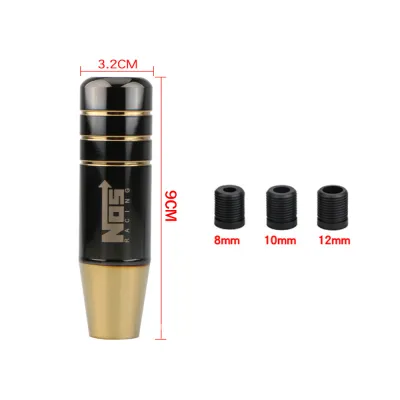
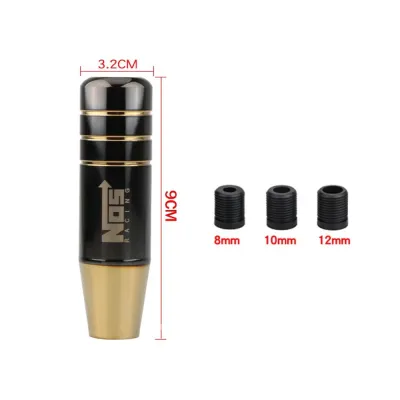
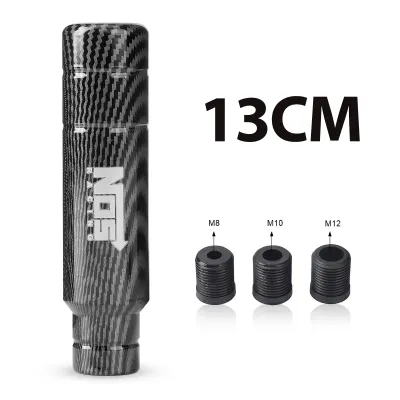
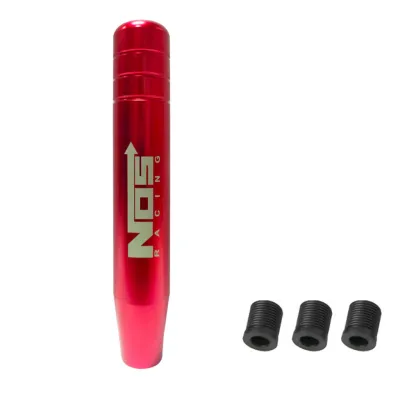
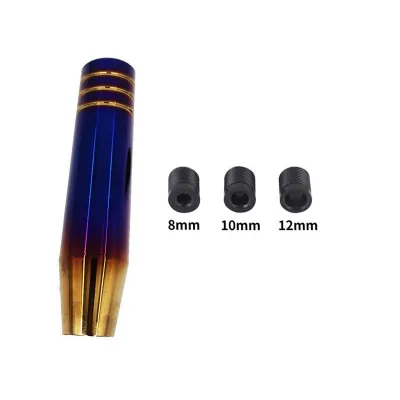
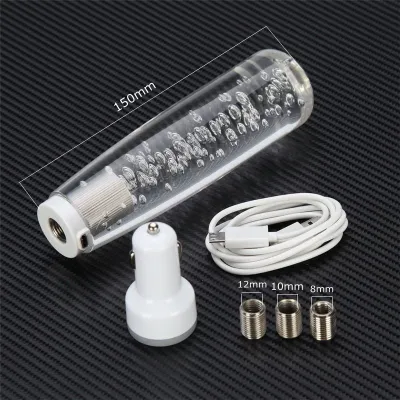
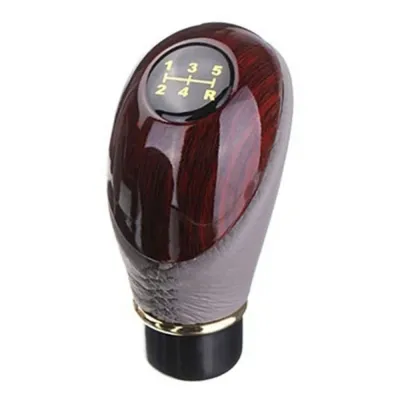
Prices are valid at publication and may change. Please refer to the product page for the latest price.
When inspecting a manual transmission, look closely at how reverse gear is engaged. Many modern manual vehicles, especially those with six-speed gearboxes, feature a reverse lockout mechanism. This safety feature prevents drivers from accidentally shifting into reverse while moving forward. It usually consists of a pull-up ring or a push-down collar located just beneath the shift knob. If your vehicle has this setup, you must choose a shift knob with a recessed base that allows the lockout collar to slide upward freely.
For automatic transmissions, the shift mechanism determines the physical design of the knob. Many automatic cars feature a push-button or trigger on the shift knob that must be depressed to move the lever out of Park or between gears. Other automatic vehicles use a gated shifter layout, where the lever moves through a zigzag path without requiring a button. Understanding these mechanical differences is crucial, as a knob designed for a gated shifter will not function on a lever that requires a physical button or trigger release.
Determine the Shift Knob Attachment Style
Once you understand your transmission’s shifting mechanism, you must identify how the original knob attaches to the shifter shaft. Aftermarket manufacturers use various mounting styles, and choosing the wrong one can result in a loose, spinning, or completely incompatible knob.

Threaded attachments are the most common style found on manual transmissions and some older automatic vehicles. In this design, the top of the metal shifter shaft features external threads, and the shift knob has matching internal threads that screw directly onto the shaft. This provides a highly secure, solid connection that can withstand vigorous shifting.
Push-button and clip-on mechanisms are frequently used by manufacturers for factory automatic knobs and certain modern manual shifters. Instead of threads, the shifter shaft may have a smooth surface with a notch, groove, or flat side. The factory knob slides onto this shaft and is secured by a metal retaining clip, a pin, or a locking collar at the base. Replacing this style often requires a specialized adapter designed for your specific vehicle model.
Universal adapters are widely used by aftermarket shift knob manufacturers to accommodate non-threaded or non-standard shifter shafts. These kits typically include a knob with a large, unthreaded bottom opening along with several rubber or plastic sleeves of varying inner diameters. You select the sleeve that fits snugly over your shifter shaft, slide the knob over it, and secure it in place using three or more small set screws tightened with an Allen wrench. While versatile, universal setups require careful installation to prevent the knob from loosening over time.
How to Measure Thread Pitch and Diameter
If your vehicle uses a threaded shifter shaft, you must determine the exact thread diameter and pitch to ensure a direct-fit replacement. The most reliable way to find this information is to consult your vehicle’s official owner’s manual or a factory service manual. Alternatively, you can contact the parts department of an authorized local dealership and provide your vehicle’s make, model, and production year to verify the thread specifications.
If you prefer to measure the threads yourself, you can do so safely using a thread pitch gauge and a digital caliper. First, carefully remove the factory shift knob to expose the threaded portion of the shaft. Use the caliper to measure the outer diameter of the threads in millimeters (common sizes include 8mm, 10mm, and 12mm). Next, use the thread pitch gauge to match the distance between the thread crests (common pitches include 1.25mm and 1.5mm).
When searching for a new knob handle for car, you will often see thread sizes written in a standard metric format, such as M10 x 1.25. The “M” stands for metric, “10” represents the 10mm outer diameter, and “1.25” indicates the thread pitch. Never attempt to force a knob with a different thread size or pitch onto your shifter shaft, as this will permanently strip the threads and require expensive repairs to the shifter assembly.
Check for Interference with Vehicle Features
Before finalizing your purchase, you must ensure that the aftermarket shift knob will not interfere with any of your vehicle’s safety, mechanical, or ergonomic features. A shift knob is not merely a cosmetic accessory; it is a primary control interface that must function flawlessly under all driving conditions.
Verify that the shape and size of the new knob do not obstruct the movement of reverse lockout collars, shift-lock release buttons, or overdrive switches. If your original knob features integrated electronics, such as a heated element or digital gear indicator lights, replacing it with a standard aftermarket knob will disable these features. You must decide if you are willing to lose these functions or if you need to source a specialized replacement that retains them.
Additionally, consider the weight and physical dimensions of the new knob. While heavily weighted shift knobs are popular among manual transmission enthusiasts for providing smoother, more positive gear engagements, they can pose risks if they are excessively heavy. A very heavy knob can place constant downward and lateral pressure on the shift linkage, selector cables, and internal transmission synchronizers. Over time, this continuous stress can lead to premature wear of the internal components. Always check the vehicle manufacturer’s recommendations regarding maximum shifter weight limits before installing a heavily weighted aftermarket option.
Installation Safety and Verification Steps
Installing a new knob handle for car requires a methodical approach to prevent damage to your vehicle’s interior trim and shifting mechanism. Before beginning, always consult your vehicle’s workshop manual for specific removal instructions, as some factory knobs are secured with hidden fasteners or high-strength adhesives.
When removing the original knob, apply steady, controlled force. If the knob is threaded, turn it counterclockwise while holding the shifter shaft steady with your other hand to prevent twisting the internal shift linkage. For clip-on or push-button knobs, carefully release any retaining clips or trim rings using plastic trim removal tools to avoid scratching the center console. Never use excessive force, hammers, or heavy pliers, as these can easily bend the shifter shaft or break delicate plastic components inside the shifter assembly.
Before fully tightening the new shift knob, perform a dry test-fit. Gently hand-thread the knob onto the shaft to ensure it spins on smoothly without binding. If you encounter any resistance, stop immediately and check for cross-threading or incorrect thread sizing. For universal knobs using set screws, ensure the rubber adapter sleeve is fully seated and tighten the screws evenly in a star pattern to keep the knob perfectly centered on the shaft.
Once installed, verify the operation of the shifter before starting the engine. With the vehicle parked and the handbrake engaged, cycle through all gears—including reverse—to ensure there is no binding, slipping, or interference. If the knob feels loose, rotates under hand pressure, or prevents smooth gear engagement, do not drive the vehicle. A loose shift knob can detach during sudden maneuvers, leading to a dangerous loss of vehicle control. If you are unsure about the security of the fitment, consult a qualified professional mechanic to complete the installation safely.
Frequently Asked Questions (FAQ)
Can I use a universal shift knob on a manual transmission with a reverse lockout?
Standard universal shift knobs are generally incompatible with manual transmissions that feature a pull-up reverse lockout mechanism. This is because universal knobs typically have a flat, solid base that blocks the lockout collar from sliding upward to release the reverse gate. To use an aftermarket knob on these vehicles, you must purchase a shift knob specifically designed with a hollowed-out lower cavity to accommodate the lockout collar, or install a specialized reverse lockout adapter that bridges the gap between the shifter shaft and the knob.
Will a heavier shift knob damage my automatic transmission?
While weighted shift knobs are common in manual cars, they are generally not recommended for automatic transmissions. Automatic shifters rely on precise internal springs, detents, and electronic solenoids to lock the lever into specific gear positions (such as Park or Drive). Adding excessive weight to the top of the lever can overcome the resistance of these internal springs, potentially causing the shifter to slip out of gear during sudden stops or placing unnecessary strain on the shift-lock mechanism. It is best to stick to lightweight materials that match the factory knob’s weight profile.
How do I remove a stuck or glued-on factory shift knob?
Some manufacturers apply high-strength thread-locking compounds or adhesives at the factory to ensure the shift knob remains permanently attached. To remove a stuck knob safely, first double-check your vehicle’s manual to ensure there are no hidden set screws or retaining pins hidden beneath the shift boot collar. If the knob is glued, you can apply gentle heat to the base of the knob using a household hair dryer to soften the adhesive. Avoid using open flames or heat guns, which can melt plastic trim or damage leather surfaces. If the knob still refuses to budge, seek professional assistance from an automotive technician to avoid damaging the shifter assembly.

Community discussion
Share your experience or ask a question. Comments are reviewed before publication.