
Selecting the correct aftermarket clutch lining requires more than just matching a brand name to your motorcycle. To ensure optimal power transfer, smooth engagement, and long-term reliability, you must align the friction material with your specific motorcycle model and primary riding conditions. In tropical environments like the Philippines, where high humidity, intense summer heat, and dense stop-and-go city traffic are daily realities, your motorcycle’s transmission is subjected to extreme thermal and mechanical stress. A poorly matched clutch lining can lead to severe slipping, annoying vibrations during acceleration, and premature wear of both the lining and the clutch bell.
To make an informed decision, you must understand how aftermarket clutch components interact with your vehicle’s original equipment. For automatic scooters and motorcycles utilizing centrifugal clutch systems, the clutch shoes expand outward to grip the inner surface of the clutch bell as engine speed increases. The friction lining on these shoes is the sole medium responsible for transferring rotational force from the engine to the rear wheel. Consequently, choosing the right replacement set involves decoding material specifications, verifying precise physical dimensions, and matching the friction characteristics to your typical daily routes.
Before purchasing any aftermarket transmission component, it is vital to establish a clear verification process. Relying solely on generic compatibility labels on online marketplaces can result in purchasing parts that do not fit your specific model year or engine displacement. This guide provides a systematic approach to selecting the right Koso clutch lining set, ensuring you achieve a secure fit, reliable performance, and a safe installation that preserves your motorcycle’s drivetrain integrity.
Products mentioned in this guide
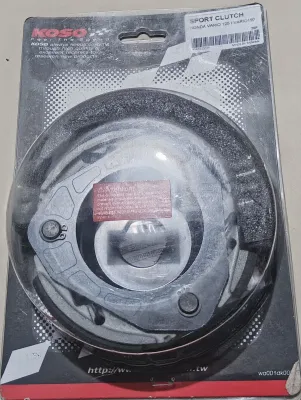
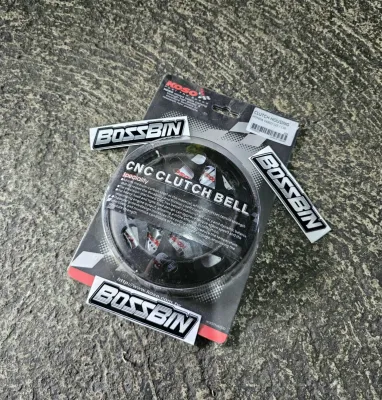
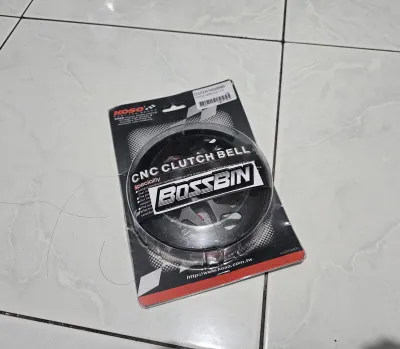
Prices are valid at publication and may change. Please refer to the product page for the latest price.
Decoding Clutch Lining Material Categories on Koso Packaging
When browsing aftermarket clutch linings, the first detail you will encounter on the packaging is the friction material category. The most common categories available in the motorcycle transmission market include organic, semi-metallic, and sintered or ceramic compounds. Organic linings are typically composed of high-temperature resins mixed with natural fibers, offering a soft, quiet, and highly progressive engagement that is gentle on the clutch bell. However, organic materials tend to wear down faster under sustained high-heat conditions and may lose grip if subjected to extreme thermal loads.
Semi-metallic linings introduce metallic fibers, such as copper or brass, into the organic base to improve heat dissipation and mechanical strength. This blend provides a more aggressive initial bite and greater resistance to fade under heavy use, making it a highly versatile choice for daily riders who occasionally navigate hilly terrain or carry heavy loads. Sintered or ceramic linings, on the other hand, are manufactured by fusing metallic and ceramic powders under high pressure and temperature. These materials offer exceptional heat resistance and an incredibly firm grip, but they are highly abrasive and can rapidly wear down standard clutch bells that are not specifically hardened to withstand them.
To identify which material is used in a specific Koso clutch lining set, you must carefully examine the product packaging and official documentation. Look for the manufacturer’s part numbers, material codes, and the application chart printed on the back or side of the box. Authorized product descriptions will often specify the friction coefficient and the intended operating temperature range of the compound. Do not rely on marketing buzzwords like “racing” or “high-performance” alone; instead, locate the exact technical specifications and cross-reference them with your motorcycle’s service manual to ensure the material is compatible with your system’s operating parameters.
Furthermore, remember that material names alone do not guarantee a universal performance upgrade. A highly aggressive sintered lining installed on a standard, unhardened original equipment (OE) clutch bell can lead to rapid glazing, severe shuddering, and accelerated wear of the bell’s inner surface. You must always verify that the hardness and thermal properties of the lining material are compatible with the metallurgy of your clutch bell, as recommended by the component manufacturers.
Verifying Exact Fitment for Your Motorcycle Model
Physical compatibility is the most critical factor when selecting an aftermarket clutch lining set. Even within the same motorcycle brand and model line, manufacturers frequently update transmission dimensions, mounting configurations, and weight specifications across different model years and engine displacements. For example, a clutch shoe set designed for a 125cc scooter model will rarely fit the 150cc or 160cc variant of the same model family due to differences in the clutch carrier design and bell diameter.

To verify exact fitment, start by checking your motorcycle’s official registration documents to confirm its exact model year, make, model, and engine displacement. Compare these details directly against the official Koso fitment chart or an authorized dealer’s compatibility database. Do not assume that a part labeled for a specific model will automatically fit your bike if your model year falls outside the range specified on the packaging.
Next, if you have disassembled your transmission for maintenance, use a vernier caliper to measure the critical physical dimensions of your original equipment clutch shoes and bell. Key measurements to verify include the outer diameter of the clutch shoe assembly when fully retracted, the width of the friction surface, the thickness of the lining, and the mounting hole or pin patterns on the clutch carrier. Comparing these physical dimensions with the specifications of the Koso set you intend to purchase provides an absolute safeguard against compatibility errors.
Forcing an incompatible clutch lining set into your transmission carries severe mechanical risks. If the lining is too thick or the assembly diameter is slightly too large, the clutch may remain partially engaged even at idle, causing the motorcycle to creep forward, overheat, or stall. Conversely, if the assembly is too small, the shoes will fail to make full contact with the bell, resulting in extreme slippage, loss of power, and rapid destruction of the friction material. If you encounter any conflicting fitment data, or if the physical measurements do not align perfectly with the product specifications, establish a strict stop condition: halt the purchase immediately and consult a qualified motorcycle mechanic or an authorized distributor for clarification.
Matching Friction Characteristics to Your Riding Style
Your typical riding environment and personal riding style should dictate the specific friction characteristics of the clutch lining you choose. For daily commuting in highly congested urban areas, where you constantly stop and start at traffic lights and navigate slow-moving lanes, your primary requirements are smooth engagement, low noise, and consistent durability. In these conditions, a clutch lining that offers a progressive, predictable bite is highly desirable. This prevents the jerky, abrupt engagement that can cause rider fatigue and put unnecessary stress on the belt, rollers, and gearbox components.
For riders focused on performance, high-speed touring, or closed-circuit track use, the priorities shift toward high-temperature resistance and minimal fade. Under sustained high-RPM loads and rapid acceleration, the clutch assembly generates immense heat. A performance-oriented semi-metallic or specialized compound is engineered to maintain its friction coefficient even as temperatures rise, ensuring that power transfer remains crisp and immediate. However, be prepared for a slightly firmer engagement feel and potentially higher wear rates on the clutch bell when opting for these aggressive compounds.
If you frequently use your motorcycle for heavy-duty tasks, such as carrying heavy cargo, navigating steep mountain passes, or riding with a pillion passenger on a daily basis, you require a clutch lining designed to resist slipping under high torque loads. Slippage under heavy loads generates extreme heat, which can quickly glaze the lining and ruin the clutch bell. Look for robust friction compounds that offer a high static friction coefficient to ensure the clutch locks up quickly and securely once the engagement RPM is reached.
Regardless of the riding style you target, you must ensure that your choice aligns with the overall health of your transmission system. Installing a premium, high-grip clutch lining will not resolve performance issues if your clutch bell is warped, your torque spring is fatigued, or your CVT rollers are flat-spotted. A holistic approach—where the clutch lining, clutch bell, springs, and drive belt are all inspected and maintained in harmony—is essential to achieving the smooth, reliable power delivery you expect from an aftermarket upgrade.
Pre-Purchase Verification and Installation Safety Checks
Before finalizing your purchase and proceeding with the installation of your new Koso clutch lining set, you must conduct a thorough inspection of your existing clutch bell. Check the inner surface of the bell for deep scoring, grooving, uneven wear, or a highly polished, mirror-like finish known as glazing. Additionally, inspect the exterior of the bell for blue or purple discoloration, which is a clear indicator of severe overheating. If the clutch bell exhibits any of these signs, or if it is found to be out-of-round when measured with a dial indicator, it must be replaced alongside the new clutch linings to prevent immediate damage to the new friction material.
Because the clutch is a critical drivetrain component that rotates at thousands of revolutions per minute, safety must be your absolute priority during installation. Disassembling and reassembling a motorcycle clutch assembly involves handling high-tension springs, such as the clutch shoe tension springs and the large center compression spring. If these springs are released improperly, they can cause severe personal injury or damage to surrounding components. Therefore, professional installation by a qualified mechanic is strongly recommended, especially if you do not have access to specialized tools like a clutch spring compressor, a universal holder, and a calibrated torque wrench.
If you or your mechanic perform the installation, always refer to your motorcycle’s original manufacturer service manual for the exact torque specifications of the clutch securing nut and the pulley nut. Applying incorrect torque can lead to catastrophic failure, where the clutch assembly can work itself loose while the motorcycle is in motion, resulting in a sudden lockup of the rear wheel or a complete loss of drive power. Additionally, if any brake cleaners or degreasers are used to clean the metal components of the clutch assembly during the process, ensure they are used strictly according to the product label instructions and kept entirely away from rubber seals, O-rings, and the new friction linings themselves.
Once the new clutch lining set is safely installed, a proper break-in or bedding-in procedure is required to ensure optimal performance and longevity. For the first 100 to 200 kilometers of riding, avoid sudden full-throttle acceleration, heavy loading, or riding up steep inclines. Instead, ride moderately, allowing the clutch to engage gently and progressively. This break-in period allows the microscopic high spots on the new friction lining to wear down evenly, ensuring maximum surface contact between the lining and the clutch bell. Skipping this step can cause localized overheating, leading to premature glazing and a permanent reduction in clutch grip.
Finally, establish clear safety boundaries during your initial test rides. If you experience any abnormal symptoms—such as the clutch binding and failing to disengage at idle, severe shuddering during take-off, slipping under moderate load, or unusual squealing or grinding noises—stop riding immediately. Park the motorcycle in a safe location, turn off the engine, and consult a professional mechanic to inspect the assembly. Continuing to ride with an improperly installed or malfunctioning clutch can lead to complete transmission failure and compromise your safety on the road.
Frequently Asked Questions (FAQ)
Can I mix Koso clutch linings with my original equipment clutch bell?
Yes, you can generally pair Koso clutch linings with your original equipment (OE) clutch bell, provided the bell is in excellent physical condition and the lining material is compatible with the bell’s metallurgy. Before doing so, you must thoroughly clean and inspect the OE bell’s inner surface for any signs of glazing, deep grooves, or heat discoloration. If the bell is worn or warped, pairing it with new linings will result in poor contact, rapid wear, and reduced performance. Always consult Koso’s official compatibility notes or a professional mechanic to ensure that the specific friction compound you choose will not prematurely wear down or damage your original equipment bell.
How do I know if my clutch lining is worn out rather than just needing adjustment?
A worn-out clutch lining typically exhibits distinct physical and operational symptoms that cannot be resolved by simple adjustments. Operational signs include severe clutch slippage under heavy throttle, where the engine RPM increases rapidly but the motorcycle’s speed does not correspond, as well as an unusually high engine speed required for the clutch to engage. Physically, you can verify wear by disassembling the clutch and measuring the thickness of the friction pads; if the lining has worn down close to the metal backing or falls below the minimum wear limit specified in your motorcycle’s service manual, it must be replaced. In contrast, issues like improper cable free-play in manual bikes or weak clutch springs in automatic scooters usually cause engagement timing issues rather than continuous slippage under load.

Community discussion
Share your experience or ask a question. Comments are reviewed before publication.