
Finding the perfect shifter cover for your vehicle requires more than just knowing your car’s make and model. To ensure a secure, comfortable grip that will not slip during gear changes, you must measure the physical dimensions of your gear shifter directly. A loose cover can slide out of place during sudden maneuvers, while an overly tight one might tear during installation or restrict the movement of essential buttons. By taking precise measurements of your shifter’s height, circumference, and unique contours, you can confidently select a cover that enhances your driving experience and stands up to daily wear.
Before attempting to remove or modify any part of your gear shifter assembly, consult your vehicle’s owner manual to understand the original-vehicle instructions. If your shifter features integrated electronics, wiring, or complex mechanical linkages, seek qualified professional installation to avoid compromising your vehicle’s safety systems or road legality.
Tools You Need Before Measuring
Before you begin taking measurements, gather a few basic tools to ensure accuracy. A flexible measuring tape, such as a tailor’s sewing tape, is the most important tool because it easily wraps around the curved surfaces of the shift knob and shaft. For straight-line measurements and checking the thickness of flat sections, a standard ruler or a set of digital calipers will provide the precision you need. You should also keep a pen and paper or a notes app open on your smartphone to record each dimension immediately so you do not have to rely on memory. Finally, use your smartphone camera to take clear, straight-on photos of your gear shifter from both the front and the side; these reference images will be incredibly helpful when comparing your shifter’s profile to the product diagrams on online marketplaces.
Products mentioned in this guide
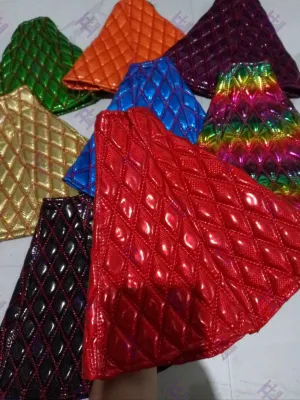
![[COD] 1- New truck shift protection cover gear knob shifter cover](https://img.lazcdn.com/g/p/98020b834338729260d21ae4a64c78a6.jpg_400x400q80.jpg_.webp)
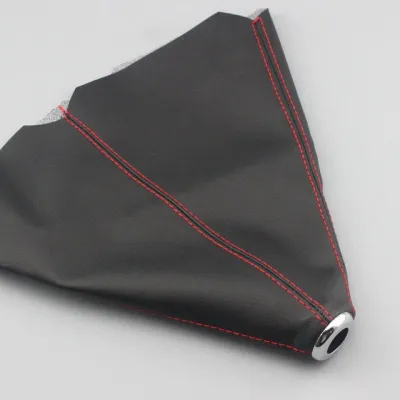
![[In Stock] Rubber Cover Gear Shift Stick CARRY EXTRA 1.0 1.3 1.5 FUTURA T120SS KERY CERRY CARY PUTURA](https://img.lazcdn.com/g/p/1d8b7c26af8dd08f4f88042a94b7f625.jpg_400x400q80.jpg_.webp)
![[Local] iriisy Silicone Car Case Gear Head Shift Collars Shift Knob Grips Cover Shift Lever Decoration Cover Accessories For Ford Fiesta New Focus Escort Mondeo Ecosport](https://img.lazcdn.com/g/p/f62d62d0652e9cd7b898851aeff1b6ec.jpg_400x400q80.jpg_.webp)

Prices are valid at publication and may change. Please refer to the product page for the latest price.
Step-by-Step Guide to Measuring Your Gear Shifter
To find a shifter cover that fits like a glove, you must break down the gear stick into three distinct measurement zones: the vertical height, the horizontal thickness (diameter and circumference), and the overall physical profile. Relying solely on your vehicle’s manufacturing year or trim level is a common pitfall, as manufacturers often change shifter designs mid-cycle, and previous owners may have installed aftermarket knobs. Measuring the bare shifter ensures that the dimensions you use to shop match the exact component currently installed in your cabin.

Measuring the Height and Length
To measure the vertical height of your gear shifter, start by identifying the lowest point where the new cover will sit. This is typically at the base of the exposed metal or plastic shaft, right where it emerges from the flexible shifter boot. Place the end of your flexible measuring tape at this base point and extend it straight up along the side of the shaft, following the curve of the knob all the way to the very top surface.
If you are planning to buy a cover that only wraps around the shift knob itself rather than the entire stick, you should measure only from the neck—the narrow point where the knob meets the shaft—to the top of the knob.
It is crucial to account for a small clearance gap between the bottom edge of the cover and the shifter base boot. If the cover is too long and presses tightly against the boot, the constant friction during gear shifts can cause the boot material to wear down, crack, or bunch up, which may eventually restrict smooth gear engagement.
Measuring the Diameter and Circumference
Capturing the thickness of your shifter requires measuring both the widest and narrowest points of the assembly. Start by wrapping your flexible measuring tape around the thickest part of the shift knob to find its maximum circumference. If the online accessory store’s sizing chart lists dimensions in diameter rather than circumference, you can calculate the diameter by dividing your circumference measurement by 3.14, or you can use digital calipers to measure straight across the widest point of the knob.
Next, if you are purchasing a full-length sleeve cover that extends down the stick, measure the diameter of the narrower shaft below the knob. A cover designed for a thick, uniform stick will slide and spin if installed on a thin, tapered metal shaft.
Having both the circumference and diameter measurements written down prepares you for any sizing format used by different manufacturers on online marketplaces, saving you the hassle of recalculating mid-purchase.
Checking the Shape and Contours
Beyond simple numbers, the physical shape of your gear shifter plays a massive role in how a cover will sit. Examine the shift knob from above and from the side to identify its basic geometric profile, which typically falls into categories like round, oval, teardrop, or highly contoured ergonomic grips.
Take note of any deep grooves, finger indents, or asymmetrical curves designed to fit the palm of your hand. Standard universal covers often struggle to conform to highly irregular shapes, leaving air pockets or loose folds that feel unstable while driving.
Additionally, inspect the shifter for mechanical features such as side-mounted release buttons on automatic transmissions, reverse lockout collars on manual sticks, or trigger mechanisms. These features require specialized covers with precise cutouts or highly stretchable materials that allow the mechanical parts to move freely without obstruction.
Understanding Universal vs. Custom-Fit Shifter Covers
Once you have recorded your measurements, you must decide between a universal and a custom-fit shifter cover. Universal covers are typically made from highly flexible materials like silicone, stretchable fabric, or elasticized synthetic leather, allowing them to stretch over a range of similar sizes. While they are highly accessible and budget-friendly, you must carefully evaluate their stretch limits; stretching a universal cover to its absolute maximum can thin out the material, leading to premature tearing, especially under the intense cabin heat and humidity common in tropical climates like the Philippines.
Custom-fit or model-specific covers, on the other hand, are tailored to the exact dimensions and contours of a specific vehicle model and year. These are highly recommended if your shifter features complex ergonomic shapes, integrated buttons, or manual reverse lockouts that a standard sleeve would block.
When browsing online automotive accessory stores, always cross-reference your recorded numbers with the provided sizing charts rather than relying on generic labels like “fits most vehicles.” Look for the maximum and minimum stretch tolerances listed by the manufacturer, and ensure your shifter’s dimensions fall comfortably within the middle of that range to guarantee a secure, slip-free fit.
Common Measurement Mistakes to Avoid
One of the most frequent errors drivers make is measuring over an existing, worn-out cover instead of removing it first. Even a thin fabric or leather cover can add several millimeters to the shifter’s true diameter, resulting in a replacement cover that is too loose once the old one is discarded. Always strip the shifter down to its bare factory surface before pulling out your measuring tape.
Another common mistake is failing to leave adequate clearance for the shifter base boot. A cover that extends too far down will bunch up against the leather or vinyl boot, creating resistance when you try to shift into gears like reverse or fifth, which can compromise driving safety.
Finally, do not overlook the presence of side buttons or reverse lockout mechanisms. Covering these mechanical components with a solid, non-stretchable universal cover can lock the shifter in place or prevent you from shifting out of park, creating a hazardous situation on the road.
How to Verify the Fit Before Final Installation
Before permanently securing your new shifter cover, perform a thorough dry-fit to verify that your measurements were correct and that the product is safe to use. Slide the cover onto the shifter without applying any adhesives, laces, or tight fasteners, and check the overall tension and alignment. The material should sit flush against the shifter’s surface without any noticeable air pockets, loose folds, or excessive stretching that distorts the shape.
Next, with the vehicle safely parked and the handbrake fully engaged, depress the clutch or brake pedal and shift through the entire gear pattern several times. Pay close attention to how the cover behaves; it must not slip, twist, or slide up the shaft during these movements.
Lastly, verify that all mechanical features remain fully functional. Press any side release buttons, pull up on the reverse lockout collar, and ensure the base boot moves freely without catching on the bottom edge of the cover. If you detect any resistance, slippage, or obstruction, remove the cover immediately and re-verify your measurements or consult the manufacturer’s instructions before attempting to drive.
Frequently Asked Questions (FAQ)
Can I use a steering wheel cover sizing chart for my shifter?
No, you cannot use a steering wheel cover sizing chart for a gear shifter. Steering wheel covers are designed for much larger diameters and use entirely different sizing standards, typically focusing on the outer diameter of the wheel rim. Shifter covers require much smaller, highly localized measurements of height, shaft diameter, and knob circumference, and the materials are engineered to stretch and grip differently.
What if my shifter has a reverse lockout button or trigger?
If your shifter features a reverse lockout collar or a trigger button, you must avoid standard, solid sleeve-style covers. Look for specialized covers designed with built-in cutouts or flexible panels that accommodate these moving parts. Always verify that the cover does not restrict the mechanical travel of the lockout mechanism, as a blocked reverse lockout can prevent you from engaging reverse gear or, conversely, lead to accidental engagement while driving.
Do I need to remove the old cover before measuring?
Yes, you must always remove any existing aftermarket covers, wraps, or thick protective sleeves before taking your measurements. Measuring over an old cover will result in inflated dimensions, leading you to purchase a replacement that is too large and prone to slipping. Measuring the bare, original factory shifter is the only way to ensure an accurate and secure fit for your new accessory.

Community discussion
Share your experience or ask a question. Comments are reviewed before publication.