
Distinguishing a genuine Apido ignition coil from a counterfeit requires a combination of inspecting packaging details, evaluating physical build quality, and utilizing official verification channels. Because counterfeiters have become increasingly sophisticated, no single visual flaw guarantees a part is fake, and relying on a comprehensive checklist is the safest approach before installation. Taking the time to verify your motorcycle parts protects your engine from severe electrical malfunctions and ensures your vehicle operates reliably under demanding road conditions.
Why Counterfeit Ignition Coils Pose a Risk to Your Motorcycle
Installing a counterfeit ignition coil can lead to immediate performance issues and long-term mechanical damage. The ignition coil is responsible for transforming the low voltage from your motorcycle’s battery or stator into the thousands of volts needed to create a spark at the spark plug. When a counterfeit coil fails to deliver a consistent voltage, you may experience frequent engine misfires, poor fuel efficiency, and a rough idle that makes daily commuting difficult.
Beyond poor engine performance, substandard ignition components pose a severe threat to your motorcycle’s sensitive electrical system. Counterfeit coils often lack proper internal insulation and correct electrical resistance. This deficiency can cause high-voltage spikes to travel backward through the wiring harness, potentially frying your Capacitor Discharge Ignition (CDI) unit or Electronic Control Unit (ECU). Replacing these electronic modules is significantly more expensive than purchasing a genuine ignition coil.
Products mentioned in this guide
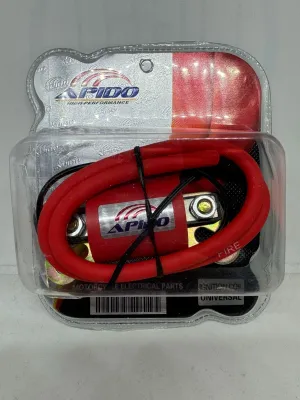
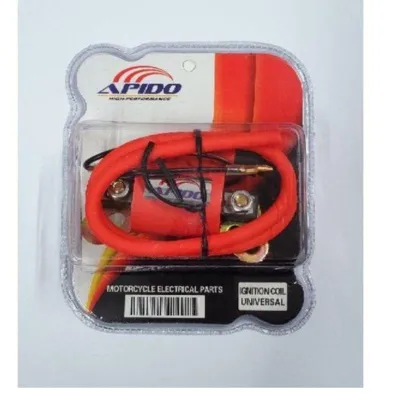
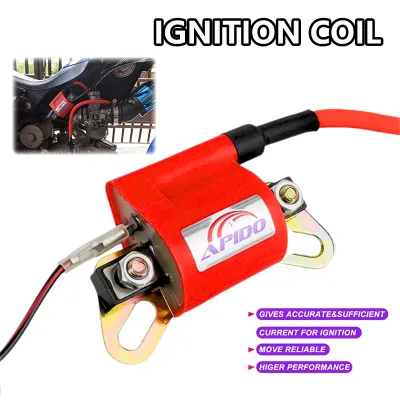
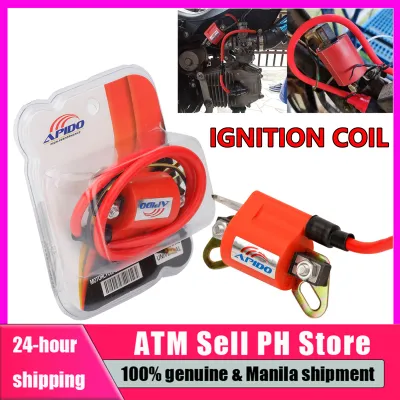
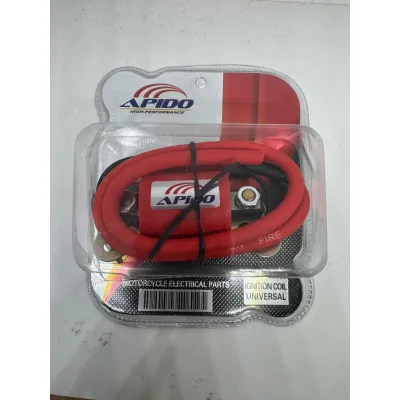
![Apido Racing Ignition Coil for Suzuki Smash 115 / Raider J 110 / Raider 150 Carb – High Spark Voltage Fast Ignition [COD]](https://img.lazcdn.com/g/p/41de100756011ccd6da908ee8942e3fa.jpg_400x400q80.jpg_.webp)
Prices are valid at publication and may change. Please refer to the product page for the latest price.
Furthermore, counterfeit parts do not undergo the rigorous testing and quality control standards maintained by reputable manufacturers. In the tropical climate of the Philippines, where motorcycles are regularly exposed to intense heat, heavy rain, and high humidity, these unverified components are highly prone to premature failure. A sudden coil failure while riding can cause the engine to stall unexpectedly, presenting a major safety hazard on busy highways.
Before performing any electrical work or replacing ignition components, ensure the motorcycle’s ignition is turned off and the battery is disconnected to prevent electrical shock or short circuits. Always refer to your vehicle’s original manufacturer service manual for correct mounting positions, torque specifications, and wiring configurations. If you are unsure about the installation process, seek assistance from a qualified motorcycle technician.
Visual and Physical Checks for an Original Apido Ignition Coil
A systematic physical inspection is your first line of defense when evaluating a new ignition coil. Before purchasing or installing the part, it is highly beneficial to compare the suspected item against known genuine examples or official catalog images. Counterfeiters often struggle to replicate the exact dimensions, color shades, and branding elements of original components.

When conducting your inspection, pay close attention to the consistency of the branding, font quality, and part number formatting. Genuine manufacturers use precise machinery to stamp, mold, or print identifiers onto their products. Any deviation in font style, uneven spacing, or missing characters is a strong indicator that the part did not originate from the official production line.
Packaging and Labeling Details
Counterfeiters frequently cut corners on packaging materials to keep production costs low, leaving behind several telltale signs. Inspect the product box carefully for spelling errors, blurry text, or distorted logos. Genuine packaging features sharp, high-resolution printing with consistent color saturation across all sides of the box.
Next, verify that the part number printed on the packaging label matches the number molded or printed directly onto the ignition coil housing. Discrepancies between these two numbers often indicate that a generic or incorrect coil has been placed inside a replicated box. Additionally, check the quality of the cardboard and the inner protective materials, as genuine parts are typically secured with custom-fit inserts to prevent damage during transit.
In humid tropical environments, the quality of the packaging adhesive and paper becomes even more apparent. Counterfeit boxes often use cheap glues that fail under humidity, leading to peeling edges or warped cardboard. Genuine packaging is designed to withstand standard shipping and storage conditions without losing its structural integrity or showing premature wear.
Build Quality and Material Finish
Examining the physical construction of the ignition coil reveals the differences in manufacturing standards. Start by inspecting the plastic housing of the coil for prominent mold lines, uneven seams, or a brittle texture. Genuine coils are molded using high-grade, heat-resistant polymers that exhibit a smooth, uniform finish free of excess plastic flashing.
The metal terminals and electrical connectors also provide valuable clues regarding authenticity. On a genuine coil, these connectors feature high-quality plating that resists corrosion and ensures a secure, tight fit with the motorcycle’s wiring harness. Counterfeit coils often use cheap, unplated metals that may show signs of rust, discoloration, or loose tolerances right out of the box.
Finally, inspect the high-tension wire boot and the internal connection spring. The rubber boot on an original coil is flexible, durable, and sized precisely to seal out moisture and dirt. A poorly manufactured boot that feels stiff or fits loosely can allow water to penetrate the connection during heavy rain or bike washes, leading to electrical tracking and engine misfires.
Official Verification Methods and Security Features
To combat counterfeiting, manufacturers often implement dedicated security features on their packaging. Look for holographic stickers, unique QR codes, or scratch-off security labels on the box. These features are designed to be difficult to replicate and provide a direct path to verifying the product’s authenticity.
If the packaging includes a scratch-off label or a QR code, use your smartphone to scan it or enter the code on the official manufacturer website. Genuine security codes are registered in a central database and will typically return a confirmation message indicating the product is authentic. If the website warns that the code has already been scanned multiple times, or if the code does not exist, the product is likely a counterfeit.
When security features are absent or appear tampered with, cross-reference the part number and application details with official distributor catalogs. You can also contact authorized customer support channels or visit a local authorized dealer to verify the product’s design. Relying on these official verification methods is the most reliable way to ensure you are installing a safe, high-quality component on your motorcycle.
Choosing Reliable Purchasing Channels in the Philippines
Sourcing your motorcycle parts from reputable sellers is the most effective way to avoid counterfeit products entirely. Whenever possible, purchase your ignition coil directly from authorized dealers, official brand stores on major e-commerce platforms, or well-established local motorcycle shops. These sellers maintain direct supply chains with manufacturers and authorized distributors, ensuring product authenticity.
Be highly skeptical of deals that seem too good to be true, especially when browsing online marketplaces. If an unverified third-party seller offers an ignition coil at a price significantly below the standard market rate in ₱, the item is highly likely to be a counterfeit. Genuine manufacturing processes, quality materials, and safety testing require investment, which is reflected in the standard retail price.
Before finalizing your purchase online, take the time to evaluate the seller’s profile and reputation. Check overall seller ratings, read recent customer reviews, and look for buyer-uploaded photos of the actual product received. Additionally, verify the seller’s return and refund policies so that you have a clear recourse if the part delivered does not match the description or fails your initial authenticity checks.
What to Do If You Receive a Suspected Fake Part
If your physical inspection or security check leads you to suspect that you have received a counterfeit ignition coil, do not attempt to install it on your motorcycle. Running an unverified electrical component can cause immediate damage to your CDI, ECU, or wiring harness, resulting in expensive repairs. Keep the part in its original packaging and handle it carefully to preserve its condition for potential return.
Document the discrepancies immediately by taking clear, high-resolution photographs of the packaging, labels, security codes, and the physical coil itself. Highlight specific areas where the product fails to match genuine standards, such as blurry printing, mismatched part numbers, or poor material finish. This photographic evidence is crucial when filing a dispute or requesting a refund.
Contact the seller or initiate a return through the e-commerce platform’s buyer protection program as soon as possible. Clearly state that you suspect the item is counterfeit and provide the documented photos as supporting evidence. Most reputable platforms and physical stores have strict policies against the sale of counterfeit goods and will assist you in securing a refund or replacement from an authorized source.
Frequently Asked Questions (FAQ)
How long does a genuine Apido ignition coil typically last?
The lifespan of a genuine ignition coil depends heavily on your motorcycle model, riding habits, and general maintenance practices. To ensure optimal performance, always consult your motorcycle’s owner manual for the manufacturer’s recommended inspection and replacement intervals. Genuine coils are constructed with high-quality internal copper windings and superior insulation, allowing them to withstand engine heat and vibration far longer than low-grade counterfeit alternatives.
Can a fake ignition coil damage my motorcycle's ECU?
Yes, a counterfeit ignition coil can cause severe and costly damage to your motorcycle’s Electronic Control Unit (ECU) or Capacitor Discharge Ignition (CDI) unit. Because fake coils often use substandard internal insulation and incorrect resistance specifications, they can generate high-voltage feedback spikes. These electrical surges travel back through the wiring harness directly into the sensitive electronic modules, leading to component failure that requires complete replacement of the ECU or CDI.

Community discussion
Share your experience or ask a question. Comments are reviewed before publication.