
Riding a motorcycle in the Philippines demands reliable protective gear. With congested city streets, unpredictable tropical downpours, and high-speed highway stretches, your helmet is your primary line of defense. The Evo TRX Radix has become a popular choice among local riders, but its popularity has also made it a target for counterfeiters.
Spotting a fake Evo TRX Radix requires a systematic approach: inspecting the physical build quality, verifying safety certification labels, and purchasing exclusively from authorized dealers. Because a helmet is critical safety gear, relying on an unverified counterfeit compromises your protection on the road.
Quick Answer: Core Steps to Verify Your Evo TRX Radix
To quickly verify an Evo TRX Radix helmet, you must look beyond surface aesthetics. A genuine helmet is characterized by precise manufacturing, valid safety certifications, and secure retail packaging.
Products mentioned in this guide
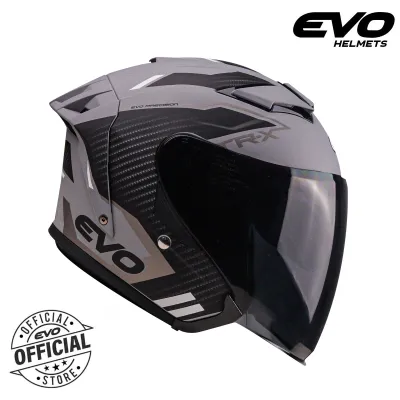
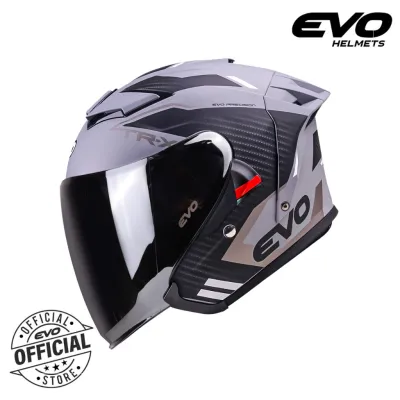
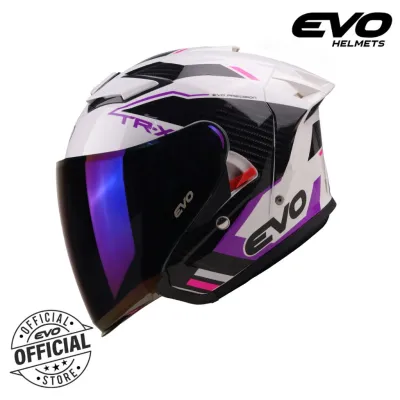
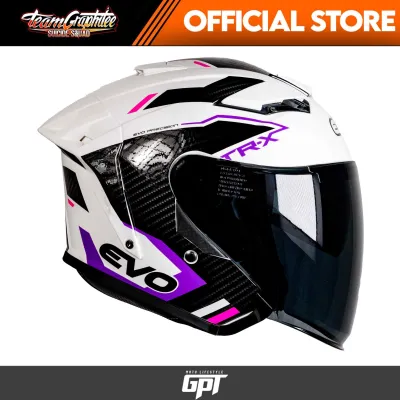
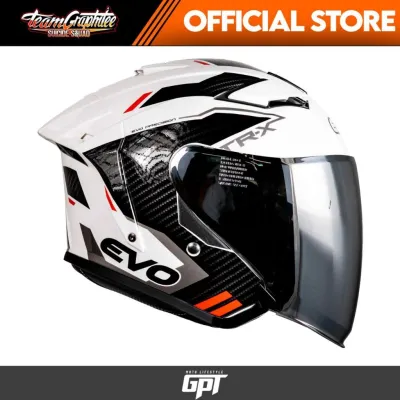
Prices are valid at publication and may change. Please refer to the product page for the latest price.
The most reliable verification strategy relies on a three-pillar approach: physical inspection of materials, validation of official safety labels, and verifying the seller’s credentials. No single visual cue can guarantee authenticity on its own; you must perform a combination of these checks before finalizing your purchase.
If an online listing offers a price that seems unusually low—such as a brand-new unit listed for a fraction of the standard retail price in Philippine Pesos (₱)—treat it as an immediate red flag. Walk away from any transaction where the seller refuses to provide clear, high-resolution photos of the actual item, the internal tags, or the retail box.
Inspecting Physical Build and Finish Quality
Evaluating the physical craftsmanship of the helmet is one of the most effective ways to identify a counterfeit. Genuine manufacturers adhere to strict quality control standards, whereas counterfeit producers often cut corners on materials and assembly to keep production costs low.

Shell and Paint Finish
Begin by closely examining the outer shell. A genuine Evo TRX Radix features a smooth, high-quality paint finish with evenly applied graphics. Look for imperfections such as “orange peel” texture, bubbles, or misaligned decals. Counterfeit helmets often exhibit rough edges along the bottom rim of the shell and visible seams from low-quality plastic molds.
Visor and Ratchet Mechanism
The visor mechanism on a genuine helmet operates smoothly, clicking securely into distinct positions. Test the visor by raising and lowering it several times. If the movement feels loose, squeaks excessively, or uses brittle plastic components that feel like they might snap, the helmet is likely a fake. A proper visor seal is also essential for keeping out heavy tropical rain; counterfeit visors often leave gaps that allow water to seep inside.
Interior Padding and Comfort
The comfort liner and cheek pads of a genuine helmet are designed for long-term durability and moisture management in hot, humid climates. Examine the stitching along the padding; it should be clean, straight, and free of loose threads. Genuine padding feels firm and recovers its shape quickly when compressed. Counterfeit padding often uses cheap, non-breathable synthetic fabrics that feel rough against the skin and degrade rapidly under sweaty conditions.
Weight and Balance
Hold the helmet and assess its weight distribution. Genuine helmets are engineered to distribute weight evenly across the rider’s head to minimize neck fatigue during long rides. Counterfeit helmets often feel unbalanced, either being excessively heavy due to cheap plastic mixtures or dangerously light because they lack the necessary internal protective structures.
Checking Labels, Certifications, and Packaging
Safety certifications are not just stickers; they represent rigorous testing and compliance with road safety standards. Counterfeiters frequently attempt to replicate these markings, but they rarely match the precision of genuine labels.
Safety Certification Stickers
In the Philippines, legitimate helmets must carry official safety markings, such as the Import Commodity Clearance (ICC) sticker or relevant international standards like DOT and ECE. Inspect these stickers closely. Genuine ICC stickers feature sharp, high-resolution printing, clear serial numbers, and distinct holographic elements that shift under light. Fake stickers are often blurry, poorly aligned, or lack the reflective depth of the official hologram.
Internal Tags and Date Codes
Peel back the comfort liner to inspect the inner EPS (expanded polystyrene) foam and the chin strap. Genuine helmets have sewn-in tags on the chin strap indicating the model name, size, and manufacturing date. There should also be a stamp or sticker on the internal EPS liner matching these details. If these tags are missing, contain spelling errors, or use fonts that look inconsistent with official branding, do not purchase the helmet.
Packaging Quality
The retail packaging is another clear indicator of authenticity. A genuine Evo TRX Radix is shipped in a sturdy, branded cardboard box featuring high-resolution graphics, correct product specifications, and a matching serial number label. Inside, you should find a high-quality, branded fabric helmet bag and an official user manual. Counterfeit units are often delivered in generic, flimsy boxes, wrapped only in bubble wrap, or accompanied by poorly translated manuals with obvious grammatical errors.
Holograms and Security Features
Manufacturers occasionally update their security features, including QR codes or unique holographic seals on the visor or shell. Before buying, check the brand’s official website or verified social media channels for the most current security features applied to the Evo TRX Radix. Avoid relying on outdated forum rumors, as counterfeiters quickly adapt to old verification methods.
Verifying Through Official Channels and Trusted Sellers
Where you buy your helmet is just as important as what you look for during inspection. Securing your gear through authorized channels eliminates the risk of ending up with a dangerous imitation.
Authorized Dealers
The safest way to purchase an Evo TRX Radix is through officially listed physical retail stores or the brand’s verified flagship stores on major e-commerce platforms. Authorized dealers are backed by the manufacturer’s warranty and can guarantee the authenticity of their inventory.
Price Benchmarking
Always compare the seller’s asking price with the standard retail price in the Philippines. While seasonal promotions and authorized sales do occur, a brand-new Evo TRX Radix offered at an incredibly low price—such as 50% off the standard market rate—is almost certainly a counterfeit. Genuine safety gear requires quality materials that cannot be profitably sold at extremely low prices.
Official Verification Tools
If the helmet features a unique serial number or QR code, use the manufacturer’s official verification tools to confirm its authenticity. You can often input the serial number on the official website or scan the QR code using a smartphone to verify that the product matches the manufacturer’s database.
Seller Communication
When buying from an independent seller or an online marketplace, communicate actively before making a payment. Ask for specific, live photos of the helmet’s internal tags, the EPS liner, the chin strap buckle, and the box’s serial number. If the seller hesitates, uses stock photos, or pressures you to complete the transaction quickly, cancel the purchase.
What to Do If You Suspect a Counterfeit
Discovering that you have purchased a counterfeit helmet is frustrating, but taking the correct steps immediately is vital for your safety and financial protection.
Stop Using the Helmet
First and foremost, do not ride with a suspected counterfeit helmet. Counterfeit helmets do not undergo standardized impact testing and often lack the dense EPS foam required to absorb crash energy. Wearing a fake helmet puts you at extreme risk of severe head injury in the event of an accident.
Document the Evidence
Take detailed, high-resolution photographs of the helmet from multiple angles, focusing on the suspicious areas such as misaligned decals, blurry certification stickers, low-quality stitching, and flimsy packaging. Keep screenshots of the original product listing, the seller’s profile, and all chat conversations.
Platform Dispute and Refund
If you purchased the helmet through an online marketplace, initiate a dispute or refund request immediately. Select “counterfeit item” or “not as described” as the reason for the return. Upload your documented photos and screenshots as evidence to support your claim. Most major e-commerce platforms have buyer protection policies that cover counterfeit goods.
Reporting the Seller
Report the seller’s account and the specific listing to the platform’s customer support team to prevent other riders from falling victim to the same scam. You can also contact the official distributor of Evo helmets in the Philippines to report the counterfeit source, helping them take legal action against unauthorized manufacturers.
Frequently Asked Questions (FAQ)
Can I trust a seller if they provide a certificate of authenticity?
No, you should not rely solely on a printed certificate of authenticity. These documents are incredibly easy to forge using basic graphic design software. Instead, prioritize physical inspection of the helmet’s build quality, verify the unique serial numbers through official brand channels, and only buy from established, authorized dealers.
Do fake helmets pass basic safety drop tests?
Counterfeit helmets are not subjected to the rigorous, standardized testing required for official safety certifications. They often use cheap plastic shells and low-density foam that fail to absorb impact energy during a crash. Visual similarity to a genuine Evo TRX Radix does not mean the helmet offers any real structural integrity or safety performance.
Is it safe to buy a used Evo TRX Radix helmet online?
Buying a used helmet online carries significant risks. Beyond the chance of receiving a counterfeit, you cannot easily verify if a genuine helmet has been involved in a previous impact. EPS foam is designed to compress once during an accident to protect your head; after an impact, the helmet’s protective capability is permanently compromised even if there is no visible external damage. It is always safer to purchase a brand-new, verified helmet from an authorized dealer.

Community discussion
Share your experience or ask a question. Comments are reviewed before publication.