
Identifying a genuine Spyder Canyon helmet requires a close inspection of its physical build quality, safety certification markings, and packaging details. Counterfeit riding gear has become increasingly sophisticated, making it easy to mistake a cheap imitation for the real thing at first glance. To protect yourself on the road, you must look beyond the surface aesthetics and verify specific manufacturing details, such as the alignment of the EPS liner, the quality of the visor mechanism, and the legitimacy of the safety stickers. Purchasing exclusively from authorized distributors and official retail channels remains the most reliable way to guarantee you are getting a genuine product.
Why Helmet Authenticity Impacts Your Safety
A motorcycle helmet is your primary line of defense against severe head injuries, and its structural integrity cannot be compromised. Genuine helmets undergo rigorous impact testing to ensure that the outer shell and the inner Expanded Polystyrene (EPS) foam liner work together to absorb and dissipate kinetic energy during a crash. Counterfeit helmets, by contrast, are often manufactured using low-grade plastics and cheap, non-impact-rated foam that can crack or collapse under minimal force.
Using an uncertified or fake helmet exposes you to extreme risk on the road. In high-humidity and tropical conditions, substandard materials can degrade even faster, weakening the overall structure of the helmet before an accident even occurs. Always prioritize verified safety certifications over visual appeal or cosmetic designs. For your safety, verify that any helmet you wear complies with local road safety regulations and carries official certification marks before riding.
Products mentioned in this guide
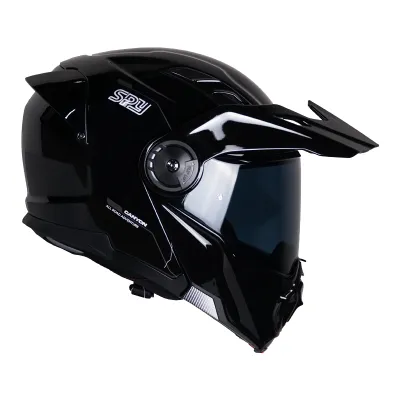
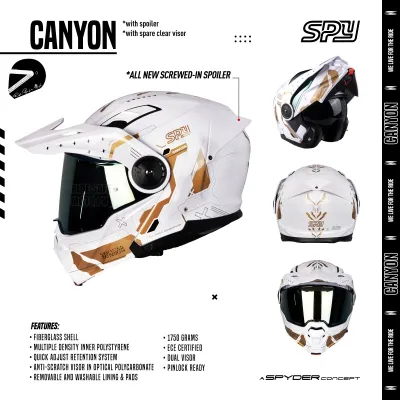
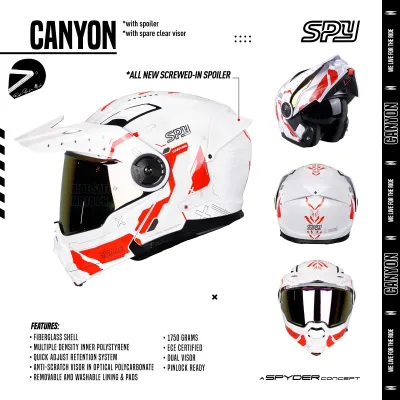
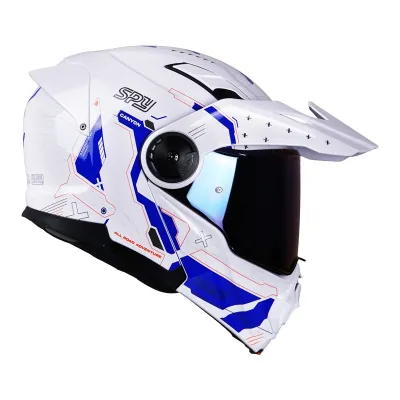
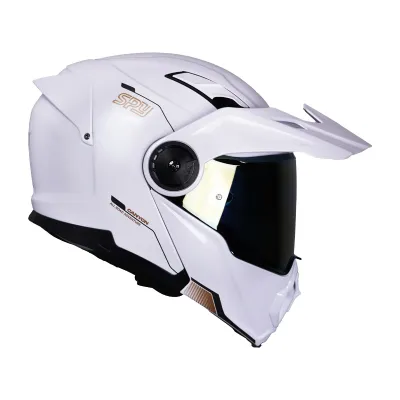
Prices are valid at publication and may change. Please refer to the product page for the latest price.
Physical Markers of a Genuine Spyder Canyon Helmet
When inspecting a Spyder Canyon helmet, start with the exterior shell and paint finish. A genuine helmet features a flawless paint job with crisp, clear graphics and a smooth clear coat. There should be no bubbling, peeling, or rough edges along the decals. The ventilation ports and visor mechanisms must align perfectly with the shell, operating smoothly without requiring excessive force or causing friction against the paint.

Inside the helmet, the comfort liner and cheek pads offer clear clues about authenticity. Genuine liners are made from high-quality, moisture-wicking fabrics designed to withstand sweat and humidity. The stitching should be neat, even, and free of loose threads. Look for removable, washable liner tags that display clear care instructions and material compositions.
The packaging and included accessories also reflect the manufacturer’s quality standards. A genuine product arrives in a sturdy, branded box featuring high-resolution printing and accurate product specifications. Inside, you should find a high-quality helmet bag, an official user manual, and any standard accessories securely packed.
Finally, examine the safety certification stickers and manufacturing details. Genuine helmets feature clear, legible stickers—such as the Import Commodity Clearance (ICC) sticker or other recognized safety marks—firmly adhered to the rear of the shell. Inside the helmet, beneath the comfort liner, you should find a permanent stamp or label indicating the exact manufacturing date and batch number.
Common Red Flags in Counterfeit Helmets
Counterfeit helmets often reveal their poor quality through distinct material shortcuts and manufacturing flaws. One of the most immediate warning signs is a strong, unpleasant chemical odor inside the helmet. This smell typically originates from low-grade adhesives, cheap synthetic fabrics, or inferior foam materials that release volatile organic compounds, which can be particularly overwhelming in warm, tropical climates.
The visor system on a fake helmet is usually flimsy and prone to wobbling. Genuine visors offer excellent optical clarity and are treated to resist scratches, whereas counterfeit visors often distort your vision and scratch easily during routine cleaning. Inspect the ratchet mechanism; if it feels loose, makes grinding noises, or fails to lock the visor securely in place, the helmet is likely a counterfeit.
Pay close attention to the branding and decals on the outer shell. Counterfeiters frequently make subtle spelling errors, use slightly altered fonts, or apply blurry logos that lack the sharp definition of the official brand. Decals on fake helmets may also be misaligned or applied over dust particles, resulting in visible bumps on the surface.
Lastly, check the serial numbers and safety labels. Fake helmets often feature missing, crooked, or easily rubbed-off serial numbers. If a safety sticker looks like it was printed on a low-quality home printer or can be easily peeled off with a fingernail, it is a major red flag.
How to Verify Authenticity Before and After Purchase
To protect your investment and your safety, you should employ verification strategies both before and after making a purchase. Many manufacturers include unique serial numbers, holographic labels, or QR codes on their products. You can verify these details by entering the serial number on the manufacturer’s official website or scanning the security code to confirm it matches their database.
When shopping online, always prioritize official brand stores or authorized dealers on major e-commerce platforms. Look for verified seller badges, high positive ratings, and consistent customer feedback. Be cautious of third-party sellers who use stock photos instead of actual product images; ask the seller to provide real-time photos of the physical helmet, including the safety stickers and inner labels, before you commit to the purchase.
If you are buying from an independent local retailer, do not hesitate to ask for proof of purchase or an authorization certificate from the official distributor. Legitimate business owners who source their inventory directly from authorized channels will gladly provide this peace of mind to their customers.
What to Do If You Suspect a Counterfeit
If you receive a helmet and suspect it is a counterfeit, stop using it immediately. Your safety on the road is too valuable to risk on unverified protective gear. Begin by documenting all the discrepancies you have identified. Take clear, high-resolution photos of the poor stitching, misaligned decals, flimsy visor, and any suspicious or missing labels alongside the packaging.
Next, initiate a return and refund request through the e-commerce platform’s buyer protection program. Avoid confirming the receipt of the item or leaving a review until the dispute is resolved, as doing so can complicate the refund process. Provide your documented photos and a detailed explanation of why you believe the product is counterfeit to support your claim.
Report the suspicious listing and the seller to the platform’s customer support team to help prevent other riders from purchasing dangerous gear. You can also file a formal complaint with local consumer protection agencies to report the sale of counterfeit safety equipment. Finally, ensure the counterfeit helmet is safely disposed of or returned to the platform; do not resell or donate it, as it does not provide the necessary impact protection.
Frequently Asked Questions (FAQ)
Can I rely solely on the price to identify a fake Spyder Canyon helmet?
While price is a strong indicator, it should not be your only point of comparison. If a seller offers a helmet at a price significantly lower than the standard retail price of several thousand pesos, it is highly likely to be a counterfeit. However, some counterfeiters sell fake helmets at near-retail prices to trick buyers into thinking they are purchasing genuine stock. Always combine price checks with physical inspections and seller verification.
Do all genuine Spyder helmets come with a verification QR code?
Not all production runs or older batches may feature a digital verification QR code. Security features can evolve over time based on the manufacturing year and regional distribution. If a QR code is absent, you should rely on other verification methods, such as checking the quality of the EPS liner, inspecting the clarity of the safety certification stickers, and verifying the seller’s authorized status.

Community discussion
Share your experience or ask a question. Comments are reviewed before publication.