
Identifying an original Nut Shell helmet in the Philippines requires a close inspection of its safety certification marks, specifically the Philippine Standard (PSB) mark and the Import Commodity Clearance (ICC) sticker. Because counterfeit helmets frequently mimic the external design of genuine protective gear, relying solely on a quick visual glance is no longer sufficient. To ensure your personal safety on the road, you must verify the physical security features of these stickers, cross-reference their license numbers with official databases, and evaluate the overall build quality of the helmet’s shell and inner liner.
Investing in a genuine helmet is a critical decision for any motorcycle rider. Counterfeit products often use cheap, brittle plastics and low-density foam that fail to absorb impact during a collision, putting your life at risk. By learning how to spot the subtle differences between authentic certification marks and cheap imitations, you can confidently purchase a helmet that meets national safety standards.
Why PSB and ICC Certifications Matter for Helmet Safety
In the Philippines, the Bureau of Philippine Standards (BPS), an agency under the Department of Trade and Industry (DTI), strictly regulates protective riding gear. The BPS ensures that every motorcycle helmet distributed in the local market undergoes rigorous testing for impact attenuation, penetration resistance, and retention system strength. Without these certifications, there is no guarantee that a helmet will protect your head during an accident.
Products mentioned in this guide
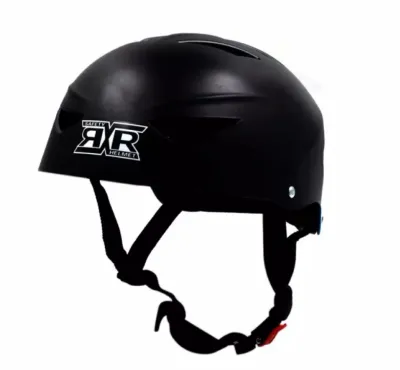
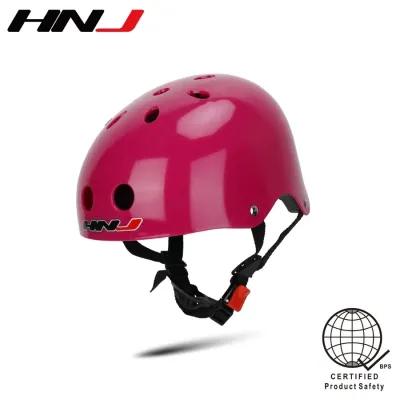
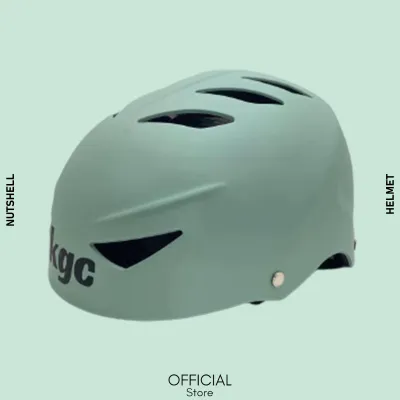
Prices are valid at publication and may change. Please refer to the product page for the latest price.
The certification system uses two distinct marks depending on how the helmet entered the market. The PSB mark is typically issued for locally manufactured helmets or products from companies with established local manufacturing licenses. On the other hand, the ICC sticker is applied to imported batches of helmets that have successfully passed inspection upon arrival at Philippine ports. Both marks serve as official proof that the helmet model has met the required national safety standards.
Using an uncertified or counterfeit helmet carries severe safety risks. Substandard materials can crack instantly upon impact, transferring the full force of a crash directly to the rider’s skull. Furthermore, riding with an uncertified helmet is a violation of local traffic laws, which can result in hefty fines and confiscation of the gear by traffic law enforcement officers.
Step-by-Step Guide to Checking PSB and ICC Stickers
When inspecting a Nut Shell helmet, your first step should be locating the certification stickers. These marks are typically placed on the rear lower portion of the helmet shell, making them easily visible to inspectors and buyers alike. In some cases, additional certification details or duplicate labels may be found on the product packaging or attached to the chin strap.

Take a close look at how the sticker is adhered to the helmet surface. Genuine stickers are applied using high-quality adhesives that prevent clean removal; attempting to peel them off usually results in the sticker tearing or leaving a distinct pattern behind. If a sticker appears loose, has curling edges, or shows signs of being peeled off and reapplied, treat the helmet with extreme suspicion.
Do not rely solely on the presence of a sticker, as counterfeiters can easily print replica labels. You must evaluate the print quality, check for specific security features, and cross-reference the printed license or batch numbers. Taking a few minutes to perform these checks before handing over your money can save you from purchasing a useless piece of plastic.
Inspecting the PSB (Philippine Standard) Mark
A genuine PSB mark features a clean, high-resolution layout that includes the official logo of the Bureau of Philippine Standards. The text and lines on the mark should be perfectly sharp, with no bleeding ink, blurry edges, or pixelation. Counterfeiters often use low-resolution digital printers or photocopiers, resulting in a grainy appearance that is easy to spot under good lighting.
The PSB mark must also display a unique license number issued to the manufacturer or authorized distributor. This number is not a random sequence; it corresponds directly to the official registration of the product line. Additionally, you should verify that the company name associated with the PSB mark matches the official manufacturer of Nut Shell helmets or their authorized local distributor. Any mismatch in the manufacturer details is a clear red flag.
Verifying the ICC (Import Commodity Clearance) Sticker
Because many high-quality helmets are imported, the ICC sticker is the most common certification mark you will encounter. Genuine ICC stickers are printed on specialized security paper that incorporates unique holographic elements. When you tilt the helmet under a light source, the holographic portions should shimmer and display shifting colors or patterns that are difficult to replicate with standard printing equipment.
The Bureau of Philippine Standards also utilizes micro-printing on official ICC stickers. This means that some of the fine lines or borders on the sticker actually consist of extremely small text that is only legible under a magnifying glass or a high-resolution smartphone camera zoom. Every authentic ICC sticker features a unique batch or serial number printed clearly on its face, allowing authorities to trace the specific shipment and batch to which the helmet belongs.
Additional Authenticity Indicators Beyond Certification Stickers
While stickers are the primary focus of authentication, evaluating the physical construction of the helmet provides crucial secondary proof. Start by examining the inner liner, specifically the expanded polystyrene (EPS) foam. An original Nut Shell helmet uses high-density EPS that feels firm and solid to the touch, whereas counterfeit helmets often use soft, cheap packaging foam that easily deforms under finger pressure.
Next, inspect the interior comfort padding and the retention system. Genuine helmets feature neat, consistent stitching with high-quality fabrics that do not fray easily. The chin strap should be made of thick, heavy-duty webbing, and the buckle—whether a double-D ring or a quick-release mechanism—should operate smoothly and lock securely without any play or slipping.
Official branding and logo placement also offer clues to authenticity. Check the alignment, font, and paint quality of the Nut Shell logos on the shell; counterfeits often feature slightly crooked decals, incorrect fonts, or paint that scratches off easily. Furthermore, an original helmet always comes with official packaging, a high-quality helmet bag, a detailed user manual, and official warranty documentation.
Where to Buy Genuine Nut Shell Helmets in the Philippines
To minimize the risk of purchasing a counterfeit product, you should always prioritize authorized purchasing channels. Buying directly from official physical retail stores or authorized motorcycle gear dealers in the Philippines is the safest option. These establishments source their inventory directly from official distributors, ensuring that every helmet on display is fully certified and genuine.
If you prefer shopping online, stick to verified flagship stores on major e-commerce platforms. Look for official mall tags or seller badges that indicate a direct partnership with the brand. Always read customer reviews carefully, paying close attention to photos uploaded by previous buyers that show the actual PSB or ICC stickers on the delivered products.
Be highly skeptical of deals that seem too good to be true. If a seller offers a Nut Shell helmet at a price significantly below the standard retail range—such as a fraction of the typical ₱ price found in authorized shops—it is almost certainly a counterfeit. Additionally, avoid sellers who refuse to provide clear, close-up photos of the certification stickers and the helmet’s interior before shipping.
What to Do If You Suspect a Counterfeit Helmet
If you have already purchased a helmet and suspect it is a counterfeit after performing these checks, do not wear it on the road. Your safety is worth far more than the cost of the gear, and riding with a substandard helmet leaves you completely unprotected. Store the helmet safely away and prepare to take action against the seller.
If the purchase was made online, immediately initiate a return and refund request through the e-commerce platform’s buyer protection program. Provide clear photographic evidence showing the discrepancies in the certification stickers, the poor build quality, or any mismatches with official product details. To help protect other riders in the community, report the fraudulent seller to the Department of Trade and Industry (DTI) or the Bureau of Philippine Standards (BPS).
Frequently Asked Questions (FAQ)
Can a fake helmet have a printed PSB or ICC sticker?
Yes, counterfeiters frequently print replica PSB or ICC stickers to make substandard helmets look legitimate. However, these fake stickers almost always lack the advanced security features of genuine marks, such as high-resolution printing, tamper-evident adhesives, and authentic holographic elements. This is why you must inspect the physical quality of the sticker and verify the license or serial numbers rather than relying on the sticker’s presence alone.
How can I verify a PSB mark or ICC clearance online?
You can verify the legitimacy of a certification mark by visiting the official website of the Bureau of Philippine Standards (BPS) or using designated government verification portals. By entering the manufacturer’s license number from the PSB mark or the serial number from the ICC sticker, you can check if the database contains a matching, active certification for that specific helmet model. If the search returns no results or shows a completely different product, the helmet is not genuine.

Community discussion
Share your experience or ask a question. Comments are reviewed before publication.