
Spotting fake caliper rubber boots requires a careful combination of physical inspection, packaging analysis, and purchasing vigilance. In the Philippines, where motorcycles and scooters navigate intense tropical heat, heavy monsoon downpours, and flooded streets, the integrity of your braking system is paramount. Caliper rubber boots act as the primary barrier protecting your brake caliper’s moving parts from water, road grime, and abrasive debris. Installing counterfeit boots can lead to rapid material degradation, compromised braking performance, and severe safety hazards. Because brakes are a critical safety system, always consult your vehicle’s original service manual and prioritize qualified professional installation to ensure your vehicle remains road-legal and safe.
Why Counterfeit Caliper Rubber Boots Pose a Safety Risk
Brake calipers rely on hydraulic pressure to force brake pads against the rotor, slowing your vehicle down. Caliper rubber boots, including slide pin boots and piston dust seals, maintain the clean environment necessary for this movement. When counterfeit boots are installed, they fail to provide the reliable sealing required under extreme operating conditions.
The primary danger of counterfeit rubber is its poor resistance to heat and chemicals. Genuine boots are manufactured from specialized synthetic rubber compounds, such as Ethylene Propylene Diene Monomer (EPDM), which can withstand high temperatures generated during heavy braking and resist degradation from glycol-based brake fluids. Counterfeit boots are often made from cheap, low-grade rubber or reclaimed plastics. When these materials come into contact with brake fluid or high heat, they can swell, soften, or dissolve, leading to critical fluid leaks and a sudden loss of hydraulic pressure.
Products mentioned in this guide
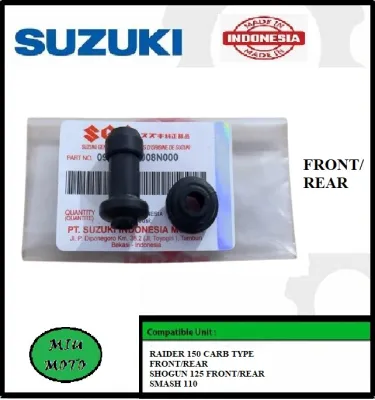
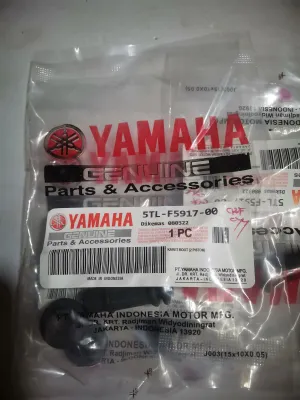
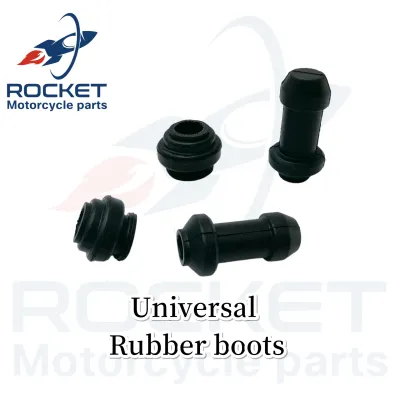
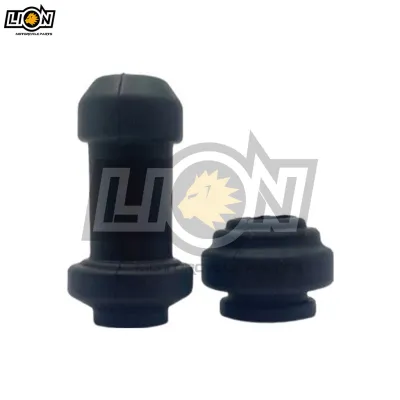
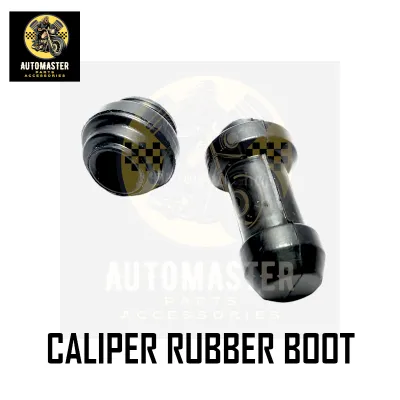
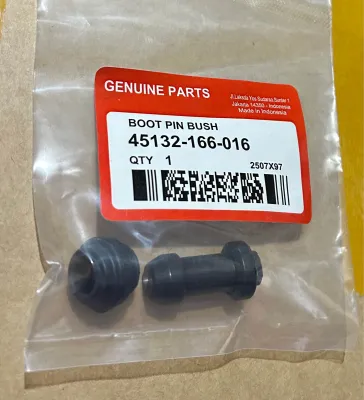
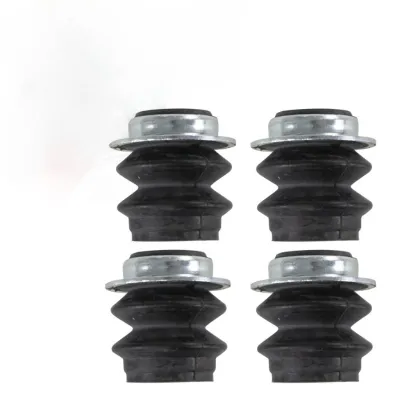
Prices are valid at publication and may change. Please refer to the product page for the latest price.
Furthermore, compromised boots allow moisture and dirt to enter the caliper slide pins and piston chambers. In the humid and wet conditions common across the Philippines, this water intrusion quickly leads to rust and corrosion. Over time, the corrosion causes the caliper slide pins or pistons to seize. A seized caliper can cause uneven brake pad wear, constant brake dragging, overheating, and in worst-case scenarios, a complete wheel lockup while riding.
How to Inspect Packaging and Physical Markers
Performing a hands-on inspection of the caliper rubber boots before installation is one of the most effective ways to verify their authenticity. Start by examining the packaging. Genuine manufacturers use high-quality cardboard boxes or thick, sealed plastic packets with crisp, clear, and aligned printing. Counterfeit packaging often exhibits blurry logos, misaligned text, spelling errors, or faded colors. Look for security features such as holographic labels, tamper-evident seals, or printed QR codes that direct you to the manufacturer’s official verification portal.

Next, evaluate the physical characteristics of the rubber itself. Genuine caliper boots are highly flexible, smooth to the touch, and resilient. When you squeeze, bend, or stretch a genuine boot, it should immediately return to its original shape without showing signs of stress marks or micro-cracks. Counterfeit boots, by contrast, often feel excessively stiff, rigid, or greasy. They may also emit a strong, pungent chemical odor—a clear sign of low-quality chemical plasticizers and reclaimed rubber compounds.
Inspect the molding quality and seams under good lighting. Genuine components are manufactured using high-precision molds, resulting in clean edges and virtually invisible parting lines. Counterfeit boots frequently display sloppy manufacturing, such as excess rubber flashing along the seams, uneven wall thickness, or tiny air bubbles trapped within the material. These imperfections are not just cosmetic; they represent structural weak points that will easily tear under the mechanical stress of braking.
Finally, verify the part numbers printed on the packaging against the manufacturer’s official catalog or website. Ensure that the dimensions, mounting style, and interface match your specific vehicle model, year, and caliper type. Never rely on generic compatibility claims on the packaging; always cross-reference the exact specifications to guarantee a safe and precise fit.
Red Flags When Shopping on E-Commerce Platforms
Online marketplaces offer convenience, but they are also common channels for counterfeit automotive parts. Recognizing the warning signs of a fraudulent listing before clicking the checkout button can save you from purchasing dangerous imitations.
The most obvious red flag is an unrealistically low price. If a caliper rubber boot kit is listed for ₱50 when the standard retail price at authorized local dealerships is ₱500, the product is highly likely to be counterfeit. High-quality, heat-resistant synthetic rubber cannot be produced and sold at such low price points. While discounts occur, extreme price discrepancies are a clear indicator of substandard materials.
Examine the product listing details carefully. Be suspicious of sellers who use vague descriptions, omit specific brand names, or rely entirely on low-resolution, watermarked stock images stolen from official manufacturer websites. Genuine listings typically provide comprehensive technical specifications, clear compatibility lists for specific motorcycle models, and high-quality, original photos of the actual product and its packaging.
Additionally, scrutinize the seller’s profile and customer feedback. Look closely at the reviews on the ecommerce platform. Be wary of stores with overall low ratings, a high volume of recent negative feedback, or reviews that specifically mention poor fitment, rapid tearing, or a strong chemical smell. Check the store’s return and refund policies; reputable sellers of critical safety components will offer clear, reasonable return windows for verified defects, whereas counterfeit sellers often refuse returns or disappear entirely.
Trusted Channels for Buying Genuine Brake Parts
To minimize the risk of purchasing counterfeit caliper rubber boots, always prioritize secure and verified purchasing channels. Sourcing your parts from authorized distributors ensures you receive components that meet strict safety and performance standards.
Your first choice should be authorized physical dealerships or official brand flagship stores on reputable online marketplaces. These sellers maintain direct supply chains with the manufacturers, guaranteeing the authenticity of every part they sell. When shopping online, look for platform-verified badges that indicate an official brand store or an authorized distributor.
Established local motorcycle repair shops and auto parts physical stores are also excellent options. Purchasing in person allows you to handle the product, inspect the packaging, and verify the rubber quality using the physical markers discussed earlier. Furthermore, local mechanics in these established shops can provide valuable insights into part compatibility and offer professional installation services.
If you are uncertain about a specific seller’s legitimacy, take the time to verify their authorization status. You can contact the brand’s official customer service or local distributor in the Philippines to ask if the seller is an authorized dealer. Many manufacturers maintain an updated directory of certified retailers on their official websites to help consumers make safe purchasing decisions.
Steps to Take If You Receive a Suspected Counterfeit
If you receive a caliper rubber boot and suspect it is counterfeit, take immediate action to protect your safety and your consumer rights. Do not attempt to install or use the suspected part on your vehicle under any circumstances.
First, halt the installation process and keep the product exactly as it arrived. Preserve all original packaging, boxes, plastic wraps, and labels. Do not throw away any shipping invoices, receipts, or documentation, as these will serve as vital evidence during the dispute process.
Next, document the discrepancies thoroughly. Take clear, well-lit photographs and videos of the suspected counterfeit boot. Focus on the specific areas that raise concern, such as blurry printing on the box, uneven molding seams, excessive stiffness, or a lack of official security holograms. If possible, place the suspected fake next to a genuine worn part or an official product image to clearly demonstrate the differences.
Finally, initiate a formal dispute through the ecommerce platform or contact the seller directly to request a full refund. Submit your documented photo and video evidence to support your claim, explicitly stating that the product received is a counterfeit safety hazard. Additionally, report the fraudulent listing and the seller’s store to the platform administrators. Reporting these listings helps clean up online marketplaces, preventing other riders from unknowingly purchasing substandard brake parts.
Frequently Asked Questions (FAQ)
Can I use silicone grease on any caliper rubber boot?
Always consult your vehicle’s service manual or the rubber boot manufacturer’s instructions before applying any lubricant. While high-quality silicone grease is commonly recommended for slide pins because it does not degrade EPDM rubber, using incompatible petroleum-based greases can cause the rubber to swell, soften, and tear rapidly.
How often should caliper rubber boots be replaced?
There is no fixed mileage interval for replacing caliper rubber boots. Instead, inspect them visually during every brake pad change or routine maintenance check. Look for signs of cracking, dry rot, tears, or fluid seepage. Replace the boots immediately if you observe any physical damage or deformation to prevent moisture from entering the caliper.
Do all genuine caliper boots come with a warranty?
Standard warranties for small consumable brake components like rubber boots typically cover only verified manufacturing defects out of the box. They do not cover normal wear and tear, damage caused by improper installation, or exposure to incompatible chemicals and lubricants. Always verify the warranty terms with your authorized seller before purchasing.

Community discussion
Share your experience or ask a question. Comments are reviewed before publication.