
Identifying a genuine Hella spark plug requires a systematic inspection of its packaging, physical construction, and security markings before installation. Counterfeit ignition components have become increasingly sophisticated, making visual verification and sourcing from authorized channels essential steps for every vehicle owner. By examining the print quality of the box, checking the alignment of the electrodes, and validating batch codes, you can protect your engine from catastrophic failure.
Before purchasing or attempting any installation, always consult your vehicle’s original manufacturer instructions and service manual. If you are unfamiliar with ignition systems, seek qualified professional installation to ensure safety and prevent damage to your engine’s cylinder head. Keeping your vehicle’s original, functioning spark plugs installed until you can secure verified replacements is always the safest approach.
Understanding the Engine Risks of Counterfeit Spark Plugs
Installing counterfeit spark plugs poses severe risks to your vehicle’s engine, often leading to expensive mechanical repairs. Fake plugs are typically manufactured using substandard materials that cannot withstand the extreme temperatures and pressures inside a combustion chamber. If a counterfeit plug has an incorrect heat range, it can cause pre-ignition or detonation, which can melt pistons and damage cylinder walls over time.
Products mentioned in this guide
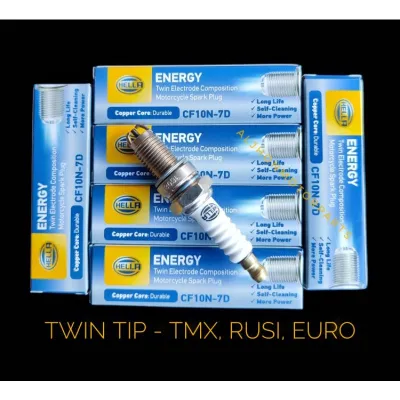
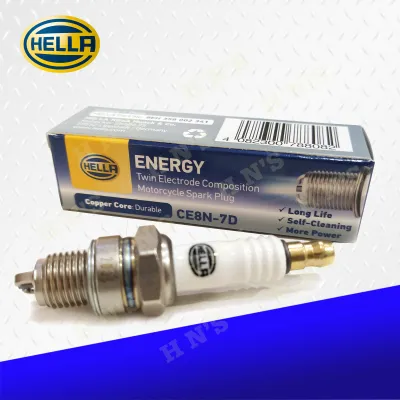
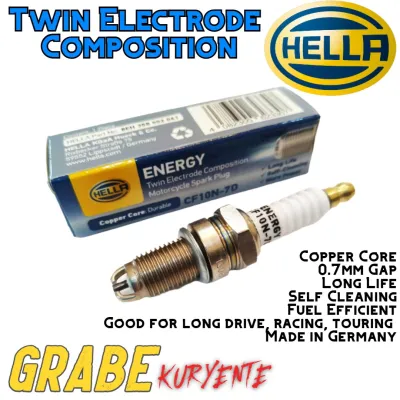
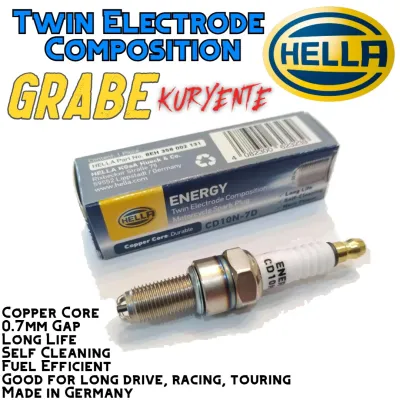
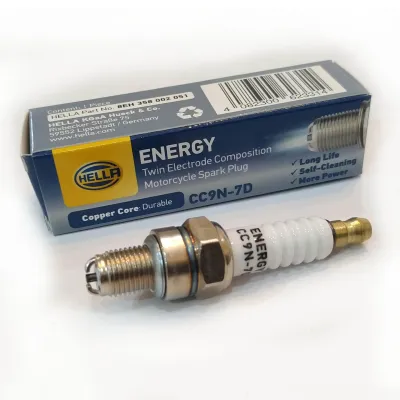
Prices are valid at publication and may change. Please refer to the product page for the latest price.
Poor electrical conductivity in counterfeit plugs also disrupts the ignition sequence, leading to immediate performance issues. You may notice frequent engine misfires, a rough or vibrating idle, and a noticeable drop in fuel economy as unburnt fuel escapes through the exhaust system. In tropical climates with high humidity, these ignition inconsistencies are often amplified, making cold starts more difficult and sluggish.
The most catastrophic risk is structural failure, where the ceramic insulator cracks or the ground electrode breaks off directly into the cylinder. Loose metal fragments inside an active cylinder will quickly destroy the engine valves and cylinder head, turning a cheap maintenance part into a complete engine rebuild. Relying solely on a seller’s verbal assurances or a low price tag is never enough to guarantee the safety of your engine.
Inspecting Packaging and Labeling for Authenticity
The first line of defense against counterfeit automotive parts is a meticulous inspection of the retail packaging. Genuine Hella packaging features high-resolution printing with sharp, crisp text, consistent brand colors, and precise alignment. Counterfeit boxes often display blurry logos, slight color shifts, or subtle spelling mistakes that indicate low-budget printing operations.

Pay close attention to the security features integrated into the packaging design. Authentic boxes usually feature tamper-evident seals, high-quality holographic stickers, or clearly printed batch codes that do not smudge when rubbed. If the security seal is broken, missing, or looks like a simple paper sticker, treat the product with immediate suspicion.
Additionally, you must cross-reference the printed information on the box with the physical markings on the spark plug itself. The part numbers, thread specifications, and barcodes on the exterior must match the stamped codes on the metal shell of the plug. Any discrepancy in font style, character spacing, or the actual part number indicates a high probability of a counterfeit product.
Examining Physical Build Quality and Materials
A physical inspection of the spark plug’s construction reveals the differences in manufacturing standards between genuine and fake components. Start by examining the ceramic insulator, which should have a smooth, uniform glaze without any visible molding seams, rough patches, or hairline cracks. Genuine ceramic is designed to insulate high voltages, whereas cheap counterfeit ceramic often features uneven coloring and structural imperfections that allow electrical leakage.
Next, inspect the electrode assembly at the firing end of the spark plug. Genuine Hella spark plugs feature precisely aligned center and ground electrodes with clean, consistent welds. The center electrode tip must be perfectly centered and match the specified material appearance, whether it is standard nickel, platinum, or iridium. Counterfeit plugs often have crooked electrodes, sloppy welding splatter, and inconsistent gaps that directly affect spark delivery.
The metal shell and threads also provide clear clues regarding authenticity. Genuine threads are smoothly machined and rolled to prevent damage to your engine’s cylinder head during installation. In contrast, fake plugs often have rough, cut threads with metal burrs that can strip the threads in your engine block. Ensure the gasket is securely attached but capable of crushing properly upon installation, and check that the terminal nut at the top is firmly fixed and free of cheap plating defects.
Using Official Verification Methods and Tools
Modern counterfeiters can replicate visual designs, making official verification systems crucial for absolute certainty. Many genuine Hella products come equipped with unique QR codes or scratch-off verification labels on the packaging. Scanning these codes with a smartphone should direct you to an official manufacturer portal that confirms the authenticity of that specific serial number.
If a QR code is present, verify that the URL of the landing page belongs to the official domain of the manufacturer rather than a lookalike website. You can also manually input the printed batch codes or serial numbers into the official online catalog or verification tools. If the system flags the code as invalid or shows that it has been scanned multiple times before, the product is likely a replica.
Before purchasing, always cross-reference the physical dimensions, thread pitch, and heat range of the plug with the official Hella application guide or your vehicle’s owner’s manual. Installing a spark plug with the wrong physical dimensions can cause the piston to strike the electrode, resulting in immediate and severe engine damage.
Choosing Safe Purchasing Channels for Genuine Parts
The most effective way to avoid counterfeit spark plugs is to buy exclusively from established, authorized distribution networks. Authorized Hella distributors, official brand stores on major ecommerce platforms, and reputable local automotive parts specialists maintain direct supply chains that guarantee product legitimacy. Purchasing from these sources ensures you receive genuine components backed by manufacturer standards.
When shopping on third-party online marketplaces, exercise extreme caution and thoroughly evaluate individual sellers. Check the store’s age, customer feedback ratings, and reviews specifically mentioning product authenticity. Be wary of stores that have only been active for a few weeks, have generic names, or offer a wide variety of unrelated, non-automotive goods alongside specialized car parts.
Always request an official receipt and verify the warranty documentation provided with your purchase. Legitimate sellers will gladly provide proof of purchase and stand behind the products they sell. Avoid buying critical engine components from unverified social media marketplace listings or individual sellers who cannot provide official documentation or a clear return policy.
Steps to Take If You Suspect a Counterfeit
If you suspect that the spark plugs you purchased are counterfeit, do not attempt to install them in your vehicle. Operating an engine with unverified ignition components can lead to sudden mechanical failure, leaving you stranded and facing expensive repair bills. Keep your vehicle’s original, functioning spark plugs installed until you can secure verified replacements.
Document all evidence of the suspected counterfeit immediately by taking high-resolution photographs. Capture clear images of the packaging from all angles, focusing on the print quality, barcodes, and security seals. Take close-up photos of the physical defects on the spark plug, such as misaligned electrodes, rough threads, or flaws in the ceramic insulator.
Contact the seller to request a full refund and initiate a formal dispute through the ecommerce platform’s customer protection program. Provide your documented photographic evidence to support your claim. Additionally, report the fraudulent listing to local consumer protection authorities to help prevent other vehicle owners from purchasing dangerous counterfeit parts.
Frequently Asked Questions (FAQ)
Can a fake spark plug pass a basic multimeter resistance test?
Yes, a counterfeit spark plug can easily pass a basic multimeter resistance test. A standard multimeter only measures the electrical resistance of the internal resistor to ensure it falls within a general range, which counterfeiters can easily replicate using cheap carbon elements. This test cannot evaluate the quality of the ceramic insulation, the durability of the electrode materials under high temperatures, or the plug’s ability to withstand combustion pressure.
Does a lower price always mean the Hella spark plug is fake?
While a lower price does not automatically mean a spark plug is fake, extremely low prices are a major warning sign. Genuine parts may occasionally feature modest discounts during authorized clearance events or bulk promotions from verified distributors. However, if the price in ₱ is significantly below the average retail rate of authorized local dealers—such as a complete set selling for less than the typical cost of a single genuine plug—it is highly likely to be a counterfeit product.

Community discussion
Share your experience or ask a question. Comments are reviewed before publication.