
Verifying the authenticity of a Honda spark plug before installation is a critical maintenance step that can save you from catastrophic engine failure. Counterfeit automotive parts have become increasingly sophisticated, flooding online marketplaces and unauthorized retail shops with convincing replicas. To ensure you are installing a genuine Honda spark plug, you must perform a systematic check of the packaging, examine the physical build quality of the plug itself, and verify the source of purchase. Taking a few minutes to inspect these components prevents costly repairs and keeps your vehicle running efficiently.
Why Counterfeit Spark Plugs Pose Engine Risks
Using counterfeit spark plugs introduces severe mechanical risks to your vehicle’s engine. Genuine Honda spark plugs are engineered to operate within precise heat ranges, allowing them to dissipate heat effectively from the combustion chamber. Counterfeit plugs, however, are often manufactured with cheap, low-grade alloys that cannot withstand high operating temperatures, especially under the intense tropical heat and heavy traffic conditions common in the Philippines. When a spark plug fails to manage heat, it can cause pre-ignition or engine misfires, leading to poor fuel economy, sluggish acceleration, and incomplete combustion.
Over time, the extreme thermal stress on a fake spark plug can lead to physical disintegration. The ceramic insulator may crack and break apart, dropping hard ceramic fragments directly into the engine cylinder. These loose particles can score the cylinder walls, damage the valves, and ruin the pistons, resulting in an incredibly expensive engine overhaul. Additionally, the inferior metal used in counterfeit electrodes can melt or break off entirely, causing immediate and severe mechanical damage. Investing in genuine parts is not just about performance; it is a fundamental safety measure to protect your engine from sudden, catastrophic failure.
Products mentioned in this guide
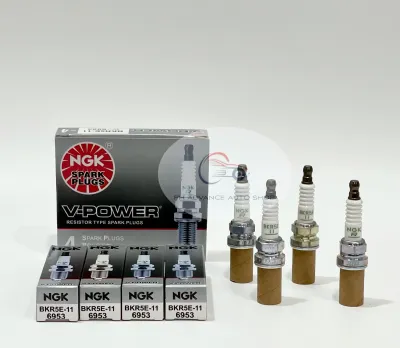
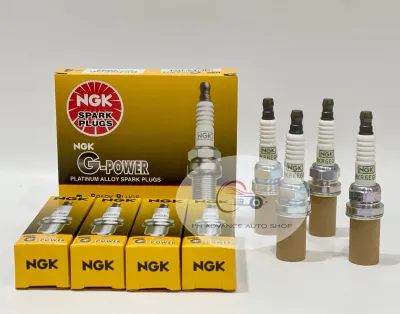
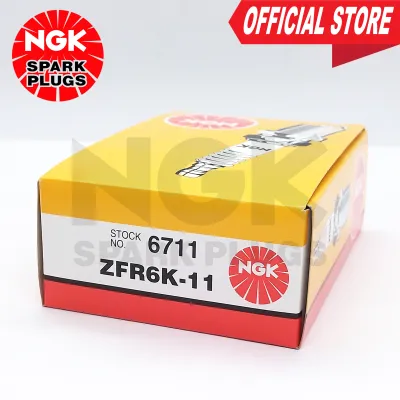
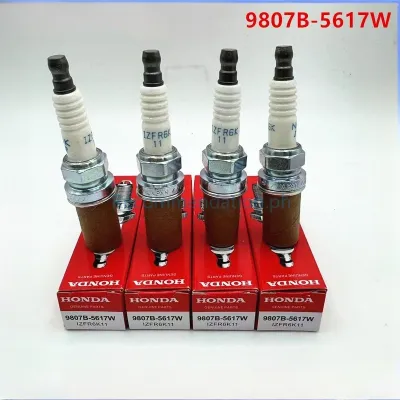
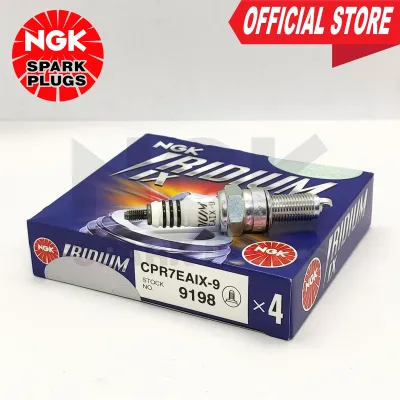
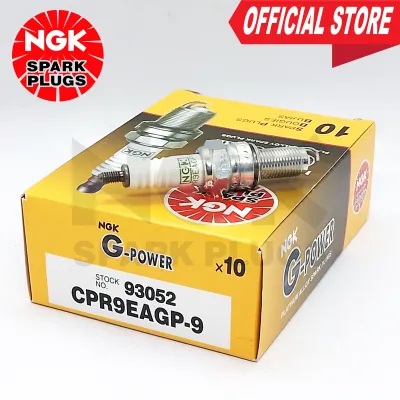
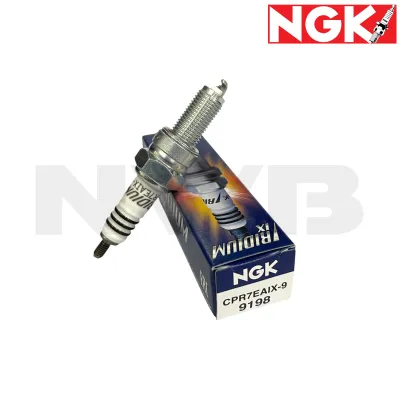
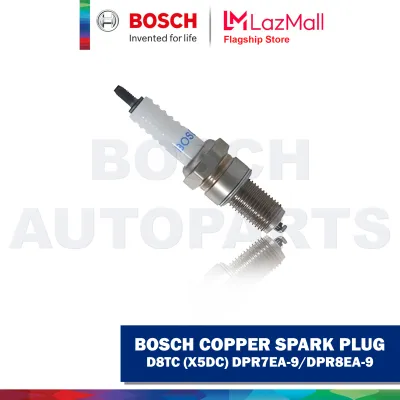
Prices are valid at publication and may change. Please refer to the product page for the latest price.
Visual Inspection: Packaging and Labeling Checks
The first line of defense against counterfeit parts is a thorough examination of the retail packaging. Genuine Honda parts are packaged in high-quality cardboard boxes with crisp, high-resolution printing. Counterfeiters often use cheaper printing presses, resulting in blurry logos, smudged text, or inconsistent color saturation. Pay close attention to the Honda logo and the red color branding; fakes often display a faded, overly dark, or slightly orange tint instead of the official, vibrant Honda red.

Next, inspect the fonts and labels on the box for consistency and accuracy. Genuine labels feature clean, uniform typography with perfectly aligned text. Carefully read all the printed information to check for spelling mistakes, grammatical errors, or unusual spacing, which are common indicators of a counterfeit operation. The part number should be clearly legible and match the formatting used in official catalogs.
Security features on the packaging also provide valuable clues. Many genuine Honda parts packages include holographic stickers or security seals that shift colors or reveal hidden patterns when tilted under light. Check the batch numbers and barcodes printed on the label; counterfeiters frequently mass-produce packaging with the exact same batch number across thousands of units. If you have access to multiple boxes, compare the batch codes to see if they are identical, which strongly suggests they are fake. Finally, always cross-reference the printed part number with an official Honda parts catalog or your vehicle’s owner’s manual to ensure the specification is correct for your engine.
Physical Examination: Build Quality and Material Clues
If the packaging passes inspection, the next step is a hands-on physical examination of the spark plug itself. Start by inspecting the ceramic insulator. On a genuine Honda spark plug, the ceramic is smooth, perfectly uniform, and free of physical defects like bubbles, hairline cracks, or uneven coloring. The branding and part numbers printed directly onto the ceramic should be sharp, perfectly aligned, and highly resistant to wear. If the printed text smudges, scratches off easily with a fingernail, or appears crooked, the plug is likely a counterfeit.
The electrodes require close scrutiny, as they are the most critical functional components of the spark plug. Genuine plugs utilize high-grade materials like iridium or platinum, featuring a finely pointed, precisely centered electrode. Counterfeit plugs often have thick, crudely cut center electrodes made of cheap nickel alloys, and the ground electrode may be poorly aligned or unevenly gapped. Use a spark plug gap tool to check the distance between the electrodes; a genuine plug will match the manufacturer’s exact specifications right out of the box, whereas a fake plug often exhibits inconsistent gaps.
Finally, examine the metal shell, threads, and gasket. Genuine Honda spark plugs feature cleanly rolled, smooth threads with no sharp edges, burrs, or metal shavings. The metal gasket or washer at the base of the threads is designed to be captive; on an original plug, you cannot easily unscrew or slide the gasket off the body. On counterfeit plugs, the gasket is often loose and can be threaded off with minimal effort. Additionally, check the terminal nut at the top of the plug; it should be perfectly centered, securely fastened, and free of machining marks or discoloration.
Verification Methods: Codes, Apps, and Official Channels
Modern technology has made it easier to verify automotive parts through digital channels. Some manufacturers place unique QR codes or scratch-off verification codes on their packaging. Scanning these codes with a smartphone can direct you to an official verification portal. If the portal flags the code as already scanned multiple times, or if the website URL looks suspicious and does not match the official manufacturer’s domain, the product is highly likely to be a counterfeit.
You should also check the physical batch codes stamped into the metal hex portion of the spark plug. These stamped codes represent manufacturing data and should align logically with the production details printed on the retail box. Counterfeit plugs often feature shallow, unevenly stamped, or entirely missing batch codes. If the stamping looks crooked or uses a different font style than standard genuine plugs, exercise extreme caution.
When in doubt, leverage official customer support channels for validation. You can take the suspected spark plug to an authorized Honda dealership or a certified service center in your area. The parts department staff can compare the plug against their verified inventory or look up the batch codes in their internal database to confirm authenticity. Taking this extra step provides peace of mind before you proceed with installation.
Where to Buy Original Honda Spark Plugs Safely
To minimize the risk of purchasing counterfeit spark plugs, you must be selective about your buying channels. The safest and most reliable option is to purchase parts directly from authorized Honda dealerships or certified service centers in the Philippines. These establishments source their inventory directly from official distribution networks, ensuring that every component meets strict quality and safety standards.
If you prefer to shop online, navigate online marketplaces with caution. Limit your purchases to official brand stores or highly rated sellers that carry verified merchant badges. Avoid buying from generic, unverified third-party sellers who offer no return policy or have a history of negative customer reviews complaining about part quality. Always read the customer feedback section, looking specifically for reviews that mention fitment issues or suspected counterfeits.
Pricing is another critical indicator of authenticity. Genuine high-performance spark plugs, particularly those utilizing precious metals like iridium or platinum, have a consistent market value due to their manufacturing complexity. If you encounter a listing offering a set of spark plugs at a price that seems too good to be true—such as ₱150 for a complete set when a single genuine plug typically costs significantly more—it is almost certainly a counterfeit. Saving a small amount of money upfront on cheap plugs is never worth the risk of a multi-thousand-peso engine repair.
What to Do If You Suspect a Fake Part
If your inspection reveals that a spark plug is likely counterfeit, stop the installation process immediately. Do not attempt to fit the plug into your engine, and do not start the vehicle if the plugs have already been installed. Operating an engine with counterfeit ignition components risks immediate mechanical damage, electrical issues, or sudden stalling while driving.
Begin documenting the product to prepare for a return or dispute. Take clear, well-lit photographs of the spark plug’s physical defects, the packaging, the labels, and any security seals. Keep your physical receipt, invoice, or digital order confirmation safe, as you will need this documentation to prove your purchase.
Contact the seller to demand a refund, explaining clearly that the item received does not match the description of a genuine Honda part. If the seller refuses to cooperate or if you purchased the item through an online marketplace, escalate the issue by filing a formal dispute with the platform’s customer support. You can also report the fraudulent seller to local consumer protection authorities, such as the Department of Trade and Industry (DTI) in the Philippines, to help protect other motorists from purchasing dangerous counterfeit automotive parts.
Frequently Asked Questions (FAQ)
Can I use a non-Honda branded spark plug as an original equivalent?
Yes, you can use high-quality equivalent spark plugs. Honda does not manufacture its own spark plugs; instead, they partner with established original equipment manufacturers (OEMs) such as NGK or Denso to produce their branded parts. You can safely use these OEM-branded plugs as long as the part numbers, heat ranges, thread dimensions, and electrode materials match the exact specifications detailed in your vehicle’s owner’s manual.
Do all genuine Honda spark plugs come with a holographic sticker?
No, holographic stickers are not present on every genuine package. Security features can vary significantly depending on the manufacturing plant, the production batch, and the specific region where the parts are distributed. Because packaging designs change over time, you should never rely solely on a single holographic sticker to verify authenticity; always combine visual packaging checks with a physical inspection of the spark plug itself.
How often should I replace my spark plugs to maintain engine health?
The replacement interval depends heavily on your vehicle’s specific engine design, the type of spark plug installed, and your typical driving conditions. Standard copper plugs generally require replacement much sooner than long-life platinum or iridium plugs. Always consult your vehicle’s owner’s manual for the manufacturer’s recommended service intervals, and consider inspecting them more frequently if you regularly drive in high-humidity environments or heavy stop-and-go traffic.

Community discussion
Share your experience or ask a question. Comments are reviewed before publication.