
To verify if your LS2 helmet is genuine, start by checking the physical build quality, the presence of official safety stickers, and the consistency of the serial numbers. A genuine LS2 helmet features a flawless outer shell finish, smooth visor operation, high-density impact-absorbing liners, and precise interior stitching. Additionally, you should cross-reference the serial number on the helmet’s rear or strap with the barcode on the retail box, and verify the seller against the official distributor list in the Philippines.
Why Counterfeit Helmets Pose a Safety Risk
A motorcycle helmet is your primary line of defense on the road, engineered to absorb and distribute extreme impact forces. Counterfeit helmets compromise this protection by using substandard materials that fail under stress. Instead of high-quality, energy-absorbing expanded polystyrene (EPS) liners, fake helmets often utilize cheap, low-density foam that collapses easily or fails to cushion your head during an accident.
The outer shell of a counterfeit helmet is typically molded from cheap plastics rather than the robust polycarbonate, fiberglass, or carbon fiber composites used by legitimate manufacturers. This makes the shell highly susceptible to cracking or shattering upon impact. Furthermore, these imitation products lack legitimate safety certifications, meaning they have never undergone rigorous testing for penetration resistance, chin strap retention, or peripheral vision clearance.
Products mentioned in this guide
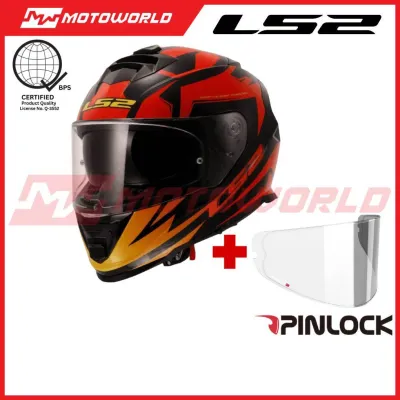
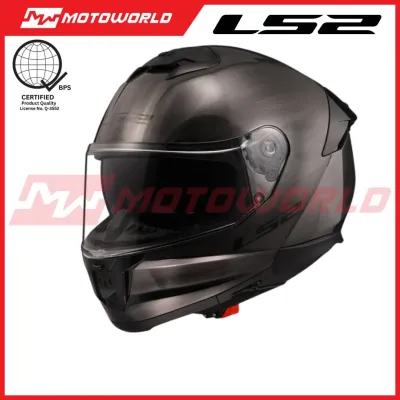
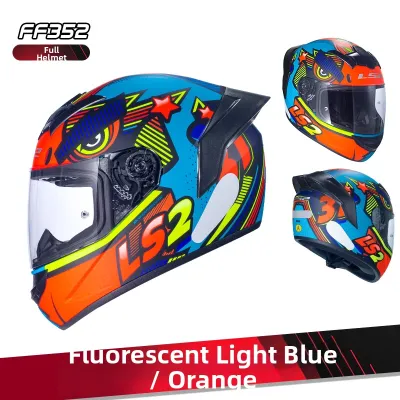
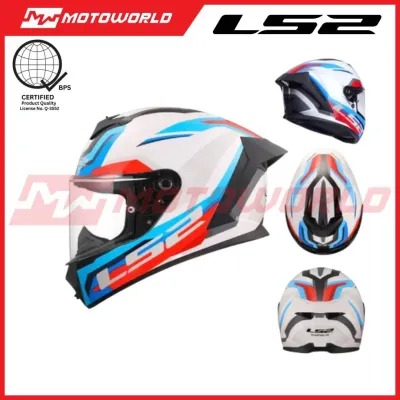
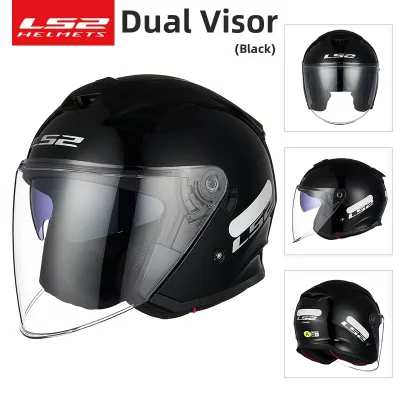
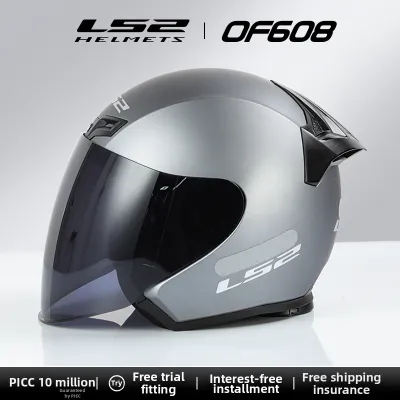
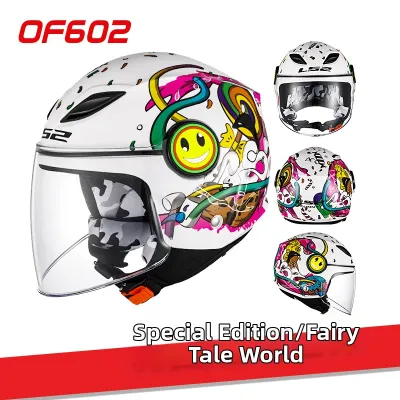
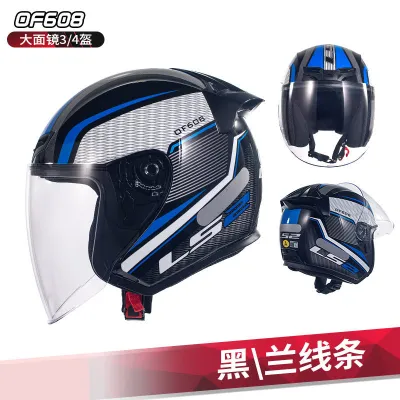
Prices are valid at publication and may change. Please refer to the product page for the latest price.
During a high-speed ride or a sudden fall, structural failures in a fake helmet can lead to severe consequences. The visor mechanism might shatter, sending sharp plastic fragments toward your eyes, or the chin strap buckle might fail entirely, causing the helmet to fly off your head before the secondary impact. Investing in a verified, genuine helmet is a non-negotiable step for your personal safety on the road.
Visual and Physical Inspection Checklist
Examining the physical characteristics of the helmet is one of the most reliable ways to identify a counterfeit. Start by inspecting the outer shell’s finish. Genuine LS2 helmets undergo strict quality control, resulting in a smooth paint job, crisp graphic alignments, and perfectly applied protective clear coats. If you notice blurry graphics, misaligned decals, or rough edges along the rubber trim, the helmet is likely a fake.

Next, test the visor mechanism. A genuine visor should operate smoothly, locking securely into various detents without requiring excessive force. The optical clarity of a real visor is excellent, providing a distortion-free view of the road ahead. Counterfeit visors often use cheap, thin plastics that distort your vision, scratch easily, and lack proper UV protection or anti-fog treatments, which are critical when riding in the humid, tropical climate of the Philippines.
The interior of the helmet offers more clues. Genuine padding is made of high-quality, moisture-wicking fabric designed to handle sweat and humidity. The stitching should be neat, uniform, and free of loose threads. Look for the removable liner tags; genuine models feature clearly printed care instructions, material compositions, and size labels.
Finally, pay attention to the overall weight and structural rigidity. While different helmet models have varying weights, a counterfeit often feels suspiciously light or structurally flexible when you apply gentle pressure to the sides. If the shell flexes excessively or makes creaking noises under light pressure, it lacks the structural integrity required for road safety.
Packaging, Labels, and Documentation Checks
The packaging and documentation that accompany your helmet can reveal a counterfeit before you even inspect the helmet itself. Genuine LS2 helmets are shipped in sturdy, high-quality cardboard boxes featuring sharp, high-resolution printing of the brand logo, model name, and graphics. Counterfeit boxes are often made of flimsy cardboard, with blurry images, faded colors, or spelling mistakes in the text.
Inside the box, you should find a comprehensive user manual, a warranty card, and a high-quality fabric helmet bag. The documentation in a genuine package is printed on quality paper with clear, legible text in multiple languages. If the manual contains obvious grammatical errors, poor translations, or low-resolution diagrams, treat the product with high suspicion.
Every genuine helmet comes with specific labels and stickers that must match the packaging. Look for the serial number sticker on the back of the helmet or stitched onto the chin strap. This unique identifier must match the barcode and serial number printed on the exterior of the retail box. Any discrepancy between these numbers is a major red flag.
In the Philippines, legitimate helmets sold by authorized dealers must carry the appropriate safety stickers, such as the Import Commodity Clearance (ICC) sticker or the Philippine Standard (PS) mark. These stickers feature unique security elements, including holographic patterns and serial numbers. Inspect these stickers closely to ensure they are not cheap, flat photocopies pasted onto the shell.
Official Verification Methods and Seller Evaluation
To protect yourself from purchasing a counterfeit, always verify the authenticity of the product through official channels and evaluate the seller’s credibility. Legitimate distributors often provide online verification portals where you can input the helmet’s serial number or scan a secure scratch-off verification code to confirm its authenticity. Always access these portals directly through the official manufacturer website rather than relying on links provided by the seller.
When shopping on online marketplaces or ecommerce platforms, prioritize buying from official brand stores or authorized local dealers. Authorized sellers are typically highlighted with official mall badges or verification tags on the platform. Avoid purchasing from third-party sellers who cannot provide proof of authorization or those who operate under generic, newly created store names.
Pricing is another critical indicator of authenticity. While legitimate dealers may offer seasonal discounts or promotional sales, a price that seems too good to be true is almost always a sign of a counterfeit. Compare the listing price against the standard retail price in Philippine Pesos (₱) across multiple authorized physical stores. If a seller is offering a premium helmet at a fraction of its standard retail value, the product is highly likely to be a fake.
Be cautious of product listings that rely solely on stock photos downloaded from the internet. Legitimate sellers often showcase actual photos of the product, including close-ups of the safety labels, packaging, and interior lining. Additionally, review the store’s return policy; authorized dealers will have clear, structured return and warranty policies, whereas counterfeit sellers often offer vague terms or refuse returns entirely.
What to Do If You Suspect a Fake Helmet
If you have purchased a helmet and suspect it is a counterfeit, take immediate action to protect your safety and secure a refund. First, stop using the helmet immediately. Do not ride with a suspected fake helmet, as it will not provide the necessary protection in the event of an accident. Your physical safety must always come first.
Next, document all evidence thoroughly. Take clear, high-resolution photographs of the helmet from multiple angles, focusing on the areas of concern such as misaligned logos, poor stitching, or inconsistent serial numbers. Photograph the packaging, the shipping label, and all included documentation. Keep a record of your purchase receipt, transaction history, and any communication with the seller.
Initiate a return or refund process through the specific ecommerce platform or payment provider you used for the transaction. Most major online marketplaces have buyer protection programs that cover counterfeit items. Submit your documented evidence clearly, explaining why you believe the product is not genuine. Avoid contacting the seller outside the platform’s official chat system, as the platform administrators will need to review the conversation history.
Finally, report the unauthorized seller to the platform’s customer support team to prevent other riders from falling victim to the scam. You can also file a formal complaint with relevant consumer protection agencies in the Philippines, such as the Department of Trade and Industry (DTI). Reporting these sellers helps clean up the marketplace and ensures that only safe, certified riding gear remains accessible to the public.
Frequently Asked Questions (FAQ)
Can I verify an LS2 helmet just by scanning a QR code on the box?
No, you should not rely solely on a QR code printed on the box. Counterfeiters can easily generate fake QR codes that redirect your smartphone to a cloned, fraudulent website designed to look like the official brand page. Always manually type the official manufacturer’s URL into your browser to access their verification portal, and cross-reference the physical serial numbers on the helmet strap with the packaging labels.
Are slightly cheaper helmets on online marketplaces always fake?
Not necessarily, but extreme discounts are a major warning sign. Legitimate authorized dealers occasionally run seasonal promotions, clearance sales, or holiday discounts that lower the price slightly. However, if the price is significantly lower than the standard retail price in ₱ across authorized physical stores, or if the seller is not listed as an authorized dealer, you should exercise extreme caution and verify the product’s physical details before purchasing.

Community discussion
Share your experience or ask a question. Comments are reviewed before publication.