
When navigating busy Philippine highways, your motorcycle helmet is your most critical line of defense. With the rising popularity of premium riding gear, counterfeit products have unfortunately flooded the market, making it essential to know how to identify a genuine product from a dangerous imitation. Purchasing your gear from a verified spyder helmet official store is the most secure way to protect yourself, but understanding how to spot physical and regulatory discrepancies is equally vital for every rider.
The Safety Risks of Counterfeit Riding Gear
Motorcycle helmets are engineered as highly sophisticated safety systems designed to manage and dissipate extreme impact forces during a collision. On Philippine roads, where riders frequently navigate unpredictable traffic, sudden weather changes, and challenging road surfaces, wearing a certified helmet is a critical factor in surviving an accident. Counterfeit helmets bypass all safety engineering, using cheap, unrated materials that fail to absorb impact, putting your life at immediate risk.
The core protective component of a genuine helmet is its expanded polystyrene (EPS) liner, which acts as a shock absorber by collapsing slowly under impact. Counterfeit manufacturers routinely substitute this high-grade EPS with cheap, low-density packaging foam or even hollow plastic. When subjected to an impact, these substandard materials fail to cushion the head, transferring the full force of the crash directly to the skull.
Products mentioned in this guide
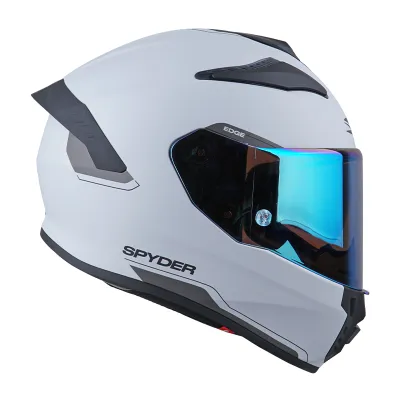
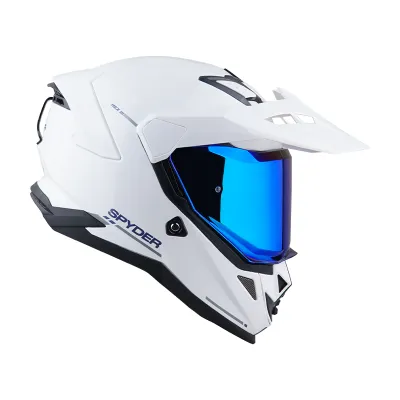
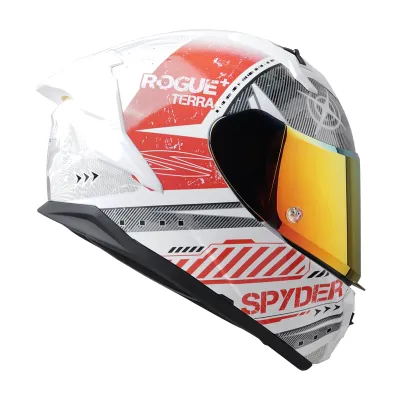
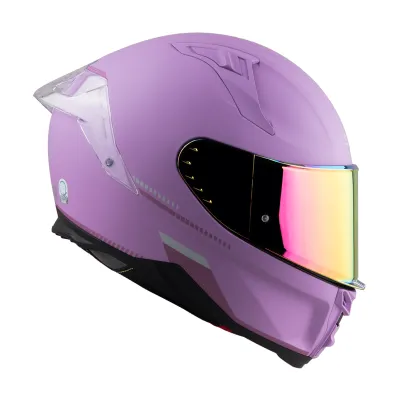
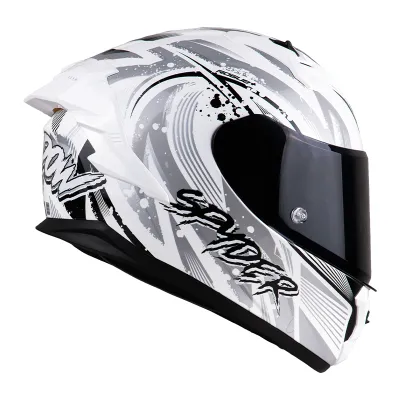
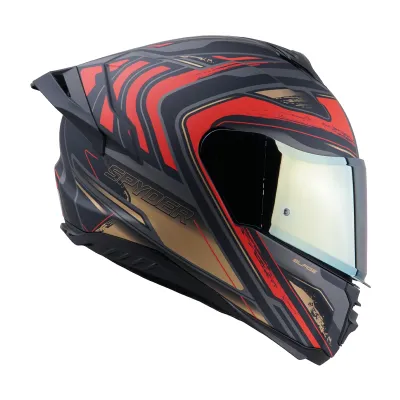
Prices are valid at publication and may change. Please refer to the product page for the latest price.
Furthermore, the outer shell of a genuine helmet is constructed from impact-resistant materials like high-grade polycarbonate or fiberglass composites. Fake helmets often utilize brittle, recycled plastics that crack or shatter upon impact, exposing the rider to severe trauma. While saving money on a cheaper, unverified helmet might seem appealing initially, compromising on your primary safety gear can lead to catastrophic consequences when you need protection the most.
Physical Inspection: Spotting Flaws in Shells, Visors, and Finishes
A hands-on physical inspection is one of the most effective ways to identify a counterfeit helmet. Genuine riding gear is manufactured under strict quality control standards, resulting in a level of fit, finish, and structural integrity that counterfeiters simply cannot replicate at low price points. By carefully examining the weight, materials, and cosmetic details, you can quickly spot the warning signs of a fake.

Evaluating Shell Weight, Visor Clarity, and Padding
The overall weight and balance of a helmet serve as immediate indicators of its authenticity. Genuine helmets are engineered with robust internal structures and dense protective liners, giving them a solid, substantial feel. If a helmet feels unusually light, flimsy, or hollow when you tap the outer shell, it likely lacks the necessary high-density EPS liner required to pass safety standards.
Next, inspect the inner comfort padding and lining. Genuine helmets feature plush, moisture-wicking, and hypoallergenic fabrics designed to handle the intense heat and humidity of tropical riding in the Philippines. The stitching along the padding should be perfectly uniform, tight, and free of loose threads. Counterfeit helmets, by contrast, often use rough, thin fabrics over cheap foam that easily compresses and fails to regain its shape, leading to a loose and unsafe fit over time.
The visor assembly is another critical area where counterfeiters cut corners. Genuine visors are made from optical-grade polycarbonate, offering distortion-free vision, scratch resistance, and reliable UV protection. They articulate smoothly through distinct detents and lock securely into place. A fake visor often exhibits noticeable optical distortion, scratches easily, and feels loose or stiff when operated, which can severely compromise your visibility during night rides or sudden downpours.
Checking Logos, Paint Quality, and Decal Alignment
Cosmetic imperfections are common on counterfeit helmets because high-quality finishing processes require specialized machinery. Begin by examining the paint job under bright, direct light. Genuine helmets feature smooth, even paint application with a deep, durable clear coat that protects the graphics from UV damage and minor scratches. Look closely for paint runs, trapped dust particles, uneven color distribution, or an “orange-peel” texture, which are clear signs of a rushed, low-quality manufacturing process.
The application of brand logos and graphic decals is another dead giveaway. On a genuine helmet, decals are perfectly aligned, crisp, and typically applied under the final clear coat so they cannot be easily peeled off. Counterfeit helmets often feature cheap vinyl stickers applied on top of the clear coat, which can be easily lifted with a fingernail.
Pay close attention to the spelling and typography of the brand name. Counterfeiters sometimes introduce subtle misspellings or use incorrect fonts to evade trademark laws while still confusing casual buyers. Any blurriness in the graphic prints, misaligned stripes, or asymmetrical patterns indicates that the helmet did not undergo legitimate quality control.
Verifying Local Safety Certifications and Compliance Marks
In the Philippines, all motorcycle helmets sold legally must comply with strict national safety standards administered by the Bureau of Philippine Standards (BPS). This compliance is verified through the presence of an Import Commodity Clearance (ICC) sticker or a Philippine Standard (PS) mark. Understanding how to analyze these certification marks is crucial for verifying a helmet’s legitimacy.
Genuine ICC stickers are official, secure labels issued to importers whose products have passed rigorous impact, penetration, and retention system testing. These stickers feature unique serial numbers, specific color gradients, and microscopic security details that make them difficult to replicate. Crucially, genuine regulatory stickers are designed with a tamper-evident adhesive; if you attempt to peel the sticker off, it will tear apart or leave a distinct, permanent residue, preventing it from being transferred to an uncertified helmet.
Counterfeit helmets often sport fake ICC stickers printed on cheap, standard sticker paper. These replicas can typically be peeled off easily in one clean piece, lack holographic depth, and may display blurry text or generic, repeated serial numbers. Some fraudulent sellers even print their own sheets of fake stickers to apply to low-end, uncertified helmets.
However, you should never rely solely on the sticker as absolute proof of authenticity. Unscrupulous merchants have been known to salvage genuine stickers from damaged, crashed helmets and glue them onto counterfeit models. Always cross-reference the presence of the certification mark with the physical build quality, weight, and the reputability of the store where you are making the purchase.
Finding an Authorized Spyder Helmet Official Store and Dealer
The absolute safest way to ensure you are purchasing a genuine, safety-certified helmet is to buy directly from authorized retail channels. By avoiding unverified third-party sellers, you eliminate the risk of purchasing a counterfeit and ensure that your investment is fully protected by official manufacturer policies.
Identifying Legitimate Physical and Online Retailers
To guarantee the authenticity of your purchase, always locate a verified spyder helmet official store or an authorized dealer. The brand maintains a robust network of official physical concept stores, authorized department store counters, and certified dealer outlets across the Philippines. You can easily verify these locations by checking the store directory published on the brand’s official website or their verified social media platforms.
Purchasing from an authorized dealer ensures that you receive a genuine product that has successfully passed all local safety evaluations. Furthermore, official stores provide authentic receipts, which are essential for securing valid warranty support, replacement parts, and after-sales service. If you ever need to replace a damaged visor, secure a new chin strap, or purchase replacement cheek pads, only authorized dealers can provide genuine, model-specific components.
Navigating Red Flags on E-commerce Platforms
Online marketplaces offer convenience, but they also host numerous unauthorized third-party merchants selling counterfeit goods. When shopping online, the most prominent red flag is an unusually low price. Genuine helmets from this brand generally retail within a broad price band of ₱2,500 to ₱6,000, depending on the specific model and features. If an online listing offers a “brand new” helmet for ₱800 or ₱1,200, it is almost certainly a dangerous counterfeit.
Another common warning sign is the use of watermarked stock photos instead of high-resolution, original product images. Legitimate sellers will gladly provide actual photos of the helmet, including close-ups of the inner lining, buckle system, and certification stickers.
Be sure to analyze the seller’s profile, overall rating, and customer reviews. Be highly skeptical of stores that feature suspiciously uniform, repetitive positive reviews, or those with numerous complaints regarding product quality and authenticity. Always utilize the e-commerce platform’s built-in secure payment methods and buyer protection features, which allow you to hold your payment in escrow until you have received and verified the physical product.
Steps to Take If You Receive a Suspected Fake Helmet
If you have purchased a helmet and suspect it is a counterfeit upon delivery, you must act quickly to protect your consumer rights and ensure your safety on the road. Do not wear or ride with the helmet under any circumstances, as using it may void your return options and, more importantly, leaves you completely unprotected in the event of an accident.
Your first step is to document the evidence thoroughly. Take clear, high-resolution photographs and videos of the helmet from multiple angles. Focus specifically on the physical flaws you have identified, such as uneven stitching, distorted visor optics, misaligned decals, or a suspicious ICC sticker. Make sure to keep all original packaging, shipping boxes, tags, and the purchase receipt, as these items are vital for proving your case.
Next, initiate a formal return and refund request through the online marketplace or contact the merchant directly if purchased from an independent website. Clearly state that the item received is counterfeit, and upload your compiled photo and video evidence to support your claim. Most reputable e-commerce platforms have strict anti-counterfeiting policies and will freeze the seller’s payout while investigating your dispute.
If the seller refuses to cooperate or the platform rejects your claim, you should escalate the matter to the Department of Trade and Industry (DTI) in the Philippines. You can file a formal consumer complaint through the DTI’s official portal, providing your purchase records, communication history with the seller, and evidence of the counterfeit product. Reporting these fraudulent listings not only helps you recover your money but also protects the wider riding community from dangerous, uncertified gear.
Frequently Asked Questions (FAQ)
Can I rely solely on the helmet's price to spot a fake?
No, you cannot rely entirely on the retail price to determine whether a helmet is genuine. While an incredibly low price is a major warning sign, some sophisticated counterfeiters price their fake products only slightly below the official retail price to make their listings appear legitimate. This tactic is designed to deceive cautious buyers who assume that a minor discount represents a standard store promotion. To protect yourself, always combine price evaluation with a thorough physical inspection of the helmet’s build quality and a verification of the seller’s authorized status.
Do all genuine helmets come with a warranty card?
Genuine helmets typically include official documentation, such as user manuals, safety guidelines, and warranty registration cards inside the box. However, the presence of a printed warranty card alone does not guarantee authenticity, as counterfeiters can easily replicate paper inserts, cardboard boxes, and carrying bags using cheap printing equipment. To ensure the documentation is valid, check for high-quality print resolution, correct spelling, and matching serial numbers, and always prioritize purchasing from a verified dealer.

Community discussion
Share your experience or ask a question. Comments are reviewed before publication.