
Identifying genuine Toyota pink coolant is essential for maintaining your vehicle’s engine health, especially in demanding driving environments. Counterfeit automotive fluids have become increasingly sophisticated, making visual identification challenging for the untrained eye. To protect your engine, you must look beyond the pink color and perform a systematic check of the packaging, label details, and purchase source.
Using unverified coolant can lead to catastrophic engine failure, particularly in tropical climates where cooling systems operate under constant stress. This guide outlines the practical steps to verify the authenticity of your Toyota Super Long Life Coolant (SLLC) before it enters your radiator. By following these verification steps, you can avoid costly repairs and ensure your vehicle remains reliable on the road.
The Risks of Counterfeit Coolant in Your Engine
The cooling system relies on a precise balance of water and chemical inhibitors to prevent boiling, rust, and scale buildup. Genuine Toyota pink coolant is formulated with specific organic acid technology designed to protect the aluminum, copper, and brass components within your engine block and radiator. Counterfeit coolants often lack these expensive corrosion inhibitors, consisting instead of dyed water, low-grade alcohols, or harmful acidic mixtures.
Products mentioned in this guide
![Toyota Long Life Coolant 1 Liter (Pink) [Ready To Use]](https://img.lazcdn.com/g/p/5460d9af0d35e1556a975577b31c4835.png_400x400q80.png_.webp)
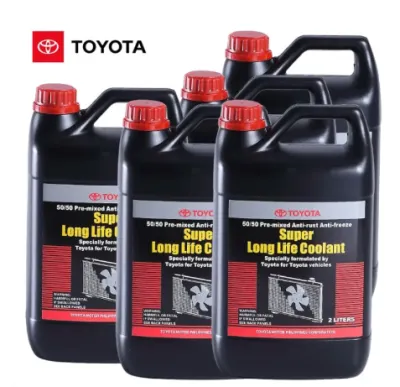
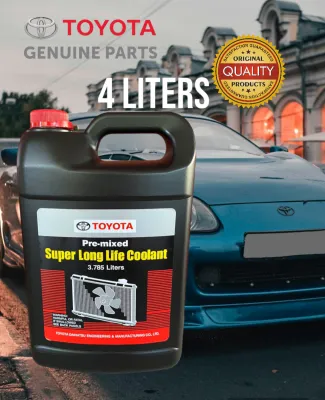
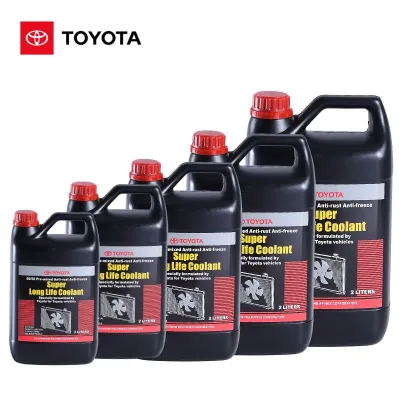
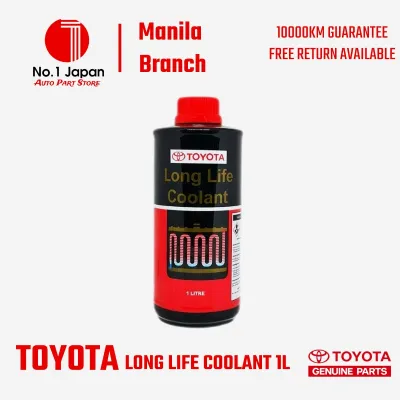
Prices are valid at publication and may change. Please refer to the product page for the latest price.
When these substandard fluids circulate through your engine, they fail to prevent cavitation and rust. Over time, this chemical instability leads to the rapid degradation of water pump impellers, radiator cores, and critical engine seals. A failing water pump or a clogged radiator can cause rapid engine overheating, potentially warping the cylinder head or blowing the head gasket.
In the tropical climate of the Philippines, where ambient temperatures are consistently high and stop-and-go traffic is common, the cooling system has very little margin for error. Substandard coolant will degrade much faster under these high-heat cycles, accelerating component wear. Because counterfeiters can easily replicate the pink or red hue using cheap industrial dyes, relying solely on fluid color is a dangerous mistake that can result in tens of thousands of pesos in engine repairs.
Physical Inspection Checklist for Packaging and Fluid
Before pouring any fluid into your vehicle, conduct a thorough physical inspection of the container. Genuine Toyota coolant is packaged in high-quality, industrial-grade plastic bottles designed to withstand shipping and storage. Examine the plastic molding carefully; genuine bottles feature clean, smooth seams, uniform plastic thickness, and a sturdy, well-defined handle. Counterfeit bottles often exhibit flimsy plastic that flexes easily under light pressure, rough or uneven molding seams, and excess plastic flashing around the edges.

Next, scrutinize the label and print details on both the front and back of the bottle. Genuine labels are printed with high-resolution equipment, resulting in sharp text, vibrant colors, and perfectly aligned graphics. Check the text for spelling errors, blurry fonts, or misaligned barcodes, which are common hallmarks of low-budget printing operations. Additionally, look for the batch code and manufacturing date, which are typically stamped directly onto the plastic or printed clearly on the lower portion of the bottle; these details should match the formatting used on verified genuine products.
If you have already purchased the fluid, observe its appearance in a clean, clear container before adding it to your radiator. Genuine Toyota pink coolant is a pre-diluted, translucent pink or light magenta liquid that is completely free of sediment. It should appear perfectly clear without any cloudiness, suspended particles, or separation of ingredients. If you notice any floating debris, oily film on the surface, or chalky residue at the bottom of the bottle, do not use the product.
Finally, pay attention to the smell and texture of the fluid while observing strict safety precautions. Genuine coolant has a mild, slightly sweet chemical odor characteristic of ethylene glycol, but it should never smell harsh, pungent, or like household detergents. The texture should feel slightly slick or oily when rubbed between gloved fingers, rather than feeling purely watery or excessively greasy. Always wear protective gloves and eyewear when handling automotive fluids, and never inhale the fumes directly or ingest the liquid.
Choosing a Safe Purchase Channel
The most effective way to guarantee the authenticity of your engine coolant is to control where you buy it. Prioritizing authorized Toyota dealerships and official parts counters in the Philippines is the safest strategy. Purchasing directly from these established businesses ensures a secure supply chain that originates directly from the manufacturer, eliminating the risk of acquiring counterfeit stock.
If you choose to purchase from online marketplaces or independent auto supply shops, you must exercise extreme caution. Start by thoroughly evaluating the seller’s profile, looking for high positive feedback ratings and a long history of operation. Read through customer reviews specifically looking for uploaded photos of the actual product received, rather than relying on the seller’s promotional images. Be highly suspicious of listings that use generic stock photos or lack detailed descriptions of the product’s origin and specifications.
Pricing is another critical indicator of authenticity. While everyone appreciates a good deal, genuine Toyota Super Long Life Coolant has a relatively consistent market value due to manufacturing and import costs. If an online listing offers the coolant at a price significantly lower than the standard retail rate in ₱, it is highly likely to be a counterfeit or diluted product. Saving a few hundred pesos on a cheap bottle of coolant is not worth risking the structural integrity of your engine.
Action Plan for Suspected Counterfeits
If a bottle of coolant fails any of your physical inspection checks, or if you have doubts about its origin, establish a strict safety boundary: never pour unverified fluid into your vehicle’s cooling system. Once a substandard fluid is introduced, it begins to contaminate the system immediately, making remediation much more difficult and expensive. Keep the bottle sealed and store it in a safe, cool place away from children and pets while you resolve the issue.
If you purchased the suspected counterfeit from an online marketplace or a retail store, document the discrepancies immediately. Take clear, high-resolution photographs of the packaging defects, blurry labels, or unusual fluid characteristics next to your purchase receipt. Contact the seller or initiate a dispute through the e-commerce platform’s customer protection program to request a return or refund, using your photographic evidence to support your claim.
In the event that you have already added the suspected counterfeit coolant to your vehicle, immediate action is required to prevent long-term engine damage. Do not continue to drive the vehicle if you notice unusual temperature spikes or sweet-smelling steam coming from the engine bay. Consult a qualified mechanic or visit an authorized service center to have the cooling system completely flushed with clean water and refilled with verified genuine coolant. Remember that cooling systems operate under high pressure and temperature; never attempt to open the radiator cap or loosen drain plugs while the engine is hot, as this can cause severe burn injuries.
Frequently Asked Questions (FAQ)
Can I mix genuine Toyota pink coolant with other brands?
Mixing genuine Toyota pink coolant with other brands or different chemical formulations is highly discouraged. Toyota Super Long Life Coolant uses a specific organic acid technology that may react negatively with the silicates, phosphates, or borates found in other aftermarket coolants. This chemical incompatibility can lead to the formation of gel or sludge inside your radiator, clogging the narrow passages and causing localized engine overheating. Always consult your vehicle owner’s manual to verify the exact coolant specification required, and stick strictly to that formulation during top-offs or fluid changes.
Does the pink color fade over time in the radiator?
Yes, it is normal for the pink color of genuine coolant to change slightly over years of operation. Continuous exposure to high engine temperatures, combined with minor contaminants from the cooling system’s metal surfaces, can cause the fluid to darken, turn slightly orange, or lose some of its original brightness. This gradual discoloration is a natural sign of fluid aging and indicates that a scheduled cooling system flush is approaching. However, if the coolant turns brown, cloudy, or loses its color rapidly within a few weeks of installation, it may indicate a counterfeit product, severe engine contamination, or a mechanical issue like a leaking head gasket.

Community discussion
Share your experience or ask a question. Comments are reviewed before publication.