
Driving in the Philippines presents unique challenges for your vehicle’s engine. With intense tropical heat, high humidity, and prolonged bumper-to-bumper traffic in major metropolitan areas, your car’s cooling system must work under extreme stress. To keep your engine operating within safe temperature limits, ensuring you purchase a toyota coolant original fluid is vital. Counterfeit automotive fluids are increasingly sophisticated, but knowing what physical and visual details to check can save you from catastrophic engine damage.
Why Using Counterfeit Engine Coolant is a Risk
The primary function of genuine engine coolant is to regulate your vehicle’s operating temperature by transferring heat away from critical engine components. Beyond heat management, high-quality coolant contains specialized additives that inhibit corrosion within the radiator, prevent scale buildup, and lubricate the water pump seals. Without these protective properties, the cooling system quickly degrades, leaving the engine vulnerable to severe thermal stress.
Counterfeit fluids are typically composed of cheap, colored water or low-grade industrial chemicals that lack proper thermal properties and corrosion inhibitors. Using these fake products can lead to rapid engine overheating, water pump failure, and severe internal radiator corrosion. Over time, the chemical imbalance can degrade gaskets, leading to a blown head gasket or cracked engine block.
Products mentioned in this guide
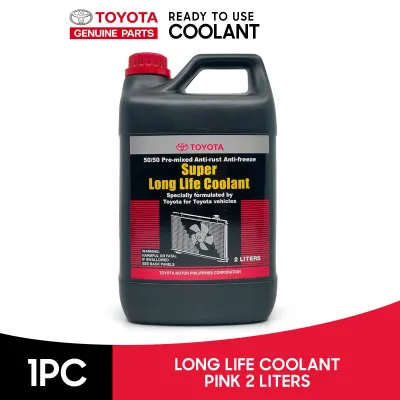
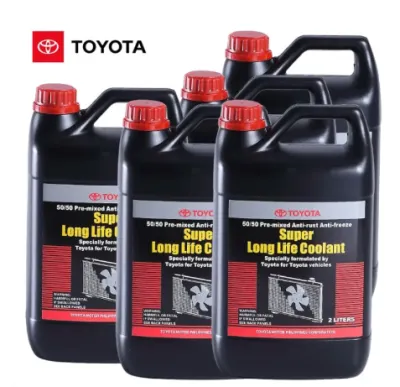
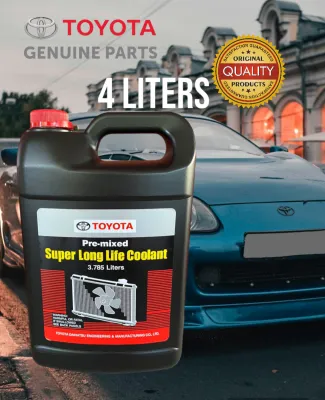
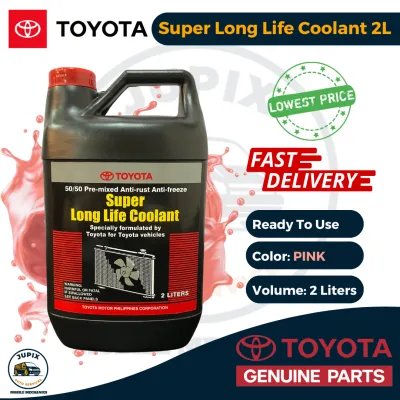
![[2L] Toyota Coolant [Long Life Coolant] - Toyota Auto Parts](https://img.lazcdn.com/g/p/216b204768bc148ee46eb3efd26270f6.jpg_400x400q80.jpg_.webp)
![[2L] Toyota Coolant [Long Life Coolant] - Toyota Auto Parts](https://img.lazcdn.com/g/p/1fbc8d57487932e2c8224981d80df5dc.jpg_400x400q80.jpg_.webp)
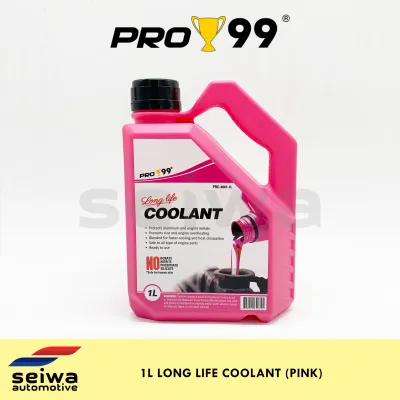
Prices are valid at publication and may change. Please refer to the product page for the latest price.
The financial consequences of using counterfeit coolant far outweigh the minor savings of buying a cheap, unverified bottle. In the Philippines, repairing a damaged cooling system or performing a complete engine overhaul can easily cost tens of thousands of pesos in parts and labor. Investing in genuine fluid is a simple, cost-effective way to preserve your vehicle’s reliability and avoid unexpected, expensive workshop visits.
Key Differences Between Original and Fake Toyota Coolant
Identifying counterfeit coolant requires a careful, systematic inspection of the product’s packaging and the fluid itself. By comparing specific manufacturing details against known standards, you can confidently verify the product’s authenticity before pouring it into your vehicle.

Packaging and Label Inspection
The exterior packaging is often the first line of defense against counterfeit products. Genuine Toyota coolant bottles are manufactured using high-precision blow-molding machines, resulting in clean, smooth seams along the sides and bottom of the container. In contrast, fake bottles are frequently made from low-grade, flimsy plastic and exhibit rough, sharp, or uneven molding seams.
Examine the printed labels with close attention to detail. Genuine labels feature crisp, high-definition typography, perfect alignment, and accurate Toyota branding. Counterfeit labels often suffer from blurred text, pixelated graphics, slight color variations, or even minor spelling mistakes. Always compare the label layout and warning text with official product images on the Toyota Motor Philippines website or an empty, previously verified bottle from an authorized service center.
Locate the manufacturing dates, batch numbers, and expiry codes printed on the bottle. On genuine Toyota packaging, these details are laser-printed or cleanly embossed directly onto the plastic, making them highly resistant to smudging or scratching. If you can easily rub the printed code off with your finger or a damp cloth, the product is highly likely a counterfeit.
Before making any purchase, always refer to your vehicle’s owner’s manual to verify the exact coolant specification required for your specific model and year. Using the incorrect fluid type—even if genuine—can still lead to compatibility issues and system damage.
Fluid Characteristics and Physical Checks
If the packaging passes your initial visual inspection, you can proceed to examine the physical characteristics of the fluid itself. Pour a small amount of the coolant into a clean, clear glass or plastic container to observe its clarity. Genuine Toyota coolant is completely translucent and free of any floating particles, cloudiness, or sediment settled at the bottom of the bottle.
While Toyota produces different formulations, such as the red Long Life Coolant (LLC) and the pink Super Long Life Coolant (SLLC), color alone is not a reliable indicator of authenticity. Counterfeiters can easily dye tap water or cheap chemical mixtures to match these exact shades. Therefore, a bright pink or deep red hue should never be used as the sole proof of a genuine product.
Be extremely cautious when handling automotive fluids, and never taste or deeply inhale the vapors, as ethylene glycol is highly toxic. Genuine coolant has a very mild, distinct chemical odor. If the fluid smells strongly of harsh industrial solvents, rubbing alcohol, or has no scent at all like plain water, do not use it in your vehicle.
Always prioritize safety when performing physical checks on automotive fluids. Wear protective gloves, work in a well-ventilated area, and wash your hands thoroughly with soap and water immediately after handling the product. If the instructions printed on the bottle conflict with your vehicle’s manufacturer guidelines, stop immediately and consult a certified professional mechanic.
How to Verify a Toyota Coolant Original Bottle
Counterfeiters have become highly skilled at replicating external packaging, making it necessary to look for advanced security indicators and signs of tampering. Many genuine Toyota parts distributed in the Philippines feature specific holographic security stickers or regional tamper-evident seals. Under direct light, these holographic markers should display clean, sharp color shifts and clear branding elements without any peeling or misalignment.
Another critical step is verifying the batch codes printed on the back or bottom of the bottle. If you are uncertain about the authenticity of a specific batch, you can contact an authorized Toyota dealership or the customer service department of Toyota Motor Philippines to verify if the code matches their official distribution records.
Some sophisticated counterfeiters collect empty, genuine bottles from independent repair shops, refill them with cheap, colored fluids, and sell them as new. To protect your engine from this practice, closely inspect the plastic safety ring on the bottle cap. If the ring is loose, separated, or shows signs of adhesive residue, the bottle has been tampered with or refilled.
Unscrew the cap to inspect the inner foil seal. Genuine Toyota coolant bottles feature a perfectly flat, wrinkle-free foil seal that is hermetically bonded to the plastic rim by automated factory machinery. If the foil seal is loose, unevenly glued, punctured, or missing entirely, reject the product immediately and do not use it.
Trusted Channels to Buy Original Toyota Coolant
The most effective way to eliminate the risk of purchasing counterfeit automotive fluids is to buy exclusively from trusted, authorized sources. Purchasing directly from the parts counter of an authorized Toyota dealership or an official Toyota service center in the Philippines guarantees a secure, verified supply chain.
If you prefer to purchase coolant online, limit your shopping to official flagship stores on major e-commerce platforms. Always look for verified seller badges, such as the “Mall” or “Official Store” designations. Take time to read customer reviews, paying close attention to photos uploaded by other buyers that show the batch codes, packaging seams, and foil seals of the delivered product.
Avoid purchasing automotive fluids from unverified street vendors, unauthorized roadside auto supply shops, or unregulated social media marketplace listings. These channels often source their inventory from liquidators or unverified distributors, significantly increasing the likelihood of receiving counterfeit goods.
Keep market pricing in mind when evaluating deals. Genuine Toyota coolant has a consistent market price range (typically ₱350 to ₱700 per liter, with larger multi-liter containers costing proportionally more). If a seller offers a price that seems too good to be true, such as a large gallon container sold at the price of a single liter, it is a strong indicator of a counterfeit product.
What to Do If You Suspect a Counterfeit Product
If you suspect that you have purchased counterfeit coolant, stop using the product immediately. Never pour suspected fake fluid into your vehicle’s radiator or expansion tank. If you have already added the fluid to your cooling system, do not start the engine, as circulating the fluid will spread contaminants throughout the block; instead, have the vehicle towed to a professional service center to have the system completely flushed.
Store the suspected counterfeit fluid safely in its original container, keeping the cap tightly sealed and the bottle upright to prevent leaks. Keep the container in a secure location completely out of reach of children and pets. Do not dispose of the fluid by pouring it down household drains, into storm sewers, or onto the ground; instead, take it to a local hazardous waste collection center or an authorized auto repair shop for proper environmental disposal.
Document the product by taking clear photographs of the bottle, the packaging defects, the fluid clarity, and your purchase receipt. Contact the seller to request a refund, and file a formal report with the e-commerce platform’s customer support or the Department of Trade and Industry (DTI) to help protect other motorists from fraudulent sellers.
Frequently Asked Questions (FAQ)
Can I mix original Toyota coolant with other brands?
No, you should avoid mixing original Toyota coolant with other brands or different chemical formulations, such as mixing Organic Acid Technology (OAT) with Hybrid Organic Acid Technology (HOAT). Mixing incompatible fluids can trigger an adverse chemical reaction that forms a thick, gel-like sludge. This sludge can clog your radiator tubes, restrict fluid flow, damage the water pump, and lead to severe engine overheating. Always perform a complete system flush with distilled water before switching coolant brands or types.
Does the color of the coolant guarantee it is original?
No, the color of the coolant does not guarantee its authenticity. The pink or red color of Toyota coolant is simply a dye added by the manufacturer to identify the chemical formulation and make leaks easier to spot. Counterfeiters can easily replicate these colors using cheap dyes and tap water. To ensure authenticity, you must rely on a combination of packaging quality, laser-printed batch codes, intact inner foil seals, and purchases from trusted, authorized channels.
How often should I flush and replace my Toyota coolant?
You should always consult your specific vehicle’s owner’s manual for the exact coolant replacement intervals recommended by the manufacturer. While factory-fill Super Long Life Coolant (SLLC) is formulated to last for extended periods, driving conditions in the Philippines—such as high ambient temperatures, heavy traffic, and high humidity—can accelerate wear on your cooling system. Have your coolant inspected regularly by a certified professional mechanic to determine if an early flush and replacement are necessary.

Community discussion
Share your experience or ask a question. Comments are reviewed before publication.