
Identifying a genuine Brembo caliper brake set requires a systematic approach combining physical inspection, official digital verification, and careful sourcing. Because brakes are the most critical safety system on your motorcycle or scooter, installing counterfeit components poses an immediate threat to your safety. Before attempting any brake system modifications, disassembly, or installation, always consult your vehicle’s original manufacturer instructions and ensure all work is performed by a qualified professional mechanic. To verify authenticity, you must look beyond surface aesthetics and utilize the manufacturer’s official security features, as modern counterfeiters have become highly adept at replicating the outward appearance of premium braking components.
The Safety Risks of Counterfeit Brake Systems
Counterfeit brake calipers are typically manufactured using inferior alloys and substandard casting methods that fail to meet strict safety standards. Under the intense heat and pressure of braking, these low-grade materials are highly susceptible to material fatigue, structural deformation, or sudden cracking. In tropical climates like the Philippines, where high humidity and heavy downpours are common, substandard metal finishes can corrode rapidly, leading to seized pistons or catastrophic caliper failure.
Another critical failure point is uneven piston movement and poor seal quality. Genuine calipers rely on precision-engineered seals to contain pressurized brake fluid and ensure smooth, balanced piston retraction. Fake seals often degrade quickly when exposed to standard brake fluid, resulting in fluid leaks, a spongy brake lever, or a complete loss of hydraulic pressure. This uneven piston pressure causes rapid, irregular brake pad wear and compromises your stopping power.
Products mentioned in this guide
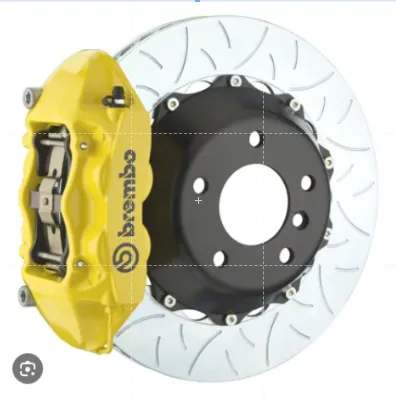
Prices are valid at publication and may change. Please refer to the product page for the latest price.
When navigating steep mountain descents or sudden stops in congested urban traffic, compromised braking performance can have devastating consequences. Counterfeit calipers dramatically increase stopping distances under heavy loads, making it impossible to predict how your vehicle will react in an emergency. A visual similarity to genuine parts does not guarantee structural integrity, pressure resistance, or safety compliance, making thorough verification an absolute necessity before installation.
Visual and Physical Inspection Checklist
Conducting a physical examination of a caliper set requires a clean, well-lit workspace and a methodical approach. Before you begin, gather high-resolution reference images from the official manufacturer website and keep your vehicle’s specific mounting dimensions on hand. Remember that no single visual marker is completely foolproof on its own, so you must cross-reference multiple physical details to build a reliable assessment.

To ensure safety, verify your vehicle’s model year, mounting position, and interface dimensions against the product documentation. A caliper that does not align perfectly with your motorcycle’s original mounting points should never be forced or modified to fit. Use this physical checklist as your first line of defense to spot obvious manufacturing defects before moving on to digital verification.
Packaging and Documentation
Genuine premium brake components are shipped in high-quality, robust packaging designed to protect heavy metal parts during transit. Examine the exterior box closely for crisp, high-resolution printing, accurate spelling, and clear, scannable barcodes. Counterfeit packaging often features blurry logos, pixelated text, or subtle spelling errors that reveal a lack of quality control.
Inside the box, look for official installation manuals, warranty cards, and technical documentation. Genuine documentation is printed on high-quality paper with sharp, legible text matching the official branding. If manuals are missing, poorly translated, or printed on cheap, flimsy paper, the product is highly suspect.
Additionally, inspect the condition of included hardware like mounting bolts, brackets, and washers. Genuine hardware is manufactured to precise tolerances with durable, corrosion-resistant coatings. Counterfeit sets often include generic, unmarked hardware that feels unusually light or shows signs of poor thread machining.
Caliper Body and Hardware Details
The physical caliper body itself provides critical clues regarding its manufacturing origin. Inspect the machining tolerances around the piston bores, mounting points, and brake pad slots. Genuine calipers feature incredibly precise, clean CNC machining marks or smooth, consistent cast surfaces with no sharp, unfinished edges or metal burrs.
Pay close attention to the consistency of the anodized or painted finish across the entire caliper body. Genuine finishes are highly durable, uniform in color, and designed to withstand extreme temperatures and corrosive brake fluids. Counterfeit calipers often exhibit uneven paint textures, runs, overspray, or bleeding logos where the brand name is painted poorly.
Finally, examine the quality of the bleed nipples, dust boots, and visible internal seals. Genuine dust boots are made of high-grade, flexible rubber that fits snugly around the pistons to prevent dirt and moisture entry. If the rubber feels stiff, brittle, or loose, or if the bleed nipple threads feel rough, the caliper is likely a counterfeit.
Official Authentication and Verification Methods
To combat the spread of counterfeit parts, manufacturers have implemented advanced digital verification systems that offer the most reliable proof of authenticity. Many genuine caliper sets include a unique security card containing a scratch-off area that reveals a multi-digit serial number or a secure QR code. You can scan this code or enter the serial number directly into the manufacturer’s official verification website or dedicated mobile application.
When using these digital tools, pay close attention to the system’s response. A genuine code will register successfully and confirm that it is being scanned for the first time, displaying the exact model and specification of your caliper. If the website indicates that the code has already been scanned multiple times, or if the serial number does not exist in the database, the product is counterfeit.
Because physical markers can sometimes be convincingly replicated, digital verification is an indispensable step for high-risk safety components. If digital tools are inconclusive, contact the official manufacturer or an authorized distributor in the Philippines directly. Provide them with clear, high-resolution photographs of the caliper, packaging, and serial numbers to obtain a definitive confirmation.
Choosing Safe Purchasing Channels
The most effective way to avoid counterfeit brake components is to buy exclusively from authorized dealers, official brand stores, and reputable specialty motorcycle shops. Authorized distributors maintain a direct supply chain from the manufacturer, ensuring that every component is genuine and covered by an official warranty. Before making a purchase, ask the seller to provide proof of their authorized dealer status or verify their shop name on the manufacturer’s official dealer locator.
Be extremely cautious when evaluating third-party sellers on online marketplaces and ecommerce platforms. If you encounter a caliper set priced in ₱ that is significantly below the average market price, treat it as an immediate red flag. Premium braking systems require high-grade materials and precision engineering, meaning genuine sets are never sold at unrealistically low prices.
Always request proof of purchase, original receipts, and verifiable supply chain documentation from the seller before committing to a purchase. Reputable sellers will gladly provide clear documentation and answer your technical questions regarding vehicle compatibility. If a seller is evasive or refuses to provide receipts, walk away from the transaction.
Steps to Take If You Suspect a Counterfeit
If you suspect that your newly purchased caliper set is a counterfeit, halt the installation process immediately. Never attempt to mount or use an unverified brake component on your vehicle, as doing so puts your safety and the safety of others on the road at extreme risk. Keep the product in its original packaging and preserve all documentation, receipts, and communication with the seller.
Document the product thoroughly by taking clear, well-lit photographs of the suspected areas, including the packaging, hardware, and serial numbers. Contact the seller immediately to report your findings and request a full refund, citing the specific physical or digital discrepancies you discovered. If the seller was an online marketplace merchant, report the listing to the platform’s customer support to protect other riders.
Before making any final decisions, consult a qualified mechanic or an authorized service center for a professional assessment. A certified technician can inspect the caliper’s physical structure and mounting points to provide an expert opinion. If they confirm the product is counterfeit, replace the entire set with a fully verified, genuine braking system.
Frequently Asked Questions (FAQ)
Can I rely solely on the price to identify a fake Brembo caliper brake set?
No, you cannot rely solely on the price to determine authenticity. While an extremely low price in ₱ is a clear warning sign of a counterfeit safety component, some sophisticated counterfeiters price their fake products close to the genuine retail price to avoid suspicion and appear legitimate. Therefore, you must always combine price evaluation with a thorough physical inspection, packaging checks, and official digital verification to ensure the product is genuine.
Are refurbished or second-hand Brembo calipers safe to use?
Using refurbished or second-hand calipers carries significant safety risks because it is extremely difficult to verify their internal condition, maintenance history, and original authenticity. Used calipers may suffer from worn internal seals, corroded piston bores, or structural fatigue from previous accidents that are invisible to the naked eye. For critical safety components like brakes, it is highly recommended to prioritize brand-new, fully verifiable sets purchased from authorized dealers, unless the used caliper is thoroughly inspected and rebuilt by a certified professional mechanic using genuine replacement parts.

Community discussion
Share your experience or ask a question. Comments are reviewed before publication.