
Verifying the authenticity of a Spider half-face helmet requires a systematic inspection of its safety certifications, physical build quality, and digital security markers. Genuine Spider helmets feature a high-density, odorless expanded polystyrene (EPS) liner, smooth visor mechanisms, and official safety stickers like the Import Commodity Clearance (ICC) decal in the Philippines. Counterfeits, by contrast, often compromise on these critical materials, presenting a severe safety hazard on the road.
As motorcycle commuting becomes increasingly essential for navigating daily traffic, the market has seen a rise in replica riding gear. Identifying a genuine helmet is not just about protecting your financial investment; it is a vital step in ensuring your personal safety during a collision. This guide outlines the exact physical checks, certification verifications, and purchasing practices needed to confirm your helmet is original.
Why Authenticity Matters for Motorcycle Helmets
A motorcycle helmet is the single most important piece of protective gear a rider can wear. Its primary function is impact absorption, a task that relies on highly engineered materials designed to manage and dissipate kinetic energy during a crash. Genuine helmets undergo rigorous laboratory testing to ensure the outer shell and inner lining work in tandem to shield the skull and brain from traumatic injury.
Products mentioned in this guide
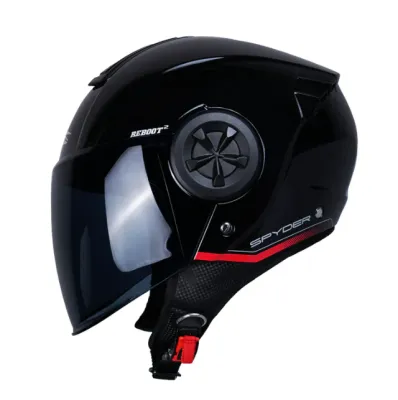
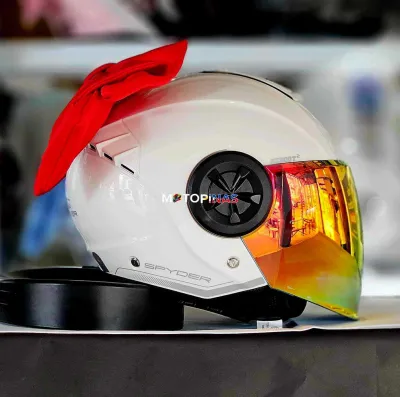
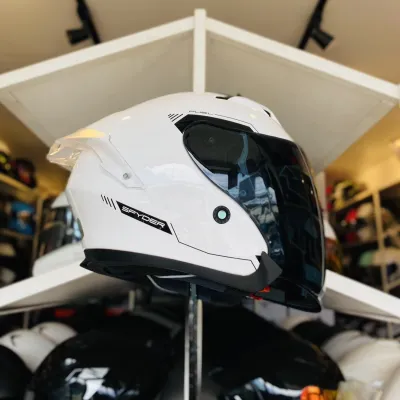
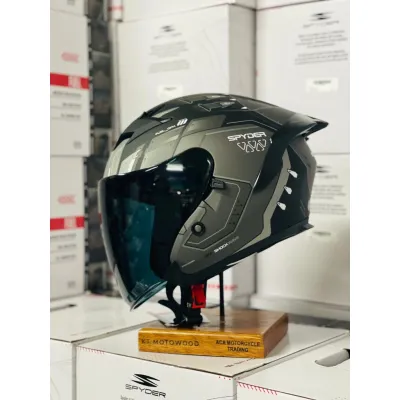
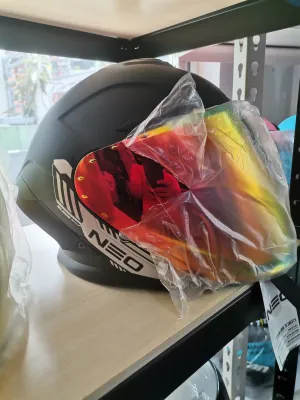
Prices are valid at publication and may change. Please refer to the product page for the latest price.
Counterfeit helmets completely lack these engineered safety systems. To keep production costs low, replica manufacturers use cheap, brittle plastics for the outer shell and low-grade packaging foam instead of impact-rated protective liners. In a collision, these substandard materials can crack, shatter, or compress instantly, transferring the full force of the impact directly to your head.
In the Philippines, riding gear must comply with strict national safety regulations. Genuine helmets imported into the market must bear the official Import Commodity Clearance (ICC) sticker or the Philippine Standard (PS) mark, alongside international certifications such as DOT (Department of Transportation) or ECE (Economic Commission for Europe). Counterfeit products bypass these quality control checks entirely, leaving riders legally vulnerable at roadside checkpoints and physically unprotected on the road.
Using a fake helmet is a gamble with your life. While a replica might look identical to an original on the surface, its failure under pressure is virtually guaranteed. Verifying authenticity before you ride is the only way to ensure your helmet will actually perform its life-saving duty when you need it most.
Key Physical Markers of an Original Spider Helmet
Distinguishing a genuine Spider half-face helmet from a counterfeit requires a close, tactile inspection. Genuine manufacturers maintain high quality-control standards, resulting in a clean finish and robust construction that replica producers cannot afford to replicate.

Build Quality, Materials, and Finish
The outer shell of an original Spider helmet is constructed from high-grade polycarbonate or an advanced ABS blend, providing a solid, rigid structure. When you run your hands over the shell, the paint finish should feel completely smooth and uniform. Look closely for any signs of paint runs, uneven clear coats, or bubbling decals under the surface, as these imperfections are classic indicators of a rushed, low-budget manufacturing process.
Inside the helmet, the expanded polystyrene (EPS) liner serves as the primary shock absorber. In a genuine Spider helmet, this liner is made of high-density, dark or painted EPS that is firmly seated against the outer shell. Press firmly on the foam; it should feel dense and rigid, not soft or crumbly like cheap packaging styrofoam. Additionally, the comfort padding should consist of thick, hypoallergenic, and moisture-wicking fabric with clean, durable stitching. This padding is typically removable and washable, featuring secure snap buttons rather than messy glue.
The visor mechanism is another critical point of evaluation. Genuine Spider half-face helmets feature a smooth, stepped visor movement that locks securely into multiple positions. The visor material itself is scratch-resistant and optically correct, meaning it will not distort your vision or cause eye strain during long rides. If the visor feels flimsy, wobbles when opened, or distorts light and shapes, you are likely holding a counterfeit.
Weight distribution also offers a telling clue. A genuine Spider half-face helmet has a balanced, substantial feel, typically weighing between 1.1 to 1.4 kilograms depending on the exact model and size. Counterfeits often feel suspiciously light because they use thinner plastic shells and sparse internal padding, or they may feel awkwardly unbalanced because the materials are distributed unevenly.
Labels, Certifications, and Serial Numbers
Every original Spider helmet comes equipped with specific, durable labels that detail its manufacturing specifications. Look inside the helmet, typically under the comfort padding, to locate the product label. This label should clearly state the helmet size, model name, manufacturing date, and material composition in clean, perfectly aligned print.
Safety certification stickers are your primary line of defense against fakes. On the rear or lower side of a genuine helmet, you should find the official ICC or PS sticker, often accompanied by a DOT or ECE mark. For the Philippine market, genuine ICC stickers feature high-resolution holographic elements that shift color when tilted under light, along with a unique, traceable serial number. If the sticker is a flat, non-reflective paper print or has blurry text, it is a counterfeit.
The helmet’s unique serial number or batch code is typically printed on a small tag stitched onto the chin strap or printed on a label beneath the comfort liner. This code is cleanly applied, easily readable, and matches the serial number printed on the product’s original packaging box. Any smudging, misalignment, or complete absence of this batch code is a major warning sign.
Common Red Flags in Counterfeit Helmets
Counterfeiters focus on visual mimicry rather than structural integrity, which inevitably leaves behind several physical giveaways. Recognizing these common red flags can help you quickly reject a fake helmet before making a purchase.
- Rough Edges and Misaligned Decals: Inspect the borders of the helmet shell, especially around the visor port and the bottom rim. Genuine helmets feature a smooth rubber trim that is cleanly glued and aligned. Fakes often show exposed, sharp plastic edges, visible glue residue, and crookedly applied brand decals.
- Strong Chemical Odors: When you unbox a new helmet, take a moment to smell the interior. A genuine Spider helmet uses high-grade, non-toxic adhesives and hypoallergenic fabrics that have a neutral or very mild scent. Counterfeits frequently emit a sharp, toxic chemical or plastic odor, which is caused by cheap, unregulated industrial glues and low-grade synthetic dyes. This smell is often exacerbated by tropical heat and humidity.
- Flimsy Chin Straps and Buckles: The retention system is what keeps the helmet on your head during an accident. Original Spider helmets utilize heavy-duty nylon webbing for the chin straps and a robust, metal-reinforced quick-release buckle or double D-ring system. If the strap feels thin, rough, or easily twists, or if the buckle is made of thin, flexible plastic that slips under tension, do not trust the helmet.
- Substandard Packaging: Authentic Spider helmets are packaged inside a thick, sturdy cardboard box featuring high-quality color printing, the official brand logo, and detailed barcode labels. Inside, the helmet is protected by a soft, branded fabric drawstring bag and includes an official user manual. Counterfeits are often shipped in thin, generic brown boxes, wrapped only in bubble wrap or cheap plastic bags, with no manual or documentation.
Remember that counterfeiters are constantly updating their methods. While a high-quality replica might successfully avoid one of these red flags, it will almost certainly exhibit a combination of others due to the cost constraints of illegal manufacturing.
How to Verify Authenticity Before and After Purchase
Confirming the legitimacy of your helmet involves checking both physical security features and digital verification channels. Taking these steps provides peace of mind before you head out onto the road.
Many modern helmet brands incorporate anti-counterfeit technology directly into their packaging and products. Look for a holographic security seal or a scratch-off panel on the box or the helmet’s user manual. Scratching this panel reveals a unique verification code or a QR code designed for one-time authentication.
When you scan the QR code with your smartphone, pay close attention to the URL of the landing page. A genuine verification scan must direct you to the official, secure domain of the manufacturer. If the scan redirects to a generic search engine, a suspicious third-party verification portal, or a page filled with broken links and grammatical errors, the product is counterfeit.
If you remain uncertain about the helmet’s origin, locate the serial number or batch code on the chin strap tag and contact the official customer support channel or the authorized local distributor. Provide them with the code and photos of the helmet’s physical markings. Authorized distributors maintain databases of valid production batches and can quickly confirm if your serial number corresponds to a real production run.
Additionally, make it a habit to check the brand’s official social media accounts or website. Manufacturers regularly post updates, warning advisories, and visual comparisons detailing the specific characteristics of the latest counterfeit batches discovered in the local market.
Choosing a Reliable Seller and Handling Suspected Fakes
The absolute best way to avoid a counterfeit helmet is to control where you shop. Buying from unverified sources greatly increases your risk of receiving a dangerous replica.
To guarantee authenticity, purchase your riding gear exclusively from official brand stores, authorized physical dealerships, or verified flagship stores on reputable e-commerce platforms. These sellers source their inventory directly from the manufacturer, ensuring that every product meets strict quality and safety standards.
Be highly skeptical of deals that seem too good to be true. A genuine Spider half-face helmet typically retails within a well-defined price range, reflecting the cost of quality materials, testing, and distribution. If an online listing offers the helmet at a massive discount—such as half the standard retail price—from an unauthorized seller, it is almost certainly a counterfeit. Saving a few hundred pesos is never worth sacrificing your head protection.
If you suspect you have purchased or received a fake helmet, take immediate action to protect yourself and others:
- Do Not Use the Helmet: Under no circumstances should you wear a suspected counterfeit helmet on the road, as it cannot be trusted to protect you in an accident.
- Document the Evidence: Take clear, high-resolution photographs of the red flags, including messy stitching, misaligned decals, suspicious stickers, and the packaging.
- File a Dispute: Immediately initiate a return or refund dispute through the e-commerce platform's buyer protection program, submitting your photos as evidence of a counterfeit product.
- Report the Seller: Report the specific store listing to the platform's customer support to help take down the counterfeit listing. Avoid making unverified public accusations on social media until the platform or brand has officially reviewed your claim.
Frequently Asked Questions (FAQ)
Can I rely solely on the helmet's price to spot a fake?
No, you cannot rely entirely on price alone to identify a counterfeit. While a price far below the standard retail value is a guaranteed red flag, some sophisticated counterfeiters price their replica helmets only slightly below the original retail rate to make them appear authentic. To protect yourself, always combine price checks with a thorough physical inspection, serial number verification, and an evaluation of the seller’s authorized status.
What should I do if the certification sticker looks peeled or damaged?
A peeled, scratched, or missing certification sticker makes it impossible to verify if the helmet complies with mandatory safety standards. If you receive a new helmet with a compromised ICC or PS sticker, you should immediately contact the seller to request a replacement or return. Genuine manufacturers use highly durable, industrial-grade adhesives to ensure these critical safety labels remain firmly attached and legible throughout the helmet’s lifespan.

Community discussion
Share your experience or ask a question. Comments are reviewed before publication.