
Quick Answer: Verifying Your Spider Helmet
To verify if a Spider helmet is original, you must check for a genuine Import Commodity Clearance (ICC) sticker with a unique serial number, inspect the holographic security tags, and evaluate the overall build quality. Genuine helmets feature flawless paint finishes, high-density removable padding, and robust visor mechanisms. Always purchase from authorized physical dealers or official flagship stores on reputable e-commerce platforms to guarantee authenticity and secure your warranty coverage.
Why Authenticity Matters for Riding Safety
When riding on busy roads, your helmet is the single most critical piece of safety gear protecting you from catastrophic head injuries. Counterfeit helmets are often manufactured using cheap, brittle plastics that shatter upon impact rather than absorbing and distributing the force of a crash.

A genuine Spider helmet utilizes a high-quality outer shell paired with an impact-absorbing Expanded Polystyrene (EPS) liner. This specialized foam is engineered to compress under extreme pressure, cushioning your head and reducing the risk of severe trauma. In contrast, fake helmets frequently use substandard, low-density packing foam that offers virtually zero protection during an accident.
Products mentioned in this guide
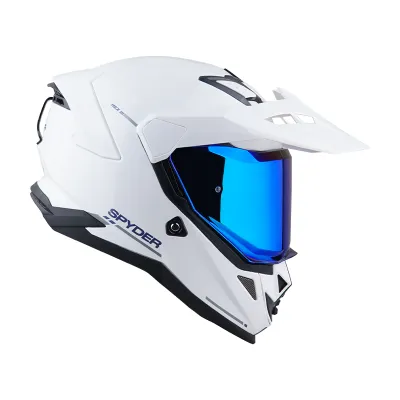
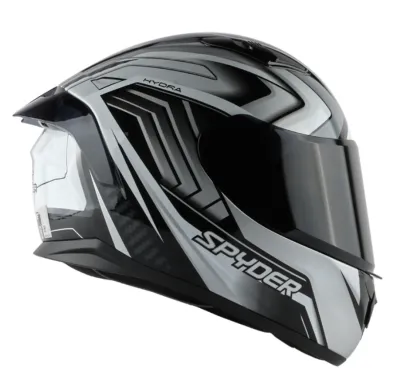
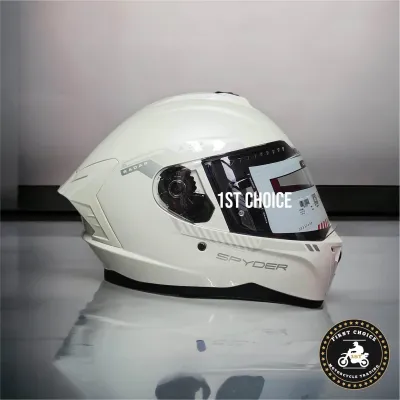
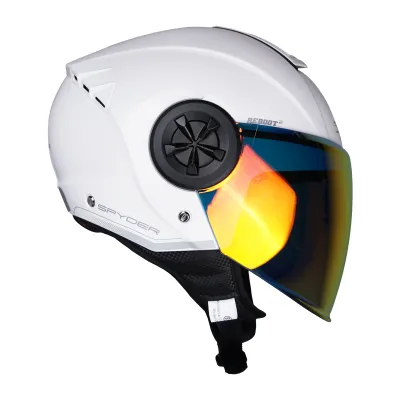
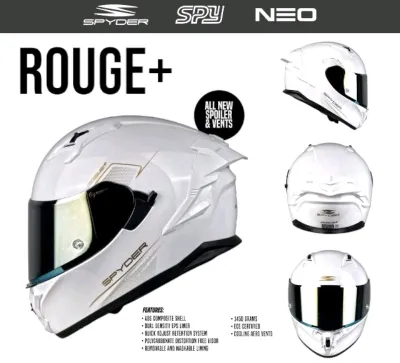
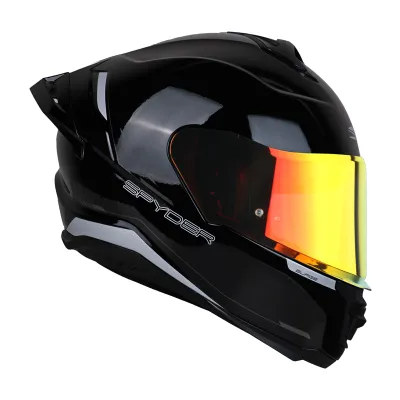
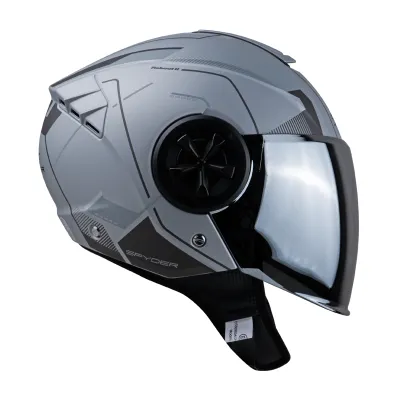
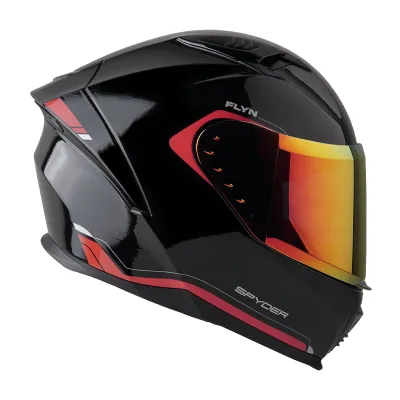
Prices are valid at publication and may change. Please refer to the product page for the latest price.
Furthermore, counterfeit gear bypasses mandatory local safety testing and regulatory standards. Riding with an uncertified helmet means you are taking onto the road an untested shell that could fail under the slightest pressure, leaving you completely vulnerable in a collision.
The Physical Authentication Checklist
Conducting a thorough, hands-on inspection of a helmet before handing over your hard-earned money is the most reliable way to spot a counterfeit. By systematically evaluating the physical security features and craftsmanship, you can easily distinguish a genuine product from a cheap imitation.
Whenever possible, compare the physical helmet in front of you against official brand references, such as high-resolution images and specifications from the manufacturer’s official website.
Inspecting the ICC Sticker and Security Tags
The Import Commodity Clearance (ICC) sticker is a mandatory regulatory marker for imported helmets in the Philippines. On a genuine Spider helmet, this sticker is firmly adhered to the rear of the outer shell, featuring crisp, clear printing, a unique serial number, and a metallic, tamper-evident finish.
Inspect the sticker closely for signs of peeling, uneven borders, or poor print quality. Counterfeiters often use cheap, photocopied stickers or attempt to transfer genuine stickers from damaged helmets, which leaves visible adhesive residue or tears along the edges.
In addition to the ICC sticker, look for the brand’s official holographic security tags. These holograms should display a distinct color shift and clear brand logos when tilted under direct light; refer to the manufacturer’s current official guidelines to verify the exact placement and design of these security markers.
Evaluating Build Quality and Materials
A genuine helmet is built to withstand harsh tropical conditions, high humidity, and daily wear. Start your physical check by examining the outer shell, which should have a uniform finish, smooth paint application, and precise, bubble-free decals that do not peel at the edges.
Next, inspect the interior comfort liner and cheek pads. Genuine Spider helmets feature high-density, moisture-wicking padding designed to handle sweat in hot climates; these liners are removable, washable, and finished with clean, durable stitching and official brand embroidery or tags.
Finally, assess the overall weight and balance of the helmet. While different models vary in weight, an original helmet feels solid and balanced; an unusually light helmet is a major warning sign that the manufacturer omitted the crucial, heavy-density EPS safety liner to save on production costs.
Checking the Visor and Shield Mechanisms
The visor on an original helmet is designed for optical clarity and rider safety, featuring scratch-resistant coatings and proper UV protection markings to shield your eyes from the intense tropical sun. Inspect the visor material to ensure there is no distortion or waviness when looking through it.
Test the visor ratchet system by opening and closing the shield multiple times. The mechanism should operate smoothly, locking securely into various positions without slipping, wobbling, or making grinding noises.
Additionally, examine the quick-release visor mechanism. On a genuine helmet, this hardware allows you to swap or clean the visor easily without requiring excessive force, and the mounting plates should fit flush against the helmet shell without any loose gaps.
Packaging and Documentation Checks
The unboxing experience is another highly reliable indicator of a helmet’s authenticity. Genuine manufacturers invest in high-quality packaging to protect their products during transit, whereas counterfeiters often cut corners on the box and documentation.
Start by inspecting the exterior helmet box, which should be constructed from sturdy, thick cardboard featuring high-resolution printing, correct brand logos, and accurate model specifications. Be wary of boxes with blurry graphics, misspelled words, or structural flimsiness that collapses under light pressure.
Inside the box, you should find a comprehensive user manual, a warranty card, and proper care instructions printed on high-quality paper. Genuine packages also include a branded, soft fabric helmet bag designed to protect the finish from scratches.
Crucially, cross-reference the serial numbers, batch codes, and size labels found on the helmet’s interior tags with those printed on the exterior box and the official warranty documentation. Any mismatch in these numbers is a clear indication of a counterfeit or a tampered product.
Where to Buy Genuine Spider Helmets
To completely eliminate the risk of purchasing a counterfeit helmet, you must be selective about your purchasing channels. The safest option is to buy directly from official brand physical stores or authorized dealers listed on the manufacturer’s official website.
If you prefer shopping online, only purchase from verified flagship stores or official malls on reputable e-commerce platforms. These sellers are vetted by the platforms and are authorized to distribute genuine products backed by official warranties.
Be highly suspicious of unusually low prices on online marketplaces. If a listing undercuts the standard retail price by a significant margin—such as offering a helmet for a fraction of its usual ₱3,000 to ₱5,000 retail value—it is almost certainly a counterfeit product made with substandard materials.
Before finalizing an online purchase, do not hesitate to ask the seller for proof of authorization or clear, unedited photos of the specific helmet’s ICC sticker, interior tags, and packaging. Legitimate sellers will gladly provide these details to secure your trust.
What to Do If You Suspect a Counterfeit
If you have already purchased a helmet and suspect it is a counterfeit, stop using it immediately. Your personal safety on the road is paramount, and riding with a substandard helmet exposes you to severe, life-threatening risks in the event of an accident.
Next, take active steps to report the fraudulent product. If you bought the item online, open a dispute on the e-commerce platform, upload clear photos of the counterfeit markers, and request a full refund under the platform’s buyer protection policy.
You should also notify local consumer protection agencies or the Department of Trade and Industry (DTI) to report the seller for distributing uncertified and dangerous safety gear. Reporting these listings helps protect fellow riders from purchasing hazardous equipment.
Finally, contact the brand’s official customer service channel. Provide them with detailed photos of the helmet, the serial numbers, and the seller’s information; their team can assist in verifying the product and may provide documentation to support your refund claim.
Frequently Asked Questions (FAQ)
Can I verify a Spider helmet's authenticity using a serial number?
Yes, you can often verify authenticity by checking the unique serial number printed on the ICC sticker or the helmet’s interior tags. You can cross-reference this number by contacting the brand’s official customer support or using any official online verification portals provided on their website to confirm that the serial number matches a registered, genuine production batch.
Do all genuine Spider helmets have the exact same weight?
No, the weight of genuine helmets varies depending on the specific model, shell size, and integrated features. For example, a full-face helmet with a built-in dual-visor system or cutouts for communication systems will naturally weigh more than a simple open-face model. While minor weight variations are normal across different sizes and designs, an extremely light helmet remains a major red flag for a missing or substandard EPS safety liner.

Community discussion
Share your experience or ask a question. Comments are reviewed before publication.