
Identifying a genuine ignition component is critical for maintaining your vehicle’s performance and longevity. To tell if an iridium spark plug is genuine, you must examine the ultra-fine, laser-welded center electrode tip, check for smooth rolled threads, inspect the packaging for high-resolution printing, and cross-reference the batch codes with the manufacturer’s official verification portal. Ensuring you install an iridium spark plug original to your vehicle’s specifications protects your engine from catastrophic failure and ensures optimal fuel efficiency.
In the Philippines, the combination of extreme tropical heat, high humidity, and punishing stop-and-go traffic in major metropolitan areas puts immense stress on your ignition system. Under these demanding conditions, counterfeit spark plugs quickly reveal their weaknesses, often leading to sudden breakdowns during heavy monsoon downpours or in the middle of a congested highway. Taking the time to verify your parts before installation is a necessary step for every vehicle owner.
Before purchasing or installing any ignition component, always verify your vehicle’s specific model year, engine code, thread dimensions, and recommended heat range using your vehicle’s owner’s manual or official manufacturer documentation. Never assume compatibility based solely on a generic category term. If the instructions on the spark plug packaging conflict with your vehicle manufacturer’s service manual, always defer to the vehicle manufacturer’s instructions.
Products mentioned in this guide
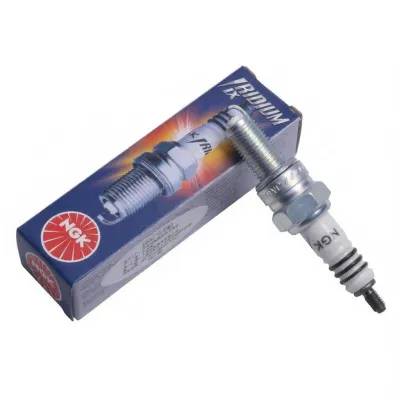
![4 PCS Toyota Spark Plug Iridium | Toyota Vios 2016-Up Dual VVTi [90919-01275]](https://img.lazcdn.com/g/p/fa8be885f4ac34ef091f09203f30fbe8.png_400x400q80.png_.webp)
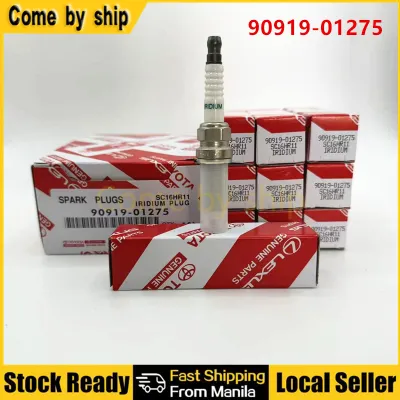
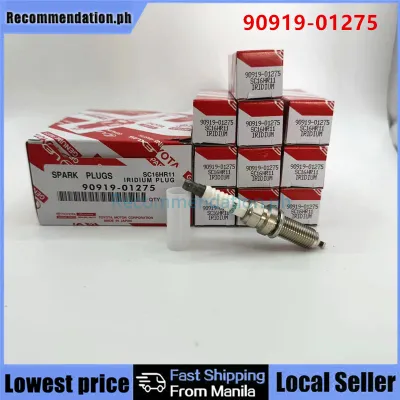
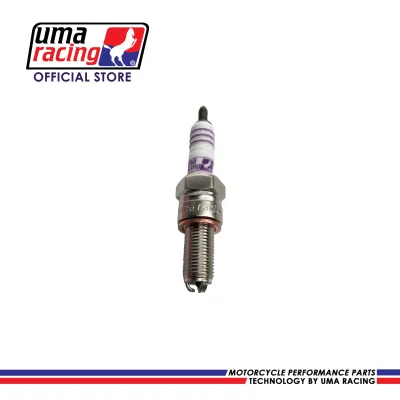
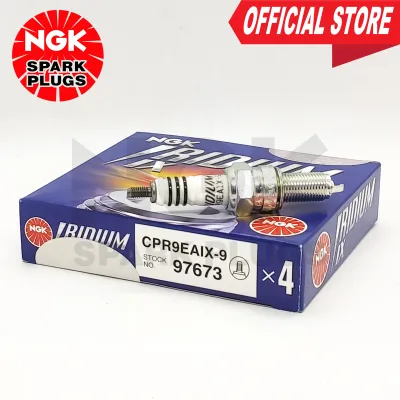
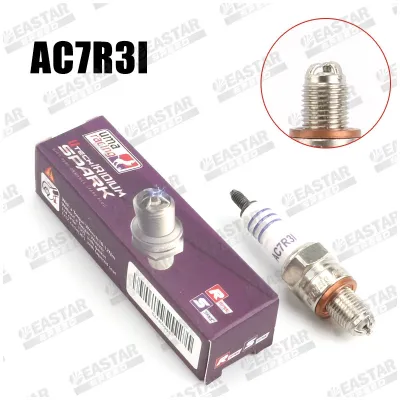
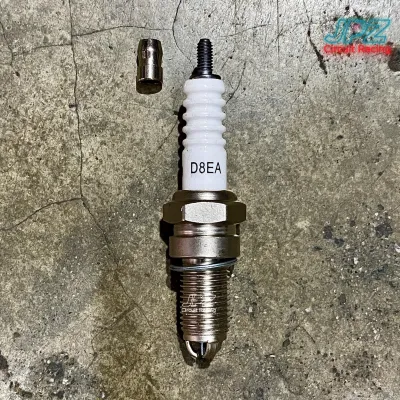
Prices are valid at publication and may change. Please refer to the product page for the latest price.
Why Counterfeit Iridium Spark Plugs Threaten Your Engine
Using counterfeit spark plugs poses severe risks to your engine’s mechanical integrity and your wallet. Because spark plugs operate inside the combustion chamber, they are subjected to intense pressure and temperatures exceeding several thousand degrees. Genuine iridium plugs are engineered to withstand these extreme conditions, but cheap counterfeits are constructed from inferior materials that fail rapidly under stress.
When a fake spark plug is installed, the most immediate symptoms are poor combustion and electrical instability. You may experience frequent engine misfires, a rough idle, sluggish acceleration, and a noticeable drop in fuel economy. In a market where fuel prices directly impact daily commuting budgets, running inefficient spark plugs leads to unnecessary ongoing expenses.
Beyond poor performance, the physical destruction of a counterfeit plug can destroy your engine. Counterfeiters typically use standard copper or low-grade nickel alloys coated with a shiny finish to mimic the appearance of precious metals. These cheap alloys have much lower melting points than genuine iridium. Under normal combustion temperatures, the fake electrode can melt entirely, dropping molten metal debris directly into the cylinder.
Another catastrophic risk is the structural failure of the ceramic insulator. Cheap ceramic materials used in counterfeit plugs lack proper thermal shock resistance. When subjected to rapid temperature changes, the ceramic can crack and shatter. The resulting hard ceramic fragments fall into the engine cylinder, scoring the cylinder walls, damaging the pistons, and bending the valves, which can result in a repair bill costing tens of thousands of pesos.
Visual Inspection: Identifying an Iridium Spark Plug Original by Packaging and Build
A physical inspection is your first line of defense against counterfeit auto parts. Genuine manufacturers maintain incredibly high quality-control standards, resulting in flawless packaging and highly precise physical components. Counterfeiters, aiming to keep production costs as low as possible, almost always leave visible clues on both the box and the plug itself.

Evaluating the Packaging and Labels
Start your inspection by closely examining the individual cardboard boxes and the larger outer packaging. Genuine manufacturers use high-grade cardboard and state-of-the-art printing presses. The text on an authentic box is sharp, clear, and easy to read, with perfectly aligned logos and consistent brand colors. Counterfeit boxes often feature slightly blurry text, smudged ink, or misaligned graphics.
Look closely at the security features integrated into the packaging. Authentic brands often use holographic stickers that shift colors or reveal hidden patterns when tilted under a light source. Many packages also feature tamper-evident seals or unique scratch-off panels that reveal a verification code. On fake packaging, these holograms are often flat, non-reflective stickers, and scratch-off areas may look crudely printed.
Pay close attention to the font style, size, and spacing of the part numbers and barcode labels. Authentic manufacturers use a standardized, highly consistent font across all their products. Counterfeits frequently display subtle variations, such as uneven spacing between letters, thinner or thicker font strokes, or incorrect country-of-origin markings. Cross-reference the layout of the label with photos of confirmed genuine packaging from official manufacturer catalogs.
Inspecting the Electrode, Threads, and Ceramic Insulator
Once you remove the plug from its packaging, focus your attention on the center electrode. A genuine iridium spark plug features an exceptionally fine, needle-like center electrode tip, typically measuring between 0.4mm and 0.6mm in diameter. This precious metal tip is attached using highly precise laser-welding technology, leaving a clean, uniform weld pool at the base. Counterfeit plugs usually feature a much thicker, blunt center electrode made of cheap alloy, often with messy, uneven welds or no visible welding ring at all.
Next, run your fingers along the metal threads of the shell. Authentic spark plugs have rolled threads that are perfectly smooth, uniform, and entirely free of sharp burrs or metal shavings. This precision ensures the plug threads smoothly into the aluminum cylinder head without causing damage. Counterfeiters often cut the threads rather than rolling them, resulting in rough, jagged edges, uneven thread heights, and visible metal debris that can ruin your engine’s spark plug threads.
Examine the ceramic insulator portion of the plug. A genuine insulator is made of high-density, purified ceramic, giving it a smooth, glossy, and uniform appearance. The brand lettering printed on the ceramic is crisp, perfectly centered, and impossible to scrape off with a fingernail. On a counterfeit plug, the ceramic may have a rough, chalky texture, visible vertical mold seams, uneven glazing, and smudged or easily scratched-off branding.
Finally, inspect the metal gasket, also known as the crush washer, located at the base of the threads. On a genuine, unused spark plug, this gasket is securely captured on the threaded shaft and cannot be easily screwed off or removed by hand. On many counterfeit plugs, the gasket is loosely fitted, made of thin, brittle metal, and can be easily spun off the threads, which prevents a proper gas-tight seal when installed.
Official Verification Tools and Anti-Counterfeit Checks
While a visual inspection can catch poorly made fakes, high-quality counterfeits sometimes require technological verification. Major spark plug manufacturers have developed dedicated anti-counterfeiting systems to help consumers verify their purchases. Utilizing these official tools provides an extra layer of certainty before you install the parts.
Many leading brands print unique QR codes or secure alphanumeric serial codes on the individual spark plug boxes. By using the manufacturer’s official mobile application or verifying the code directly on their official website, you can check the authenticity of the product. The verification system will confirm if the code is valid and, crucially, how many times that specific code has been queried in their database.
Be cautious of the limitations of simple QR code scans. Counterfeiters often print a genuine QR code copied from a single authentic box onto thousands of fake packages. When you scan the code using a generic QR reader, it may direct you to a legitimate-looking website. However, an official manufacturer verification tool will flag the code if it has been scanned multiple times across different locations, immediately alerting you to a cloned, counterfeit batch.
Always cross-reference the physical markings on the spark plug with the details on the packaging. Genuine plugs have a unique batch code or production lot number laser-etched onto the metal hexagonal shell. This etched code must match the production details printed on the box. If the physical plug lacks this laser-etched code, or if the code is crudely stamped rather than cleanly etched, the product is highly likely to be a counterfeit.
Where to Safely Buy Genuine Iridium Spark Plugs
To minimize the risk of purchasing counterfeit ignition components, you must be selective about your purchasing channels. The automotive aftermarket in the Philippines contains a mix of authorized distributors and unverified sellers, making it essential to know where to shop safely.
Always prioritize purchasing from authorized dealers, official brand flagship stores, and well-established physical auto parts supply shops. These businesses source their inventory directly from the manufacturers or official importers, ensuring a secure supply chain. Authorized sellers are also capable of providing official receipts and honoring manufacturer warranties, giving you peace of mind.
Be highly skeptical of unusually low prices on online marketplaces, unverified social media storefronts, or independent classified ads. A genuine iridium spark plug typically retails between ₱600 and ₱1,200 per piece, depending on the specific vehicle application. If you find a seller offering a set of four iridium plugs for ₱400 to ₱600 total, they are almost certainly counterfeit. Iridium is an extremely rare and expensive precious metal; it is financially impossible to manufacture and sell genuine plugs at these rock-bottom prices.
When shopping on online marketplaces, look for verified seller badges, such as official mall status or authorized distributor icons. Read through recent buyer reviews, paying close attention to 1-star and 2-star feedback. Look for reviews that contain detailed photos of the received items, and check if other buyers have complained about engine misfires, poor fitment, or packaging defects. Avoid stores with generic, auto-generated names or those that refuse to answer specific questions about their sourcing.
Steps to Take If You Suspect a Fake Spark Plug
If you have purchased spark plugs and suspect they are counterfeit, you must take immediate action to protect your vehicle and secure your money. Handling the situation promptly prevents mechanical damage and helps clean up the local automotive market.
First and foremost, do not install the suspected counterfeit spark plug into your engine under any circumstances. The financial savings of using a cheap plug are entirely wiped out if the plug fails and destroys your engine. Keep your vehicle parked or continue using your existing, functional plugs until you can source confirmed genuine replacements.
Document all available evidence immediately. Take clear, high-resolution photos of the packaging from all angles, focusing on blurry text, mismatched codes, or damaged security seals. Capture close-up photos of the physical plug’s defects, such as a thick center electrode, rough threads, or a loose gasket. Keep your purchase receipt, transaction screenshots, and any communication with the seller as proof.
Initiate a return and refund request through the platform where you purchased the item, submitting your documented photos as evidence. Report the seller’s listing to the e-commerce platform’s customer support and file a formal complaint with local consumer protection authorities, such as the Department of Trade and Industry (DTI). Reporting these listings helps remove fraudulent sellers and protects other motorists from engine damage.
Because working with your vehicle’s ignition system involves safety risks, always observe proper safety boundaries. Ensure the engine is completely cool, disconnect the battery if required by your vehicle’s service manual, and use a calibrated torque wrench to install the plugs according to the vehicle manufacturer’s exact torque specifications. If you suspect a counterfeit plug was already installed and your engine is running poorly, do not continue driving. Seek qualified professional installation and have a certified mechanic safely extract the plugs to inspect your cylinders for any internal damage.
Frequently Asked Questions (FAQ)
Can a multimeter test if an iridium spark plug is real?
No, a standard multimeter cannot determine if the electrode is made of genuine iridium. A multimeter is only capable of testing basic electrical continuity and internal resistance, which is typically around 5,000 ohms for standard resistor-type spark plugs. Counterfeiters can easily install a cheap internal resistor to mimic this electrical profile. The only way to verify the presence of actual iridium is through specialized metallurgical testing, which is not possible with basic garage tools.
Are all genuine iridium spark plugs supposed to have a loose gasket?
Yes, it is entirely normal for a brand-new, unused genuine spark plug to have a gasket (crush washer) that can spin or feel slightly loose on the threads. This gasket is engineered to crush, flatten, and deform when you apply the correct torque during the first installation, creating a perfect, gas-tight seal against the cylinder head. Once the plug has been installed and properly torqued, the gasket will be permanently flattened and will no longer spin freely.

Community discussion
Share your experience or ask a question. Comments are reviewed before publication.