
Identifying original car coolant requires a systematic check of the product’s physical packaging, the fluid’s physical properties, and the manufacturer’s official verification systems. In the Philippines, where high tropical temperatures and heavy traffic put immense stress on your engine, using genuine radiator coolant is critical to prevent overheating. By inspecting the security seals, verifying batch codes, and sourcing your fluids exclusively from authorized distributors, you can protect your vehicle from the severe mechanical damage caused by counterfeit products.
The Risks of Using Counterfeit Engine Coolant
Using counterfeit engine coolant poses a severe threat to your vehicle’s cooling system and overall engine health. Genuine coolants are carefully formulated with specific corrosion inhibitors, anti-foaming agents, and precise boiling and freezing point properties designed to protect various metals within the engine block and radiator. Counterfeit products, however, are often nothing more than colored water mixed with cheap chemicals or harmful industrial solvents that lack these essential protective additives.
Without proper corrosion inhibitors, fake coolants allow rust and scale to rapidly build up inside your cooling passages. This accumulation leads to radiator clogging, which restricts the flow of the fluid and causes localized hot spots within the engine. Over time, the lack of lubrication and the presence of abrasive particles can cause premature water pump failure, leading to sudden coolant leaks and complete system breakdown.
Products mentioned in this guide
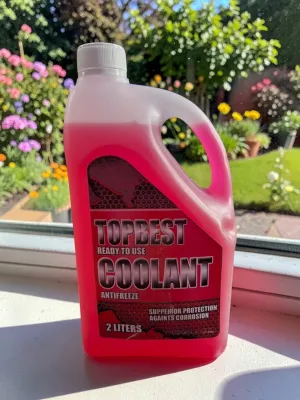
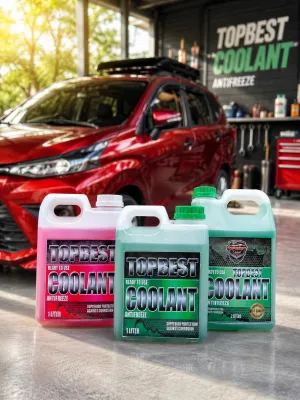
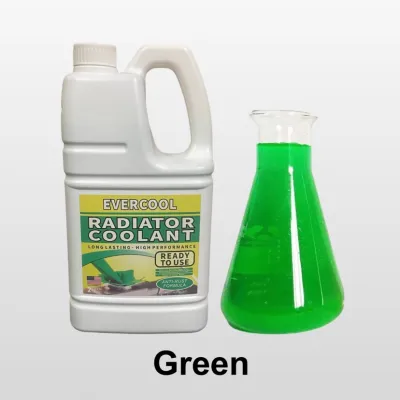
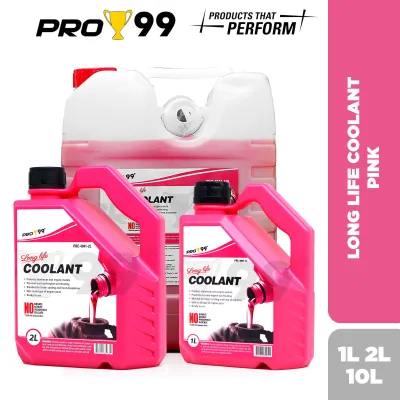
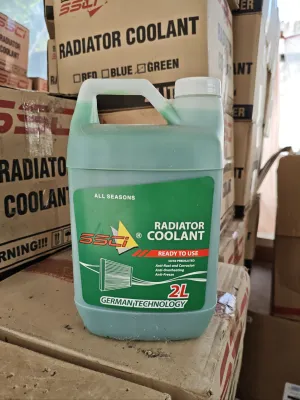
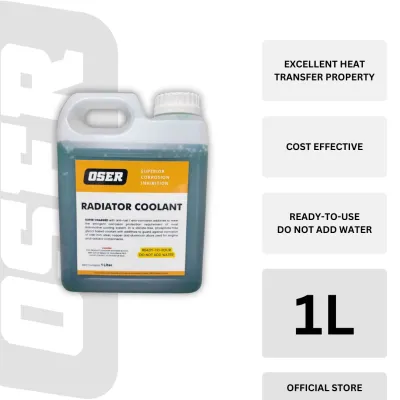
![[L-AX] 4 LITERS COOLANT TOPBEST BRAND](https://img.lazcdn.com/g/p/265a1ad5b28c2f5a6810dbf26c40a550.png_400x400q80.png_.webp)
![[YAMAS] 4 LITERS COOLANT TOP BEST BRAND](https://img.lazcdn.com/g/p/ab94097c9549efc206847bd80590eb26.png_400x400q80.png_.webp)
Prices are valid at publication and may change. Please refer to the product page for the latest price.
The ultimate consequence of using these substandard fluids is severe engine overheating. An overheated engine can suffer from warped cylinder heads, blown head gaskets, and cracked engine blocks—expensive repairs that require extensive disassembly and professional rebuilds. The price of a premium, genuine bottle of coolant is a minor investment compared to the catastrophic financial and mechanical burden of a complete engine repair.
Visual and Physical Inspections Before Purchase
Before you hand over your money or pour any fluid into your radiator, a close physical inspection of the container can reveal critical clues about its authenticity. Counterfeiters often reuse old bottles or utilize low-cost printing facilities that cannot replicate the precise manufacturing standards of major automotive brands.

Packaging, Seals, and Label Quality
Start your inspection by examining the overall quality of the bottle’s packaging and labeling. Genuine manufacturers use high-resolution printing processes that produce sharp, clear text, vibrant logos, and perfectly aligned labels. If you notice blurry lettering, pixelated graphics, or labels that are crooked or peeling at the corners, the product is highly suspect.
Next, pay close attention to the cap and the safety seals. Authentic coolant bottles feature a tamper-evident plastic ring on the cap that should be completely intact and unbroken. Once you unscrew the cap, inspect the inner induction seal; it should be firmly glued to the rim of the bottle without any signs of peeling, uneven adhesive residue, or manual re-gluing. Many original brands also print distinct, high-quality watermarks or holographic patterns directly onto this inner seal.
Additionally, look for the production details typically printed on the back or bottom of the bottle. Genuine manufacturers use laser-etching or high-quality dot-matrix printing to apply batch numbers, manufacturing dates, and expiration dates. These markings should feel slightly raised or engraved and should not smudge or wipe away easily when rubbed with a finger or a damp cloth.
Fluid Color, Consistency, and Odor
If you have already purchased the product or can safely observe the liquid, its physical characteristics can help you verify its legitimacy. Pour a small amount of the coolant into a clean, clear container to inspect its color and clarity. Genuine coolant should have a vibrant, consistent color that matches the manufacturer’s official specifications, and it must be completely transparent and free of any floating particles, sediment, or cloudiness.
The consistency of the fluid is another important indicator of quality. Authentic coolant contains ethylene glycol or propylene glycol, which gives the liquid a slightly slick, almost oily feel when rubbed between your fingers. It should not feel like pure, thin water, nor should it be excessively thick, syrupy, or sticky.
You should also pay attention to the smell of the fluid, keeping in mind that you must never inhale chemical fumes directly or deeply. Authentic coolants generally have a very mild, distinct chemical scent that is not overpowering. If the liquid emits a harsh, pungent odor of cheap alcohol, strong household solvents, or artificial perfume used to mask chemical smells, it is highly likely to be a counterfeit mixture.
Official Verification and Tracking Methods
As counterfeiters become more sophisticated, visual inspections alone may not always suffice, prompting major automotive fluid manufacturers to introduce advanced digital tracking systems. Many reputable brands now place unique QR codes, scratch-off holographic stickers, or serial numbers on their packaging to allow consumers to verify authenticity instantly.
When you encounter a QR code or a scratch-off verification panel on a coolant bottle, use your smartphone to scan it or enter the serial number on the manufacturer’s official portal. A genuine tracking system will direct you to a secure, official brand domain and display a validation message. This message typically confirms that the product is authentic and, crucially, indicates whether the code has been scanned before.
Be highly cautious of sophisticated counterfeits that attempt to clone legitimate QR codes. If a scan directs you to an unfamiliar web address, a domain with spelling errors, or a generic landing page that does not belong to the official manufacturer, do not trust the product. Furthermore, if the verification portal states that the code has already been scanned multiple times in the past, it is a clear sign that a genuine label was copied and printed onto multiple counterfeit bottles.
Always cross-reference the web address displayed on your phone with the official website listed in your vehicle’s documentation or the brand’s verified corporate directory. If the brand offers an SMS-based verification system, ensure you send the code only to the official number designated by the manufacturer. Taking these extra minutes to verify the digital footprint of the product provides a robust layer of security against counterfeit goods.
Choosing Reliable Purchasing Channels
The most effective way to avoid counterfeit car coolant is to control where you buy your automotive supplies. In the Philippines, the market features various parallel imports and unverified sellers, making channel selection your primary line of defense.
Whenever possible, purchase your engine coolant directly from authorized physical auto supply shops, official car dealership service centers, or the official brand flagship stores on major online marketplaces. These established sellers maintain direct supply chains with the manufacturers or authorized national distributors, virtually eliminating the risk of introducing counterfeit stock into their inventory.
Be extremely cautious when browsing third-party listings on ecommerce platforms, especially those offering prices that are significantly below the typical retail price in ₱. If a deal seems too good to be true, it almost certainly is; counterfeiters frequently use deep discounts to quickly liquidate substandard stock.
Before finalizing any online purchase, thoroughly investigate the seller’s profile. Check their overall rating, read customer reviews specifically looking for photos of the received packaging, and look for feedback regarding product authenticity. Additionally, verify that the seller has a clear, reasonable return and refund policy, which gives you a recourse option if the product fails your initial physical inspections upon delivery.
Steps to Take If You Suspect Fake Coolant
If you have purchased a bottle of coolant and suspect it is counterfeit after performing your physical or digital checks, you must act immediately to protect your vehicle and your consumer rights. Under no circumstances should you pour the suspected fluid into your vehicle’s cooling system, as even a brief period of operation with substandard chemicals can initiate internal corrosion.
Begin by documenting the product thoroughly. Take clear, high-resolution photographs of the bottle from all angles, focusing on the blurry labels, compromised seals, smudged batch codes, or any failed digital verification screens. Keep your physical purchase receipt, invoice, and any digital chat logs with the seller, as these serve as essential evidence for your claim.
If you purchased the item through an online marketplace, immediately initiate a return and refund request under the platform’s buyer protection program, selecting counterfeit product as the reason and uploading your documented evidence. You should also report the seller’s store to the platform’s administration to help prevent other motorists from falling victim to the same scheme. For physical purchases, return to the store with your receipt to demand a refund, and consider reporting the establishment to local consumer protection agencies if they refuse to cooperate.
Frequently Asked Questions (FAQ)
Can I mix genuine coolant with an unknown brand if I am unsure of its origin?
No, you should never mix genuine coolant with a fluid of unknown origin or brand. Different coolants utilize distinct chemical technologies, such as Inorganic Additive Technology (IAT), Organic Acid Technology (OAT), or Hybrid OAT (HOAT). Mixing incompatible chemical bases can trigger a chemical reaction that leads to gelation, creating a thick sludge that blocks your radiator passages and water pump, ultimately causing severe engine overheating. If you are unsure of the fluid currently in your system, consult your vehicle’s documentation for the exact manufacturer specifications and have a qualified professional perform a complete cooling system flush before refilling it with a single, verified genuine coolant.
Does a bright color guarantee that the car coolant is original?
No, a bright color does not guarantee that the coolant is original. Counterfeiters can easily add cheap industrial dyes to water or low-grade fluids to perfectly mimic the bright green, pink, blue, or orange hues of genuine products. Color is simply a dye added by manufacturers for identification and leak detection; it has no inherent protective properties. To confirm authenticity, you must evaluate the fluid’s color in combination with packaging quality, safety seals, and official digital verification tools.

Community discussion
Share your experience or ask a question. Comments are reviewed before publication.