
Identifying a genuine Bavin Android fast car charger requires a careful look at the packaging, physical build quality, and official security labels. Counterfeit mobile accessories are common in online marketplaces and physical stalls, making it easy to accidentally purchase a substandard unit. By checking key physical indicators and verifying serial codes, you can ensure your vehicle’s electrical system and your smartphone remain safe from poorly regulated power sources.
Why Authenticity Matters for Car Fast Chargers
Car electrical systems are dynamic environments where voltage levels fluctuate depending on whether the engine is idling, accelerating, or running accessories. A genuine car charger is engineered with internal voltage regulators, overcurrent protection, and thermal management systems to handle these shifts safely. Counterfeit chargers often omit these critical components to cut manufacturing costs, leaving your connected Android device vulnerable to sudden power spikes.
When a charger lacks proper regulation, the risk extends beyond slow charging speeds. Excess heat generated by a poorly constructed circuit board can melt the charger’s plastic casing, potentially damaging your car’s 12V accessory socket or causing an electrical short. In tropical climates like the Philippines, where cabin temperatures can rise significantly when parked under the sun, using a heat-sensitive, uncertified charger increases the risk of localized thermal damage.
Products mentioned in this guide
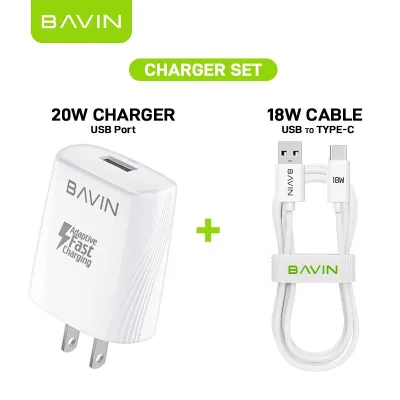
Prices are valid at publication and may change. Please refer to the product page for the latest price.
Furthermore, fake chargers rarely deliver the advertised fast-charging protocols required by modern Android devices. While the packaging might promise rapid power delivery, the internal components often only support standard, slow charging rates. This discrepancy not only leads to frustratingly slow charge times while navigating with GPS but can also cause your phone’s battery to degrade prematurely due to unstable current delivery.
Step-by-Step Visual and Physical Inspection
Spotting a counterfeit charger is often possible before you even plug it into your vehicle’s accessory port. Manufacturers of replica accessories frequently compromise on packaging materials, printing precision, and structural alignment to maximize their profit margins. By systematically examining the exterior details, you can identify the warning signs of a fake product.

Packaging and Label Details
Start your inspection by looking closely at the retail box. Genuine Bavin packaging features crisp, high-resolution printing with clear, legible text and accurate brand logos. Counterfeit boxes often display blurry graphics, slight color variations, or spelling mistakes in the product descriptions and specifications. If the text on the back of the box looks faded or unevenly spaced, the product is highly likely to be a replica.
Next, examine the safety certification marks and specification labels printed on the packaging. Authentic chargers list specific input and output ratings that match the official product documentation, alongside standard compliance symbols such as CE, FCC, or RoHS. On counterfeit packaging, these symbols are often poorly replicated, distorted, or missing entirely.
Additionally, pay attention to the included accessories and documentation inside the box. Original packages typically include neatly folded user manuals, warranty cards, and high-quality charging cables secured with proper ties. If you open the box to find a loosely packed cable, no documentation, or materials that feel unusually thin and cheap, you should proceed with caution.
Build Quality and Connector Markers
Once the charger is out of the box, assess its physical weight and material finish. Genuine fast chargers use dense, flame-retardant plastics or solid metal alloys that feel substantial in your hand. Counterfeit units often feel remarkably light and hollow because they lack the heavy internal shielding and robust components of an authentic circuit board. Run your fingers along the seams of the charger body; rough edges, misaligned plastic joints, or visible glue residue are clear indicators of poor manufacturing standards.
The Android connector port—whether USB-C or Micro-USB—is another critical area to inspect. On an original charger, the metal contacts inside the ports are clean, evenly spaced, and firmly seated. Counterfeit ports may have crooked pins, loose internal housings, or a rough finish that makes inserting your charging cable difficult. A loose connection here can cause intermittent charging or localized overheating.
Finally, observe how the charger fits into your car’s 12V accessory socket. An authentic charger is designed to fit snugly, with sturdy side springs that hold the unit firmly in place even when driving over rough roads. If the charger wobbles, slips out easily, or has an LED indicator light that flickers unevenly or shines excessively bright through the gaps in the casing, the internal assembly is likely substandard. Always verify your vehicle’s manual for specific 12V socket dimensions and fuse ratings to ensure compatibility before inserting any aftermarket accessory.
Verifying Through Official Channels
When physical inspection alone does not provide a clear answer, official verification methods offer a reliable way to confirm authenticity. Genuine Bavin products often feature security measures designed specifically to help consumers verify their purchase. Look for a scratch-off security sticker or a unique QR code on the retail packaging.
If a scratch-off panel is present, carefully reveal the hidden serial number or security code. You can then visit the manufacturer’s official website or use their designated verification portal to input this code. The system will confirm whether the serial number is authentic and if it has been searched previously, which prevents counterfeiters from copying a single valid code onto thousands of fake boxes.
If you remain uncertain about the results or cannot find a verification portal, you can contact the brand’s customer support channels directly. Provide them with clear, high-resolution photographs of the packaging, the security labels, the printed specifications on the charger body, and any batch numbers. Authorized support teams can cross-reference these details with their production logs to verify if the item is a genuine product.
Choosing Trusted Purchasing Channels
The most effective way to avoid counterfeit car electronics is to be selective about where you shop. Purchasing your car accessories from official brand stores, flagship online outlets, or authorized physical dealers significantly reduces the risk of acquiring a fake unit. These sellers receive their inventory directly from the manufacturer, ensuring strict quality control.
When shopping on e-commerce platforms or online marketplaces, look closely at the seller’s profile rather than relying solely on product listings. Prioritize stores that carry official platform verification badges, high positive feedback ratings, and a history of responsive customer service. Read through the customer reviews, paying close attention to photos uploaded by previous buyers to see if the packaging and product details match the authentic design.
Be highly skeptical of listings offering prices that seem too good to be true. While genuine promotions do occur, a fast charger priced significantly lower than the standard market rate in the Philippines is a major red flag. Counterfeiters rely on low prices to attract quick sales, but the money saved upfront is rarely worth the risk of damaging your vehicle’s electrical system or your mobile phone.
What to Do If You Suspect a Counterfeit
If you suspect that your Bavin car charger is a counterfeit, stop using it immediately. Unplug the device from your car’s 12V socket and disconnect your phone. Continuing to use a suspected fake charger exposes your vehicle’s fuses and your smartphone’s battery to unregulated electrical currents, which can lead to permanent hardware damage.
Next, gather and document all evidence related to your purchase. Take clear photos of the charger, the packaging, any physical defects, and the security labels. Keep digital copies of your transaction receipt, the online order confirmation, and any communication you had with the seller regarding the product’s authenticity.
Finally, initiate a return or refund request through the e-commerce platform or the physical retailer where you bought the item. Most reputable online marketplaces have buyer protection programs that allow you to dispute purchases of counterfeit goods. Present your documented evidence to the platform’s customer support to secure a refund and help flag the fraudulent seller to protect other consumers.
Frequently Asked Questions (FAQ)
Can a fake Bavin charger damage my car's battery?
While your car’s main 12V battery is robust and protected by dedicated vehicle fuses, a counterfeit charger can still cause electrical issues. Poor voltage regulation and low-quality circuitry in fake chargers can blow your car’s interior accessory fuse, disabling the socket entirely. Additionally, the unstable power output is highly likely to damage the sensitive battery and charging IC of your connected Android smartphone.
Do all original Bavin fast chargers come with a warranty?
Genuine Bavin fast chargers typically come with a manufacturer warranty that covers production defects. If a seller refuses to offer a warranty, or if you are unable to register the product serial number through official channels, it is a strong indication that the charger is a counterfeit. Always verify the warranty terms with the retailer before finalizing your purchase.

Community discussion
Share your experience or ask a question. Comments are reviewed before publication.