
Determining whether your scooter’s clutch shoes require replacement involves paying close attention to how the vehicle responds when you twist the throttle. When clutch shoes wear down, they lose their ability to grip the inner surface of the clutch bell effectively, leading to distinct performance drops. You will typically notice the engine revving high without a matching increase in road speed, a hesitation or delay when starting from a complete stop, or unusual shuddering and squealing noises coming from the rear transmission case during takeoff.
Common Symptoms of Worn Clutch Shoes
A scooter’s continuously variable transmission (CVT) relies on a centrifugal clutch system to transfer power from the engine to the rear wheel. As engine speed increases, centrifugal force pushes the clutch shoes outward against the clutch bell. When the friction material on these shoes becomes thin, glazed, or damaged, they can no longer maintain a firm grip, resulting in several noticeable riding issues.
One of the most frequent signs of worn clutch shoes is slipping during acceleration. You might twist the throttle and feel the engine revving loudly, yet the scooter accelerates sluggishly or fails to gain speed as quickly as it normally does. This loss of power transfer is especially noticeable when climbing steep inclines or when carrying a passenger, as the extra load increases the demand on the clutch mechanism.
Products mentioned in this guide
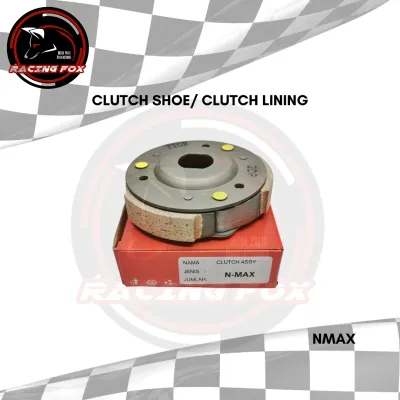
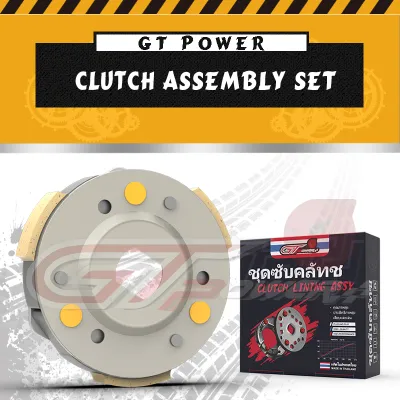
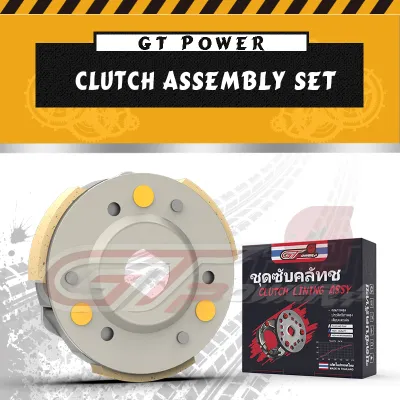
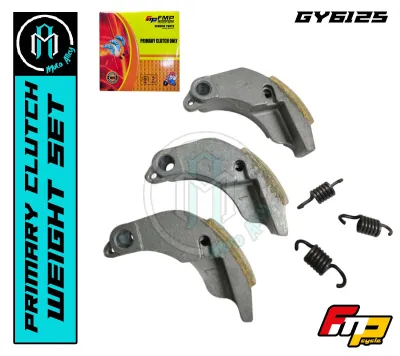
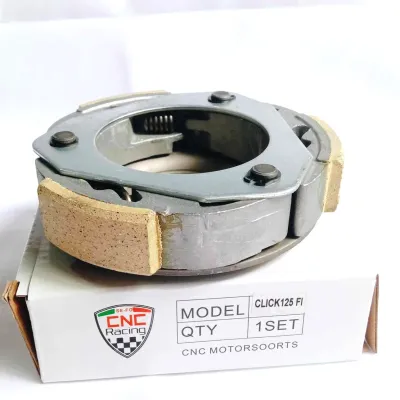
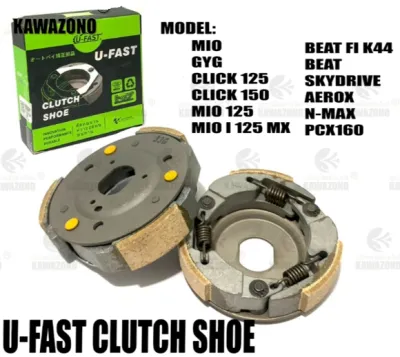
Prices are valid at publication and may change. Please refer to the product page for the latest price.
Another clear indicator is delayed engagement. When you start from a complete stop, there should be a smooth, almost immediate transition from idling to forward motion. If the clutch shoes are worn or if the tension springs have lost their elasticity, you may experience a sudden jerk or a prolonged delay before the transmission finally catches and moves the vehicle forward.
Unusual noises coming from the rear transmission area during takeoff are also common warning signs. A high-pitched squealing or chirping sound often indicates that the friction material has glazed over, causing it to slip loudly against the metal clutch bell. Alternatively, a metallic rattling or clunking sound can point to broken clutch springs or severely worn shoes that are vibrating loosely inside the assembly. In tropical climates like the Philippines, where stop-and-go city traffic and high humidity put extra thermal stress on the CVT, these symptoms can develop more rapidly.
How to Visually and Physically Inspect the Clutch Shoes
While riding symptoms provide strong clues, a physical inspection is the only definitive way to confirm the condition of your clutch shoes. Because disassembling a scooter’s CVT involves working with high-tension springs and rotating components, safety must be your top priority. Always park the scooter on a stable center stand, turn off the engine, and allow the transmission to cool completely before beginning any work.

Before attempting disassembly, consult your scooter’s specific service manual for step-by-step instructions, torque specifications, and safety warnings. You will need specialized tools, including a CVT holding tool or an impact wrench to safely remove the clutch bell nut, and a clutch spring compressor if you plan to disassemble the clutch pulley assembly. If you do not have the proper tools or feel uncomfortable handling high-tension springs, always take your scooter to a qualified professional mechanic for installation and service.
Once you have safely removed the clutch bell, inspect the friction material on each of the clutch shoes. Use a vernier caliper to measure the thickness of the lining and compare your reading against the wear limits specified in your vehicle’s documentation. If the lining has worn down to the manufacturer’s minimum threshold, the shoes must be replaced immediately to prevent metal-on-metal contact.
Examine the surface of the friction material for signs of glazing, cracking, or uneven wear. Glazed shoes will have a shiny, glass-like appearance that severely reduces friction. Look closely for any oil or grease contamination on the shoes or the inner surface of the clutch bell, which often points to a failing rear gearbox seal. Finally, inspect the small clutch tension springs for any signs of stretching, rust, or deformation, as weakened springs will cause premature clutch engagement and poor idle behavior.
Ruling Out Other Transmission and Drive System Issues
Because the CVT operates as a unified system, symptoms of clutch slip can easily be confused with faults in other drive components. Before purchasing replacement parts, it is essential to rule out these alternative culprits to avoid unnecessary repairs.
A worn or stretched drive belt is a common cause of slipping that closely mimics bad clutch shoes. If the belt has worn below its minimum width specification, it will slip within the pulleys, causing high engine RPMs and poor acceleration. Similarly, degraded variator rollers with flat spots can prevent the front pulley from shifting smoothly, leading to sluggish performance or a sudden loss of top-end speed.
Accumulated road grime, belt dust, and old grease inside the pulley faces can also prevent the transmission from operating smoothly. Cleaning the entire CVT case with an approved parts cleaner according to the product label instructions can sometimes resolve minor slipping issues. Additionally, check for external factors such as a binding rear brake caliper, worn wheel bearings, or low tire pressure, as the resulting rolling resistance can easily be mistaken for a loss of engine power.
If your visual inspection reveals that the clutch shoes, belt, and rollers are all within specification, but the performance issues persist, the problem may lie deeper within the engine or the final drive gearbox. In such cases, DIY diagnosis should stop, and you should consult a qualified mechanic to inspect the internal transmission gears or perform a compression test on the engine.
Deciding Whether to Clean, Adjust, or Replace
Once you have completed your inspection, you must decide on the most appropriate course of action based on your findings. If the clutch shoes still have plenty of friction material left but suffer from surface glazing, a temporary fix is often possible. You can use medium-grit sandpaper to gently scuff the shiny surface of the shoe linings and the inner wall of the clutch bell, removing the glaze and restoring a high-friction surface. Be sure to clean away all dust thoroughly using a dedicated brake cleaner, following all safety and ventilation instructions on the label.
However, if the friction material is worn close to or beyond the manufacturer’s specified limit, or if you detect deep cracks, crumbling material, or heavy oil saturation, replacement is mandatory. Attempting to ride with severely worn clutch shoes can lead to complete power loss on the road or cause catastrophic damage to the clutch bell, resulting in a much more expensive repair.
When sourcing replacement parts, always verify the exact compatibility with your scooter’s make, model, and production year. Do not rely on generic category terms, as dimensions and mounting interfaces vary widely between different models. Opt for original equipment manufacturer (OEM) parts or high-quality aftermarket components from reputable brands, and ensure they are installed according to the original-vehicle instructions to maintain road safety and optimal performance.
Frequently Asked Questions (FAQ)
Can I just clean my scooter's clutch shoes instead of replacing them?
Cleaning is an effective temporary solution if your clutch shoes are simply dirty, dusty, or lightly glazed but still have adequate friction material thickness. Scuffing the shoes and the inside of the clutch bell with sandpaper can restore grip and eliminate minor squealing. However, cleaning cannot restore physically worn, cracked, or oil-saturated friction material; in those situations, replacing the shoes is the only safe and reliable option.
How often should scooter clutch shoes be replaced?
There is no fixed mileage interval for replacing clutch shoes, as wear rates depend heavily on your riding environment and habits. Frequent stop-and-go city riding, carrying heavy loads, or navigating steep terrain in hot climates will accelerate wear due to increased friction and heat. Instead of relying on a set schedule, inspect your clutch shoes during regular CVT maintenance—typically every 8,000 to 12,000 kilometers—and replace them based on physical wear and performance symptoms.

Community discussion
Share your experience or ask a question. Comments are reviewed before publication.