
Protecting your vehicle’s engine from premature wear starts with ensuring the fluids you use are completely genuine. In the Philippines, where high tropical temperatures and heavy stop-and-go traffic put constant stress on your engine, using authentic Petron engine oil is crucial for maintaining optimal performance. To guarantee you are purchasing genuine products, you must verify the seller’s credentials and carefully inspect the physical packaging before pouring any fluid into your engine.
The Risks of Using Counterfeit Engine Oil
Counterfeit engine oils pose a severe threat to your vehicle’s mechanical health because they lack the sophisticated additive packages found in genuine formulations. Legitimate lubricants are engineered with specific detergents, dispersants, and anti-wear agents designed to keep internal components clean and protected under extreme heat. Fake oils, which often consist of cheap base oils or poorly filtered recycled fluids, cannot withstand the intense operating temperatures common in tropical climates.
Without these essential protective additives, your engine is highly susceptible to rapid sludge buildup, accelerated friction, and severe overheating. Over time, this lack of proper lubrication leads to critical component failures, such as damaged piston rings, worn camshafts, and clogged oil passages. Because modern counterfeiters have become highly skilled at mimicking the visual appearance of clean oil, relying solely on how the fluid looks inside the bottle is never a reliable way to verify its safety or quality.
Products mentioned in this guide
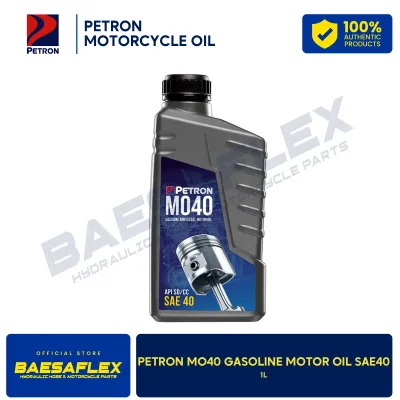
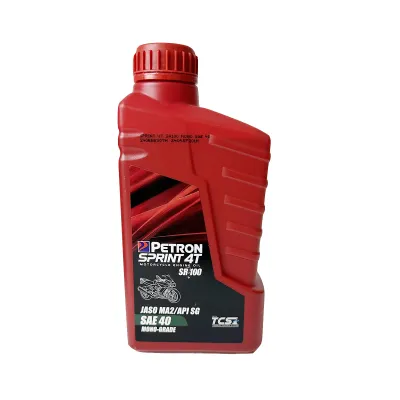
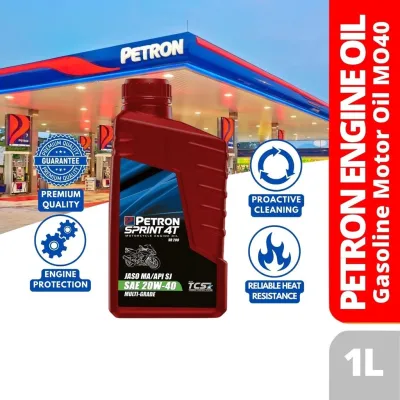
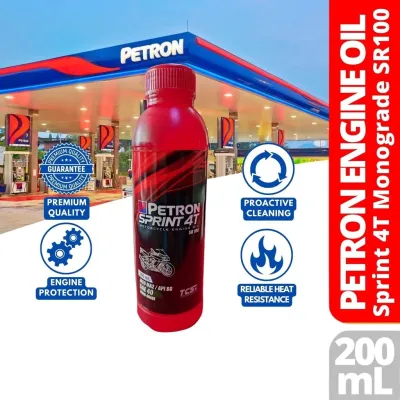
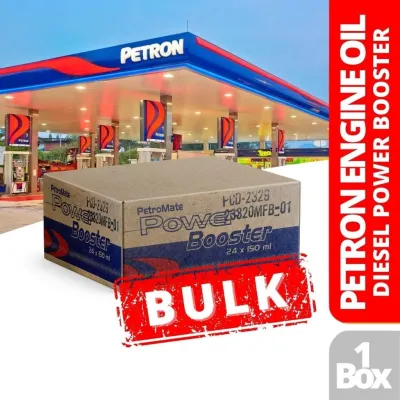
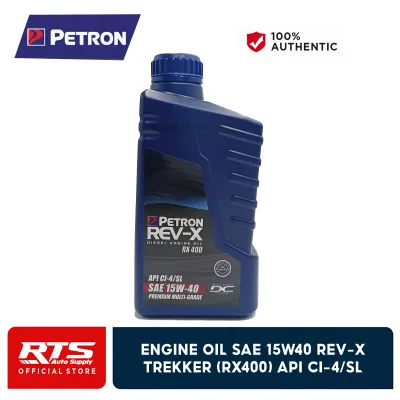
Prices are valid at publication and may change. Please refer to the product page for the latest price.
How to Verify a Legitimate Petron Store
The most reliable way to ensure you are buying authentic lubricants is to purchase them directly from authorized retail channels. In the Philippines, this means sourcing your products from official Petron service stations, authorized car care centers, and official brand-owned retail outlets. These physical locations receive their inventory directly from authorized distributors, eliminating the risk of third-party tampering or counterfeit substitution.

When shopping online, navigating digital marketplaces requires extra vigilance to avoid unauthorized sellers. Always look for official mall flags, verified seller badges, or direct store links provided on the brand’s official website. Legitimate online storefronts typically display clear business credentials, maintain high seller ratings, and feature consistent customer reviews that confirm the authenticity of their inventory.
Be highly skeptical of third-party listings on online marketplaces that offer prices significantly lower than the standard retail rate. If a seller lacks verified badges, displays vague business information, or has numerous customer complaints regarding packaging quality, it is best to avoid the purchase entirely. Saving a few pesos upfront on an unverified online listing is not worth the risk of catastrophic engine damage that can cost tens of thousands of pesos to repair.
Physical Checks to Spot Fake Petron Engine Oil
Before opening any container of engine oil, perform a thorough physical inspection of the packaging to identify potential signs of counterfeiting. Start by examining the overall quality of the plastic bottle; genuine containers are molded with high-quality materials, featuring clean seams and a sturdy, uniform structure. Inspect the labels carefully, paying close attention to the printing resolution, color alignment, and spelling accuracy, as counterfeit labels often exhibit blurry text, faded logos, or minor typographical errors.
Next, closely examine the bottle’s cap and factory seal to ensure they have not been tampered with or reused. Genuine Petron bottles feature a secure, intact break-away ring on the cap that should snap cleanly upon opening. Additionally, check the printed batch numbers, production dates, and tracking codes on the bottle; these markings should be crisp, clear, and perfectly match any corresponding codes printed on the outer shipping carton.
While visual inspection of the fluid itself is not foolproof, observing the oil’s color and consistency can sometimes reveal obvious anomalies. Authentic engine oil should have a consistent, clear amber hue and flow smoothly without any visible particulates, cloudiness, or unusual chemical odors. If the fluid appears unusually dark, contains sediment, or has an inconsistent viscosity, it may be filtered recycled oil and should not be used.
Because packaging designs and security features can change over time, always cross-reference the bottle’s design with the latest packaging guidelines published on the brand’s official website. Manufacturers frequently update their security labels, holographic seals, or QR code verification systems to stay ahead of counterfeiters. Taking a few minutes to verify these specific details against official brand resources provides an extra layer of security before you perform an oil change.
What to Do If You Suspect Counterfeit Oil
If you suspect that the engine oil you purchased is counterfeit, the most critical step is to stop using the product immediately. Do not pour the suspected fluid into your engine, as even a brief period of operation with substandard oil can initiate internal wear and deposit formation. If the oil has already been added to your engine, avoid driving the vehicle and arrange to have the oil drained and replaced with a verified genuine product as soon as possible.
To protect your consumer rights and assist in stopping counterfeit distribution, document your purchase thoroughly. Keep your physical or digital sales receipts, take high-resolution photographs of the bottle from multiple angles, and record the batch numbers and seller details. This documentation is essential for securing a refund from the retail platform and serves as vital evidence for brand investigators.
Contact the seller immediately to report the issue and request a full refund, citing the specific physical discrepancies you observed. Additionally, report the incident directly to Petron’s official customer service channels and file a formal complaint with consumer protection agencies in the Philippines, such as the Department of Trade and Industry (DTI). Reporting these fraudulent listings helps protect other motorists and keeps counterfeit automotive fluids off the market.
Frequently Asked Questions (FAQ)
Can I rely solely on the oil's color to determine if it is authentic?
No, you cannot rely solely on the color of the oil to verify its authenticity. While genuine oil typically has a clear, consistent amber appearance, counterfeiters can easily mimic this look by using highly filtered recycled oils or cheap base fluids. Because visual appearance does not reveal the presence or quality of essential protective additives, verifying the retail channel and inspecting the packaging’s security features remain the only reliable methods of ensuring product authenticity.
Are cheaper prices always an indicator of fake engine oil?
While legitimate promotional sales and authorized discounts do occur, a price that is significantly lower than the standard market rate in ₱ is a major red flag. If an online listing or third-party retailer offers Petron engine oil at a fraction of the official suggested retail price, it is highly likely to be a counterfeit product. Always compare the seller’s price against the rates at official service stations to determine if the discount is realistic.

Community discussion
Share your experience or ask a question. Comments are reviewed before publication.