
Ensuring the authenticity of your motorcycle helmet is a matter of life and death on the road. For riders in the Philippines, MT Helmets represents a popular balance of safety, style, and value, making them a frequent target for counterfeiters. To verify if your MT helmet is genuine, you must inspect its physical build quality, examine the security features of its Import Commodity Clearance (ICC) or Philippine Standard (PSB/PS) certification marks, and cross-reference its serial numbers. Purchasing your riding gear exclusively from the mt helmets official store or an authorized physical distributor guarantees that your helmet has undergone rigorous safety testing and complies with local road safety laws.
Why Authenticity Matters for MT Helmets in the Philippines
Riding a motorcycle in the Philippines exposes you to unpredictable road conditions, heavy traffic, and high-speed expressways. In the event of a collision, your helmet is the primary barrier preventing catastrophic traumatic brain injuries. Counterfeit helmets are designed to look identical to premium brands on the outside, but they bypass all safety engineering. A fake helmet typically features a shell made of cheap, brittle recycled plastic that shatters upon impact rather than flexing to absorb energy. Furthermore, fakes often omit the crucial high-density Expanded Polystyrene (EPS) foam liner entirely, replacing it with soft packaging foam that provides zero deceleration protection for your brain.
To protect consumers, the Philippine government, through the Department of Trade and Industry (DTI) and the Bureau of Philippine Standards (BPS), mandates strict certification protocols. Imported helmets must obtain an Import Commodity Clearance (ICC) sticker, while locally distributed safety gear must bear the Philippine Standard (PSB/PS) mark. These certifications are proof that a specific batch of helmets has passed drop tests, penetration tests, and chin-strap retention tests under extreme conditions. While counterfeit riding gear continues to circulate in physical markets and online spaces, riders must protect themselves by performing rigorous physical and administrative verification checks rather than relying on unverified seller claims or online rumors.
Products mentioned in this guide
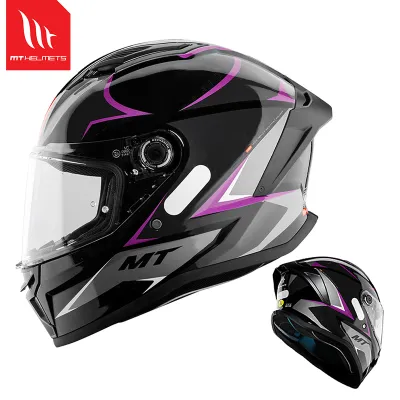
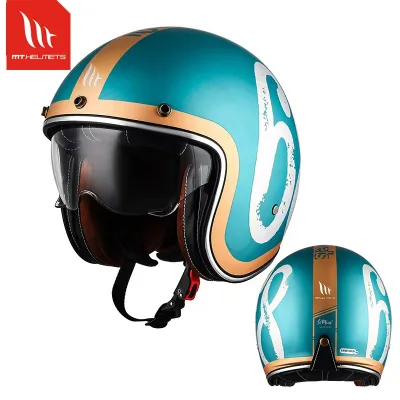
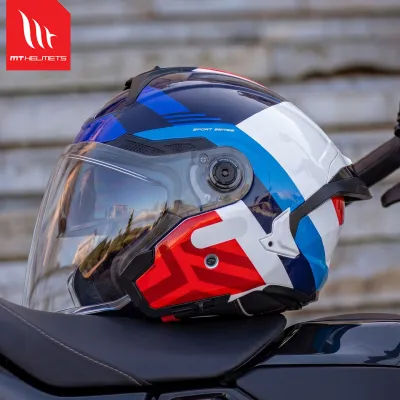
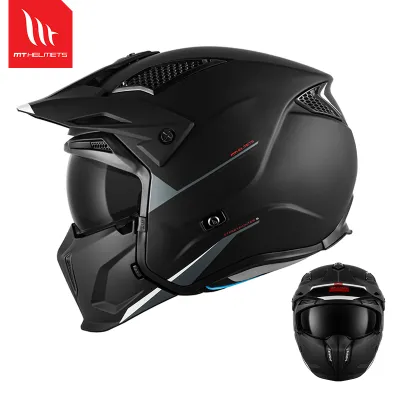
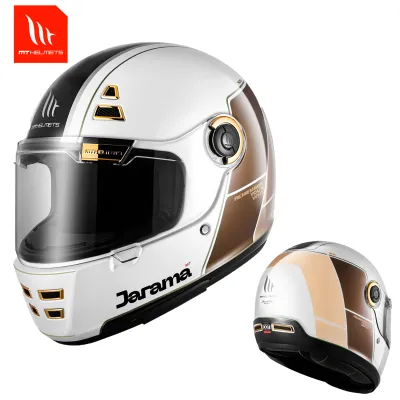
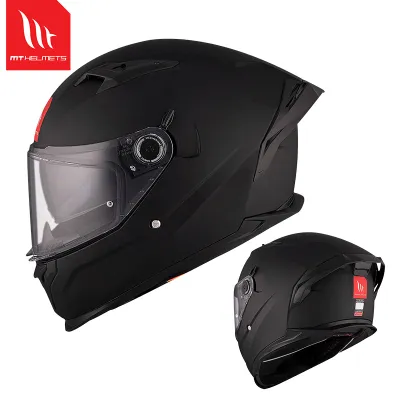
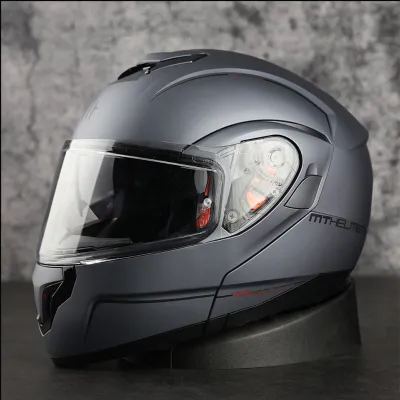
Prices are valid at publication and may change. Please refer to the product page for the latest price.
Key Features of a Genuine MT Helmet
Packaging and Accessories
An authentic MT helmet always arrives in a heavy-duty, professionally printed cardboard box featuring sharp, high-resolution graphics, correct brand logos, and specific model details. On the side of the box, you will find a white factory sticker containing the helmet’s exact model name, colorway, size, barcode, and unique serial number. Inside, the helmet is protected by a thick, high-quality fabric helmet bag with a soft interior lining and a drawstring. You will also find a comprehensive, multi-language user manual, a physical warranty card, and model-specific accessories such as a breath deflector, a chin curtain, or spare visor mechanism pins. Counterfeit products rarely include these structured accessories, often arriving in plain boxes or wrapped only in bubble wrap.

Build Quality and Shell Finish
The physical construction of a genuine MT helmet is characterized by meticulous attention to detail. The outer shell has a flawless finish with a durable clear coat that protects the graphics from UV damage. There should be no paint runs, bubbles, or misaligned graphic decals. When you operate the visor, the ratchet mechanism should feel crisp, secure, and highly precise, clicking firmly into various open positions. The visor itself will have clear optical properties with no distortion, and it will seal tightly against the rubber gasket surrounding the eyeport to prevent wind noise and rainwater from entering during heavy tropical downpours.
Internal Labels and Certifications
Peeling back the comfort liner of a genuine MT helmet reveals its structural safety components. The inner comfort padding is made of hypoallergenic, moisture-wicking fabric that is neatly stitched without loose threads or raw edges. Beneath this padding, you will find a firm, high-density, multi-layer EPS liner that is molded with deep ventilation channels to facilitate airflow in hot, humid weather. Sewn directly onto the chin strap are durable fabric tags detailing the helmet’s manufacturing date, model name, size, and international safety certifications. Genuine MT helmets carry recognized global certifications, such as the European ECE 22.05 or ECE 22.06 standards and the US DOT standard, printed clearly alongside the local compliance markings.
Weight and Balance
A genuine MT helmet is engineered to distribute its weight evenly across your head, reducing neck fatigue during long rides. Depending on the specific model and shell size, an authentic full-face MT helmet generally weighs between 1,450 and 1,650 grams. When you hold a genuine helmet, it feels substantial and solid, yet when worn, the center of gravity is perfectly balanced. Counterfeit helmets often fail this test dramatically, feeling either suspiciously light due to the absence of a real EPS liner or awkwardly heavy and unbalanced because they use cheap, thick industrial plastics to mimic structural strength.
Spotting the Fakes: Common Red Flags
Visual and Tactile Deficiencies
Counterfeiters often cut corners on printing and graphic application. Inspect the helmet’s branding closely for misspelled words, pixelated or low-resolution graphics, and decals that are poorly aligned or peeling at the edges. If you run your fingers over the graphics and feel rough ridges or sticky adhesive residue, the helmet is likely a fake. Genuine MT helmets utilize advanced water-transfer decals that are seamlessly integrated under a tough, smooth clear coat, ensuring the graphics remain intact even after years of exposure to intense sunlight and rain.
Strong Chemical Odors
One of the most immediate indicators of a counterfeit helmet is its smell. Fakes are manufactured in unregulated facilities using low-grade resins, cheap industrial glues, and toxic synthetic foams. These materials emit a strong, pungent, and lingering chemical odor that can cause headaches or skin irritation. In contrast, a genuine MT helmet uses high-grade, non-toxic, and hypoallergenic materials that undergo strict quality control, resulting in a mild, neutral, “factory-fresh” scent that dissipates quickly.
Substandard Hardware and Stitching
The hardware on a counterfeit helmet is prone to rapid degradation. Inspect the chin strap buckle; fakes often use flimsy plastic quick-release buckles or low-grade metal D-rings that can easily bend or snap under tension. The stitching on the chin strap of a fake helmet is often uneven, crooked, or fraying, utilizing thin polyester threads that fail under load. Additionally, the visor pivot plates on counterfeit helmets are typically made of brittle plastic, causing the visor to wobble, vibrate, or detach entirely while riding.
Drastic Weight Discrepancies
Weight is a critical safety indicator. If you place the helmet on a scale and it weighs significantly less than the manufacturer’s specified weight (for example, under 1,200 grams for a standard full-face helmet), it is a major red flag. This lack of weight indicates that the manufacturer skipped the dense EPS impact-absorption layer. Conversely, some fakes are excessively heavy and stiff because they are molded from cheap, unrefined plastics that offer no flexibility or energy-absorption properties, increasing the risk of neck injuries during an accident.
Step-by-Step Verification Using PSB and ICC Marks
Locating the Certification Marks
To ensure your helmet is legally compliant and safe for Philippine roads, you must locate the official certification marks. The Import Commodity Clearance (ICC) sticker is a small, uniquely numbered metallic decal issued by the DTI. It is typically affixed to the rear of the helmet’s outer shell, often near the base or under the clear coat on authorized local releases. The Philippine Standard (PSB/PS) mark, which is used for locally manufactured or specifically certified batches, can be found on the inner fabric labels or printed on the product’s official packaging.
Inspecting Sticker Quality and Security Features
Genuine DTI-issued ICC stickers are high-security decals designed to prevent counterfeiting. When you tilt the sticker under direct light, it should exhibit a distinct holographic color shift. The printing must be exceptionally sharp, displaying the official Bureau of Philippine Standards (BPS) logo, the letters “ICC,” and a unique, sequential serial number. Because these stickers are exposed to the harsh, humid, and rainy tropical climate of the Philippines, the DTI uses premium, industrial-grade adhesives. A genuine sticker will not peel, curl at the corners, or fade when exposed to sweat, rain, or routine cleaning.
Checking for Signs of Tampering
Counterfeiters often attempt to replicate ICC stickers or transfer genuine stickers from damaged, older helmets onto fake ones. Closely inspect the edges of the sticker for any signs of lifting, adhesive residue, or tearing, which indicate it has been peeled off and re-adhered. Watch out for flat, non-holographic stickers that have been printed on standard paper or vinyl using a home printer. If the serial number is blurry, smudged, or identical to another helmet’s sticker in the same shop, the certification is fraudulent.
Batch and Serial Number Verification
Every authentic ICC sticker features a unique serial number that corresponds to a specific imported batch of helmets. To verify the legitimacy of your helmet, you can cross-reference this serial number. Contact the official local distributor of MT Helmets in the Philippines or use the DTI’s public database of certified importers to verify if the serial number matches a valid Import Commodity Clearance certificate. If the seller cannot provide the batch importation details or if the serial number does not exist in the official database, do not purchase or use the helmet.
Where to Buy: MT Helmets Official Store vs. Third-Party Sellers
The Security of Official Channels
The absolute safest way to avoid counterfeit riding gear is to purchase your helmet directly from the mt helmets official store or from an authorized physical motorcycle gear dealership in the Philippines. Buying from official channels guarantees that your helmet is 100% genuine, legally imported, and equipped with a valid, non-tampered ICC or PSB sticker. Furthermore, official stores provide authentic manufacturer warranties, access to genuine replacement parts (such as clear, smoke, or iridium visors), and professional assistance with proper helmet fitting.
Risks of Unverified Third-Party Sellers
While digital shopping applications and online marketplaces offer convenience, they are also primary hubs for counterfeit distributors. Many unverified third-party sellers list fake MT helmets at prices that seem too good to be true. For instance, if an authentic MT full-face helmet typically retails for ₱4,000 to ₱6,000, and an online listing offers the same model for ₱1,500, it is almost certainly a counterfeit. These sellers often use stock photos of genuine helmets but ship low-quality fakes to unsuspecting buyers.
How to Verify Online Store Authorization
Before clicking the buy button on any e-commerce platform, take a few minutes to verify the seller’s credentials. Look for official brand verification badges, such as “Mall” or “Preferred” status, which indicate a higher level of seller vetting. Read through the customer reviews, filtering specifically for photos and videos uploaded by previous buyers. Check if the delivered helmets in the reviews feature the correct holographic ICC stickers and official packaging. Finally, do not hesitate to send a direct message to the seller asking for their official dealership certificate or proof of importation from the authorized Philippine distributor. Legitimate sellers will gladly provide this peace of mind.
What to Do If You Suspect a Counterfeit Helmet
Immediate Safety Rule
If you have already purchased a helmet and suspect it is a counterfeit, stop using it immediately. Under no circumstances should you wear a suspected fake helmet while riding, even for short trips around your neighborhood. In a crash, a counterfeit helmet can split open or fail to absorb the impact, leading to severe or fatal head injuries. Your safety is worth far more than the cost of a replacement helmet.
Return and Refund Procedures
If you purchased the suspected counterfeit helmet from an online marketplace, act quickly to secure a refund. Do not click “Order Received,” as this often releases the funds to the seller. Instead, immediately file a return and refund request through the platform’s buyer protection system. Select “Counterfeit Product” or “Product Not as Described” as your reason. Upload clear, high-resolution photos and videos documenting the red flags, such as the lack of a holographic ICC sticker, misspelled labels, poor stitching, or substandard visor mechanisms.
Reporting the Seller to the DTI
To protect your fellow riders and help clean up the local market, report the unauthorized seller to the Department of Trade and Industry (DTI) Fair Trade Enforcement Bureau (FTEB). You can file a formal complaint online by providing the seller’s store name, transaction details, and photographic evidence of the uncertified, counterfeit helmet. Reporting these fraudulent operations helps the government seize dangerous, sub-standard safety gear and holds dishonest sellers accountable under Philippine consumer protection laws.

Community discussion
Share your experience or ask a question. Comments are reviewed before publication.