
To verify if an MT Thunder helmet is genuine and features a legitimate Import Commodity Clearance (ICC) or Philippine Standard (PSB) mark, you must perform a physical inspection of the security stickers, evaluate the helmet’s structural build quality, and cross-reference the certification numbers with official government databases. Counterfeit helmets are prevalent in online marketplaces, making a systematic verification process essential before you ride. By checking the hologram’s light-reflective properties, examining the density of the inner protective liner, and verifying the serial numbers through official channels, you can confirm your gear is road-legal and built to protect you. Taking these precautions ensures you do not compromise on safety while navigating local roads.
Why the ICC and PSB Marks Matter for Your Safety
In the Philippines, riding a motorcycle requires wearing a protective helmet that complies with national safety standards. The Land Transportation Office (LTO) and the Department of Trade and Industry (DTI) mandate that all imported helmets carry a valid Import Commodity Clearance (ICC) sticker, while locally manufactured ones must bear the Philippine Standard (PSB) mark. These certifications serve as official proof that a specific helmet model has undergone rigorous testing to withstand impact, penetration, and retention system failures under local road conditions.
Using a counterfeit helmet with a fake sticker exposes you to severe physical risks during an accident. Genuine helmets utilize a high-density expanded polystyrene (EPS) liner designed to absorb and distribute impact energy, alongside a shatter-resistant polycarbonate visor that protects your eyes from debris. Counterfeit alternatives often substitute these critical safety materials with cheap, brittle plastics and low-grade foam that fail to cushion your head during a collision.
Products mentioned in this guide
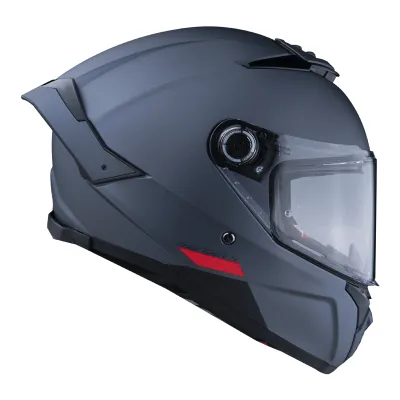
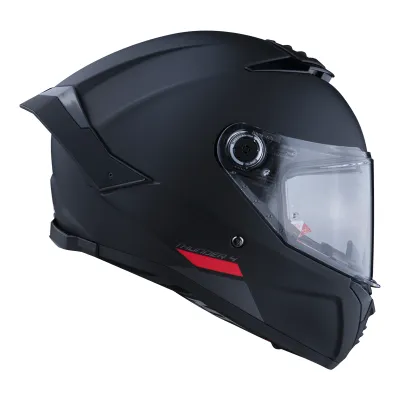
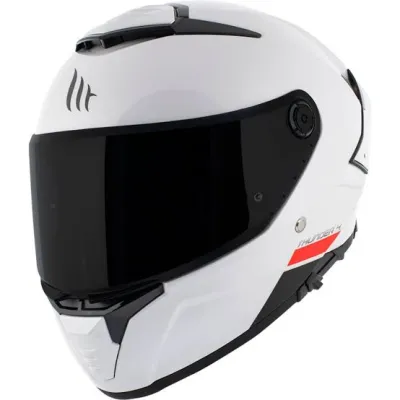
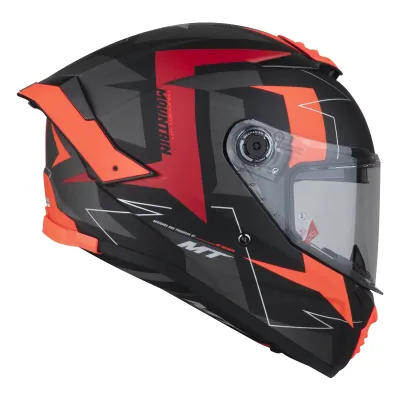
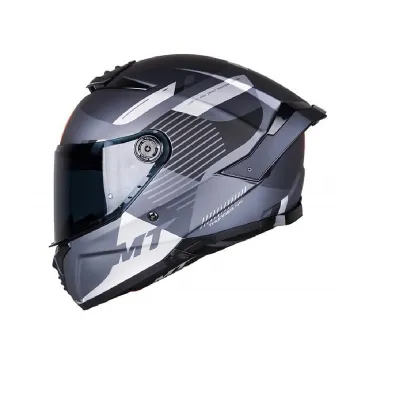
Prices are valid at publication and may change. Please refer to the product page for the latest price.
Beyond the immediate physical dangers, riding with an uncertified or counterfeit helmet carries strict legal penalties. Traffic enforcers actively inspect riding gear during routine checkpoints, and presenting a helmet with a fake or missing ICC/PSB sticker can result in hefty fines and temporary confiscation of your driver’s license. Ensuring your MT Thunder helmet is fully compliant protects both your physical well-being and your driving record.
How to Physically Inspect the ICC/PSB Stickers and Labels
A genuine ICC or PSB sticker is typically applied to the rear portion of the helmet shell, positioned beneath the clear coat or firmly adhered to the surface. On an authentic MT Thunder helmet, this sticker features sharp, high-resolution printing with clear, legible serial numbers that do not smudge when rubbed. If the sticker appears crooked, has air bubbles underneath, or peels off easily at the corners, it is highly likely to be a counterfeit reproduction.

Official DTI certification stickers incorporate specific security features designed to prevent duplication, including holographic elements that shift color when tilted under direct sunlight. Some versions also feature micro-text and unique serial patterns that are difficult for counterfeiters to replicate with standard printing equipment. Before finalizing your purchase, check the official DTI website or consumer protection portals to review the current visual design and security markers used on legitimate stickers.
You must also inspect the fabric labels sewn into the helmet’s inner comfort liner. A genuine MT Thunder helmet includes a permanently attached fabric tag detailing the manufacturer’s name, the specific model designation, the manufacturing date, and the exact size. Counterfeit helmets frequently feature generic tags with spelling errors, blurry text, or missing production dates, indicating a lack of quality control during manufacturing.
Additionally, pay close attention to the adhesive quality of the sticker itself. Genuine stickers are manufactured using industrial-grade adhesives that resist the high humidity and tropical heat common in the Philippines. If the sticker shows signs of lifting, or if there are visible traces of glue around the edges suggesting it was transferred from another helmet, do not purchase the item.
Build Quality Checks: Genuine vs. Counterfeit MT Thunder Helmets
Evaluating the physical construction of the helmet is one of the most reliable ways to spot a fake, as counterfeiters rarely match the manufacturing standards of established brands. Start by examining the outer shell of the MT Thunder; a genuine unit features a smooth, uniform paint finish without runs, dust particles, or rough edges. The ventilation ports should align perfectly with the shell cutouts, and the sliders should open and close with a distinct, solid click.
The visor mechanism on an authentic helmet operates smoothly, locking securely into multiple detent positions to prevent wind from lifting it at high speeds. Inspect the chin strap and its fastening system, ensuring the stitching is dense, even, and free of loose threads. Press firmly on the inner EPS foam liner beneath the comfort padding; a genuine helmet uses dense, impact-absorbing foam that resists deep indentation, whereas counterfeits often use soft, easily compressible packaging foam.
Always consult the manufacturer’s official user manual for specific maintenance guidelines, and have your helmet inspected by a qualified safety professional if it sustains any impact, as internal structural damage may not be visible to the naked eye. This safety boundary is critical because even a genuine helmet cannot provide adequate protection once its internal EPS liner has been compromised by a drop or collision.
The packaging and documentation also provide valuable clues regarding authenticity. Genuine MT Thunder helmets are shipped in a sturdy, branded retail box featuring high-resolution graphics, accurate product specifications, and a matching serial number label. If your helmet arrives in a flimsy, unbranded box, or if the included user manual contains low-resolution images and grammatical errors, you should treat the product with extreme suspicion.
Verifying Certification Numbers Through Official Channels
To confirm the legitimacy of your helmet’s certification, you can cross-reference the printed serial number on the ICC sticker with the official DTI database. The DTI maintains a registry of certified import commodity clearances, allowing consumers to verify if a specific sticker number corresponds to an approved batch of helmets. If the serial number does not appear in the database or matches a completely different product category, the sticker is fraudulent.
Many modern certification labels feature a QR code designed to simplify the verification process for riders and law enforcement officers. When scanning these codes with your smartphone, pay close attention to the destination URL in your web browser before entering any information. Legitimate scans must redirect to an official government domain (ending in .gov.ph) or the verified portal of the authorized distributor, rather than a generic, unsecured website designed to mimic official pages.
If you remain uncertain about the authenticity of your MT Thunder helmet, contact the authorized distributor of MT Helmets in the Philippines directly. By providing them with the helmet’s serial number, production batch code, and photos of the inner labels, they can verify whether the unit was imported through official, quality-controlled channels. This step is particularly useful when buying from independent resellers or secondhand markets where the chain of custody is unclear.
Keep in mind that official distributors maintain records of all imported batches and can quickly identify if a serial number belongs to a different model or a completely different production year. Taking the time to verify these details through official channels prevents you from riding with a compromised helmet that fails to meet local safety standards.
Where to Buy Safely and How to Handle Counterfeit Purchases
The most effective way to avoid counterfeit riding gear is to purchase exclusively from authorized physical dealers and verified brand flagship stores. When shopping on major e-commerce platforms, look for official mall tags or verified seller badges that guarantee product authenticity. Avoid buying from unverified third-party sellers offering prices that seem unusually low, as these listings are frequently used to liquidate counterfeit inventory.
If you discover that you have accidentally purchased a counterfeit MT Thunder helmet, document the evidence immediately by taking clear photos of the fake stickers, poor stitching, and packaging defects. Submit a formal return and refund request through the e-commerce platform’s buyer protection program, citing the sale of counterfeit goods as the primary reason. Most major online marketplaces have strict policies against counterfeit items and will freeze the seller’s funds while investigating your claim.
For purchases made at physical retail shops that refuse to honor a return or refund for a counterfeit helmet, you can escalate the issue by filing a formal complaint with the DTI. Provide the agency with your official receipt, photos of the non-compliant helmet, and details of the transaction to initiate a consumer rights investigation. Reporting these dishonest retailers helps clean up the local market and protects fellow riders from purchasing unsafe, illegal gear.
Additionally, consider sharing your experience within local riding communities and online forums to raise awareness about specific sellers distributing counterfeit products. By warning other motorcyclists about fraudulent listings and physical shops, you contribute to a safer riding environment for everyone on the road.
Frequently Asked Questions (FAQ)
Can I legally ride in the Philippines with an MT Thunder helmet that only has a DOT or ECE mark but no ICC sticker?
No, you cannot legally ride on public roads in the Philippines with a helmet that only carries foreign certification marks like DOT or ECE. While these international standards indicate that the helmet has passed rigorous testing in North America or Europe, local laws strictly require the physical presence of an official ICC or PSB sticker. Riding without this local certification mark can result in traffic citations and fines during roadside inspections by law enforcement officers.
What should I do if the ICC sticker on my helmet is peeling off or damaged?
If the ICC sticker on your MT Thunder helmet begins to peel or suffers damage from rain and humidity, do not attempt to re-glue, tape, or alter it, as this can look like tampering to traffic enforcers. Instead, keep your original purchase receipt, the retail box with matching serial numbers, and any official documentation in a safe place at home. Carrying a clear photocopy or digital photo of these documents on your phone can serve as secondary proof of authenticity if an officer questions the condition of your sticker during a checkpoint.

Community discussion
Share your experience or ask a question. Comments are reviewed before publication.