
To secure a genuine EVO full-face helmet, you must purchase directly from verified physical flagship stores, authorized dealers, or official online marketplace storefronts carrying the official brand badge. Verifying safety certifications like the ICC sticker, inspecting physical build quality, and avoiding suspiciously low prices are the most reliable ways to protect yourself from dangerous counterfeit gear. Riding on busy roads requires gear that you can trust completely in an emergency. A counterfeit helmet might look identical to an authentic model on a screen, but it lacks the engineered safety systems required to protect your head during an impact.
Understanding the Risks of Counterfeit Full-Face Helmets
A full-face helmet serves as your primary line of defense on the road, designed specifically to absorb high-impact energy and shield your face, chin, and jaw from severe injury. Unlike open-face alternatives, the full-face design provides complete coverage, which is critical since a significant percentage of motorcycle impacts affect the chin and face area. Counterfeit helmets often mimic the external appearance of popular designs but use substandard, brittle plastics instead of impact-resistant polycarbonate or fiberglass shells. These cheap materials are highly susceptible to cracking under pressure and fail to meet basic safety standards. During an impact, these imitation materials can crack, shatter, or fail to disperse energy, transferring the force directly to your head. The internal multi-density EPS (expanded polystyrene) liner in a genuine helmet is engineered to compress and absorb shock, whereas fake helmets often use cheap, rigid packaging foam that offers zero energy absorption. Furthermore, fake visors lack proper optical clarity and shatter resistance, which can impair your vision under the glaring tropical sun or during sudden downpours, or even splinter into sharp fragments during an accident. This lack of quality control, safety testing, and reliable manufacturing standards in unauthorized production makes counterfeit helmets a major hazard on the road.
How to Identify an Official EVO Helmet Store
To ensure you are buying from a legitimate source, start by visiting the official EVO website or their verified social media channels to access their directory of authorized physical dealers and official online stores. This directory is updated regularly to reflect active partnerships and trusted retail locations across different regions. When shopping on major e-commerce platforms, look for official mall badges, verified seller checkmarks, and consistent brand logos that indicate a direct partnership with the manufacturer. Authorized online stores will typically feature professional layouts, high-resolution product banners, and clear, coherent product descriptions. Legitimate online storefronts will display clear business registration details, official tax invoices, and consistent customer service contact information. If a seller is evasive when asked for their business location or official receipt availability, it is highly likely they are operating an unauthorized shop. Be highly suspicious of red flags such as prices that are significantly lower than the standard retail market rates—for instance, a brand-new full-face helmet offered for under ₱1,000. Genuine safety gear requires quality materials and rigorous testing, which makes ultra-low pricing economically impossible for authentic products. Other warning signs include sellers who rely solely on low-resolution stock photos, refuse to provide actual product photos upon request, or have a history of negative reviews complaining about product authenticity. Always read the feedback section carefully, paying close attention to reviews that mention flimsy packaging or missing safety labels.
Products mentioned in this guide
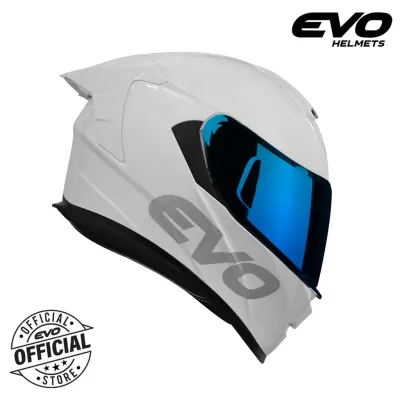
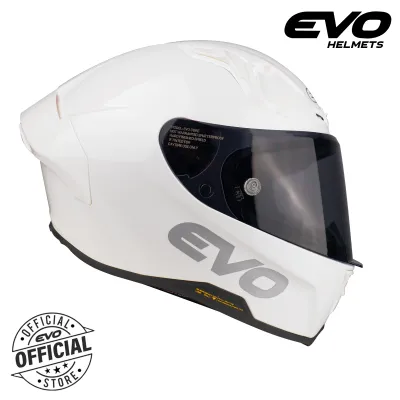
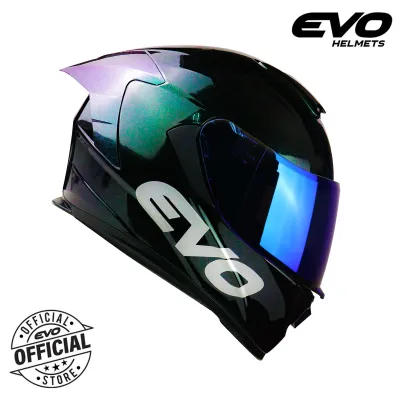
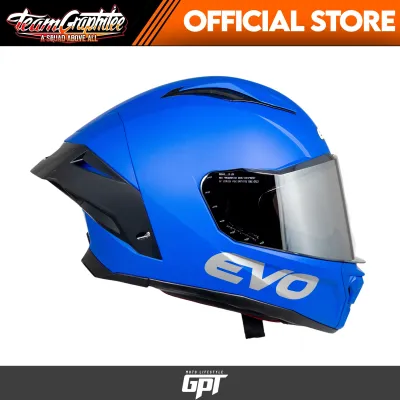
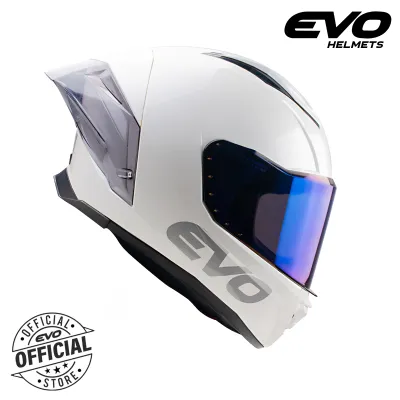
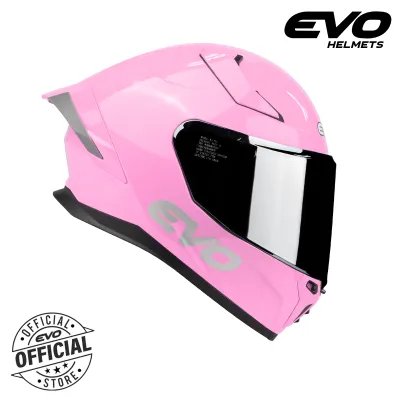
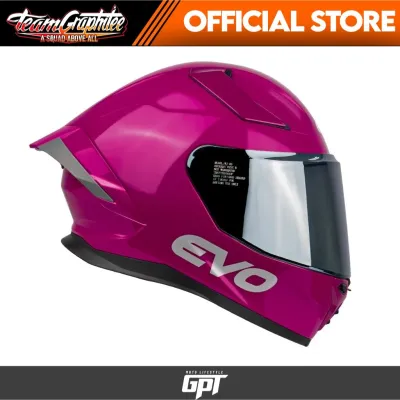
Prices are valid at publication and may change. Please refer to the product page for the latest price.

Physical Inspection: Spotting Fake EVO Helmets
A close physical inspection can quickly reveal whether a helmet is genuine or a cheap imitation. When you first handle the helmet, pay close attention to the overall weight and structural rigidity; authentic full-face helmets have a balanced weight distribution that feels solid and substantial without causing unnecessary neck strain. Begin by examining the outer shell; authentic helmets feature a smooth, high-quality paint finish, precise graphic alignments, clean edge trimming, and a durable clear coat. Counterfeit models often show visible paint runs, misaligned decals, rough edges along the rubber trim, and a thin, easily scratched outer finish. Next, inspect the interior padding and comfort liner. Genuine models use high-density, moisture-wicking foam with neat, consistent stitching and secure snap-on buttons, alongside tags that clearly display the brand name, material composition, and care instructions. Fake helmets often feature thin, loose padding that compresses easily, rough stitching, and generic or missing fabric tags. Test the visor mechanism by opening and closing it several times; it should operate smoothly with distinct detents, lock securely into place, and form a tight seal against the rubber gasket of the helmet shell to keep out wind and rain. A loose, rattling visor or a gap in the rubber seal is a common indicator of poor manufacturing tolerances found in replicas. Finally, evaluate the packaging. Authentic helmets are delivered in a sturdy, high-quality branded box with crisp printing, accompanied by a premium fabric helmet bag, a detailed user manual, and official warranty documentation. Counterfeit products are frequently shipped in generic brown boxes, wrapped only in bubble wrap, or accompanied by poorly translated manuals with low-quality graphics.
Verifying Safety Certifications and Serial Numbers
Safety certifications are non-negotiable for road-legal helmets, and verifying them is a crucial step in your inspection process. These certifications prove that the helmet design has undergone rigorous laboratory testing to ensure it can withstand specific impact forces and penetration hazards. Look for international certification markings, such as the DOT (Department of Transportation) or ECE (Economic Commission for Europe) stamps, which are typically printed on the rear of the outer shell or sewn onto the chin strap. On genuine helmets, these markings are crisp, centered, and protected under the clear coat, whereas fakes may have crooked, easily peeled stickers. In the Philippines, road safety regulations require all helmets to carry a valid Import Commodity Clearance (ICC) sticker or a Philippine Standard (PS) mark. These stickers are issued only after the gear passes strict local verification and compliance testing. Examine the ICC sticker closely; it should have a clean, tamper-evident holographic finish, a unique serial number, and a clear layout that matches the official design issued by the Department of Trade and Industry (DTI). Counterfeit stickers often lack the holographic depth, feature blurry serial numbers, or peel off easily without tearing. Locate the manufacturer’s serial number and production date, usually found on a white label underneath the comfort liner, and cross-reference these details with the manufacturer’s official customer support database to confirm authenticity. If the serial number is missing, defaced, or does not match the manufacturer’s records, do not use the helmet.
Steps to Take If You Receive a Suspected Fake
If you suspect that the helmet you received is counterfeit, do not wear it on the road, as it does not offer verified protection. Using an unverified helmet exposes you to severe safety risks, and it may also lead to traffic violations if the safety markings are deemed invalid by law enforcement. Immediately document the unboxing process by taking clear, well-lit photos and videos of the helmet, its labels, the packaging, the shipping label, and your purchase receipt. Keep all original packaging materials intact, as they serve as vital evidence for your dispute. File a formal return and refund request through your e-commerce platform’s buyer protection program, ensuring you submit your photo evidence before the platform’s return window closes. Clearly state that the item received is counterfeit and provide side-by-side comparisons if possible. Report the fraudulent seller to the online marketplace administrators to have their shop investigated, and contact the official brand customer service team to alert them of the counterfeit distributor. Reporting these sellers helps protect the wider riding community from purchasing dangerous, substandard gear.
Frequently Asked Questions (FAQ)
Can I trust third-party sellers on online marketplaces?
While some third-party sellers are authorized dealers, buying from unverified shops carries a high risk of receiving counterfeit goods. Always check the seller’s ratings, read recent customer reviews specifically looking for mentions of authenticity, and ask the seller to provide proof of their authorized dealer status or a clear photo of the ICC sticker before finalizing your purchase. If a seller is hesitant to provide real-time photos of the actual stock or cannot produce a valid business receipt, it is safer to walk away. Stick to official flagship stores or recognized local motorcycle accessory shops to guarantee your safety gear is genuine.
What should I do if the helmet lacks a local compliance sticker?
A missing ICC or PS sticker on a helmet sold in the Philippines is a major red flag that indicates the product may be an unauthorized import, a grey-market item, or a dangerous counterfeit. For your safety and to comply with local traffic laws, avoid using the helmet for road travel until you have verified its legitimacy directly with the manufacturer or an authorized distributor. Riding without a valid local compliance sticker can result in heavy fines and confiscation of your gear by traffic enforcers. If the helmet is genuine but simply missing the sticker due to a grey-market import, it still lacks the official local certification required for legal road use in the country.

Community discussion
Share your experience or ask a question. Comments are reviewed before publication.