
Quick Answer: Verifying Arai Helmet Authenticity
To verify if an Arai helmet is authentic, you must inspect its physical build quality, check for official safety certification labels, and verify the seller’s credentials. Genuine helmets feature flawless paint finishes, dense interior padding, and precisely aligned ventilation components. In the Philippines, legitimate imports should also carry official local safety marks alongside international certifications like Snell or ECE. Because counterfeiters have become highly sophisticated, relying on a single visual detail is not enough; you must combine physical checks with serial number verification through authorized channels.
The Safety Risks of Counterfeit Motorcycle Helmets
Riding on Philippine roads presents unpredictable hazards, making your choice of protective gear a critical decision. Genuine Arai helmets are engineered using complex, multi-layered fiber shells designed to distribute impact energy. In contrast, counterfeit helmets typically use cheap, unrated ABS plastic or recycled materials that shatter easily under pressure.

The interior protective liner of a real helmet uses multi-density expanded polystyrene (EPS) molded as a single piece to cushion your head. Fake helmets often use low-grade packaging foam that offers virtually zero impact absorption, risking severe injury. Furthermore, the retention systems on counterfeit gear are notoriously weak. A poorly secured chin strap or low-quality D-ring can easily snap or slip during an accident, causing the helmet to come off.
Products mentioned in this guide
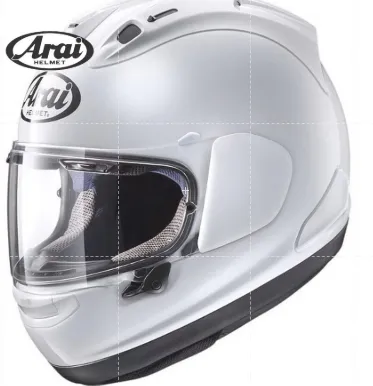
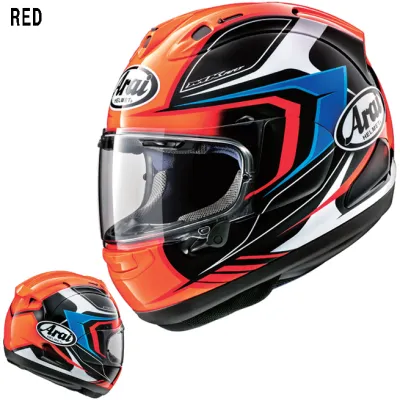
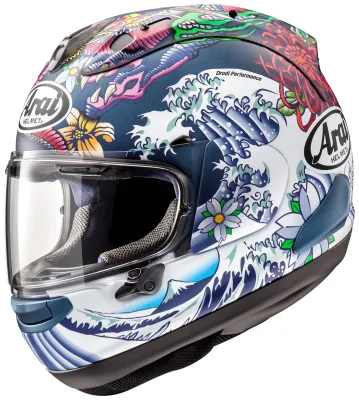
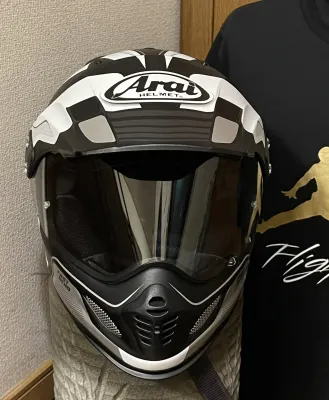
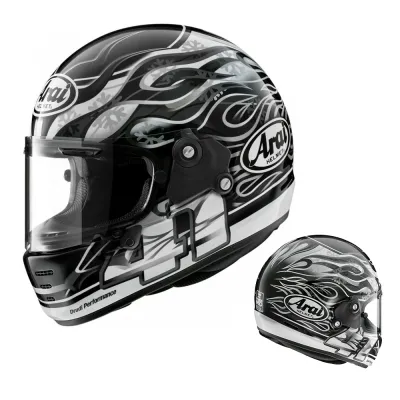
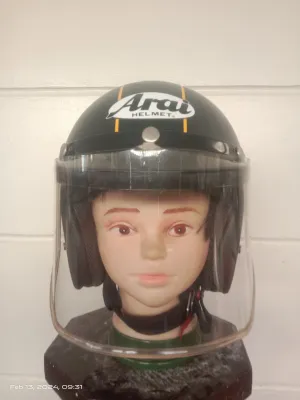
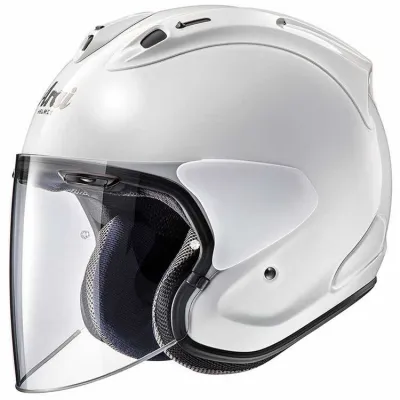
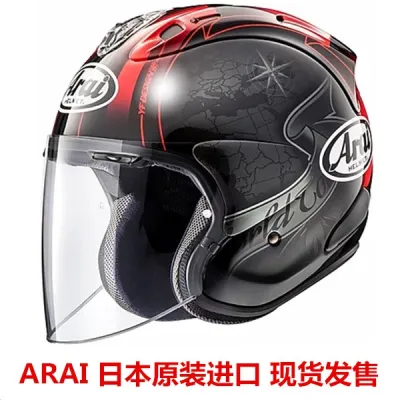
Prices are valid at publication and may change. Please refer to the product page for the latest price.
Safety Boundary: Because helmets are critical safety equipment, always consult the manufacturer’s official user manual for correct fitment, fastening, and care instructions. Never modify the shell, drill holes, or alter the chin strap, as doing so voids certifications and compromises your safety.
Key Authenticity Markers for Genuine Arai Helmets
Identifying a genuine Arai helmet requires a close look at several physical and documentation markers. Knowing what to look for can save you from purchasing a dangerous imitation.
Build Quality and Finish
Arai is known for meticulous hand-crafted construction. Inspect the outer shell for paint runs, dust under the clear coat, or uneven graphics. Ventilation sliders and pods should be precisely aligned and operate with a smooth, positive click. Inside, the comfort liner should feel plush, dense, and securely stitched. In the hot and humid Philippine climate, genuine moisture-wicking liners handle sweat without degrading, whereas fake liners often feel scratchy, thin, and emit a strong chemical odor.
Labels and Certification
Look closely at the certification decals on the back of the shell and inside the liner. Genuine helmets destined for international markets carry certified Snell, DOT, or ECE decals, which are typically sealed under the clear coat rather than applied as simple stickers on top. For helmets sold through official retail channels in the Philippines, look for the Import Commodity Clearance (ICC) sticker or the Philippine Standard (PS) mark. These local stickers should have clean printing, sharp holographic elements, and no signs of peeling.
Packaging and Documentation
An authentic helmet arrives in a sturdy, high-quality cardboard box featuring sharp, high-resolution branding and a detailed specification label matching the helmet’s model, color, and size. Inside, you will find a thick, blue cloth helmet bag with clean, centered branding and high-quality stitching. The package must also include a comprehensive, professionally printed owner’s manual, a warranty registration card, and a small bottle of official silicone lubricant for the visor seals.
Serial Numbers and Date Codes
Every genuine Arai helmet has a unique serial number and production date code. You can find the production date stamped clearly on the metal D-ring or printed on a dedicated tag stitched onto the chin strap. Additionally, look for serial number labels placed under the comfort liner on the EPS shell. These numbers must match the details printed on the outer packaging box.
Red Flags: Common Signs of a Fake Arai Helmet
Counterfeiters rely on shortcuts to keep production costs low. Recognizing these common red flags will help you spot a fake before you part with your money.
Pricing Anomalies
The most obvious warning sign is an unrealistically low price. Genuine premium helmets require highly specialized manufacturing processes and quality control, meaning they command a premium price. If an online seller or local shop offers a brand-new model for ₱5,000 to ₱10,000—when authorized local dealers price the same model at ₱30,000 or more—the item is almost certainly a counterfeit. Genuine manufacturers do not offer massive, unauthorized discounts or “factory clearance” sales through unofficial channels.
Poor Craftsmanship
Examine the rubber trim around the eyeport and the bottom edge of the shell. On a fake helmet, this trim is often unevenly glued, showing visible adhesive residue or gaps. The visor mechanism on a counterfeit is usually flimsy, making it difficult to open or close smoothly, and it may lack the distinct locking mechanism found on genuine models. The ventilation ports on fakes are often purely cosmetic, non-functional plastic pieces glued directly onto the shell without actual holes drilled underneath.
Missing or Altered Labels
Be highly suspicious of certification marks that look like cheap, home-printed stickers. If you can easily peel off a Snell, ECE, or ICC sticker with your fingernail, or if the text contains spelling errors, the helmet is a fake. Legitimate safety marks are subject to strict quality controls and are designed to be durable and tamper-resistant.
Substandard Packaging
If your helmet arrives in a flimsy, generic brown box without official branding, or if the helmet bag is made of thin, see-through synthetic material with blurry logos, you are dealing with a counterfeit. Missing documentation, poorly translated instruction sheets, or photocopied manuals are also clear indicators of a fake product.
How to Verify Your Arai Helmet Before and After Purchase
Taking proactive steps during the buying process is an effective way to protect yourself from fraud. Whenever possible, inspect the helmet in person before finalizing your purchase.
Start by testing the physical components. Open and close the visor to ensure the shield pivot system operates smoothly and locks securely. Slide the ventilation controls back and forth; they should feel robust and click firmly into place. Check the emergency cheek pad release system, which features bright red pull tabs. On fake helmets, these tabs are often purely decorative or entirely missing.
Evaluate the overall weight and balance. While exact weights vary by model, counterfeit helmets often feel unbalanced or excessively light because they use cheap, single-layer plastic instead of complex fiber laminates. If you have already purchased the helmet, take clear photos of the serial numbers, chin strap stamps, and certification labels, and contact an authorized local distributor or the manufacturer’s official support channels to verify the serial number.
Where to Buy Genuine Arai Helmets Safely
The most reliable way to avoid counterfeit riding gear is to control where you shop. Purchasing from unverified sources carries a high risk of receiving a dangerous imitation.
Always prioritize buying from authorized local distributors, official brand stores, and reputable physical motorcycle gear shops in the Philippines. These establishments source their inventory directly from the manufacturer, ensuring that every helmet is genuine and compliant with local safety standards.
If you shop on online marketplaces, exercise extreme caution. Only purchase from official flagship stores or verified authorized dealers. Avoid third-party sellers on social media marketplaces claiming to sell “overstock,” “OEM versions,” or “factory seconds.” Genuine premium helmet manufacturers do not distribute unbranded or B-grade products to the public.
What to Do If You Suspect You Bought a Fake
If you suspect your helmet is counterfeit, stop using it immediately. Do not ride with it even once, as it will not provide the necessary protection in an impact.
Gather all evidence related to the transaction, including purchase receipts, online order confirmations, chat histories, and detailed photos of the helmet’s defects. This documentation is essential for securing a refund and reporting the fraudulent activity.
Report the seller directly to the e-commerce platform and initiate a dispute through their buyer protection program. Additionally, file a formal complaint with local consumer protection agencies, such as the Department of Trade and Industry (DTI), and notify the authorized local distributor to help stop the distribution of counterfeit safety gear.
Frequently Asked Questions (FAQ)
Can I verify an Arai helmet's authenticity just by scanning a QR code?
No, you should not rely solely on a QR code for verification. While some manufacturers use QR codes or holographic labels for tracking, counterfeiters can easily print identical QR codes that redirect your smartphone to a fake, look-alike verification website. Always combine digital scans with a thorough physical inspection of the helmet’s build quality, stitching, and serial numbers.
Do all genuine Arai helmets sold in the Philippines have an ICC sticker?
Legitimate helmets imported and sold through official retail channels in the Philippines are required by law to display an Import Commodity Clearance (ICC) sticker or a Philippine Standard (PS) mark. However, if a rider personally purchases a genuine helmet abroad or imports it directly from an authorized overseas retailer, it may not have this local sticker. To ensure compliance and authenticity, it is always best to verify the helmet’s serial number and purchase from authorized local distributors.

Community discussion
Share your experience or ask a question. Comments are reviewed before publication.