
Verifying the authenticity of NGK spark plugs requires a two-step approach: validating the seller’s authorization status before purchase and conducting thorough physical and packaging inspections upon delivery. Relying solely on visual cues is insufficient; securing your engine’s performance starts with choosing verified official stores and authorized distributors in the Philippines. The tropical climate of the Philippines, characterized by high humidity, intense heat, and demanding stop-and-go traffic, places immense stress on your vehicle’s ignition system. Under these harsh operating conditions, a compromised spark plug can fail rapidly, leading to severe mechanical issues.
Before purchasing or installing any ignition components, always consult your vehicle’s owner’s manual to verify the exact spark plug model, thread dimensions, heat range, and torque specifications. If you are not experienced with electrical or mechanical work, have a qualified professional perform the installation to prevent cross-threading, electrical faults, or engine damage.
Why Counterfeit Spark Plugs Pose a Risk to Your Engine
Using counterfeit spark plugs introduces severe mechanical and safety risks that can permanently damage your engine. Genuine spark plugs are engineered to operate within precise heat ranges, transferring heat away from the combustion chamber to the cooling system. Counterfeit plugs often use substandard materials that fail to manage these thermal loads. In the hot Philippine climate, an incorrect heat range can lead to pre-ignition, where the air-fuel mixture ignites prematurely. This causes violent engine knocking, which can quickly destroy pistons, bend connecting rods, and damage the cylinder head.
Products mentioned in this guide
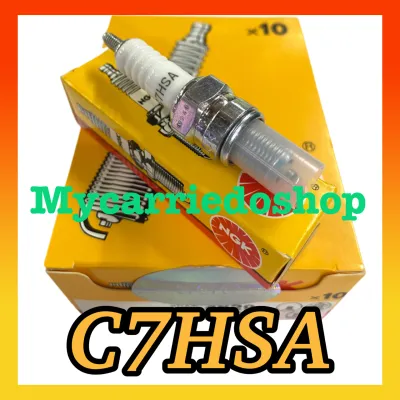
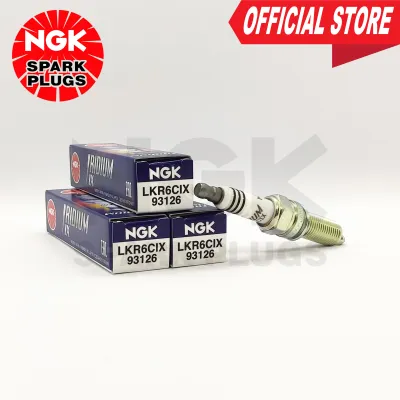
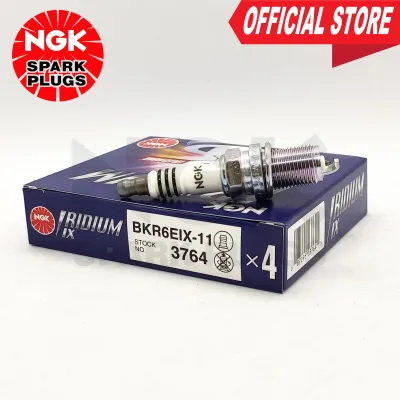
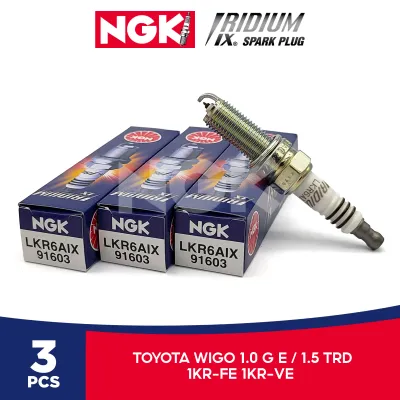
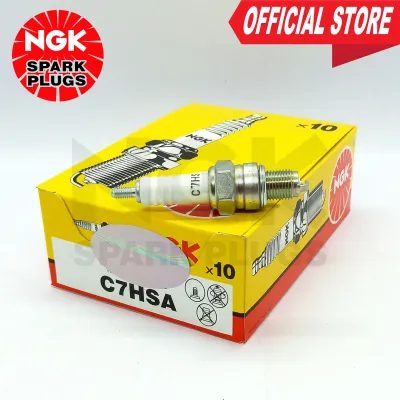
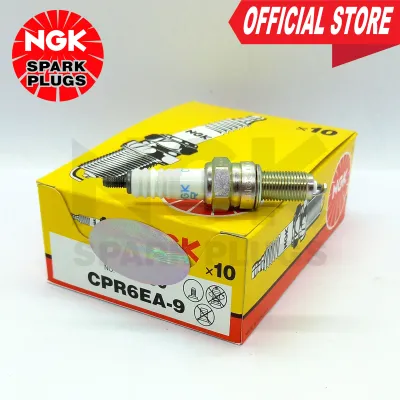
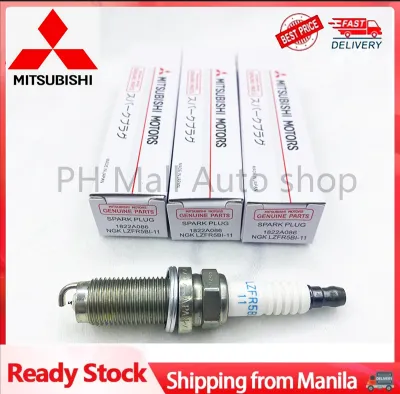
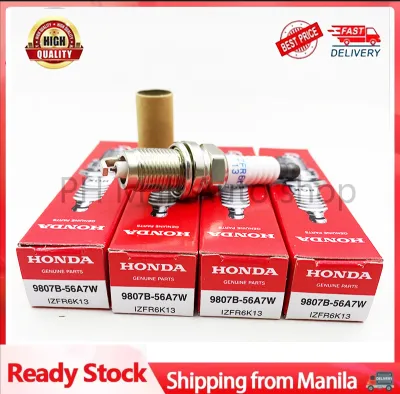
Prices are valid at publication and may change. Please refer to the product page for the latest price.
The difference in material quality between genuine and counterfeit parts is stark. Genuine NGK spark plugs utilize high-grade alumina ceramics for the insulator and specialized precious metals like iridium or platinum for the electrodes. Counterfeiters, aiming to minimize production costs, typically use cheap clay for the insulator and basic iron or nickel alloys for the electrodes. These inferior metals erode rapidly under the intense electrical arcs of the ignition system, leading to a wider spark gap, poor fuel economy, and frequent engine misfires. Unburnt fuel from these misfires can travel down the exhaust system, overheating and destroying your catalytic converter, which is highly expensive to replace.
Furthermore, the structural integrity of the ceramic insulator is critical for safety. Under high cylinder pressures, a low-quality ceramic insulator on a fake plug can crack or shatter. If fragments of the ceramic insulator break off and fall directly into the combustion chamber, they act as an abrasive, scoring the cylinder walls and damaging the valves. This level of internal damage often requires a complete engine overhaul, turning a cheap purchase into an incredibly costly repair.
How to Identify Authorized NGK Sellers and Official Stores
To protect your vehicle, you must know how to locate and verify legitimate purchasing channels before spending any money. The most reliable starting point is to check the official NGK website or regional distributor directories for authorized dealers in the Philippines. Legitimate distributors are officially vetted and receive their inventory directly from the manufacturer, ensuring a secure supply chain.

When shopping on major e-commerce platforms, look for official flagship stores or verified mall equivalents. These platforms assign specific badges to stores that have submitted verified business licenses, tax registrations, and official brand authorization certificates. Avoid buying from third-party sellers who use generic store names, lack a clear business history, or offer prices that seem too good to be true.
Always verify seller credentials by examining customer review patterns. Look closely at the feedback section for red flags, such as consistent complaints about sudden engine misfires, melted electrodes, or packaging that arrived damaged or unsealed. Be cautious of stores that have a high volume of generic, repetitive positive reviews, as these can sometimes be manipulated. Genuine buyers often post detailed photos of the product they received, which can give you an early look at the packaging quality. Additionally, legitimate sellers in the Philippines should be able to provide an official receipt or sales invoice upon request, which is a key indicator of a registered, law-abiding business.
Visual and Physical Checks to Spot Fake NGK Spark Plugs
Once your order arrives, perform a meticulous inspection of both the packaging and the physical spark plug before attempting installation. Start with the packaging. Genuine NGK boxes are made of high-quality, sturdy cardboard with sharp, high-contrast printing. The logos, fonts, and product details should be perfectly aligned and free of smudges, blurry edges, or spelling errors. Look for the printed lot or batch code on the box flap; this code should be clean and legible, and it must match the code stamped on the metal shell of the spark plug itself.
Next, move to the physical inspection of the spark plug. Pay close attention to the electrode alignment. Genuine NGK plugs feature perfectly centered electrodes with precise, uniform gaps that match the manufacturer’s specifications. Counterfeit plugs often exhibit crooked, off-center, or poorly welded ground electrodes, which can cause inconsistent sparking and misfires.
Examine the thread machining quality carefully. Genuine NGK threads are rolled onto the metal shell, resulting in smooth, uniform, and clean ridges. Counterfeit threads are often cut or machined poorly, leaving rough edges, metal burrs, or uneven spacing. Installing a plug with poorly machined threads can easily strip the threads in your engine’s aluminum cylinder head, leading to a loose plug and a highly expensive repair.
The ceramic insulator finish is another critical indicator. The ceramic portion of a genuine plug is smooth, glossy, and free of bubbles, pits, or rough patches. The printed text on the ceramic, such as the model number, should be perfectly crisp and impossible to scrape off with a fingernail. On fake plugs, this printing is often crooked, blurry, or easily smudged.
Check the condition of the sealing washer or gasket. On a genuine NGK spark plug, the washer is securely captured on the threads and cannot be easily screwed off by hand. On counterfeit plugs, the washer is often loose, poorly formed, or can be easily removed.
While some product lines or regional batches may feature security stickers, QR codes, or holographic labels, these features can vary. Because security measures change over time and across different manufacturing plants, you should never rely on a single visual cue. Always cross-reference multiple physical characteristics with the manufacturer’s official technical specifications to ensure authenticity.
What to Do If You Suspect a Counterfeit Purchase
If you suspect that you have purchased a counterfeit spark plug, do not install it in your vehicle. Instead, immediately document the product by taking clear, high-resolution photos of the packaging from all angles, focusing on the batch codes, spelling, and logos. Take detailed close-up photos of the spark plug itself, highlighting the threads, the electrode, the ceramic printing, and any physical defects you observed.
Next, contact the seller or the e-commerce platform to initiate a return and refund. Most major online marketplaces have strict policies against counterfeit goods and will protect buyers if clear photographic evidence of a fake product is provided. State clearly that the product is counterfeit and present your documented visual checks as proof.
Finally, report the incident to help protect other motorists. You can report the fraudulent seller directly to the e-commerce platform’s customer support team to have their store investigated or suspended. When applicable, you can also report the incident to NGK’s regional representatives or local consumer protection agencies in the Philippines, providing them with the seller’s details and photos of the counterfeit product.
Frequently Asked Questions (FAQ)
Can I rely solely on the price to determine if an NGK spark plug is genuine?
No, you cannot rely solely on the price. While an unusually low price—such as a premium iridium spark plug sold for the price of a basic nickel plug—is a major red flag, counterfeiters are becoming increasingly sophisticated. Many now price their fake products close to genuine retail prices to avoid raising suspicion. Always prioritize verifying the seller’s authorization status and conducting physical inspections of the product over relying on price points.
Do all genuine NGK spark plugs come with a holographic anti-counterfeit sticker?
No, not all genuine NGK spark plugs feature a holographic sticker. Security features, including holograms, QR codes, and specialized labels, vary significantly depending on the specific product line, the manufacturing plant, and the target region. The absence of a sticker does not automatically mean a plug is counterfeit, just as the presence of a poorly replicated sticker does not guarantee authenticity.
Is it safe to use a spark plug if the packaging looks genuine but the plug feels unusually light?
No, it is not safe to use. Counterfeiters often source genuine empty boxes or replicate packaging with high accuracy, but they cannot easily replicate the heavy, high-density ceramic and specialized metal alloys used in genuine NGK plugs. If the plug feels unusually light, has loose washers, or shows poor thread quality, do not install it, as it could fail under high cylinder pressures and damage your engine.

Community discussion
Share your experience or ask a question. Comments are reviewed before publication.