
To verify if a motorcycle helmet’s Import Commodity Clearance (ICC) sticker is genuine or fake, you must perform a three-step check: inspect the sticker’s physical security features for a color-shifting holographic overlay, scan the printed QR code to ensure it redirects to an official government domain, and cross-reference the unique license number on the Bureau of Philippine Standards (BPS) online registry.
A high-quality helmet with icc sticker is one of the most critical investments a motorcycle rider in the Philippines can make. With the country’s busy highways, unpredictable weather, and challenging road conditions, wearing certified protective gear is both a legal requirement and a life-saving necessity. However, the market has seen an influx of counterfeit certification marks, making it easy for unsuspecting riders to purchase substandard helmets that offer little to no protection in a crash. Understanding how to distinguish a genuine ICC sticker from a cheap counterfeit is essential for every rider before they hit the road.
Why Verifying the ICC or PS Mark Matters
The Bureau of Philippine Standards (BPS), an agency under the Department of Trade and Industry (DTI), is responsible for ensuring that all protective motorcycle helmets sold in the country meet strict safety guidelines. Imported helmets are required to undergo rigorous testing to receive an Import Commodity Clearance (ICC) sticker, while locally manufactured helmets must obtain a Philippine Standard (PS) mark. These certifications prove that the helmet model has successfully passed tests for impact absorption, chin strap retention, penetration resistance, and peripheral vision.
Products mentioned in this guide
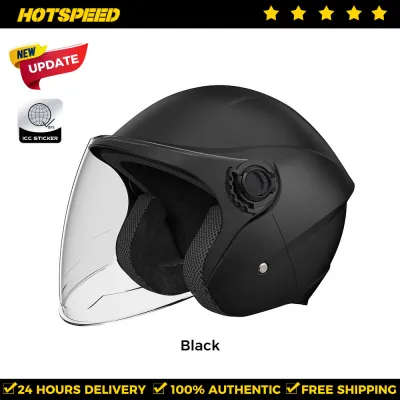
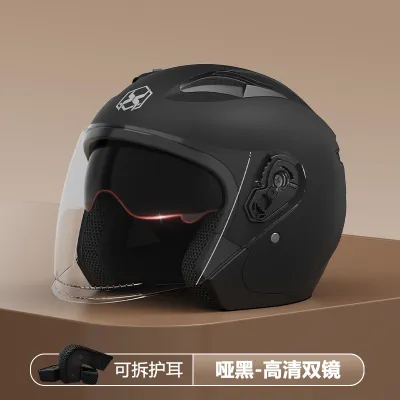
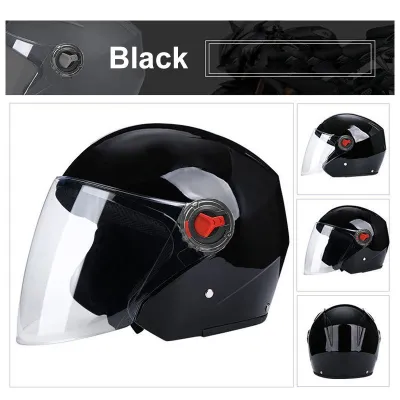
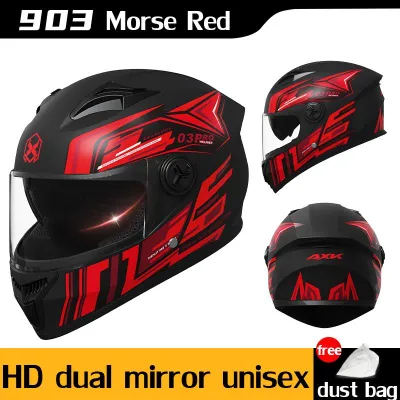
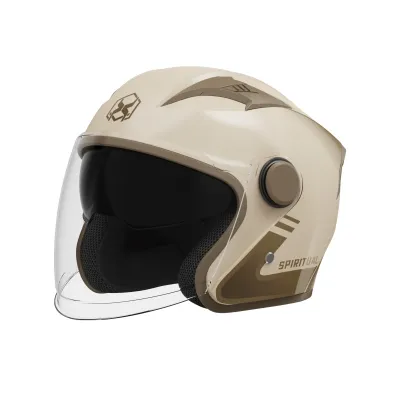
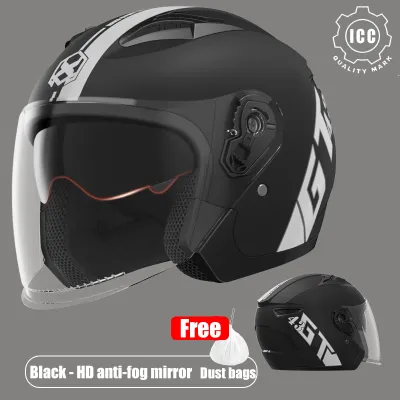
Prices are valid at publication and may change. Please refer to the product page for the latest price.
Wearing a counterfeit helmet carries severe, life-threatening safety risks. Genuine certified helmets utilize a specialized Expanded Polystyrene (EPS) foam liner designed to compress and absorb the kinetic energy of an impact, protecting your brain from traumatic injury. In contrast, counterfeit helmets often use cheap, low-density packing styrofoam that crushes instantly or cracks under minimal pressure, transferring the full force of the impact directly to the rider’s skull. Furthermore, substandard outer shells made of cheap plastics can fragment into sharp shards upon impact, causing additional severe lacerations.
Beyond the physical dangers, riding with an uncertified or fake helmet carries legal consequences. Under Republic Act No. 10054, also known as the Motorcycle Helmet Act of 2009, all motorcycle riders on public roads must wear compliant protective helmets. Law enforcement agencies, including the Land Transportation Office (LTO) and local government traffic units, actively check for valid ICC or PS marks during routine operations. Utilizing a helmet with a fake sticker can result in heavy fines, confiscation of the gear, or even temporary vehicle impoundment.
Visual Inspection: Spotting the Differences Between Real and Fake ICC Stickers
Sticker Quality and Placement

Authentic ICC and PS stickers are high-security decals produced with advanced printing techniques designed to prevent tampering. A genuine sticker features a distinct holographic overlay that shifts colors, reveals hidden patterns, or displays the BPS logo when you tilt the helmet under direct sunlight or a bright lamp. These decals are also designed with destructive adhesive; if someone attempts to peel the sticker off to transfer it to a non-certified helmet, the sticker will tear apart, crack, or leave a void pattern behind. Fake stickers, on the other hand, are often printed on standard glossy paper or cheap metallic foil that can be peeled off in one clean piece without tearing.
Print Clarity and Details
Inspect the text and logos on the sticker using a magnifying glass or your smartphone’s zoom function. Genuine BPS certification marks feature incredibly sharp, laser-printed micro-printing, clear borders, and a distinct, legible license or certificate number. The logos are perfectly centered, and the text is free of spelling errors or blurry ink runs. Counterfeit stickers are frequently mass-produced on low-end commercial printers, resulting in fuzzy edges, off-center logos, pixelated text, or even misspelled words. Additionally, check if the sticker displays the correct Philippine National Standard (PNS) number, which is typically printed alongside the certification mark.
Helmet Build and Finish
A genuine certified helmet’s physical construction is a major clue to its authenticity. Manufacturers who invest in official BPS certification also invest in high-quality materials. Examine the interior of the helmet by pulling back the comfort padding. A real helmet will feature a thick, dark, or densely molded EPS liner that feels solid to the touch and does not easily deform when pressed with a thumb. The chin straps should be made of heavy-duty, tightly woven nylon with robust stitching, secured by a solid double-D ring or a high-grade micrometric metal buckle. Counterfeit helmets often feel unusually light, have flimsy straps with loose threads, and use cheap, white packing styrofoam that is easily dented or flaked off.
Safety Boundary
While these visual cues are highly effective for spotting low-quality counterfeits, you must remember that high-quality fakes do exist. Some sophisticated counterfeiters can produce convincing holographic stickers that closely mimic the real thing. Therefore, a visual inspection should only serve as your initial screening tool. To guarantee absolute safety and compliance, you must always combine physical checks with official digital verification methods before finalizing your purchase.
Official Verification Methods: BPS Registry and QR Code Checks
QR Code Scanning
The most direct way to verify a modern helmet with icc sticker is by utilizing the QR code printed on the certification mark. Genuine modern ICC stickers feature a unique, high-density QR code that can be scanned using any standard smartphone camera. When scanned, this code must redirect you to an official government verification portal hosted on a secure domain (typically ending in “.gov.ph” or a verified BPS sub-domain). Once the page loads, it should display the specific details of your helmet, including the brand, model, importer, and certificate status. If the QR code fails to scan, leads to a broken link, redirects to a generic third-party website, or simply displays a plain text string of numbers, the sticker is highly likely to be a fake.
BPS Online Registry Cross-Check
If the sticker does not have a QR code, or if you want to double-check the QR code’s results, you can manually verify the helmet through the official BPS online registry. Access the Department of Trade and Industry’s Bureau of Philippine Standards directory via their official website. Navigate to the list of certified product registries and locate the section for motorcycle helmets. Enter the unique license, certificate, or serial number printed on your helmet’s sticker. The online database should instantly display matching records showing the exact manufacturer or importer, the brand name, and the specific helmet model. If the search query returns zero results, or if the registry shows that the license number belongs to a completely different brand or product type (such as household appliances or electrical wires), you are dealing with a counterfeit sticker.
Checking the PNS Standard
Ensure that the certification details reference the correct and current Philippine National Standard (PNS) for motorcycle helmets. The current standards in the Philippines align with international safety benchmarks, such as PNS UNECE R22.05 or the newer PNS UNECE R22.06. If the sticker references outdated, non-existent, or irrelevant standards, it is a clear sign of a fraudulent certification mark.
Decision Rule
If the QR code is missing on a modern helmet, leads to an unverified or non-government web address, or if the printed license number cannot be found within the official BPS registry, you must treat the helmet as uncertified and unsafe. Do not compromise your safety by purchasing or using such gear, regardless of how appealing the price or design may be.
Where to Buy Authentic Helmets with Valid ICC Certification
Authorized Dealers and Brand Stores
The most reliable way to ensure you are purchasing a genuine helmet with icc sticker is to buy from reputable, authorized sources. Whenever possible, visit physical showrooms of established global or local helmet brands, or purchase from well-known, licensed motorcycle accessory shops. If you prefer shopping online, restrict your purchases to verified flagship stores or official brand boutiques on major e-commerce platforms. These sellers are legally registered businesses that source their inventory directly from authorized importers, ensuring that every product has undergone proper customs clearance and BPS testing.
Evaluating Online Sellers
When browsing online marketplaces, always perform due diligence on third-party sellers. Check the seller’s overall rating, the age of the store, and read customer reviews carefully. Look specifically for reviews where buyers have uploaded photos of the physical helmet and the ICC sticker. Before clicking the buy button, send a direct message to the seller requesting clear, unedited, close-up photos of the actual helmet’s ICC sticker and its printed certificate number. A legitimate seller will gladly provide these details, allowing you to cross-reference them with the BPS registry before the item is shipped. If a seller refuses to provide these photos or gives vague excuses, look for another source.
Pricing Red Flags
Be highly skeptical of deals that seem too good to be true. High-quality motorcycle helmets from reputable brands require premium materials, extensive research and development, and expensive safety testing to achieve certification. While authorized dealers do run legitimate sales and promotions, a premium helmet brand normally retailing for ₱5,000 to ₱15,000+ being sold for ₱1,000 or less is a massive red flag. Such extreme discounts almost always indicate that the product is a counterfeit, a smuggled item without safety clearances, or a generic helmet adorned with a fake ICC sticker.
What to Do If You Suspect You Bought a Counterfeit Helmet
Stop Using the Helmet Immediately
If your visual checks or BPS registry searches reveal that your helmet’s ICC sticker is a fake, you must stop wearing the helmet immediately. Do not use it even for short trips around your neighborhood or quick errands. A counterfeit helmet provides a false sense of security; in the event of an accident, it can split open or fail to absorb the impact, leading to catastrophic head injuries. Your physical safety and life are worth far more than the money spent on a substandard piece of gear.
Request a Refund or Return
If you purchased the helmet from an online marketplace, immediately initiate a return and refund dispute down through the platform’s mobile application or website. Do not confirm receipt of the item or close the order. Upload clear photographic evidence showing the fake sticker, any physical defects in the helmet’s construction, and a screenshot of the BPS online database showing the registry mismatch. Most major e-commerce platforms have strict anti-counterfeit policies and will refund your money once you prove the item is fake. For physical store purchases, return to the shop with your receipt and demand a full refund, citing the fraudulent certification mark.
Report to Authorities
To help protect the wider riding community in the Philippines, report the fraudulent seller to the proper government authorities. You can file a formal complaint with the DTI Fair Trade Enforcement Bureau (FTEB) or the BPS through their official consumer hotlines and email addresses. Provide them with the name of the store, the physical address or online shop link, and photos of the counterfeit helmet and sticker. Reporting these sellers helps authorities conduct enforcement operations, seize dangerous, uncertified gear, and keep substandard products off the road.
Frequently Asked Questions (FAQ)
Can I use a helmet with a DOT or ECE sticker instead of an ICC mark in the Philippines?
While Department of Transportation (DOT) and Economic Commission for Europe (ECE) standards are highly respected international safety certifications, they do not automatically grant road-legality in the Philippines. Under local laws, all imported helmets must bear the physical ICC sticker issued by the BPS to prove they have cleared domestic customs and quality checks. Riding on public roads with a helmet that only features foreign safety stickers without a valid local ICC mark is a traffic violation. To remain fully compliant with LTO regulations and avoid fines, ensure your helmet has a legitimate local ICC or PS sticker.
Is it safe to buy a second-hand helmet if the ICC sticker is still intact?
No, it is highly discouraged to purchase or use a second-hand helmet, even if the ICC sticker is perfectly intact and verified as genuine. The ICC sticker only guarantees that the helmet met safety standards when it was manufactured and imported. It cannot account for the helmet’s history or wear and tear. Over time, the internal EPS liner degrades due to sweat, hair oils, UV exposure, and the high humidity of the Philippine climate. More importantly, helmets are designed to absorb a major impact only once. A used helmet may have been dropped or involved in a crash, causing internal structural damage to the EPS liner that is completely invisible from the outside but renders the helmet useless in a future accident.

Community discussion
Share your experience or ask a question. Comments are reviewed before publication.